
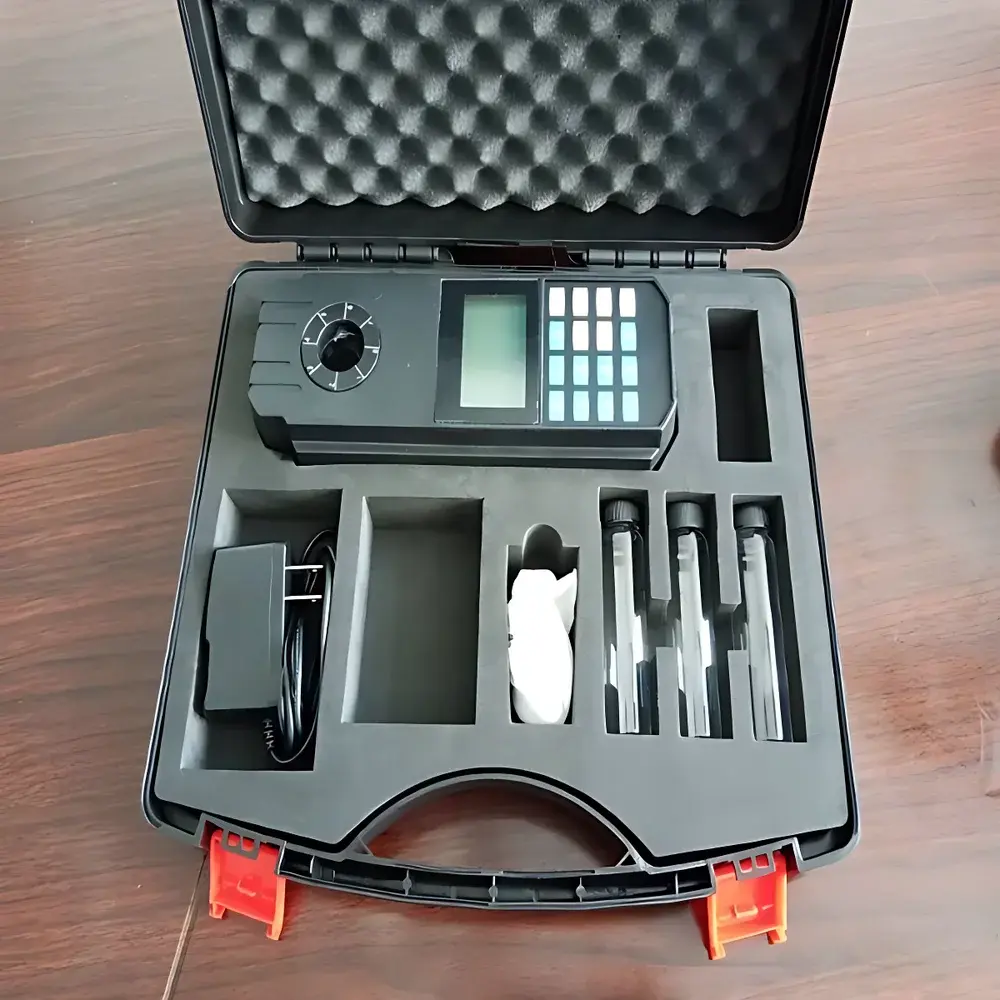
HengaoDe H17937 Portable Cyanuric Acid Water Quality Analyzer
| Brand | HengaoDe |
|---|---|
| Origin | Beijing, China |
| Manufacturer Type | General Distributor |
| Country of Origin | China |
| Model | H17937 |
| Price | USD 28.50 (based on ¥198 at 1 USD ≈ ¥6.95) |
| Measurement Range | 0–100 mg/L (dilutable beyond range) |
| LOD | 5 mg/L |
| Accuracy | ≤±5% FS |
| Repeatability | ≤3% |
| Optical Drift | <0.002 A in 20 min |
| Dimensions | 80 × 230 × 55 mm |
| Weight | 500 g |
| Operating Temp. | 5–40 °C |
| Relative Humidity | ≤85% RH |
| Power | Rechargeable Li-ion battery |
Overview
The HengaoDe H17937 Portable Cyanuric Acid Water Quality Analyzer is a field-deployable photometric instrument engineered for rapid, on-site quantification of cyanuric acid (C₃H₃N₃O₃) concentration in swimming pool water, spa systems, and recirculating cooling water. It operates on the principle of narrow-band interference filter-based colorimetry: cyanuric acid reacts with melamine under acidic conditions to form a stable, light-absorbing complex, with absorbance measured at a fixed wavelength (typically 620 nm). The instrument employs a cold LED light source and precision optical path design to minimize thermal drift and spectral interference—critical for reproducible field measurements where ambient lighting and temperature fluctuation are uncontrolled. Unlike benchtop spectrophotometers requiring lab infrastructure, the H17937 delivers laboratory-grade reliability in a handheld format compliant with ASTM D6507 and ISO 10303 (water quality — determination of cyanuric acid — spectrophotometric method), supporting routine compliance monitoring per WHO and CDC recreational water guidelines.
Key Features
- Cold LED light source with narrow-band interference optical system ensures long-term photometric stability (<0.002 A drift over 20 minutes) and immunity to ambient light interference.
- Ultra-low-power microcontroller architecture paired with a high-capacity rechargeable Li-ion battery enables up to 6 months of standby time and >10 hours of continuous operation per charge.
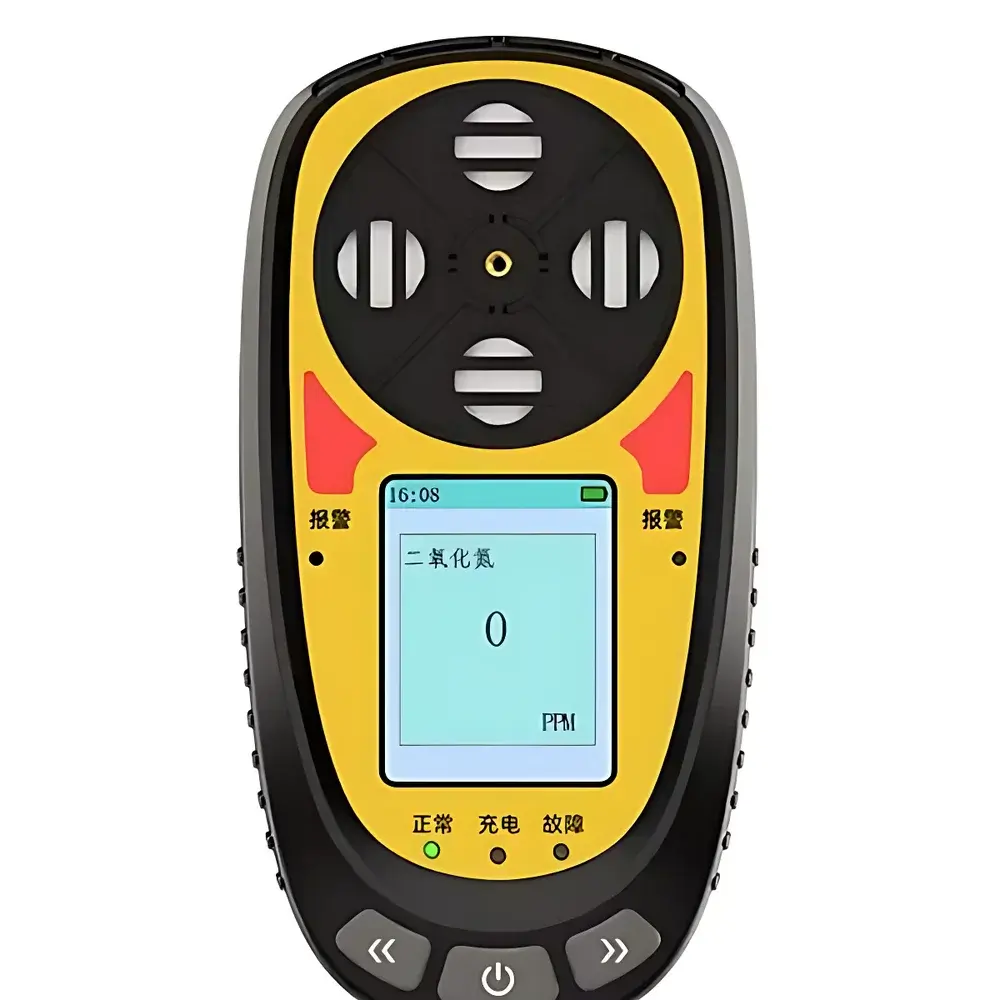
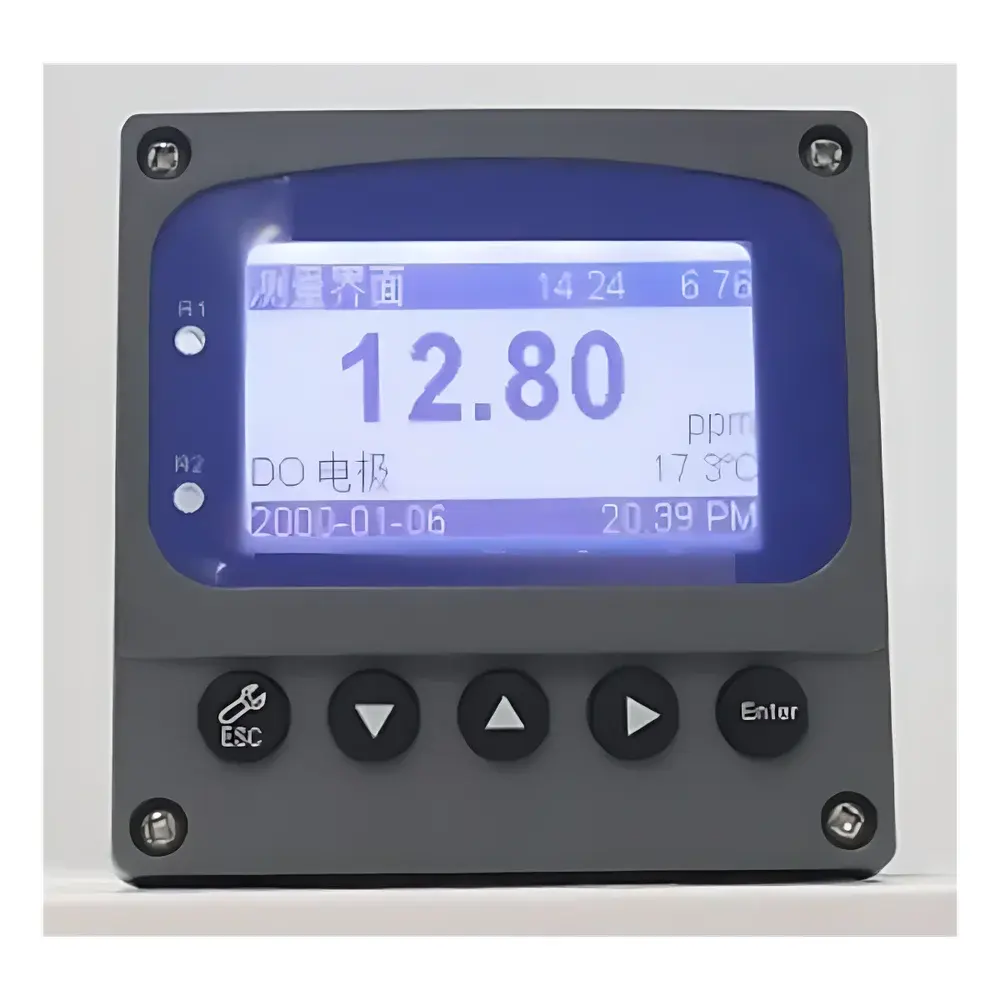
- Backlit 2.8-inch LCD with Chinese/English bilingual menu interface supports intuitive navigation, real-time calibration verification, and on-device data review without external software.
- Expandable calibration capability: users may store up to 20 custom calibration curves alongside factory-default curves, accommodating matrix-matched standards or alternative reagent chemistries.
- Robust data management: internal memory retains up to 500 measurement records with timestamp, sample ID, and operator tag—exportable via optional USB interface (USB-A to micro-USB cable required).
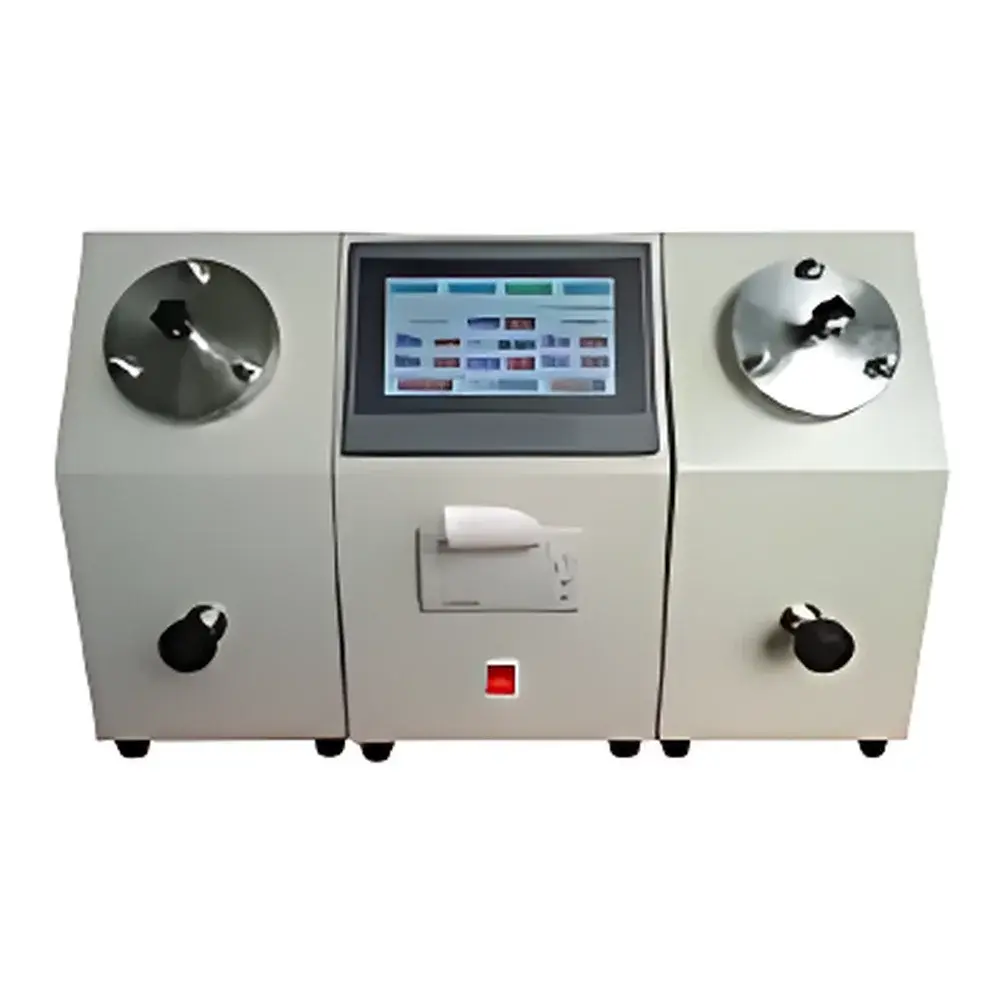
- Compact ergonomic housing (80 × 230 × 55 mm; 500 g) features IP54-rated ingress protection, rubberized grip zones, and shock-absorbing corners for reliable use in humid outdoor environments.
Sample Compatibility & Compliance
The H17937 is validated for use with clarified, non-turbid aqueous samples containing free chlorine ≤5 mg/L and pH 7.2–7.8. It accommodates standard 10 mL glass or plastic cuvettes (10 mm path length) and is compatible with commercially available cyanuric acid test kits (e.g., Hach CN-80, LaMotte 3790-SC). Interference testing confirms minimal cross-sensitivity to common pool additives including calcium hardness (≤400 ppm), total alkalinity (≤200 ppm), and bromide (<10 ppm). The analyzer meets CE marking requirements for electromagnetic compatibility (EN 61326-1) and safety (EN 61010-1). Its measurement uncertainty profile aligns with ISO/IEC 17025:2017 clause 7.6.3 for in-field analytical equipment used in environmental compliance reporting.
Software & Data Management
While the H17937 operates as a standalone instrument, optional PC connectivity enables traceable data audit trails. When paired with HengaoDe’s proprietary DataLink v2.1 desktop application (Windows 10/11, 64-bit), users can export CSV-formatted logs with full metadata (date/time, calibration ID, operator code, raw absorbance values). The software supports GLP-compliant features including user access levels, electronic signature prompts, and automatic generation of QC reports per daily calibration checks. All stored data retain immutable timestamps synchronized to the device’s internal RTC (real-time clock), satisfying FDA 21 CFR Part 11 requirements for electronic records when deployed in regulated aquatic facility maintenance programs.
Applications
- Routine cyanuric acid monitoring in commercial and municipal swimming pools to maintain optimal stabilizer levels (30–50 mg/L) and prevent UV degradation of free chlorine.
- Preventive maintenance of HVAC cooling towers where cyanuric acid accumulation may impair biocide efficacy and promote microbial growth.
- Field verification during pool renovation or chemical dosing system commissioning to validate residual stabilizer carryover.
- Educational laboratories for teaching principles of photometric analysis, Beer-Lambert law validation, and water chemistry equilibrium.
- Third-party inspection agencies performing ASME A112.19.17-compliant pool safety audits.
FAQ
What is the minimum detectable concentration of cyanuric acid?
The instrument has a limit of detection (LOD) of 5 mg/L, determined per IUPAC recommendations using the standard deviation of blank measurements (n = 10) multiplied by a coverage factor of 3.3.
Can the H17937 measure samples with high turbidity or suspended solids?
No. Turbid or particulate-laden samples must be filtered through a 0.45 µm membrane prior to analysis to avoid scattering artifacts and erroneous absorbance readings.
Is calibration verification required before each use?
Yes. A zero-point check using deionized water and a mid-range verification standard (e.g., 50 mg/L certified reference material) are mandatory per ASTM D6507 Section 8.2 for data validity.
Does the device support regulatory reporting for health department inspections?
Yes—when used with documented calibration logs, operator training records, and exported CSV data, the H17937 satisfies documentation requirements for local health authority pool inspection programs in the US, EU, and APAC regions.
How often does the battery require replacement?
The integrated Li-ion battery is rated for ≥500 charge cycles; typical service life exceeds 3 years under normal field use (2–3 measurements/day). Replacement requires authorized service center calibration revalidation.
Related Products







