
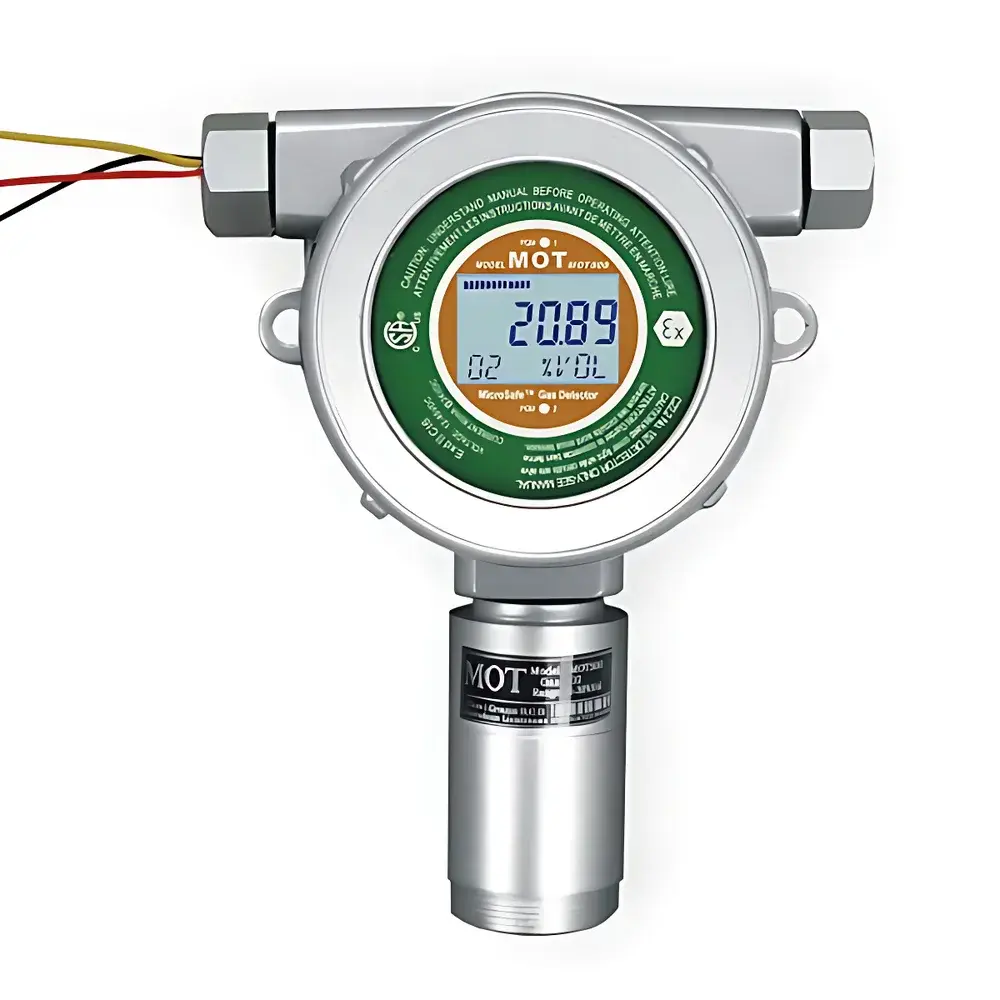
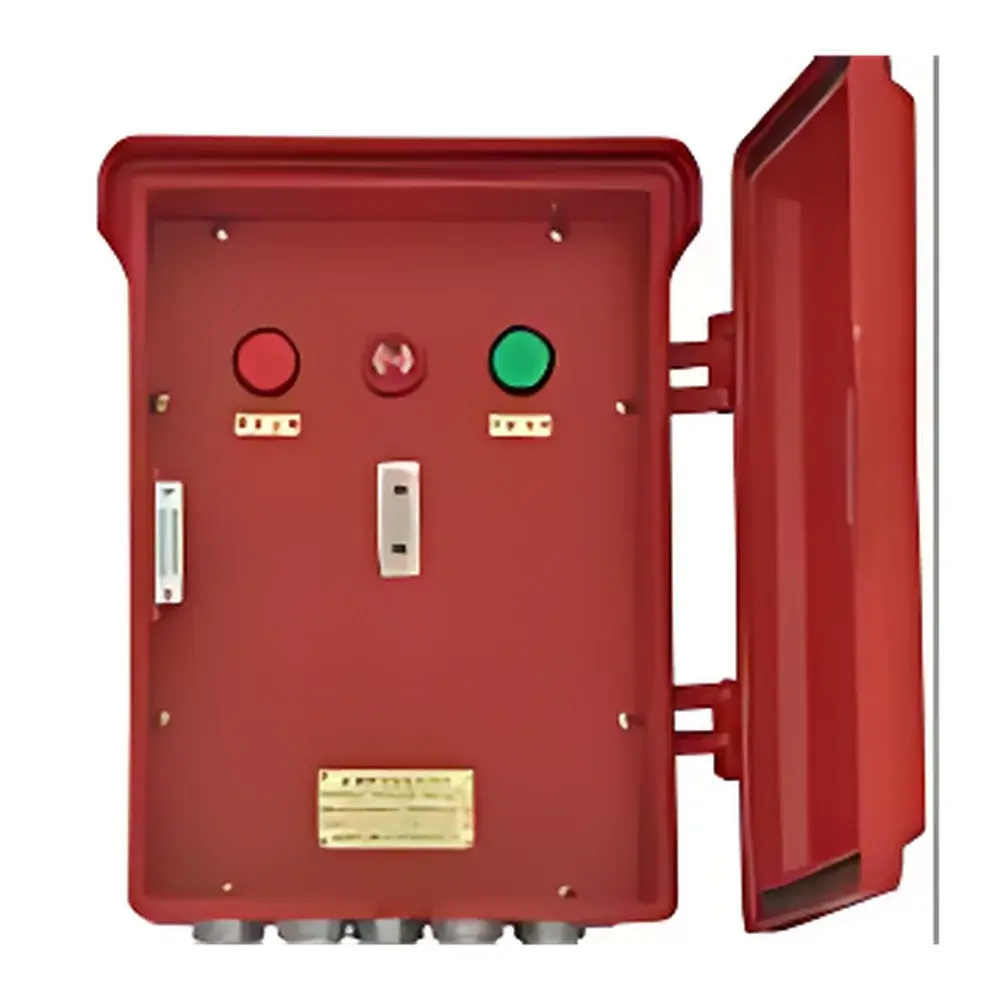
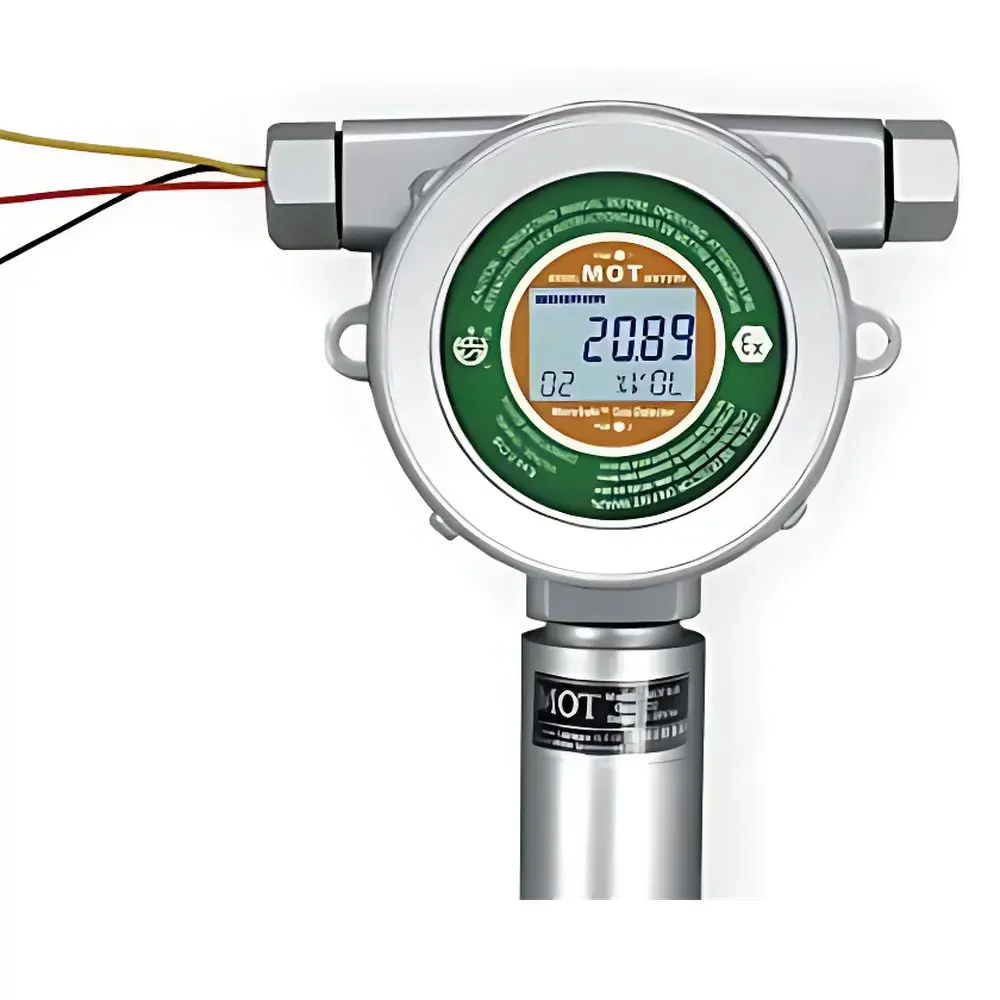
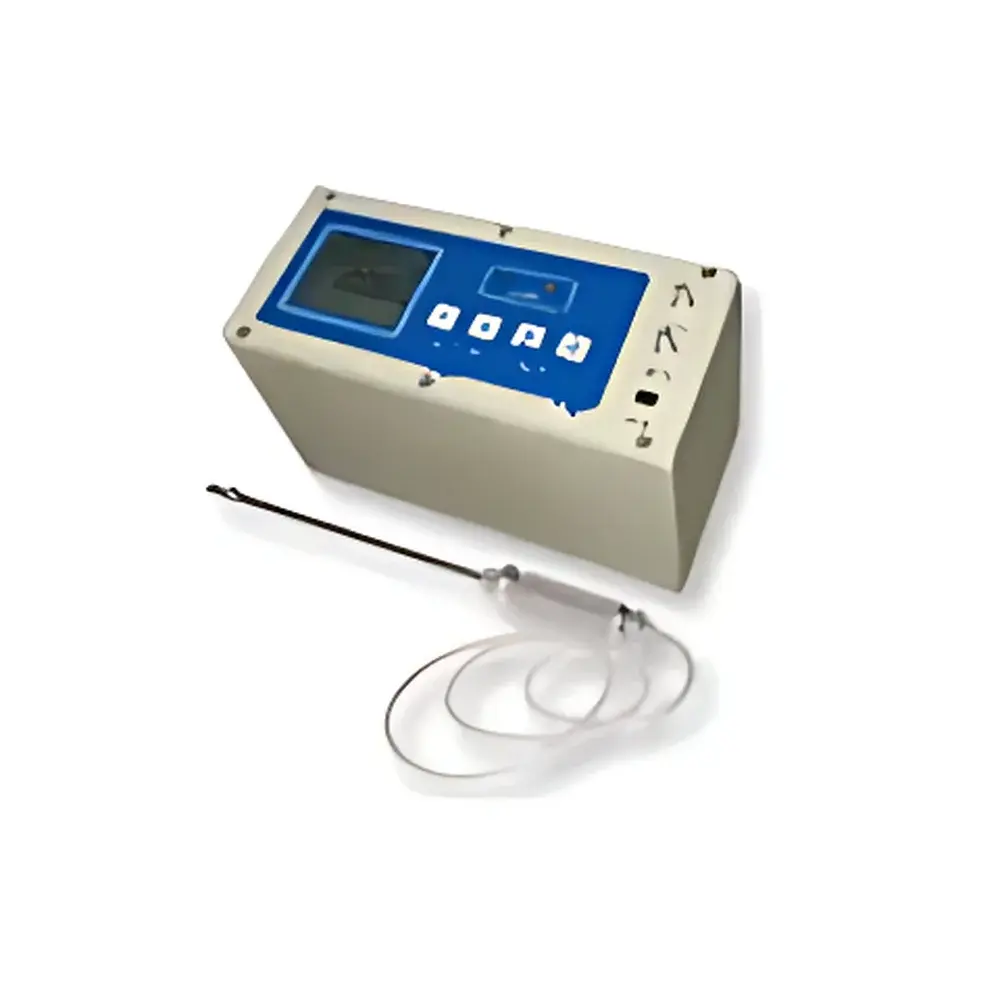
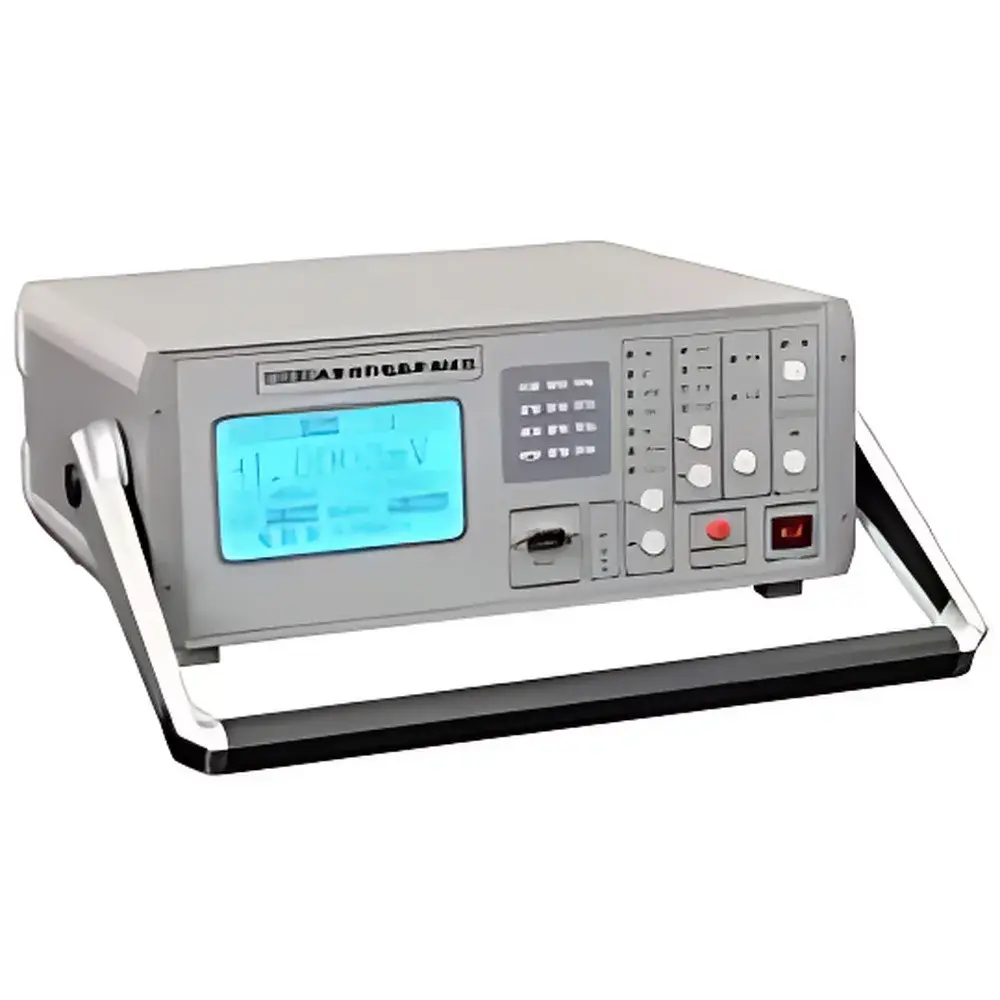
HengaoDe HA500-BF3 Online Boron Trifluoride (BF₃) Gas Detector with Imported Electrochemical Sensor
| Brand | HengaoDe |
|---|---|
| Model | HA500-BF3 |
| Detection Principle | Electrochemical |
| Target Gas | Boron Trifluoride (BF₃) |
| Measurement Range | 0–1 ppm or 0–10 ppm (selectable) |
| Resolution | 0.001 ppm (0–10 ppm range) |
| Accuracy | ≤±3% of actual concentration |
| Repeatability | ≤±1% |
| Zero Drift | ≤±1% F.S./year |
| Response Time (T90) | ≤20 s |
| Recovery Time | ≤20 s |
| Output Signals | 4–20 mA (2-wire), RS-485 (optional), Relay Outputs (2 × SPDT, 24 VDC/220 VAC, 3 A) |
| Explosion Protection | Ex d II CT6 (CNEx10.1807) |
| Ingress Protection | IP65 |
| Power Supply | 24 VDC (12–30 VDC) |
| Operating Temperature | –20 to +50 °C |
| Operating Humidity | ≤95% RH (non-condensing) |
| Housing Material | Die-cast aluminum, corrosion-resistant |
| Mounting Options | Wall-mount, pipe-mount (M45×1.5 mm thread), flow-through, or pump-suction |
| Dimensions | 170 × 140 × 80 mm |
| Weight | 1.5 kg |
Overview
The HengaoDe HA500-BF3 Online Boron Trifluoride (BF₃) Gas Detector is an industrial-grade, intrinsically safe continuous monitoring instrument engineered for reliable detection of boron trifluoride in hazardous process environments. Utilizing a high-stability imported electrochemical sensor, the device operates on the principle of amperometric gas sensing—where BF₃ diffuses across a selective membrane into an electrolyte cell, generating a current proportional to gas concentration. This measurement architecture ensures linear response, low cross-sensitivity to common interferents (e.g., NO₂, Cl₂, SO₂), and long-term baseline stability under continuous operation. Designed for integration into safety-critical infrastructure—including semiconductor fabrication cleanrooms, fluorination reaction units, catalyst handling systems, and specialty chemical synthesis lines—the HA500-BF3 complies with international functional safety expectations for toxic gas monitoring in Zone 1/21 classified areas. Its robust architecture supports uninterrupted deployment in ambient conditions ranging from –20 °C to +50 °C and humidity up to 95% RH, with optional particulate filtration for high-humidity or dusty installations.
Key Features
- Imported electrochemical BF₃ sensor with typical service life exceeding 36 months under normal operating conditions.
- Digital temperature compensation algorithm applied across full measurement span, minimizing thermal drift without manual recalibration.
- Modular sensor chamber design enables plug-and-play replacement; automatic recognition of sensor calibration coefficients and serial parameters via embedded EEPROM.
- Backlit multi-parameter LCD display showing real-time concentration (ppm), unit, operational status (e.g., “Normal”, “Alarm”, “Fault”), battery level (if applicable), and self-diagnostic flags.
- Configurable analog and digital outputs: isolated 4–20 mA loop (2-wire standard), RS-485 Modbus RTU protocol (addressable, up to 32 devices per bus), and dual relay outputs for local alarm actuation or interlock control.
- Integrated fault diagnostics including sensor open-circuit, short-circuit, and electrolyte dry-out detection, reported via display and output signals per IEC 61508 SIL 2-aligned logic.
- Front-panel three-button interface enabling zero calibration, span adjustment (with certified gas), and system reset—all performed by single operator without disassembly.
Sample Compatibility & Compliance
The HA500-BF3 is validated for direct sampling of ambient air, process vent streams, and purge gases containing BF₃ at trace levels. It accommodates diffusion-based passive sampling or active aspiration via integrated or external sampling pump (optional). The sensor exhibits negligible interference from CO, H₂, CH₄, and common hydrocarbons; however, strong oxidizers (e.g., ozone, chlorine) or reducing vapors (e.g., hydrazine, ammonia) may require site-specific cross-sensitivity evaluation. The instrument meets EN 60079-0 (explosive atmospheres — general requirements) and EN 60079-1 (flameproof enclosure “d”) standards. Its Ex d II CT6 certification (CNEx10.1807) confirms suitability for Group II C gas environments with autoignition temperature ≥85 °C. IP65-rated enclosure ensures protection against dust ingress and water jets. While not certified to ATEX Directive 2014/34/EU for EU market placement, documentation supports conformity assessment pathways under local regulatory frameworks requiring third-party verification.
Software & Data Management
Data acquisition and remote supervision are enabled through standardized industrial protocols. The RS-485 interface supports Modbus RTU for seamless integration with PLCs (Siemens S7, Allen-Bradley ControlLogix), DCS platforms (Yokogawa CENTUM VP, Honeywell Experion), and SCADA systems. When paired with an RS-232 converter and PC software (provided), users can log time-stamped concentration values, event timestamps (alarm activation/clearance), and diagnostic logs for audit trail generation. All stored data comply with ALCOA+ principles (Attributable, Legible, Contemporaneous, Original, Accurate, Complete, Consistent, Enduring, Available) when archived on secure network drives. Firmware updates are performed via UART interface using manufacturer-provided tools; version history and checksum validation ensure integrity. No cloud connectivity or proprietary cloud platform dependency is implemented—preserving data sovereignty and simplifying 21 CFR Part 11 compliance for regulated facilities.
Applications
- Semiconductor manufacturing: Real-time monitoring of BF₃ dopant gas delivery lines and abatement scrubber effluent.
- Pharmaceutical synthesis: Continuous surveillance during boron-mediated cross-coupling reactions (e.g., Suzuki, Chan–Lam).
- Specialty polymer production: Leak detection in BF₃ etherate catalyst storage and metering systems.
- Research laboratories: Safety interlock integration for glovebox atmospheres and fume hood exhaust ducts handling BF₃-containing reagents.
- Waste treatment facilities: Monitoring off-gas from neutralization of BF₃-contaminated aqueous waste streams.
FAQ
What is the recommended calibration frequency for the HA500-BF3?
Initial commissioning requires zero and span calibration using certified BF₃ standard gas (e.g., 50% of full scale). Subsequent calibration intervals depend on exposure severity: every 3 months for continuous high-concentration use (>50% FS), or semi-annually for intermittent low-level monitoring. Automatic zero tracking is disabled by default to preserve measurement integrity.
Can the sensor be exposed to condensation or liquid contact?
No. Direct liquid ingress will irreversibly damage the electrochemical cell. For humid environments (>90% RH), installation of a sintered stainless-steel particulate/moisture filter (part no. HA-FIL-01, optional) upstream of the inlet is mandatory.
Is the 4–20 mA output intrinsically safe?
The loop-powered 4–20 mA output is non-incendive (N.I.) rated per UL 913, but not intrinsically safe (I.S.) without an approved associated apparatus (e.g., Zener barrier or isolator) installed in the safe area. Refer to installation manual section 4.2 for approved barrier models.
Does the device support HART communication?
No. The analog output is conventional 4–20 mA only. HART capability is not implemented; digital communication is exclusively via RS-485 Modbus RTU.
What maintenance is required beyond calibration?
Annual visual inspection of O-rings, inlet filter (if fitted), and mounting hardware integrity. No routine electrolyte replenishment or electrode polishing is required—electrochemical sensors are sealed and non-serviceable in the field.




