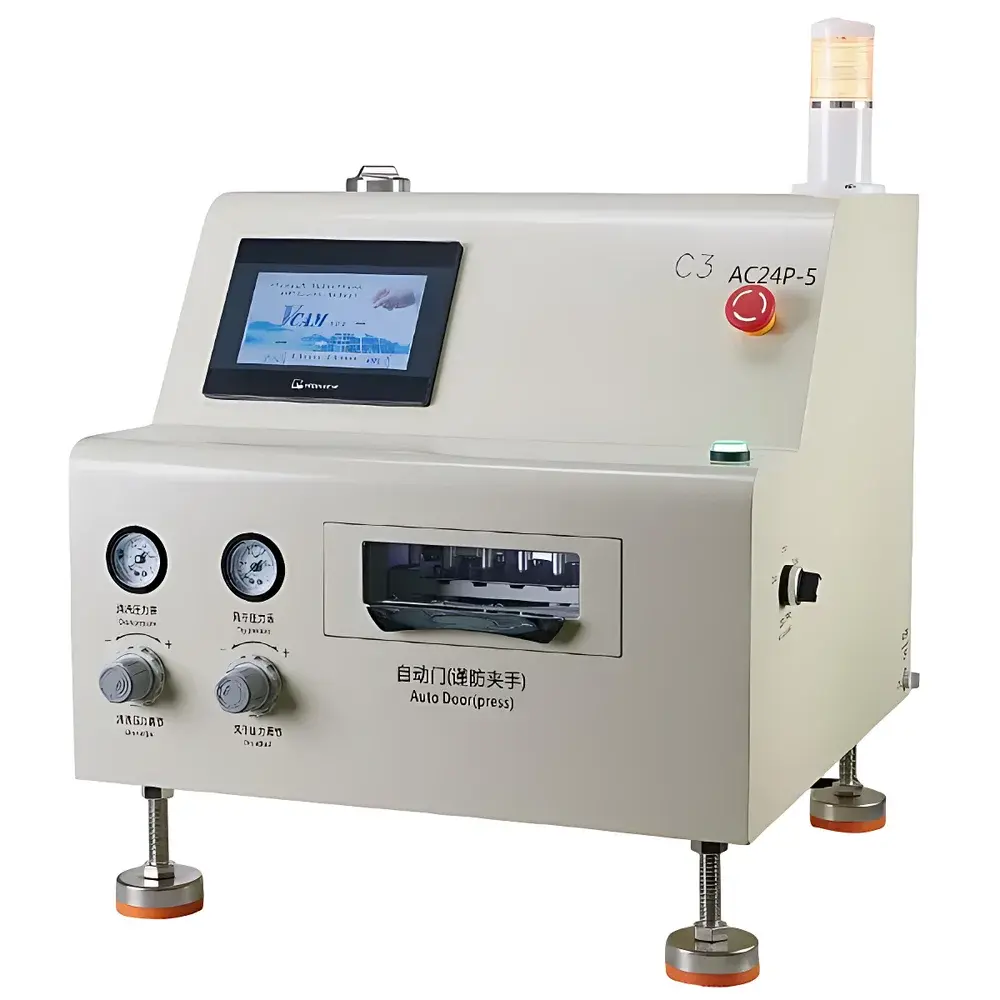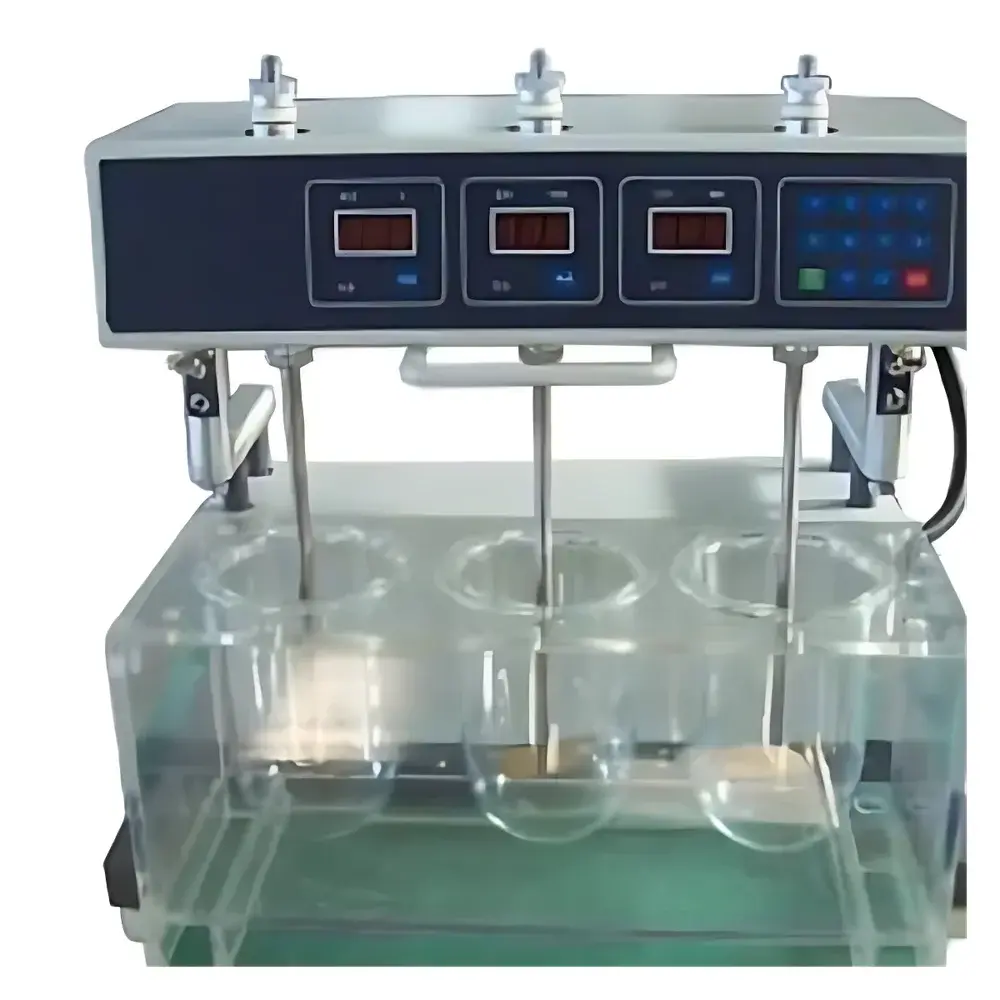
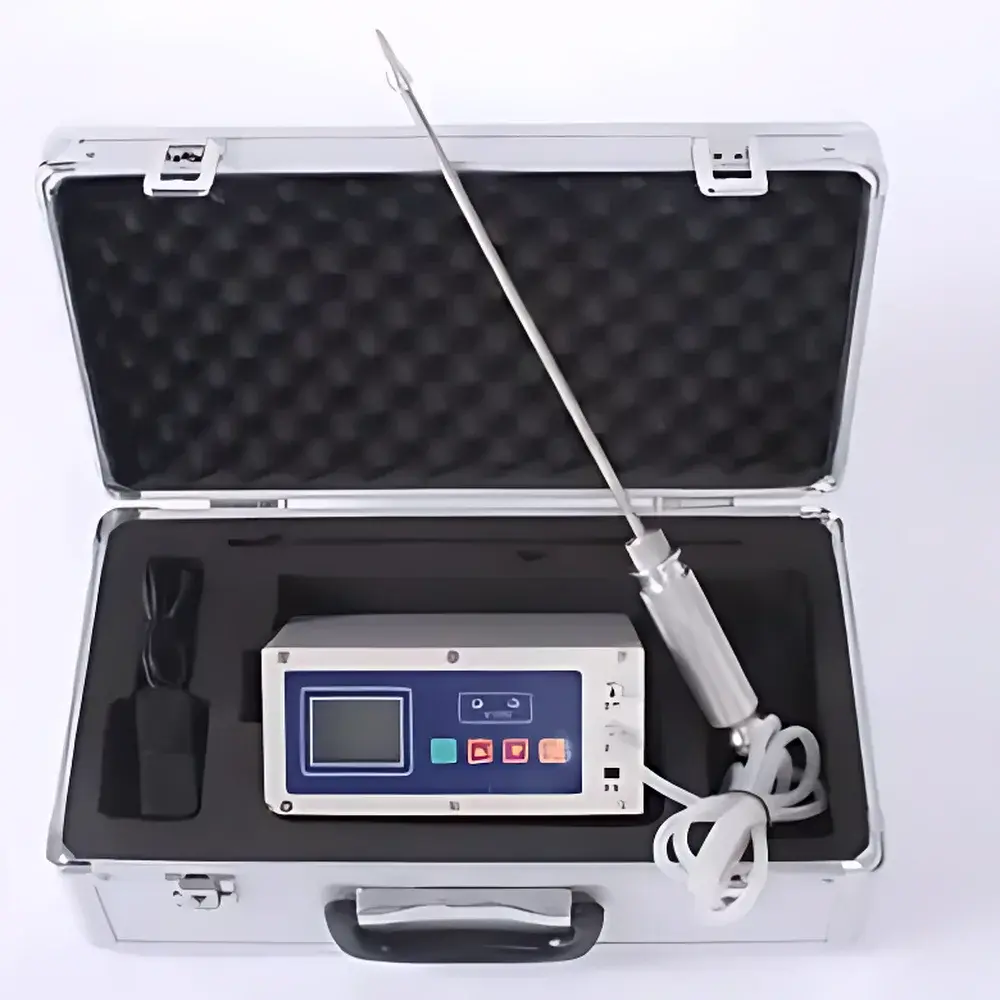
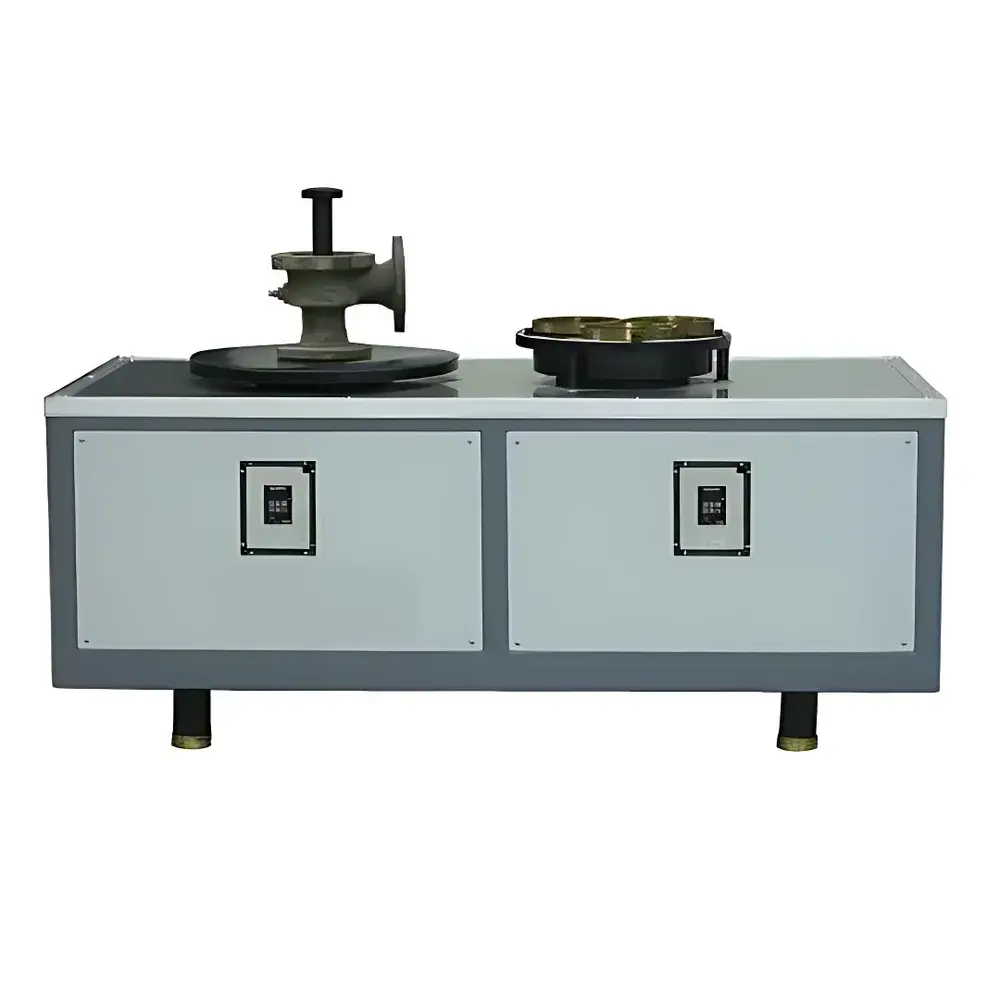
HengaoDe HADRC-3 Dissolution Tester Control & Electrical System
| Brand | HengaoDe |
|---|---|
| Origin | Beijing, China |
| Manufacturer Type | Authorized Distributor |
| Product Origin | Domestic (China) |
| Model | HADRC-3 |
| Price | USD 1.00 (Reference Only) |
Overview
The HengaoDe HADRC-3 Dissolution Tester Control & Electrical System is a modular, precision-engineered subsystem designed for integration into USP Apparatus I (basket) and Apparatus II (paddle) dissolution testing platforms. It implements microcontroller-based closed-loop control architecture to regulate critical operational parameters—including bath temperature, rotational speed, timing sequences, and mechanical actuation—ensuring compliance with pharmacopeial requirements for reproducible drug release profiling. The system operates on the principle of hydrodynamic consistency under standardized sink conditions, where dissolution media temperature stability and impeller motion fidelity directly impact mass transfer kinetics and assay validity. Its design adheres to the fundamental engineering constraints outlined in USP , EP 2.9.3, and JP 17, emphasizing thermal uniformity, rotational accuracy, and temporal repeatability across multi-vessel configurations.
Key Features
- Microprocessor-controlled temperature regulation with ±0.3 °C accuracy over 20–40 °C range, achieved via 1000 W immersion heater and PID feedback loop
- Precision motor drive system delivering ±2 RPM speed control across standard dissolution speeds (25–200 RPM), with radial runout limited to ±0.5 mm at paddle shaft
- 6-segment programmable timer supporting complex dissolution protocols; timing resolution ±0.5 min over 0–999 min range
- Integrated electrical architecture compliant with IEC 61000-4 electromagnetic compatibility standards; 220 V/50 Hz input, total power draw ≤1200 W
- Robust mechanical frame (55 × 32 × 48 cm) engineered for vibration damping and long-term operational stability (>24 h continuous duty)
- Modular component layout enabling field replacement of control board, power supply, sensor modules, and motor drivers without full system recalibration
Sample Compatibility & Compliance
The HADRC-3 control system supports standard USP-compliant dissolution vessels (1–2.5 L capacity), baskets (22–25 mm OD), and paddles (9.4–10.2 mm OD). Its thermal and mechanical specifications meet the minimum performance thresholds defined in USP for temperature uniformity (±0.5 °C across vessel array), rotational wobble (≤1.0 mm at 50 RPM), and positional repeatability (≤0.5 mm vertical alignment tolerance). While not itself a complete dissolution apparatus, this control and electrical module is validated for use in GMP environments when integrated into fully qualified systems. It supports audit trails compatible with FDA 21 CFR Part 11 requirements when paired with compliant data acquisition software, and its hardware architecture permits traceable calibration against NIST-traceable temperature and tachometric references.
Software & Data Management
The HADRC-3 operates as a deterministic real-time controller without embedded GUI or onboard data storage. It communicates via RS-232 or TTL-level serial interface to external host computers running validated dissolution data acquisition software (e.g., WinDiss, PC-DISS, or custom LabVIEW applications). All timing events, temperature setpoints, speed commands, and fault logs are timestamped and transmitted in ASCII protocol for integration into LIMS or electronic lab notebooks. Firmware supports firmware version reporting, self-diagnostic boot sequence, and configurable alarm thresholds for temperature deviation, motor stall, or heater open-circuit conditions. No proprietary drivers required; communication protocol documentation is provided per ISO/IEC 17025-compliant validation packages.
Applications
This control system is deployed in pharmaceutical QC laboratories for routine dissolution testing of immediate-release and modified-release solid oral dosage forms—including tablets, capsules, and granules—as specified in regulatory submissions (IND, NDA, ANDA). It enables method development studies requiring precise ramping of rotation speed or staged temperature profiles. In academic research settings, it supports mechanistic investigations of polymer erosion kinetics, pH-dependent release, and sink condition optimization. Its modularity also facilitates retrofitting of legacy dissolution equipment to meet current ICH Q5C stability testing guidelines, particularly where temperature cycling or extended-duration assays (>8 h) are required.
FAQ
Is the HADRC-3 certified to ISO 9001 or ISO 13485?
No—the HADRC-3 is supplied as a subsystem by an authorized distributor and does not carry standalone quality management system certification. Final system qualification must be performed by the end-user per ISO/IEC 17025 or ASTM E2500.
Can this controller operate USP Apparatus III (reciprocating cylinder)?
No—it is engineered exclusively for rotational motion control (Apparatus I/II) and lacks the linear actuation hardware and motion profile programming required for reciprocating systems.
What calibration documentation is included?
A factory calibration report is provided, listing verification points for temperature (at 25 °C, 37 °C, and 40 °C), speed (at 50 RPM and 100 RPM), and timer accuracy (at 10 min and 60 min). NIST-traceable certificates require third-party metrology services.
Does the system support 21 CFR Part 11 electronic signatures?
Not natively—the HADRC-3 has no user interface or authentication layer. Compliance is achieved only through integration with validated external software that implements role-based access control, audit trail generation, and digital signature workflows.
What is the expected service life of the control board under continuous operation?
Based on component derating analysis and thermal stress modeling, the PCB assembly maintains functional integrity for ≥5 years at 24/7 operation within specified ambient conditions (20–30 °C, <60% RH).