
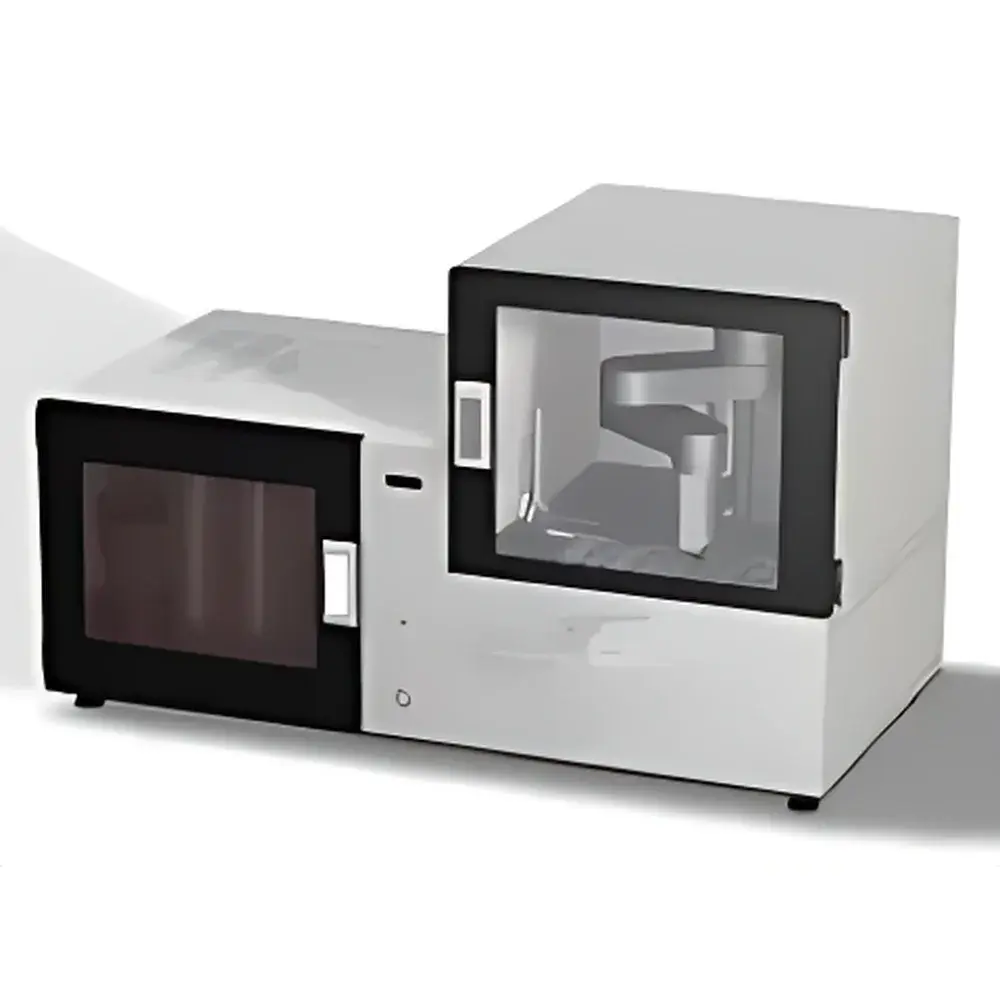
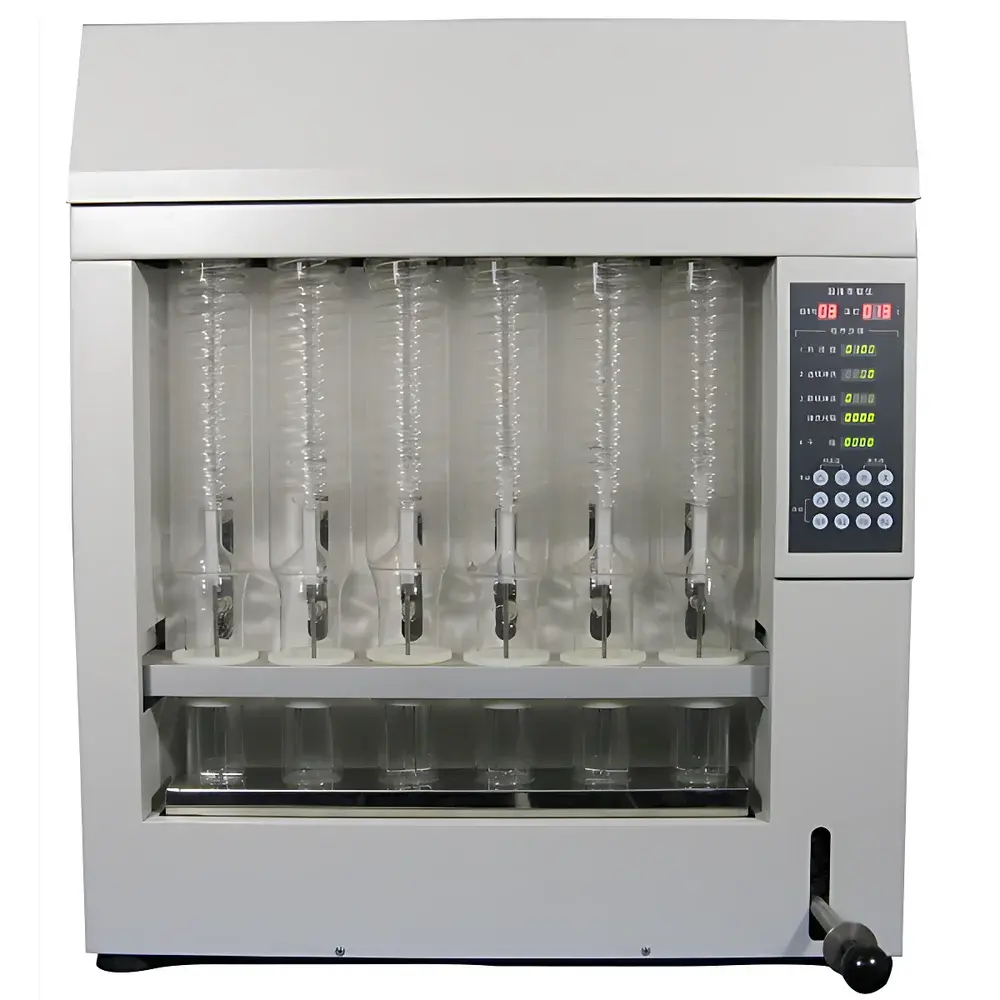
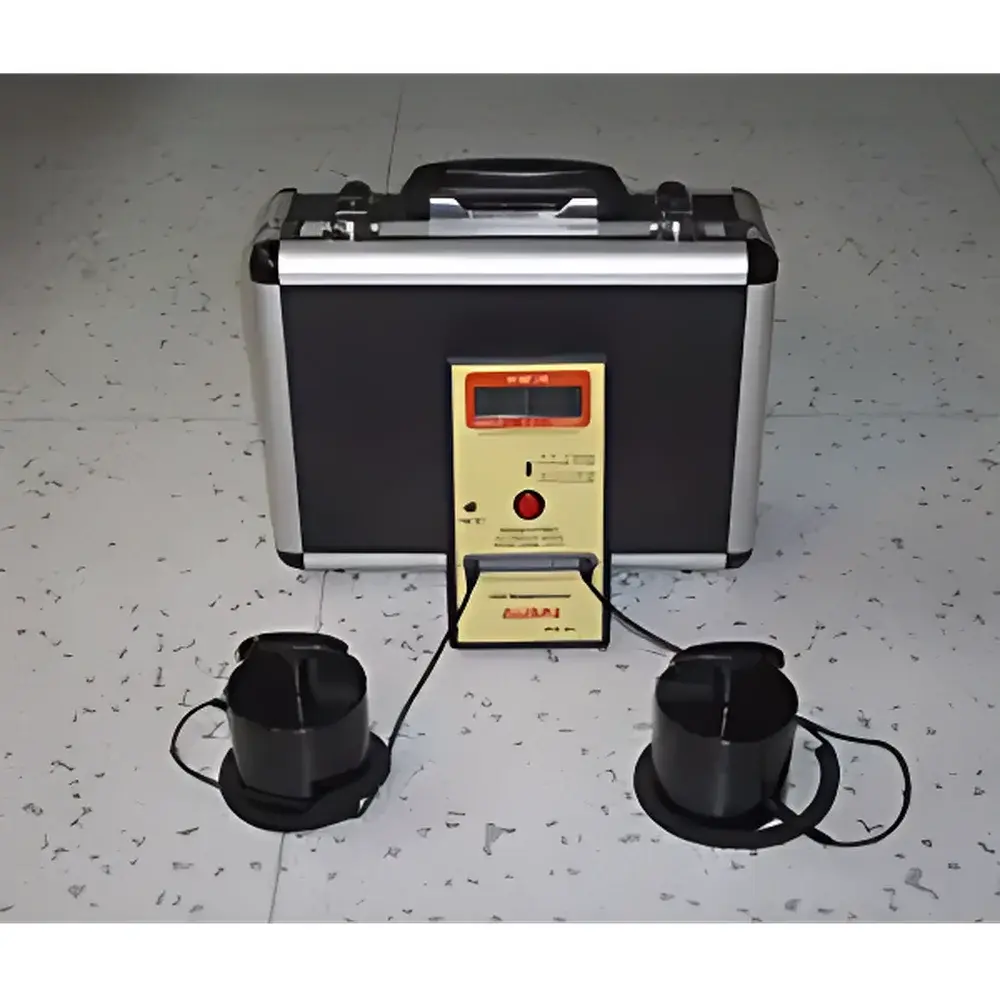
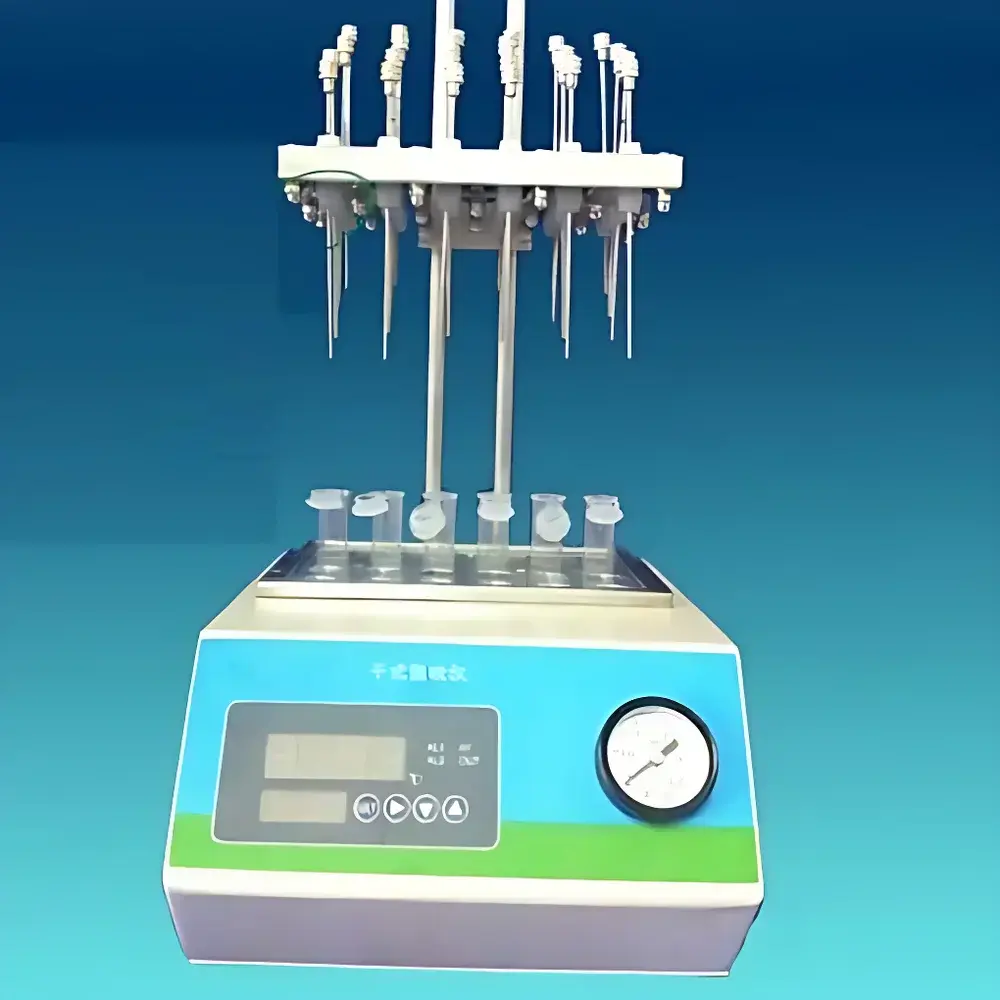
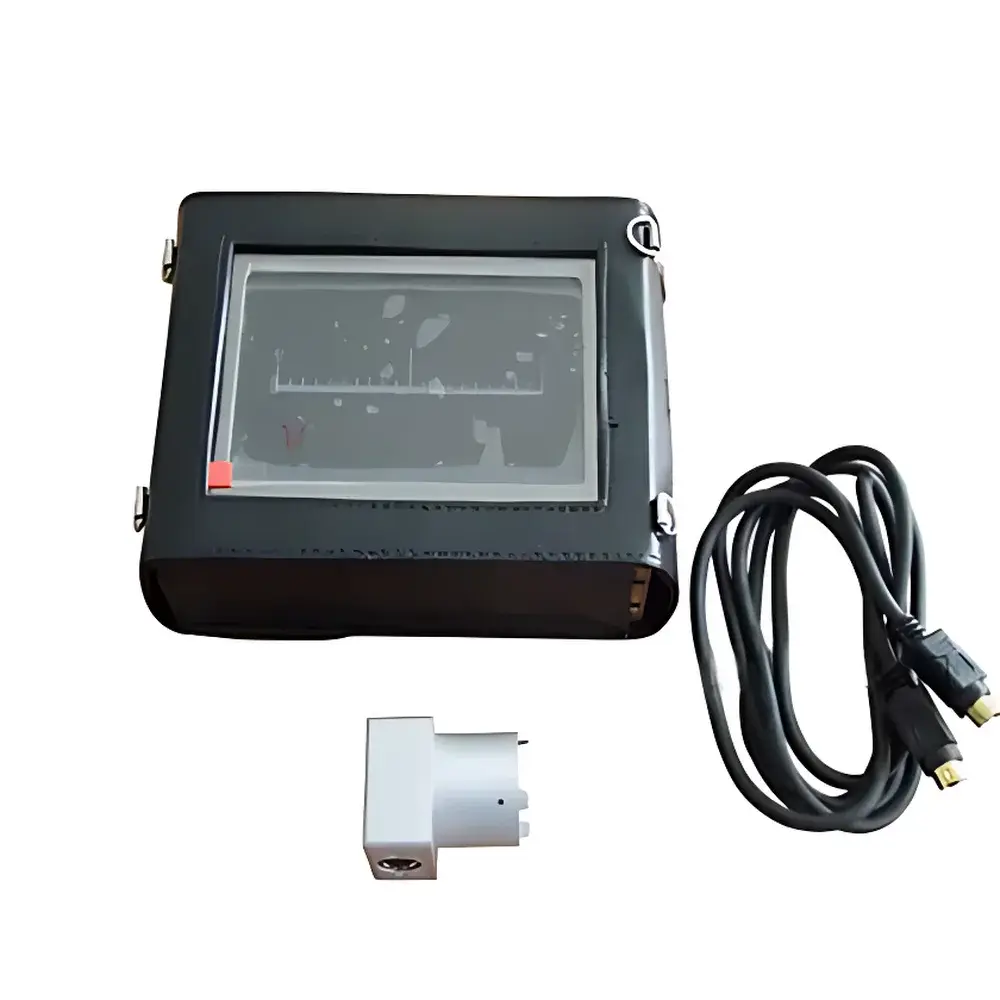
HengaoDe HAD-S220 Automated Coulometric Sulfur Analyzer for Total Sulfur in Coal — Compliant with GB/T 214-2007, ASTM D3177 & ISO 16994
| Brand | HengaoDe |
|---|---|
| Origin | Beijing, China |
| Manufacturer Type | Authorized Distributor |
| Country of Origin | China |
| Model | HAD-S220 |
| Price | USD 1,380 (FOB Beijing) |
| Sample Capacity | 25 positions (expandable) |
| Sulfur Range | 0.01–40 wt% |
| Resolution | 0.001 wt% |
| Sample Mass | 45–55 mg (coal), 80–100 mg (oil) |
| Combustion Temperature | 1150 °C (coal), 920 °C (oil) |
| Temperature Control Accuracy | ±1 °C |
| Power Consumption | <3 kW |
| Dimensions (W×D×H) | 1100×550×675 mm |
| Weight | 60 kg |
Overview
The HengaoDe HAD-S220 is an automated coulometric sulfur analyzer engineered for precise, high-throughput determination of total sulfur content in solid fuels—primarily coal, coke, and solid biomass—according to the gravimetric-coulometric principle defined in GB/T 214-2007. The instrument operates on controlled high-temperature combustion (up to 1150 °C) in a purified oxygen stream, converting all sulfur species (organic, inorganic, sulfate) into sulfur dioxide (SO₂). The evolved SO₂ is carried by a calibrated gas flow into a titration cell containing an iodide–triiodide redox couple. Electrolytic generation of iodine quantitatively oxidizes SO₂, and the integrated coulometer measures the total charge (in coulombs) required to restore the original electrolyte composition. This charge is linearly proportional to sulfur mass via Faraday’s law, enabling trace-level quantification down to 0.001 wt% with metrological traceability. The system satisfies equivalency requirements of ASTM D3177 (Standard Test Method for Total Sulfur in Coal and Coke), ISO 16994:2015 (Solid biofuels — Determination of sulfur and chlorine), and supports method validation under GLP-compliant laboratory environments.
Key Features
- Fully automated sample handling: Robotic gripper arm with multi-stage vibration-damping delivery ensures zero sample drop or jamming; accommodates up to 25 crucibles per run (expandable via modular carousel)
- Integrated tungsten trioxide (WO₃) dosing: Precise, uniform catalyst dispensing eliminates manual weighing and improves reproducibility across heterogeneous matrices
- Digital mass flow control: Real-time display and closed-loop regulation of carrier gas (O₂ or air) at 0.5–1.5 L/min, ensuring stoichiometric combustion and consistent SO₂ transport
- High-stability electrolytic cell: Large-surface-area platinum electrodes and optimized electrolyte volume deliver exceptional repeatability (RSD < 0.8% at 1.5 wt% S) and long-term drift stability (< ±1.5% F.S./24 h)
- Self-diagnostic firmware: Boot-up system check identifies electrode contamination, electrolyte depletion, gas leakage, or thermal fault; displays actionable error codes and maintenance prompts
- Modular dry gas management: High-capacity desiccant column (silica gel + CaSO₄) extends service intervals; inlet filtration (0.2 µm PTFE membrane) prevents particulate ingress
- Interfacing capability: RS232/USB connectivity enables bidirectional communication with external analytical balances and integration into LIMS via open ODBC-compliant database schema
Sample Compatibility & Compliance
The HAD-S220 accepts standard GB/T 214-compliant ceramic crucibles (Φ14 mm × 14 mm) and accommodates sample masses ranging from 45–55 mg (bituminous/anthracite coal) to 80–100 mg (petroleum coke or heavy fuel oil residues). It supports heterogeneous solids including pulverized coal, biomass pellets, fly ash, and desulfurized sorbents. All operational parameters—including combustion temperature ramp profiles, gas flow setpoints, and electrolysis current limits—are programmable and auditable. The analyzer meets functional equivalence to ISO/IEC 17025:2017 clause 7.2.2 (method validation) and supports full compliance documentation for regulatory submissions under China’s CNAS accreditation framework. Optional 21 CFR Part 11-compliant software modules provide electronic signatures, audit trails, and data integrity controls for pharmaceutical-grade fuel testing laboratories.
Software & Data Management
The embedded Windows-based control software (v3.2+) provides real-time monitoring of combustion temperature, SO₂ signal amplitude, electrolysis current, and coulombic积分 accumulation. Each analysis generates a timestamped report containing raw coulomb count, calculated sulfur mass %, relative standard deviation (RSD), calibration curve ID, operator ID, and QC flag status (e.g., “within control limits”, “drift correction applied”). Data export is supported in CSV, XML, and PDF formats. Database architecture allows concurrent access by up to 8 users; historical records are retained for ≥10 years with automatic backup to network drives. Software updates are delivered via secure HTTPS channel with SHA-256 signature verification.
Applications
- Quality assurance of thermal and coking coals in power plants and steel mills
- Compliance testing for sulfur emission trading schemes (e.g., China’s ETS Phase II, EU ETS Annex I fuels)
- R&D of low-sulfur alternative fuels including torrefied biomass and hydroprocessed bio-oils
- Environmental monitoring of coal combustion residues (CCRs) and flue gas desulfurization (FGD) gypsum
- Method transfer and cross-validation between ASTM D3177, ISO 16994, and GB/T 214 laboratories
FAQ
Does the HAD-S220 require daily recalibration?
No. The coulometric principle is inherently absolute—calibration is performed once per batch using certified reference materials (e.g., NIST SRM 1632e coal); no routine standardization is needed between samples.
Can the instrument analyze liquid fuels such as diesel or residual oil?
Yes. With optional quartz boat support and modified combustion protocol (920 °C, reduced O₂ flow), it achieves accurate sulfur quantification in petroleum-derived liquids per GB/T 11140 and ASTM D5453.
What maintenance intervals are recommended for the electrolytic cell?
Electrolyte replacement every 150–200 analyses; platinum electrode polishing every 6 months or after 1,000 runs; WO₃ dispenser cleaning after each 500-sample batch.
Is remote diagnostics supported?
Yes. Via optional Ethernet module, engineers can initiate secure remote session for firmware troubleshooting, parameter optimization, and log file retrieval—subject to customer-configured firewall rules.
How is compliance with ISO 17025 documented?
The instrument includes a built-in validation kit (certified coal CRM, blank crucibles, gas flow calibrator) and generates IQ/OQ/PQ checklists compliant with ILAC-G8:2022 requirements for in-house method verification.







