
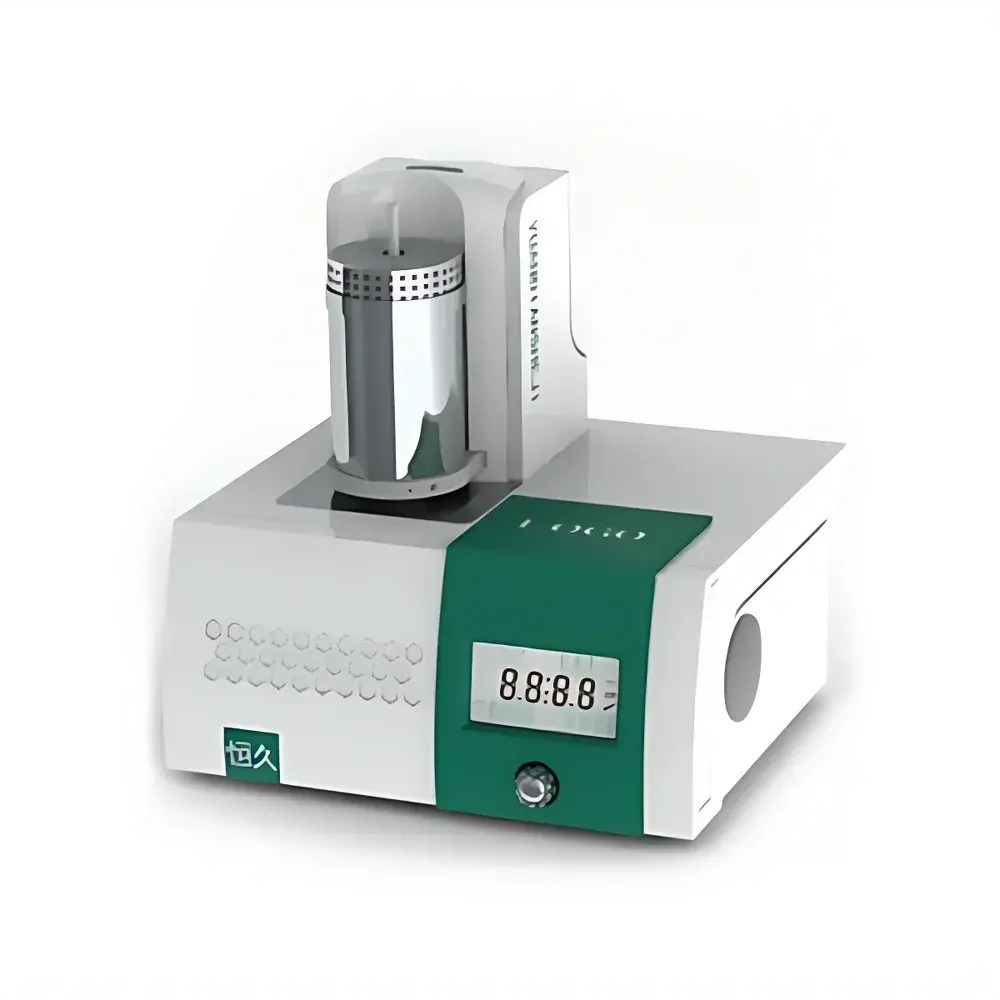
Henven HQC Automated Differential Thermal Analyzer
| Brand | Henven |
|---|---|
| Origin | Beijing, China |
| Manufacturer Type | Manufacturer |
| Origin Category | Domestic |
| Model | HQC |
| Measurement Mode | DTA |
| Temperature Range | RT–1150°C / 1250°C / 1450°C / 1550°C (configurable) |
| Temperature Accuracy | ±0.1°C |
| Temperature Stability | ±0.1°C |
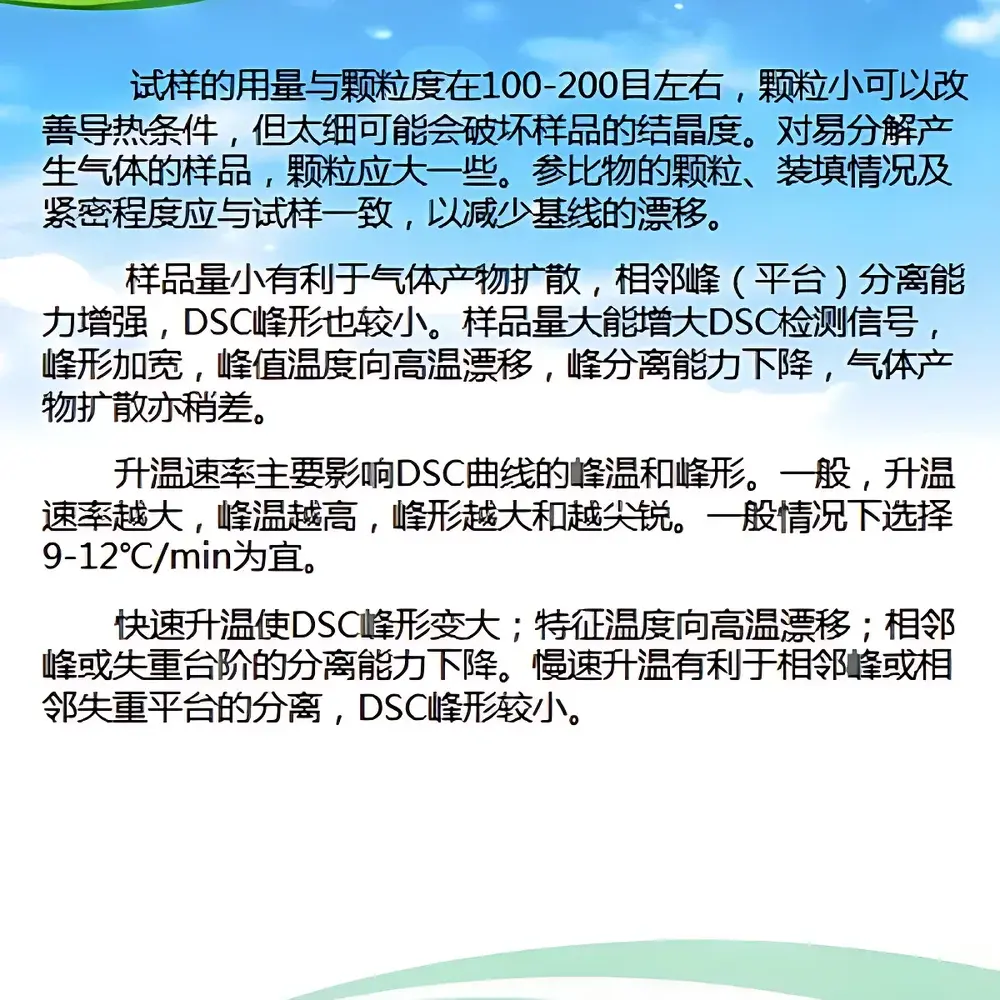
| Heating/Cooling Rate | 0.1–100°C/min |
| Programmable Control | Isothermal hold (up to 72 h), ramp, step-cooling |
| DTA Signal Range | ±10 µV to ±2000 µV (auto-ranging) |
| DTA Resolution | 0.01 µV |
| DTA Noise Level | <0.01 µV |
| DSC Range | ±1 mW to ±500 mW |
| DSC Precision | ±0.1 µW |
| Atmosphere Control | Dual-channel MFC-controlled gas system (corrosion-resistant options available) |
| Vacuum Option | 2.5×10⁻² Pa (with optional vacuum unit) |
| Standard Crucibles | Al₂O₃ (0.06 mL or 0.12 mL) |
| Optional Crucibles | Aluminum, graphite, quartz, platinum |
| Interface | Integrated LCD display with dual thermocouples (furnace + sample) |
| Software Features | Oxidation Induction Time (OIT) analysis, crystallization kinetics modeling, step-cooling curve generation, enthalpy integration, activation energy calculation (multiple algorithms), Tg determination, Cp calibration via reference standards (In, Sn, Pb) |
Overview
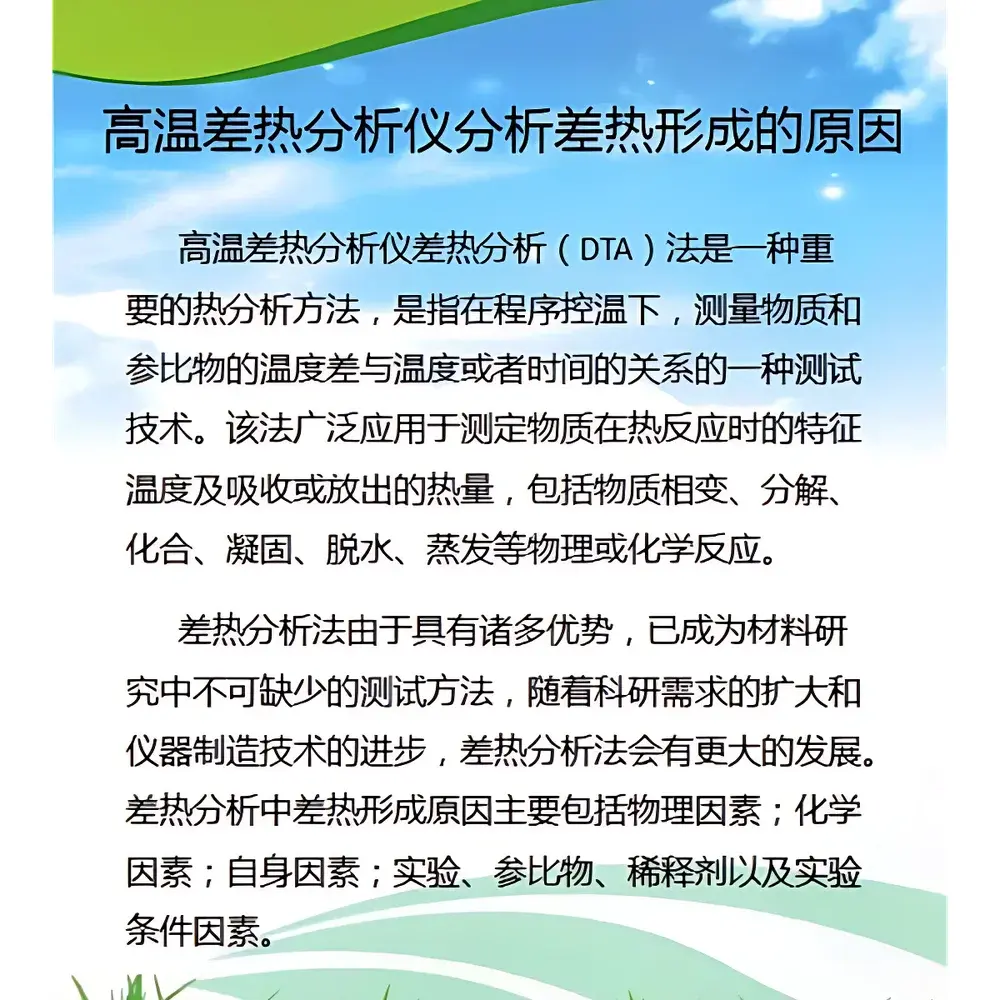
The Henven HQC Automated Differential Thermal Analyzer (DTA) is an engineered thermal analysis platform designed for precise, reproducible measurement of temperature differentials between a sample and inert reference material under controlled thermal programs. Operating on the fundamental principle of differential thermal analysis—where exothermic or endothermic transitions manifest as voltage signals proportional to ΔT—the HQC delivers high-fidelity data for characterizing phase transitions, reaction enthalpies, thermal stability, and kinetic behavior across a broad operational range. With configurable furnace modules supporting maximum temperatures up to 1550°C, the instrument meets demanding requirements in metallurgy, advanced ceramics, refractory materials, and high-temperature polymer research. Its dual thermocouple architecture—separately monitoring furnace ambient and sample-specific temperature—ensures traceable thermal referencing independent of heating state, while auto-ranging signal acquisition (±10 µV to ±2000 µV) preserves resolution across weak and strong thermal events without manual gain adjustment.
Key Features
- Automated lift-and-lock furnace mechanism ensuring repeatable sample positioning and minimized thermal contact variability
- Integrated dual-channel mass flow controller (MFC) system enabling precise, programmable atmosphere switching (e.g., N₂ → O₂) during dynamic runs; corrosion-resistant gas path variants available for H₂S, Cl₂, HF, or SO₂ environments
- High-stability temperature control: ±0.1°C accuracy and ±0.1°C short-term fluctuation over full range; isothermal holds supported up to 72 hours at any setpoint
- Programmable thermal profiles including linear ramps (0.1–100°C/min), multi-step isotherms, and custom step-cooling sequences for solidification studies
- Real-time 7-inch LCD interface displaying furnace temperature, sample temperature, gas flow status, vacuum level (if equipped), and live DTA/DSC signal
- Auto-calibration support using certified reference materials (In, Sn, Pb) for both temperature and energy scale validation per ISO 11357 and ASTM E794 guidelines
- Modular hardware design accommodating optional accessories: vacuum unit (2.5×10⁻² Pa), GC/MS transfer line with active heating zone (RT–200°C), and temperature-controlled sample loading chamber
Sample Compatibility & Compliance
The HQC accommodates diverse sample forms—including powders, granules, thin films, and bulk solids—within crucibles fabricated from alumina (standard), aluminum, graphite, quartz, or platinum, each selected for chemical compatibility and thermal inertia optimization. The system supports GLP/GMP-aligned workflows through audit-trail-enabled software, electronic signature capability, and data integrity features compliant with FDA 21 CFR Part 11 when deployed with validated configurations. All thermal protocols adhere to internationally recognized standards including ISO 11357 (DSC/DTA), ASTM E1269 (heat capacity), ASTM E1356 (glass transition), and ASTM D3895 (oxidative induction time). Optional vacuum operation enables inert or reducing atmospheres critical for oxide-free metal oxidation studies and volatile decomposition analysis.
Software & Data Management
Embedded firmware and PC-based analysis suite provide end-to-end experimental control and post-processing. The software supports automated baseline correction, peak deconvolution, enthalpy integration (with user-defined baselines), crystallization kinetics modeling (Avrami, Ozawa, Kissinger methods), and comparative analysis across multiple runs. Oxidation Induction Time (OIT) modules follow ASTM D3895 and ISO 11357-6 protocols, generating statistically robust onset and endpoint determinations. Step-cooling curves are rendered with real-time slope analysis for nucleation rate estimation. All raw data (time, temperature, signal, gas flow, vacuum) are saved in vendor-neutral ASCII format with metadata headers, facilitating third-party import into MATLAB, Origin, or Python-based analytical pipelines. Custom algorithm integration is supported via documented API—users may supply mathematical models (e.g., Johnson-Mehl-Avrami-Kolmogorov equations) for embedded implementation upon request.
Applications
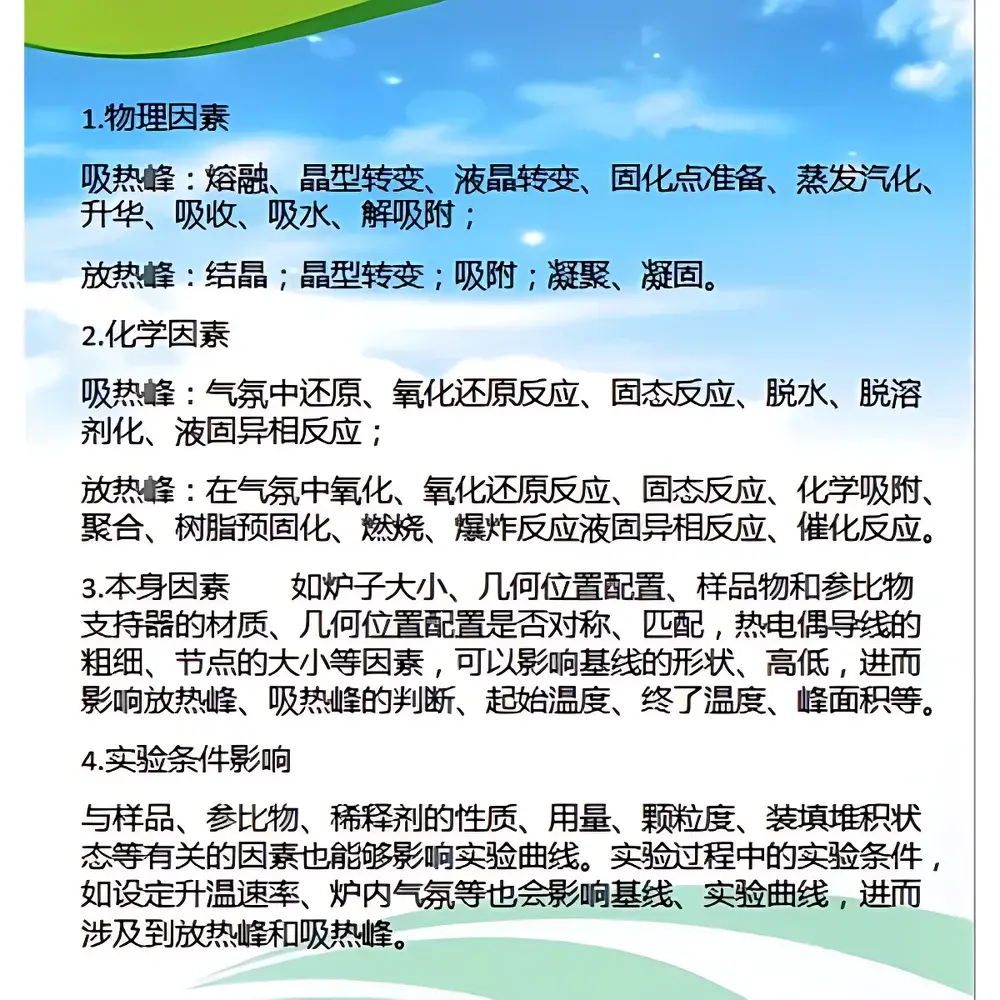
- Determination of melting point, crystallization temperature, glass transition (Tg), and solid-solid phase transitions in polymers, pharmaceuticals, and composites
- Quantification of enthalpy changes associated with polymorphic transformations, curing reactions, and decomposition pathways
- Oxidative stability assessment of lubricants, elastomers, and bio-based materials via OIT testing under controlled oxygen partial pressure
- High-temperature sintering behavior and eutectic formation studies in ceramic and metallic systems (up to 1550°C)
- Thermal degradation kinetics modeling using multi-heating-rate methods (e.g., Flynn-Wall-Ozawa, Friedman)
- In-process validation of thermal history effects in additive manufacturing feedstocks and recycled polymer blends
FAQ
What temperature ranges are available for the HQC series?
The HQC is offered in four furnace configurations: HQC-1 (RT–1150°C), HQC-2 (RT–1250°C), HQC-3 (RT–1450°C), and HQC-4 (RT–1550°C), selectable at time of order based on application requirements.
Can the instrument operate under vacuum or reactive gas environments?
Yes—vacuum operation down to 2.5×10⁻² Pa is achievable with the optional vacuum unit; dual-MFC gas control supports inert, oxidative, reductive, or corrosive atmospheres, with chemically resistant wetted materials available upon specification.
How is temperature calibration performed?
Users perform routine calibration using certified pure metal standards (e.g., indium, tin, lead) following ISO 11357-1 procedures; the software guides multi-point verification of both temperature and enthalpy scales.
Is the system compatible with hyphenated techniques such as GC-MS?
Yes—the optional heated transfer line (RT–200°C) and GC/MS interface kit enable real-time evolved gas analysis (EGA); temperature-controlled zones prevent condensation and ensure quantitative gas-phase transfer.
Does the software support regulatory compliance for quality-controlled laboratories?
When deployed with validated installation qualification (IQ), operational qualification (OQ), and configured audit-trail settings, the system supports 21 CFR Part 11 compliance, including electronic signatures, user access controls, and immutable data archiving.



