
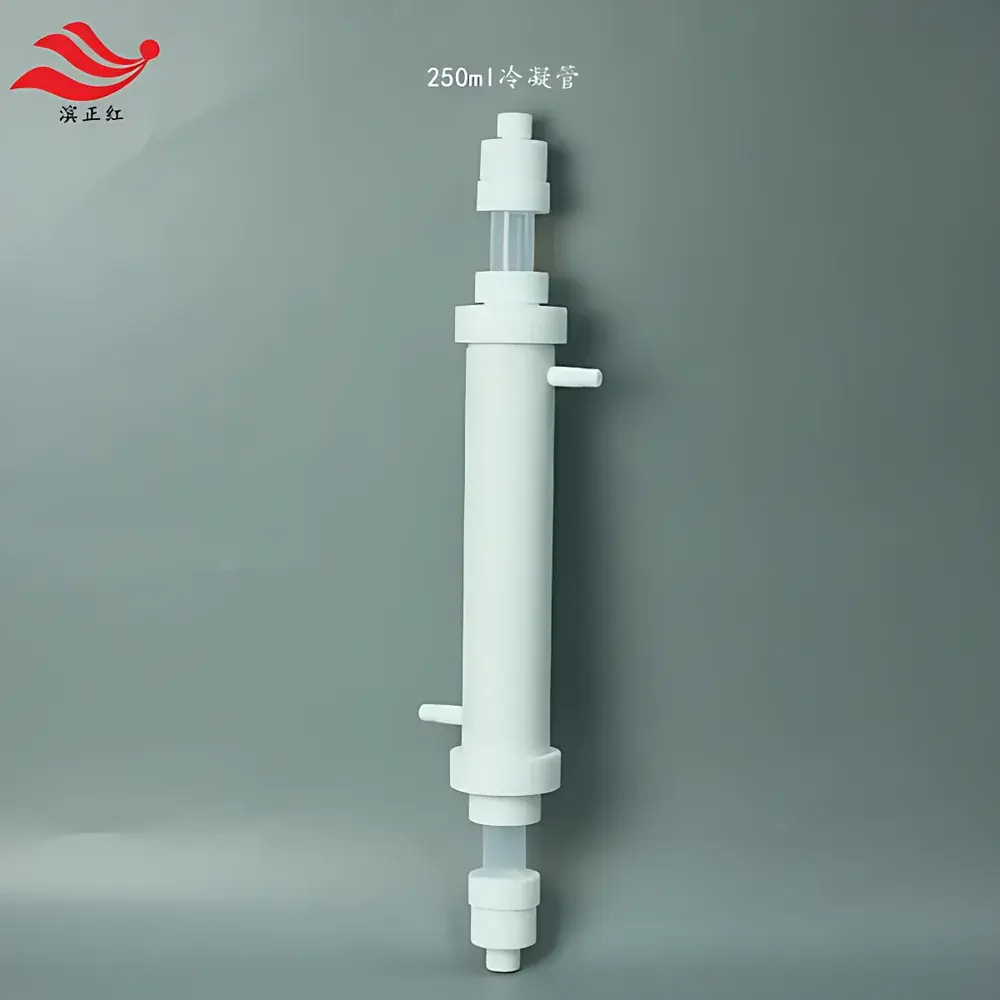
HF-Resistant Condensing Reflux Apparatus with PFA Components and Integrated Separation Function
| Brand | Binzhenghong |
|---|---|
| Model | HF-Reflux-250 / HF-Reflux-500 |
| Capacity | 250 mL / 500 mL |
| Construction | Fully Fluoropolymer (PFA & PTFE) Wetted Parts |
| Temperature Control Range | −20 °C to +150 °C |
| Heating/Cooling Type | Dual-mode Refrigerated/Heated Circulating Bath |
| Circulation | Internal Recirculation Only |
| Compliance | ASTM D4700, ISO 8573-1 (for inert gas compatibility), USP <661.2> (for fluoropolymer extractables) |
| Regulatory Suitability | GLP-compliant setup for HF handling under controlled ventilation |
Overview
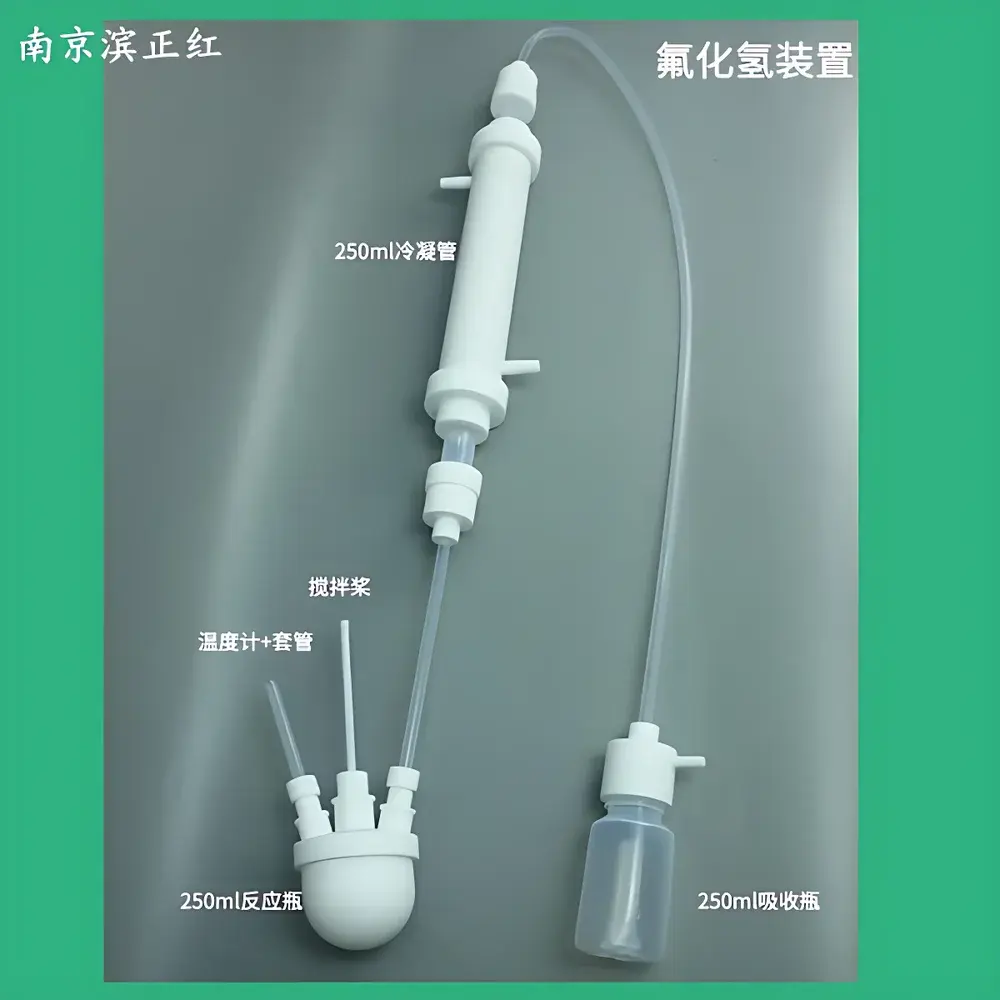
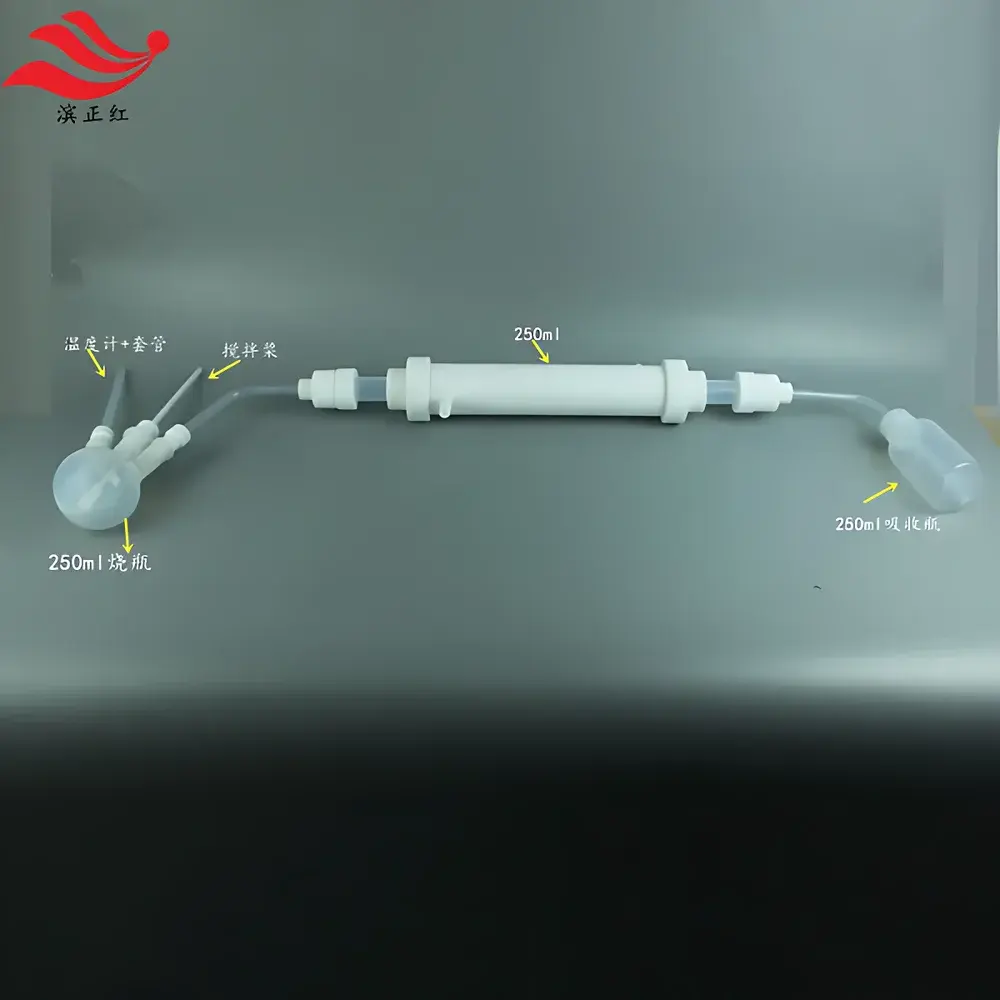
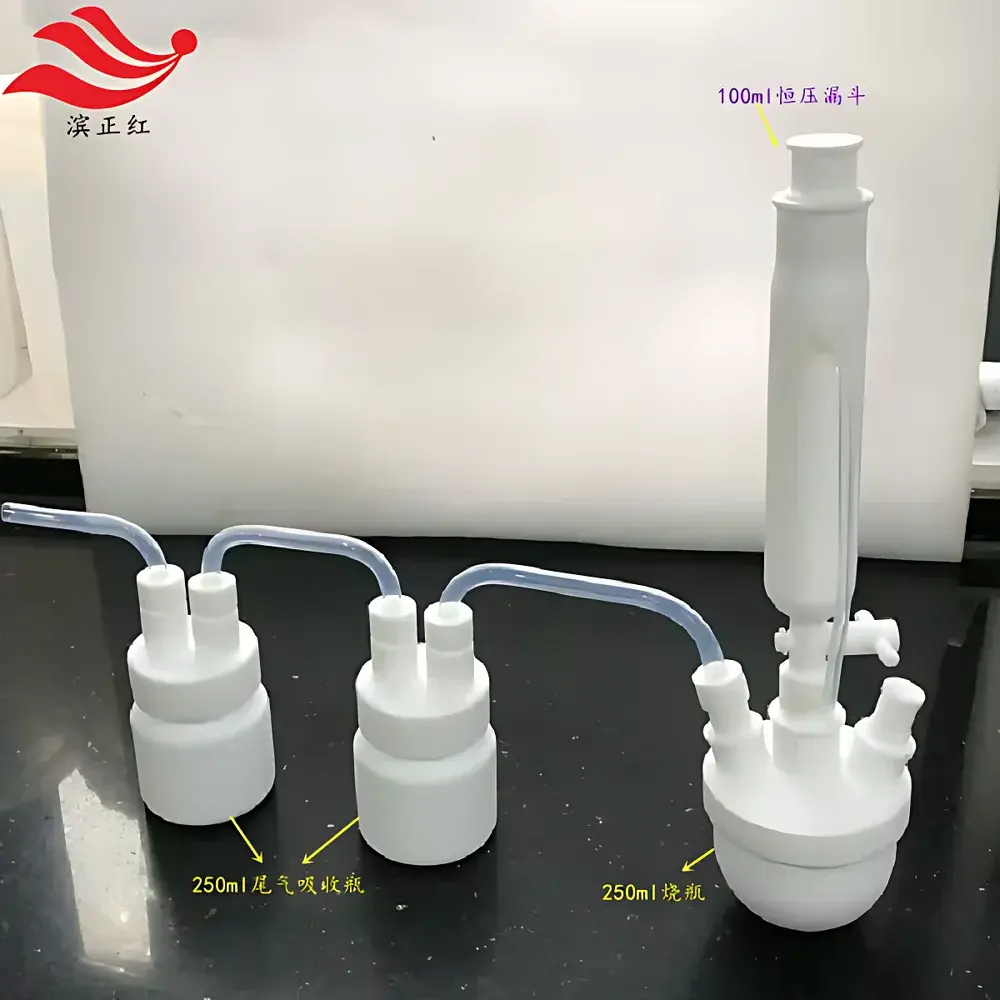
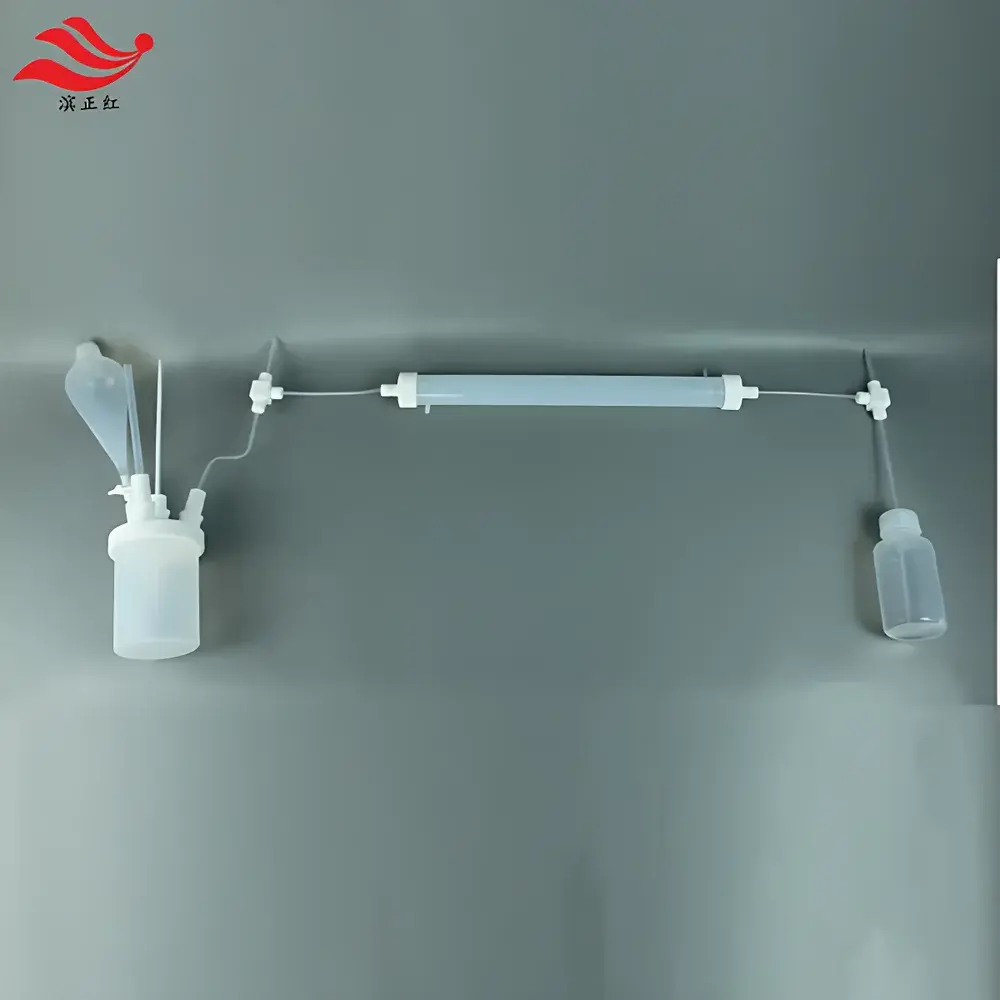
The HF-Resistant Condensing Reflux Apparatus is an engineered solution designed specifically for laboratory-scale synthesis, purification, and distillation of highly corrosive hydrofluoric acid (HF) and fluorinated compounds. Unlike conventional glass or stainless-steel systems, this apparatus integrates fully fluoropolymer components—including PFA-coated three-neck reaction flasks, PTFE stopcocks, PFA condensers, and a PFA constant-pressure dropping funnel—to ensure chemical inertness, thermal stability, and mechanical integrity across aggressive acidic environments. The system operates on the principle of controlled reflux condensation coupled with phase separation, enabling continuous removal of volatile byproducts while maintaining stoichiometric control in HF-mediated reactions such as fluorination, etching, or catalyst preparation. Its integration with a dual-mode refrigerated/heated circulating bath provides precise temperature regulation from −20 °C to +150 °C—critical for managing exothermic fluorination kinetics and preventing thermal runaway.
Key Features
- Fully fluorinated wetted path: All fluid-contact surfaces constructed from high-purity PFA (perfluoroalkoxy alkane) and PTFE, certified per USP for low extractables and minimal leachables in HF service.
- Modular three-neck PFA reaction flask (250 mL or 500 mL): Equipped with standardized 24/40 or 29/32 ground-glass joints; central neck accommodates calibrated Pt100 temperature probe with digital readout interface.
- Vertical PFA condenser with integrated coolant jacket: Designed for high-efficiency vapor condensation at sub-ambient temperatures; compatible with ethylene glycol/water or silicone oil circulation.
- PFA constant-pressure addition funnel: Enables controlled reagent dosing without pressure buildup; features precision PTFE stopcock and volume graduations traceable to NIST standards.
- Integrated PFA liquid–liquid separator: Facilitates real-time phase separation of aqueous HF-rich and organic product layers during reflux; includes drain valve with PTFE-sealed diaphragm actuation.
- Dual-function circulating bath: Refrigerated/heated internal recirculation system with ±0.1 °C temperature stability over full operating range; programmable ramp/soak profiles via RS-485 interface.
Sample Compatibility & Compliance
This apparatus is validated for use with anhydrous HF, aqueous HF (up to 49 wt%), fluorosulfonic acid, and chlorosulfonic acid—common reagents in pharmaceutical fluorination (e.g., [¹⁸F] labeling precursors), semiconductor etchant formulation, and specialty polymer synthesis. All fluoropolymer components meet ASTM D4700 requirements for chemical resistance testing in strong acids and are rated for continuous exposure at ≤150 °C. The system supports GLP-compliant documentation when paired with audit-trail-enabled temperature loggers (e.g., compliant with FDA 21 CFR Part 11 when connected to validated data acquisition software). It is not intended for use with oxidizing agents (e.g., nitric acid, perchloric acid) or alkaline media.
Software & Data Management
While the core apparatus is analog-operated for intrinsic safety in HF environments, the optional circulating bath controller supports external data logging via Modbus RTU or Ethernet/IP protocols. When interfaced with validated laboratory information management systems (LIMS), it enables timestamped temperature profile archiving, alarm event recording (e.g., overtemperature, low coolant level), and electronic signature capture for batch records. All firmware updates comply with IEC 62443-3-3 security requirements for industrial control systems. No cloud connectivity is embedded; data remains on-premise unless explicitly configured by the end user under institutional IT governance.
Applications
- Synthesis of fluorinated active pharmaceutical ingredients (APIs), including nucleophilic aromatic substitution and electrophilic fluorination under inert atmosphere.
- Purification of HF-sensitive metal fluorides (e.g., LiNi₀.₈Co₀.₁₅Al₀.₀₅Fₓ cathode precursors) via fractional distillation under reduced pressure.
- Preparation of fluorinated solvents (e.g., bis(fluoroethyl) ether) using HF-catalyzed dehydration pathways.
- Etchant recycling in microelectronics fabrication labs—recovering spent HF–NH₄F mixtures through selective condensation and phase separation.
- Method development for ASTM E3167-20 (Standard Practice for Handling Anhydrous Hydrogen Fluoride in Laboratories).
FAQ
Is this apparatus suitable for vacuum distillation?
Yes—when fitted with vacuum-rated PFA gaskets and connected to a chemically resistant vacuum pump (e.g., PTFE-diaphragm type), the system supports operation down to 10 mbar absolute pressure.
Can I replace individual PFA components if damaged?
All major assemblies—including condenser, funnel, separator, and flask—are available as standalone spare parts with serialized lot traceability and CoA documentation.
Does the circulating bath meet UL/CSA safety certification?
The bath unit carries ETL listing per UL 1275 and CSA C22.2 No. 61010-1, including protection against HF vapor ingress into electrical compartments.
What calibration services are available?
Binzhenghong offers NIST-traceable temperature sensor calibration (±0.05 °C uncertainty) and PFA component extractables testing per USP upon request.
How is HF exposure risk mitigated during maintenance?
The design incorporates double-contained drainage paths, dedicated HF-compatible decontamination ports, and alignment fixtures that prevent accidental disassembly under residual pressure.
Related Products



