
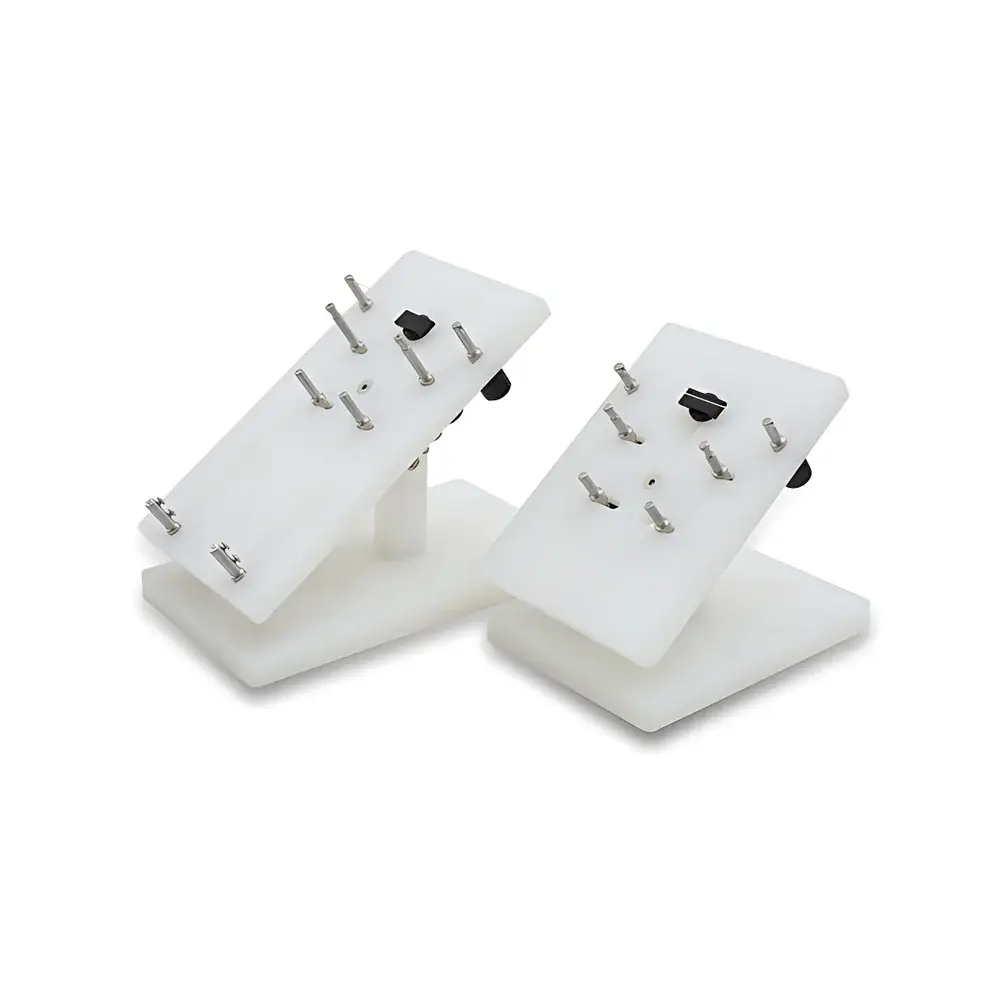
HRH-MAG4 Pulmonary Quantitative Aerosol Delivery System (Complete Kit)
| Brand | Huironghe |
|---|---|
| Origin | Beijing, China |
| Manufacturer Type | Authorized Distributor |
| Regional Classification | Domestic (China) |
| Model | HRH-MAG4 |
| Pricing | Available Upon Request |
Overview
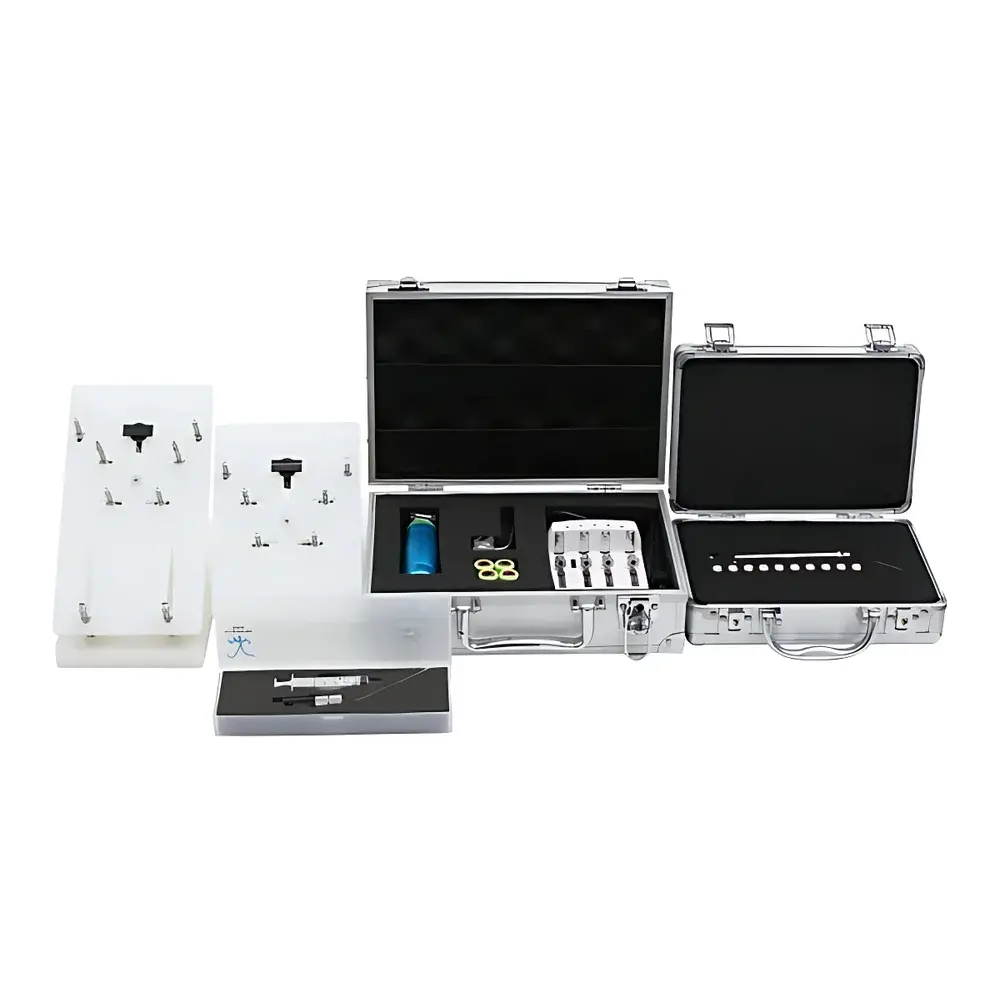
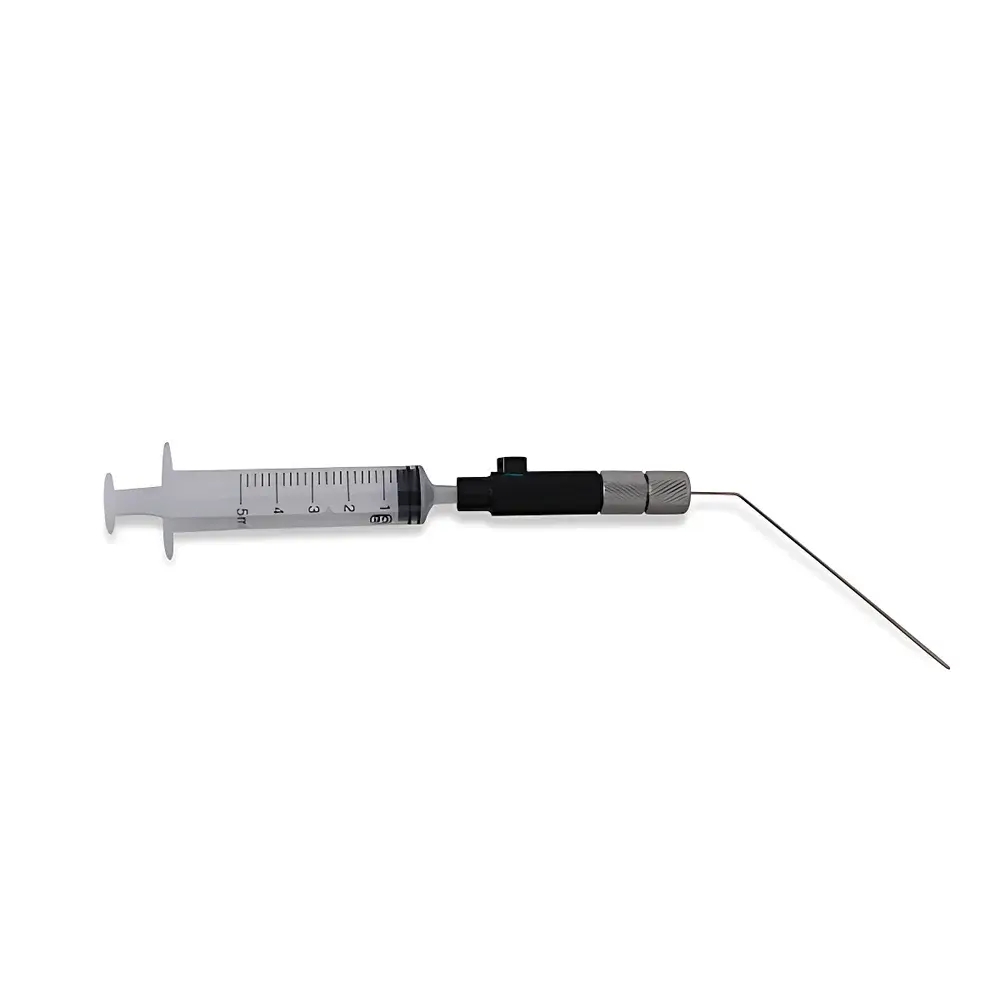
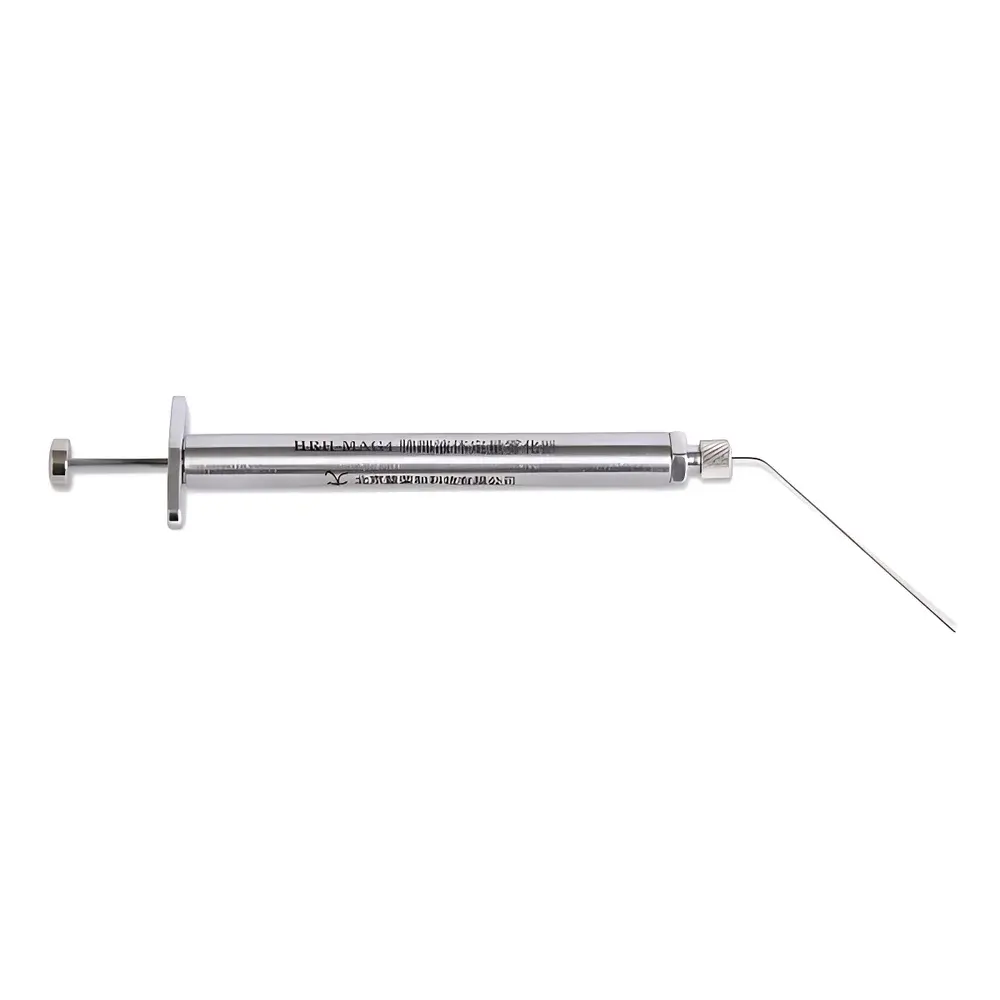
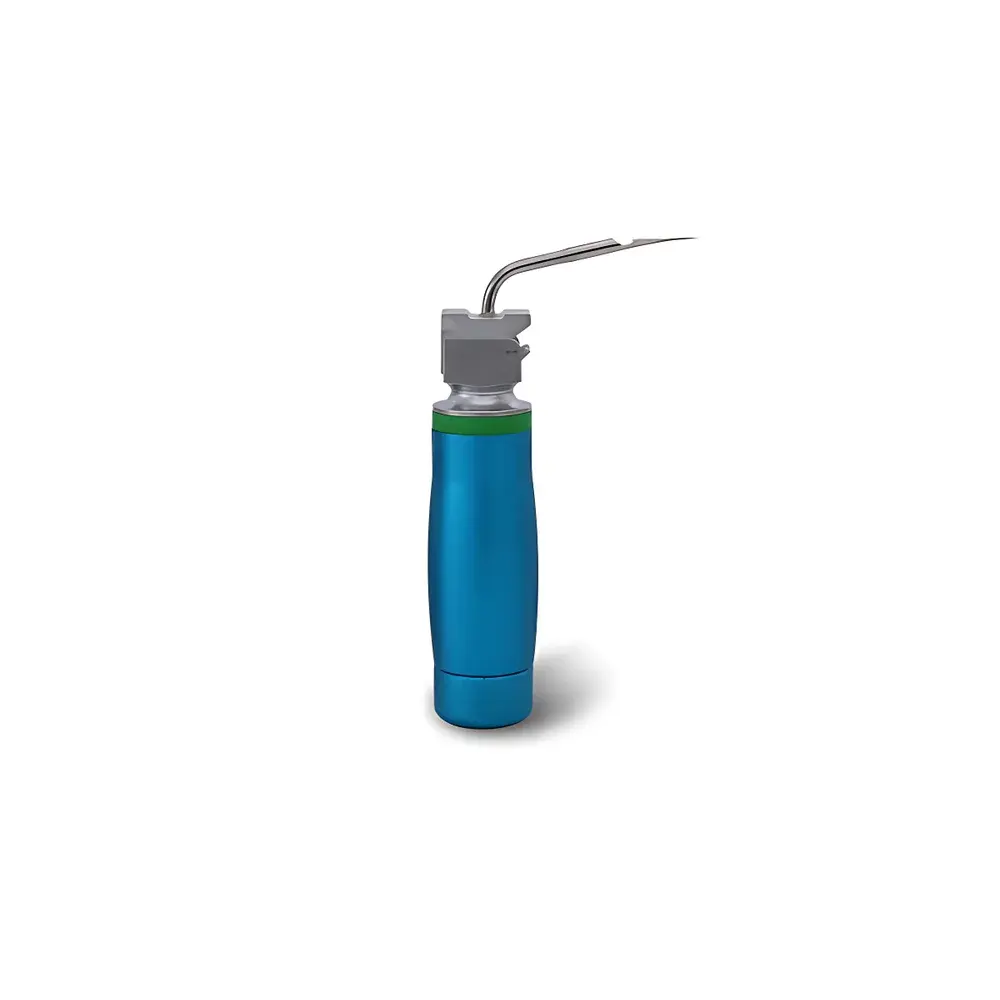
The HRH-MAG4 Pulmonary Quantitative Aerosol Delivery System is an integrated, precision-engineered platform designed for controlled, reproducible intrapulmonary aerosol administration in preclinical rodent models. It operates on the principle of direct tracheal instillation combined with calibrated micro-aerosol generation—enabling quantitative delivery of liquid or dry-powder therapeutics, toxicants, or diagnostic agents directly into the lower respiratory tract. Unlike whole-body or nose-only exposure chambers, this system eliminates systemic absorption variability and ensures dose fidelity at the target organ level. The platform comprises three core modules: (1) a modular small-animal laryngoscope with cold-light illumination and interchangeable blades; (2) species-specific restraint platforms for mice, rats, and guinea pigs, featuring multi-axis positional adjustability; and (3) dual-mode quantitative nebulizers—liquid-phase micro-syringe-driven雾化 and dry-powder aerosolization via pulsed gas dispersion—both validated for particle size distribution compliance per ISO 12103-1 (A2 test dust reference). This architecture supports GLP-compliant inhalation toxicology, PK/PD studies of inhaled biologics, and evaluation of pulmonary barrier permeability under controlled mechanical ventilation conditions.
Key Features
- Modular laryngoscope with fiber-optic cold-light LED illumination (1.5 V power supply), delivering uniform, shadow-free visualization of laryngeal anatomy without thermal artifact or tissue desiccation.
- Interchangeable laryngoscope blades (56 ± 5 mm length) secured via spring-loaded ball-bearing hook mechanism—ensuring optical alignment stability and enabling rapid, tool-free blade replacement and autoclave-compatible cleaning.
- Liquid nebulizer module: 600 µm outer-diameter capillary tubing; 50 µL precision dosing column; volumetric accuracy ±5 µL (optional ±2 µL high-pressure pusher with 250 µL reservoir).
- Dry-powder nebulizer module: 1 mm capillary interface; single-dose powder capacity 1–5 mg (at 1 g/cm³ bulk density); generated aerosol volume 0.5–5 mL per actuation; ≥90% of particles <5 µm aerodynamic diameter (verified against ISO 12103-1 A2 reference material).
- Species-adapted restraint platforms: Mouse platform (120 × 170 mm surface, −52° to +52° tilt, vertical/horizontal/normal-axis adjustments up to 15/15/10 mm); Rat platform (120 × 220 mm surface, identical angular range, extended longitudinal adjustment up to 60 mm).
Sample Compatibility & Compliance
The HRH-MAG4 accommodates aqueous suspensions, liposomal formulations, protein-based therapeutics, and micronized dry powders—including excipient-free APIs and nanocarrier systems. All wetted components are constructed from medical-grade stainless steel and chemically inert polymers compatible with ethanol, isopropanol, and standard laboratory disinfectants. The system supports documentation workflows aligned with OECD TG 412 (Subacute Inhalation Toxicity) and ASTM E2934-18 (Standard Practice for Evaluating In Vitro/In Vivo Correlation of Inhaled Drug Products). While not FDA 21 CFR Part 11–certified as a standalone device, its operational parameters and manual logbook templates are structured to support audit-ready data capture for GLP and GMP-regulated environments.
Software & Data Management
The HRH-MAG4 is a manually operated, hardware-integrated system with no embedded firmware or proprietary software. All dosage parameters—including syringe displacement, gas pulse timing, and actuation count—are recorded via standardized lab notebooks or LIMS-integrated electronic data capture (EDC) templates provided in the user manual. Calibration certificates for volumetric components (e.g., 50 µL dosing column, 250 µL high-pressure reservoir) are traceable to NIM (National Institute of Metrology, China) standards. Users may integrate third-party video recording systems (e.g., USB endoscopy cameras) with synchronized timestamping for procedural verification and training archiving.
Applications
- Inhalation toxicology assessment of environmental particulates, engineered nanomaterials, and combustion-derived aerosols in murine models.
- Pharmacokinetic profiling of inhaled monoclonal antibodies, siRNA, and mRNA-LNPs targeting alveolar macrophages or epithelial cells.
- Evaluation of pulmonary surfactant disruption, airway hyperresponsiveness, and epithelial barrier integrity following controlled aerosol challenge.
- Development and validation of dry-powder inhaler (DPI) formulations using surrogate animal models prior to clinical cascade.
- Medical countermeasure research for inhaled chemical threat agents (e.g., chlorine, phosgene analogs) and respiratory pathogen aerosolization (e.g., influenza, SARS-CoV-2 pseudoviruses).
FAQ
Is the HRH-MAG4 compatible with ventilated animal models?
Yes—the tracheal intubation workflow and low-resistance capillary interface allow seamless integration with rodent ventilators (e.g., Harvard Apparatus’ VentElite) during synchronized aerosol delivery.
Can the dry-powder module be used with hygroscopic or electrostatically charged compounds?
For such materials, optional anti-static nozzle inserts and humidity-controlled glove-box integration are available upon request.
What maintenance protocols are recommended for long-term reliability?
Weekly ultrasonic cleaning of capillaries in 70% ethanol; quarterly inspection of laryngoscope blade-to-handle optical coupling; annual recalibration of volumetric components by authorized service centers.
Does the system include regulatory documentation for international use?
CE marking is not applicable (non-IVD/non-medical device classification); however, full technical specifications, material declarations (RoHS/REACH), and calibration methodology documents are supplied with each shipment.
Are custom blade geometries or platform adaptations available?
Yes—custom laryngoscope blade profiles (e.g., curved Miller-type, straight Wisconsin-type) and platform extensions for juvenile or transgenic strains can be developed under NDA.
Related Products



