
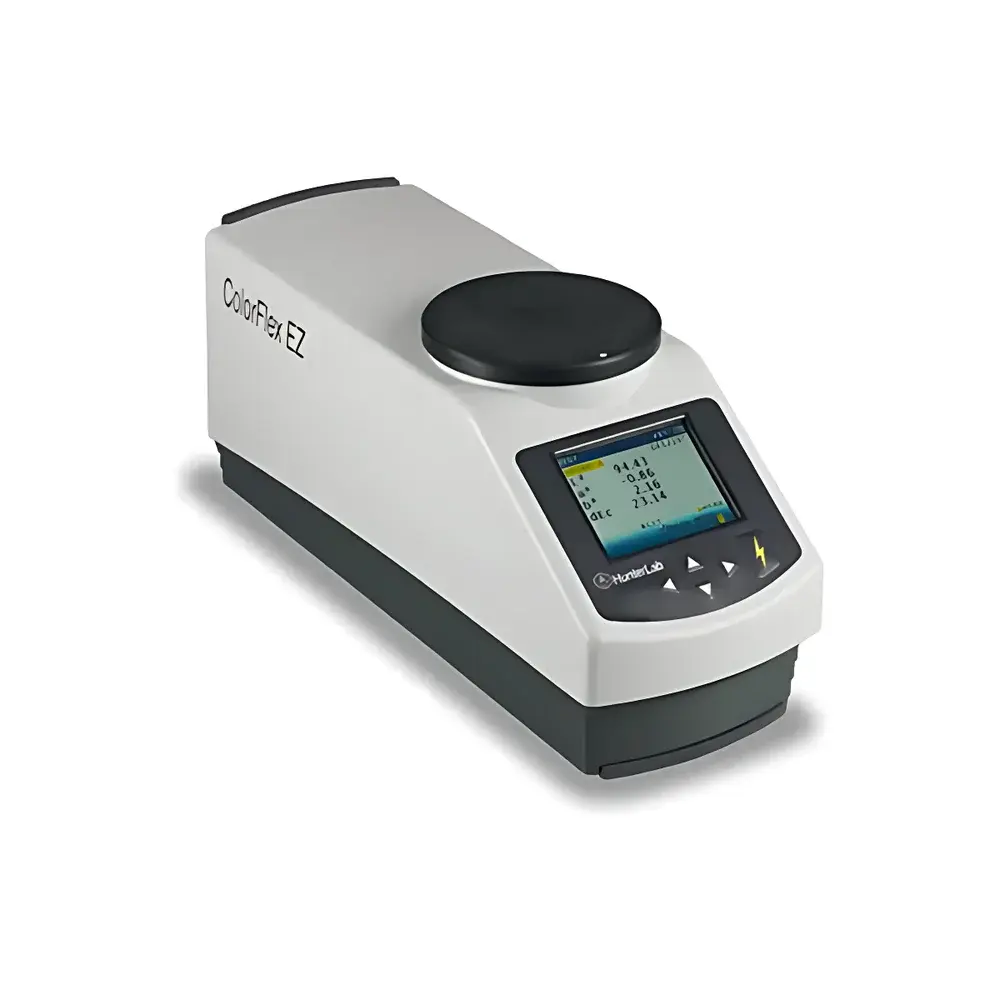
HunterLab ColorFlex EZ-CFEZ Yellow Index Analyzer for Plastic Pellets per ASTM D6290
| Brand | HunterLab |
|---|---|
| Origin | USA |
| Model | ColorFlex EZ-CFEZ |
| Product Type | Spectrophotometric Colorimeter |
| Instrument Type | Benchtop |
| Optical Geometry | 45°/0° (Annular Illumination, Normal Viewing) |
| Light Source | Pulsed Xenon Lamp |
| Spectral Range | 400–700 nm |
| Repeatability | ΔE* < 0.05 |
| Compliance | ASTM D6290-2019, ASTM E308, ASTM D2244, CIE 1931 (XYZ), CIE 1976 L*a*b*, Hunter L,a,b |
Overview
The HunterLab ColorFlex EZ-CFEZ is a benchtop spectrophotometric colorimeter engineered for precise, repeatable measurement of yellowness index (YI) and full-color metrics on plastic pellets in accordance with ASTM D6290–2019. This standard specifies instrumental color evaluation for near-colorless, translucent, or opaque plastic resins in granular form—without requiring sample preparation such as molding, extrusion, or pellet compression. The instrument employs a 45°/0° annular illumination geometry, which replicates human visual perception under diffuse daylight conditions and eliminates directional bias from surface texture or particle orientation. Unlike integrating sphere-based systems (e.g., d/8°), the 45°/0° configuration provides high angular specificity essential for evaluating heterogeneous particulate samples where scattering behavior is governed by crystallinity, particle size distribution, and bulk opacity. The pulsed xenon light source delivers stable, flash-based spectral irradiance across the visible range (400–700 nm), ensuring consistent excitation without thermal drift or lamp aging artifacts. All measurements are traceable to NIST-calibrated standards and processed using CIE 1931 tristimulus values (X, Y, Z), converted to CIELAB 1976 (L*, a*, b*), Hunter L,a,b, and derived indices including ASTM E313 Yellowness Index (YI), whiteness, and tint.
Key Features
- ASTM D6290-compliant optical design: 45°/0° geometry optimized for pelletized plastics, minimizing inter-particle shadowing and specular reflection artifacts.
- Pulsed xenon illumination: Ensures spectral stability, long-term repeatability (ΔE* < 0.05), and immunity to lamp degradation over time.
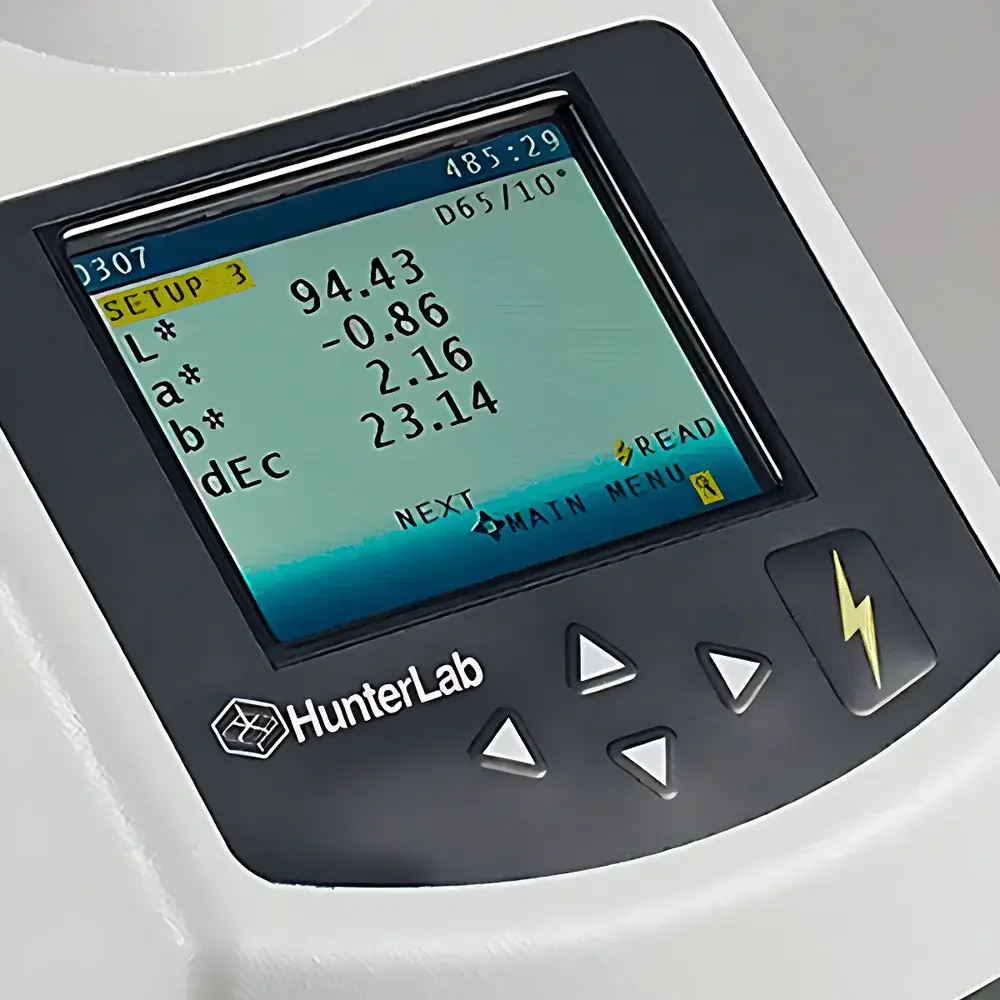
- Benchtop footprint with intuitive “press-to-measure” interface: Designed for high-throughput QC environments where operator training time and desk space are constrained.
- Onboard data management: Stores up to 250 reference standards, 2000 sample measurements, and user-defined tolerances with pass/fail logic per product specification.
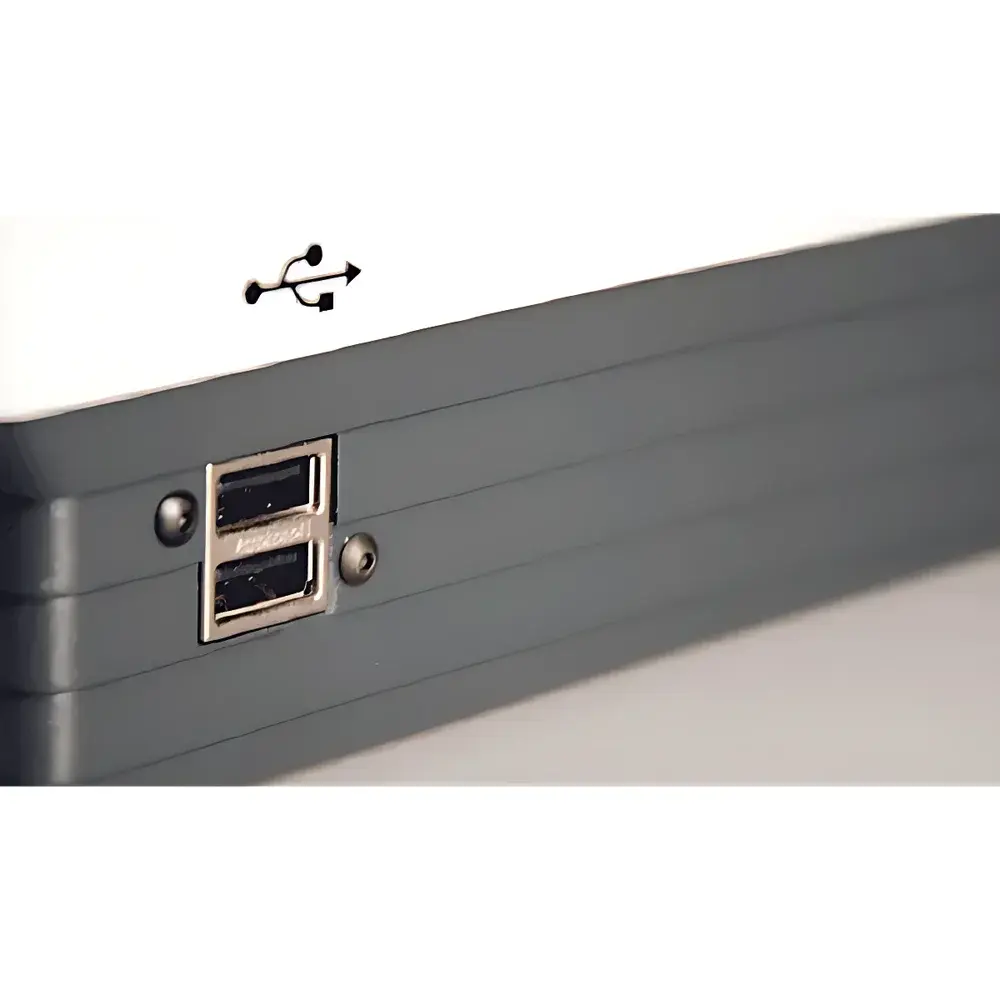
- Three USB ports: Support for keyboard input, barcode scanning (to eliminate manual ID entry errors), USB flash drive data export/import, and optional thermal printer output.
- Configurable software environment: Includes 250 preloaded instrument configurations covering illuminants (C, D65, F2), observers (2°, 10°), color spaces (CIELAB, Hunter, XYZ), and calculation methods (ASTM E313 YI, Ganz, ASTM D1925).
Sample Compatibility & Compliance
The ColorFlex EZ-CFEZ is validated for direct measurement of dry, free-flowing plastic pellets—including polyamide (nylon 6, nylon 66), polyethylene terephthalate (PET), polycarbonate (PC), polybutylene terephthalate (PBT), poly(lactic acid) (PLA), ethylene-vinyl acetate (EVA), and thermoplastic polyurethane (TPU). It accommodates variations in crystallinity, sphericity, and translucency, provided comparative samples share similar morphology (e.g., translucent disc-shaped vs. opaque rectangular pellets are not cross-comparable per ASTM D6290 Section 5.3). The method explicitly excludes fluorescent, metallic, or highly anisotropic materials. Regulatory alignment includes full support for GLP/GMP documentation workflows: audit trails, electronic signatures (via optional EasyMatch QC software), and 21 CFR Part 11–compliant data integrity controls when integrated with networked validation packages. All calibrations follow ASTM E2539 and are traceable to NIST SRM 2001 series standards.
Software & Data Management
The instrument operates natively via embedded firmware supporting real-time display of L*, a*, b*, YI, and spectral reflectance curves. For enterprise integration, HunterLab’s EasyMatch QC software enables advanced statistical process control (SPC), trend analysis, multi-instrument synchronization, and automated report generation compliant with ISO/IEC 17025 laboratory accreditation requirements. Raw spectral data (10-nm intervals) and calculated metrics are exportable in CSV, XML, and PDF formats. Version-controlled method files can be deployed across fleets of instruments to ensure inter-laboratory consistency—critical for multinational polymer producers operating under harmonized quality agreements (e.g., BASF, Covestro, Sinopec). All stored data include timestamp, operator ID, calibration status, and environmental metadata (ambient temperature/humidity if logged externally).
Applications
This analyzer serves as a primary QC tool in polymer compounding, pelletization, and resin dispatch operations. Typical use cases include monitoring thermal degradation during extrusion (evidenced by rising YI), tracking oxidation-induced yellowing in nylon 66 chips during storage, validating color batch-to-batch consistency prior to shipment, and screening incoming raw materials for chromatic deviation. Beyond plastics, it supports color assessment of catalysts, pharmaceutical excipients, industrial salts (e.g., potassium sulfate), petrochemical intermediates (bisphenol-A, ethylene glycol), and functional films (solar backsheet, reflective sheeting). Its robustness in measuring irregular, non-planar solids makes it suitable for R&D labs evaluating novel biopolymers or recycled feedstocks where morphology variability is inherent.
FAQ
Why does ASTM D6290 specify 45°/0° geometry instead of d/8°?
Because 45°/0° minimizes sensitivity to surface texture and particle packing density—critical variables in loose pellet beds where diffuse scattering dominates. Integrating spheres average all angles, obscuring morphology-related color differences that correlate with processing history.
Can this instrument measure fluorescent plastic pellets?
No. ASTM D6290 applies only to non-fluorescent, near-colorless materials. Fluorescent additives require UV-enabled instrumentation and modified YI calculations per ASTM E313 Annex A3.
How is measurement repeatability verified?
Using certified ceramic tile standards (NIST-traceable) measured in triplicate per ASTM E2539; repeatability is reported as standard deviation of ΔE* across ≥10 readings under controlled ambient conditions (23 ± 2 °C, 50 ± 5% RH).
Is sample conditioning required before measurement?
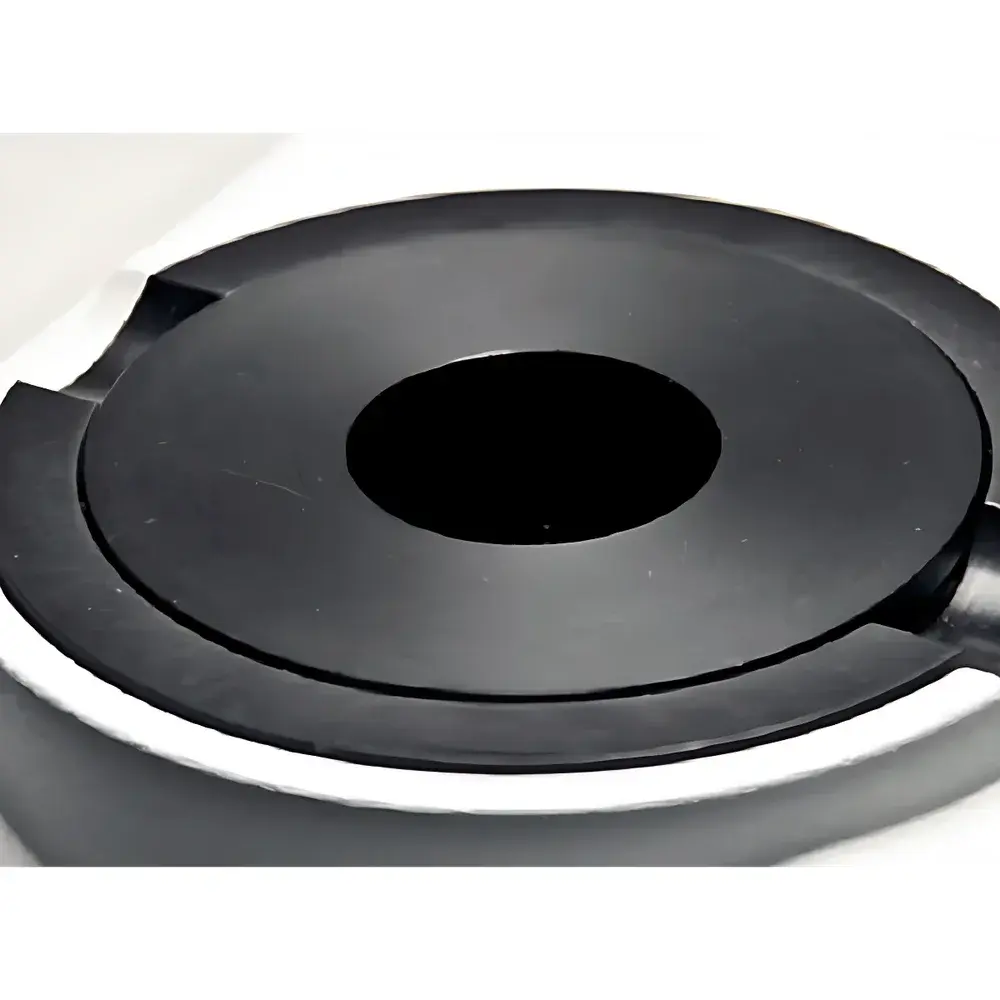
No—ASTM D6290 explicitly prohibits drying, pressing, or heating pellets. Measurements are performed on as-received material in standardized sample cups to preserve native crystallinity and opacity.
Does the instrument support custom YI formulas?
Yes. EasyMatch QC allows user-defined equations referencing any combination of tristimulus values (X, Y, Z) or CIELAB coordinates, enabling compliance with internal specifications or legacy industry indices beyond ASTM E313.





