
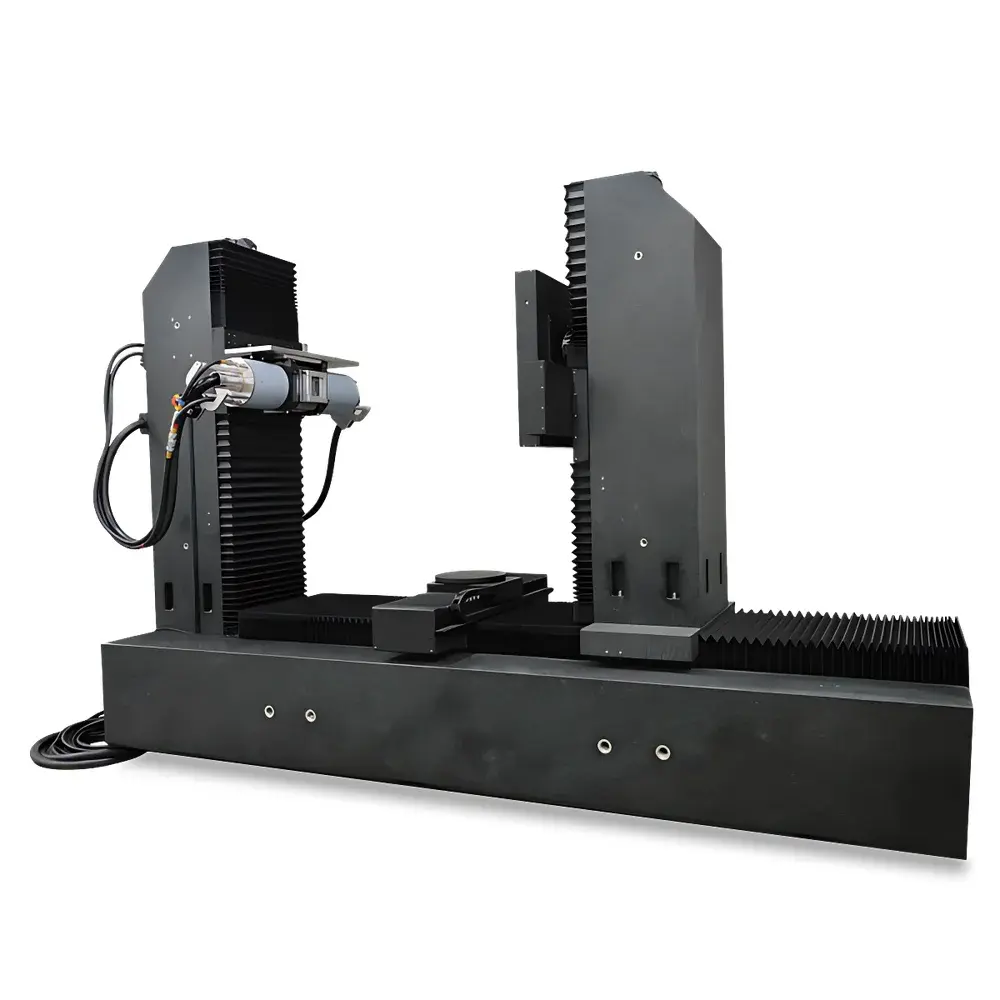
Always Imaging AX-5000CT Open-Architecture Industrial Micro-CT System
| Brand | Always Imaging |
|---|---|
| Origin | Zhejiang, China |
| Manufacturer Type | Direct Manufacturer |
| Country of Origin | China |
| Model | AX-5000CT |
| Detector Type | Flat-Panel Detector |
| Scan Mode | Translation-Rotation (TR) |
| Accuracy | Millimeter-level |
| X-ray Energy | 30–450 kV / 500 kV / 600 kV |
| Spatial Resolution | 3 µm / 3–5 lp/mm |
| Density Resolution | <1% contrast sensitivity |
| Maximum Sample Dimensions | Ø1000 mm × H1500–2500 mm |
| Sample Load Capacity | 100 kg / 200 kg / 500 kg (customizable up to 1000 kg) |
| System Footprint | 3500 mm × 1000 mm × 2600 mm |
Overview
The Always Imaging AX-5000CT is an open-architecture industrial micro-computed tomography (micro-CT) system engineered for high-fidelity, non-destructive 3D volumetric imaging of large and dense engineering components. Operating on the principle of cone-beam X-ray computed tomography, the system reconstructs internal structures through thousands of angular projections acquired under precise geometric alignment. Its rigid monolithic granite frame—combined with dual-column kinematic architecture—ensures mechanical stability during long-duration scans, minimizing vibration-induced artifacts and preserving metrological integrity across multi-hour acquisitions. Designed for integration into user-built shielded rooms or modular lead-lined enclosures, the AX-5000CT supports flexible deployment in QA/QC labs, R&D centers, and aerospace or energy sector NDT facilities where regulatory compliance and traceable dimensional analysis are mandatory.
Key Features
- Modular dual-source configuration: Standard dual-focus X-ray tube (30–450 kV / 500 kV / 600 kV) paired with optional low-energy source (30–225 kV, upgradable to 300 kV) for optimized contrast-to-noise ratio across material classes.
- Dual-detector compatibility: High-resolution flat-panel detector (pixel sizes down to 139 µm; up to 4096 × 4096 pixels) and high-efficiency line-scan detector (effective length 400–900 mm) for artifact suppression in high-Z materials such as nickel-based superalloys, titanium castings, and tungsten composites.
- Precision motion control: Sub-micron repeatability in translation and rotation axes enabled by air-bearing rotary stages and linear motor-driven gantry, supporting TR (translation-rotation) scanning protocol per ASTM E1441 and ISO 15732 standards.
- Scalable load capacity: Standard configurations support 100 kg, 200 kg, or 500 kg sample mass; custom-engineered turntables and support fixtures accommodate up to 1000 kg with calibrated center-of-gravity compensation.
- Granite-based structural platform: Thermally stable base reduces thermal drift over extended scan durations, critical for quantitative CT metrology requiring sub-pixel registration accuracy.
Sample Compatibility & Compliance
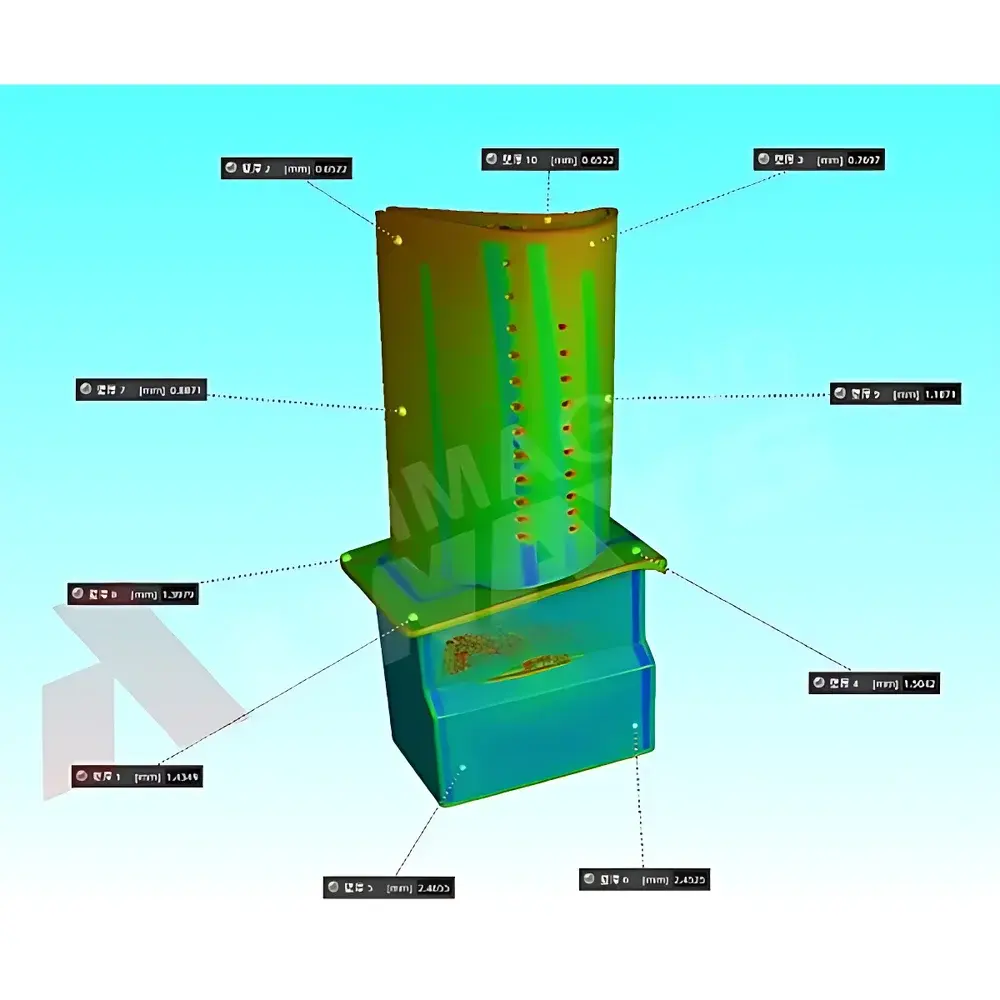
The AX-5000CT accommodates samples up to Ø1000 mm in diameter and 2500 mm in height, making it suitable for turbine blades, pressure vessels, composite fuselage sections, and additive-manufactured heat exchangers. Its variable kV range enables penetration of aluminum, magnesium, stainless steel, Inconel, and carbon-fiber-reinforced polymers without beam hardening distortion. The system meets radiation safety requirements for Class II B X-ray equipment per IEC 61331-1 and supports facility-level compliance with national shielding regulations (e.g., NRC 10 CFR Part 20, EU Directive 2013/59/Euratom). All reconstruction workflows adhere to ISO/IEC 17025 calibration traceability protocols, and dimensional measurement reports include uncertainty budgets compliant with VDI/VDE 2630 Part 1.1.
Software & Data Management
Acquisition, reconstruction, and analysis are managed via Always Imaging’s proprietary CT Suite v5.x software—validated for GxP environments and supporting 21 CFR Part 11 audit trails, electronic signatures, and role-based access control. Raw projection data is stored in DICOM 3.0 and HDF5 formats; reconstructed volumes export as 16-bit TIFF stacks or segmented STL meshes compatible with third-party metrology platforms (e.g., Volume Graphics VGStudio MAX, Thermo Fisher Avizo). Batch processing pipelines integrate with enterprise LIMS and PLM systems via RESTful API, enabling automated report generation, defect classification using supervised ML models, and longitudinal comparison of serial production parts against nominal CAD.
Applications
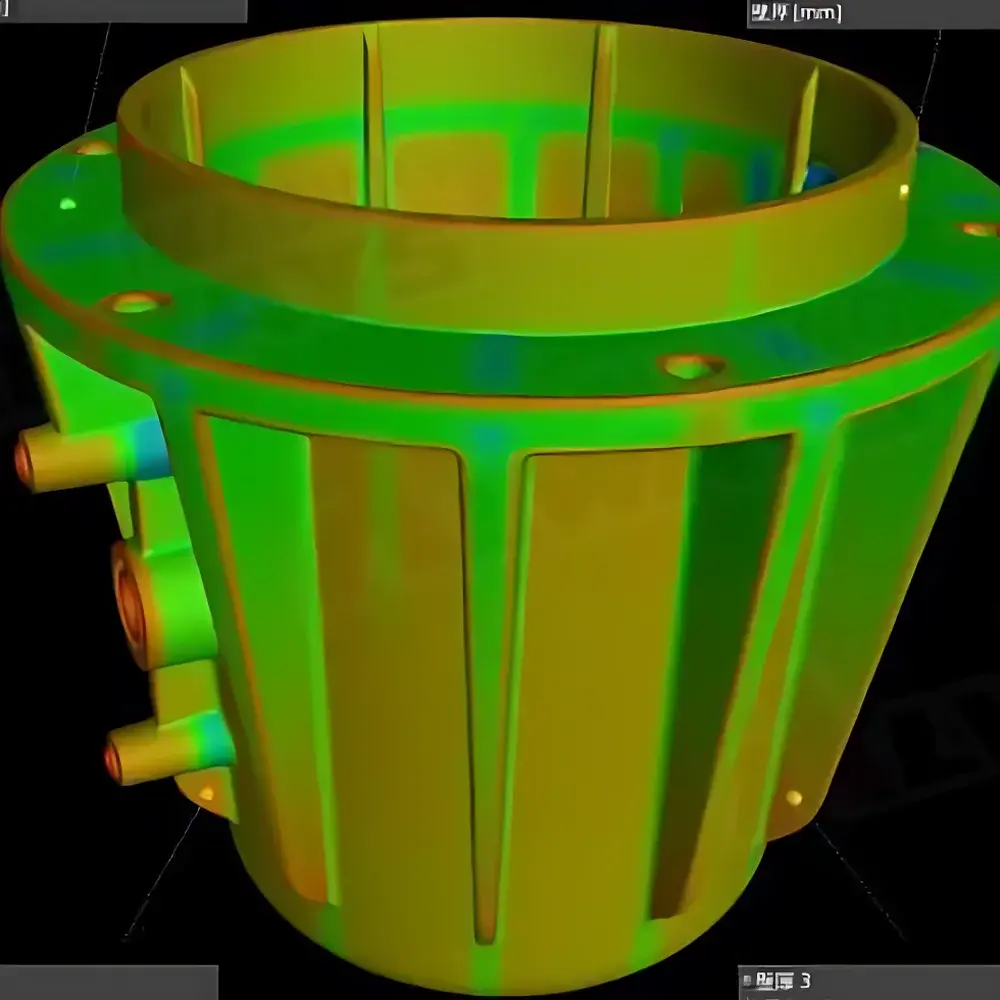
- Dimensional metrology: GD&T evaluation of internal features (e.g., wall thickness, porosity distribution, positional tolerance of embedded channels) per ASME Y14.5–2018.
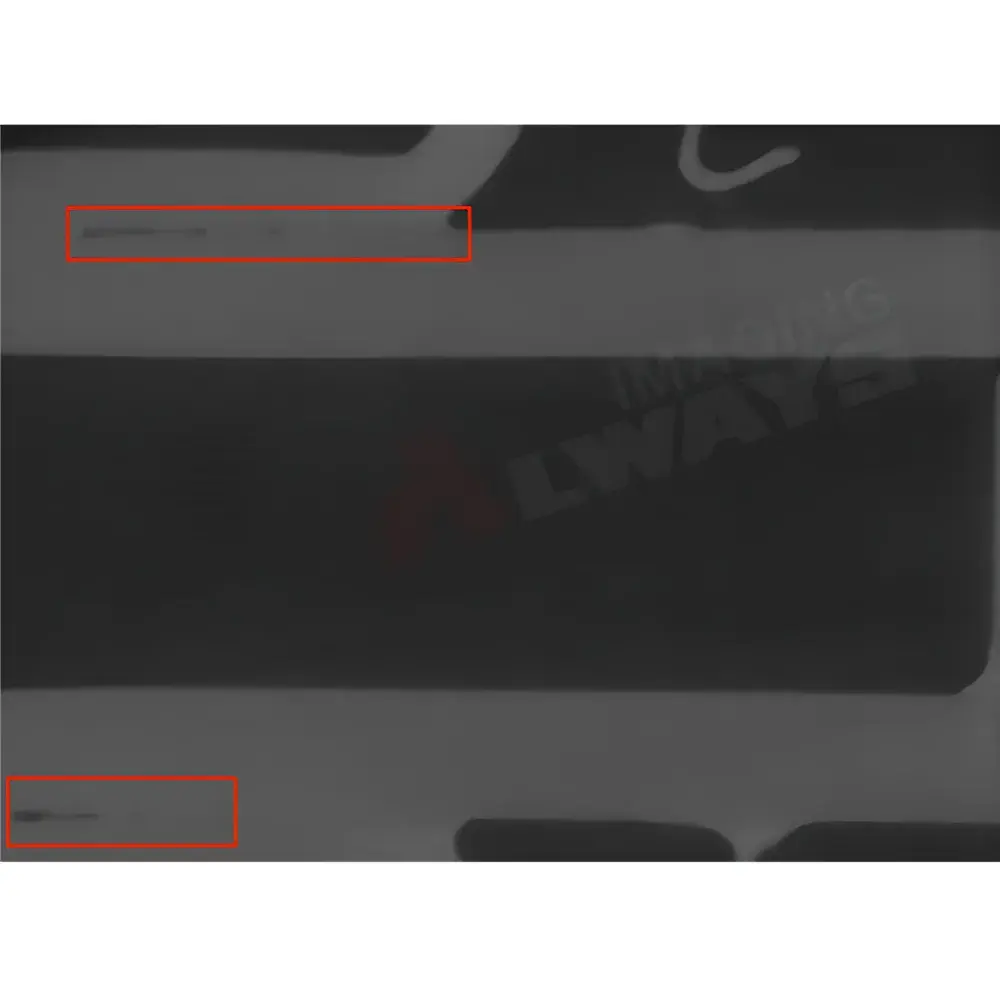
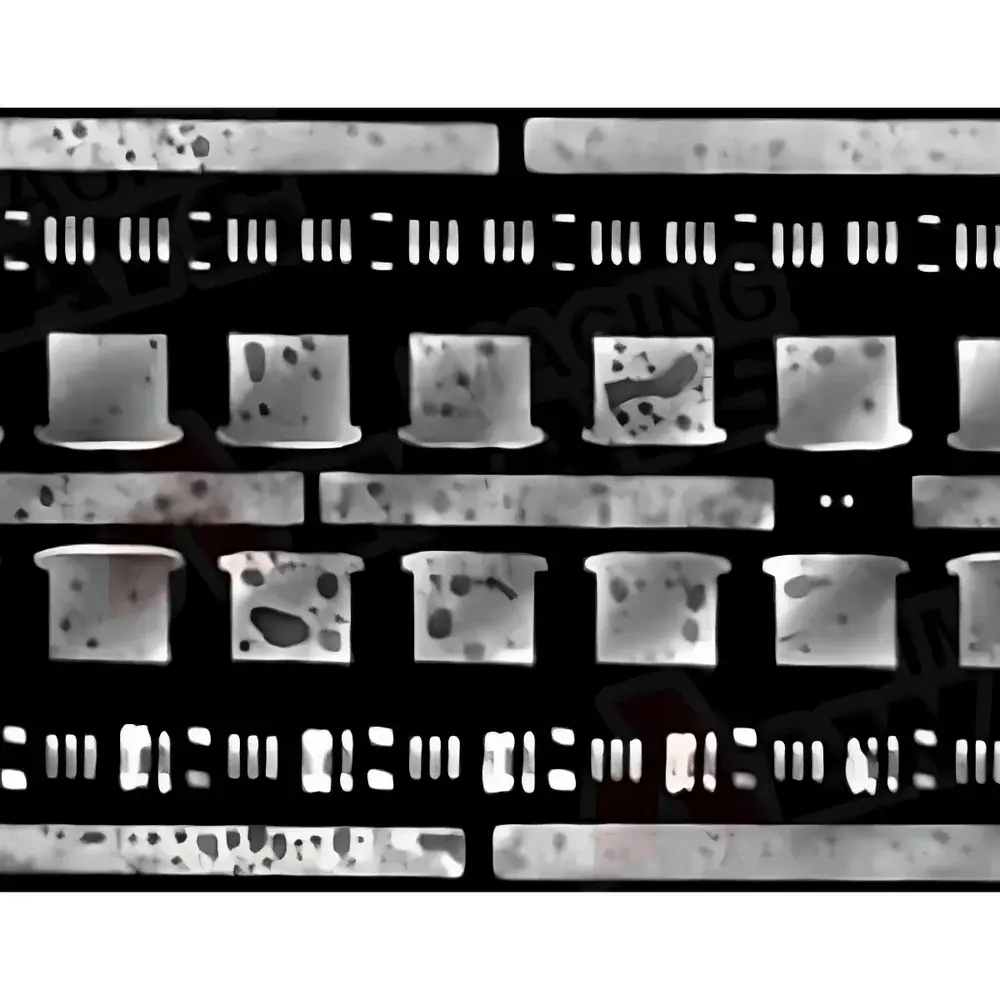
- Failure analysis: Identification and quantification of fatigue cracks, inclusions, shrinkage cavities, and interfacial delamination in castings, welds, and AM components.
- Reverse engineering: Generation of watertight CAD models from complex organic geometries, including lattice structures and conformal cooling channels.
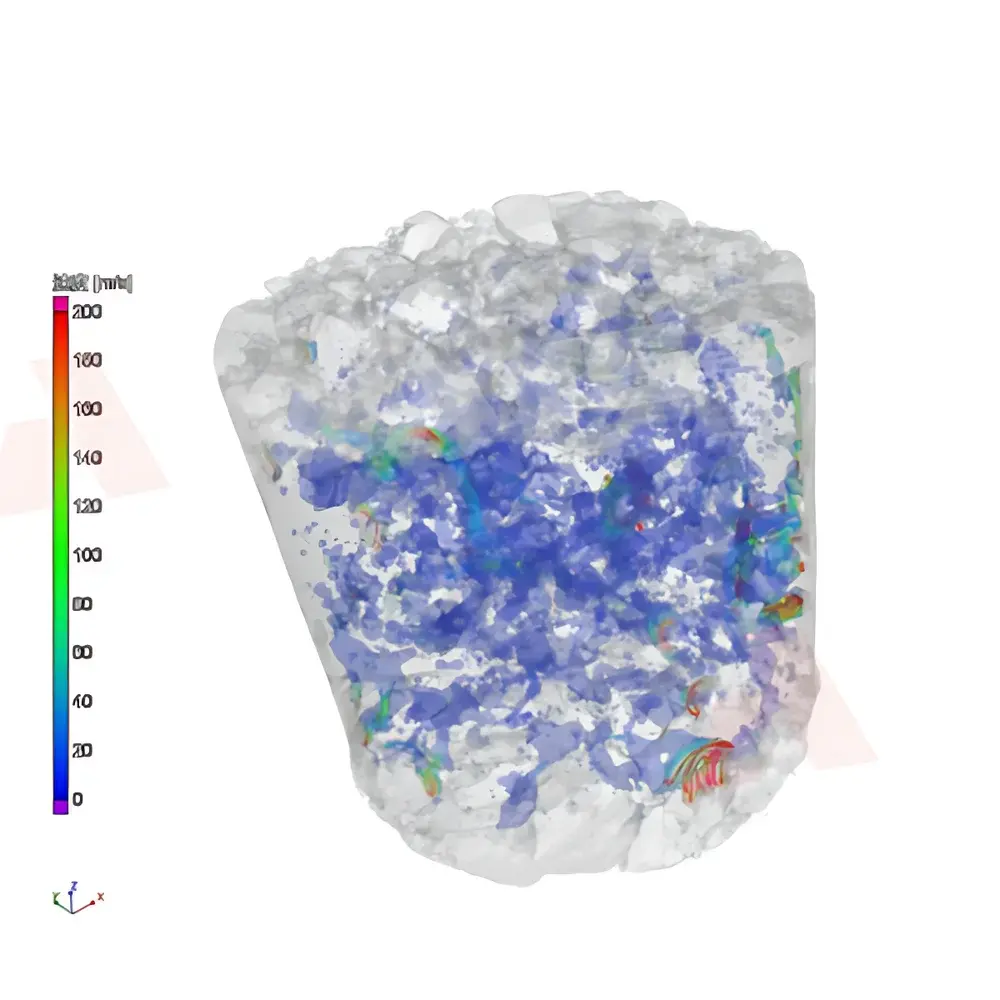
- Material characterization: Pore network analysis (porosity, tortuosity, connectivity), fiber orientation mapping in composites, and phase segmentation in multiphase alloys.
- Process validation: In-process verification of binder jetting, laser powder bed fusion, and investment casting tooling integrity prior to qualification runs.
FAQ
What shielding infrastructure is required for safe operation?
The AX-5000CT is designed for installation in user-provided shielded enclosures meeting local regulatory limits (typically 0.5–2.0 m of concrete or equivalent lead equivalence). Always Imaging provides detailed shielding design guidance, dose mapping simulations, and third-party radiation survey support.
Can the system perform quantitative density analysis?
Yes—calibrated X-ray attenuation coefficients enable relative density mapping with contrast resolution better than 1%, validated against NIST-traceable step wedges and certified reference materials.
Is the system compatible with automated production line integration?
The AX-5000CT supports PLC-triggered start/stop, OPC UA communication, and conveyor synchronization modules for inline or near-line inspection cells.
What is the typical reconstruction time for a full-volume scan?
Reconstruction speed depends on voxel resolution and dataset size; typical 1024³ volumes reconstruct in ≤8 minutes on the standard GPU-accelerated workstation, scalable to multi-node clusters for 4K³+ datasets.
Does the system support ISO 15732-compliant CT performance verification?
Yes—the included CT Performance Phantom (CP12) and automated evaluation scripts verify spatial resolution, contrast detectability, uniformity, and geometric distortion per ISO 15732 Annex A and ASTM E2737.



