
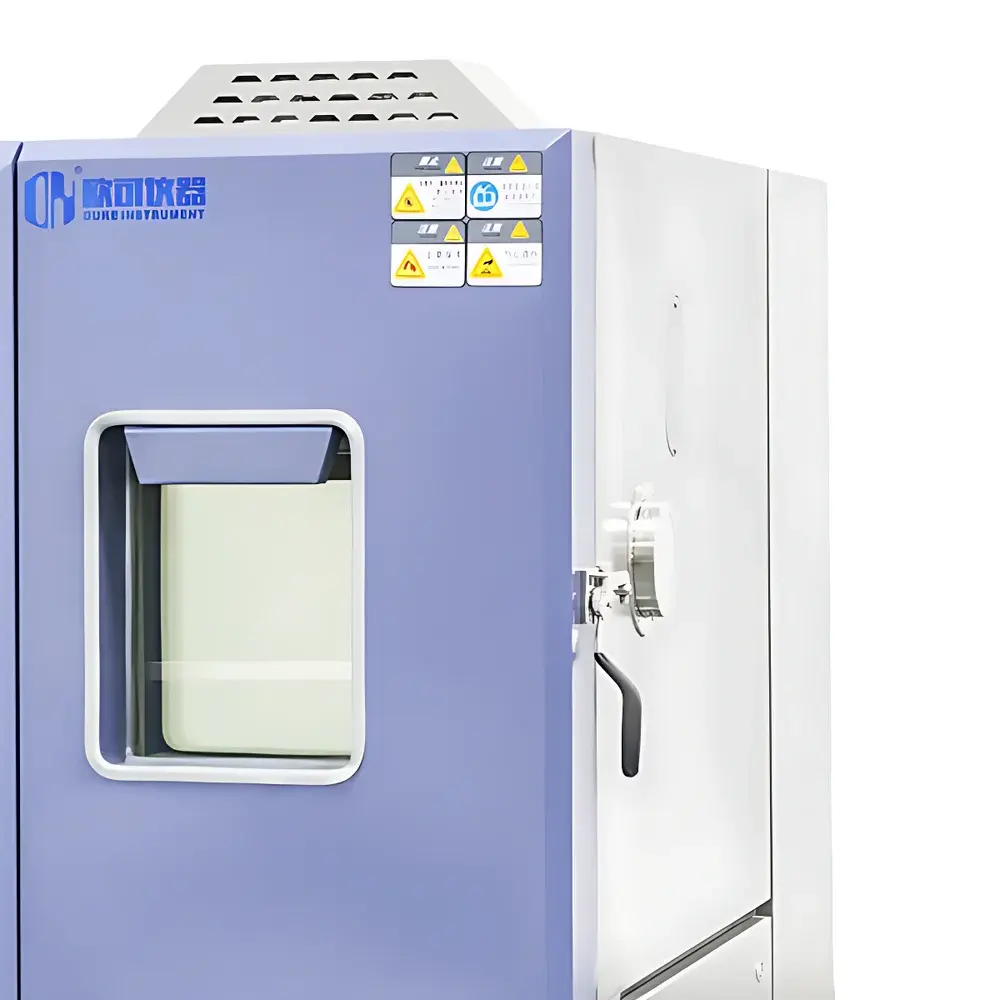
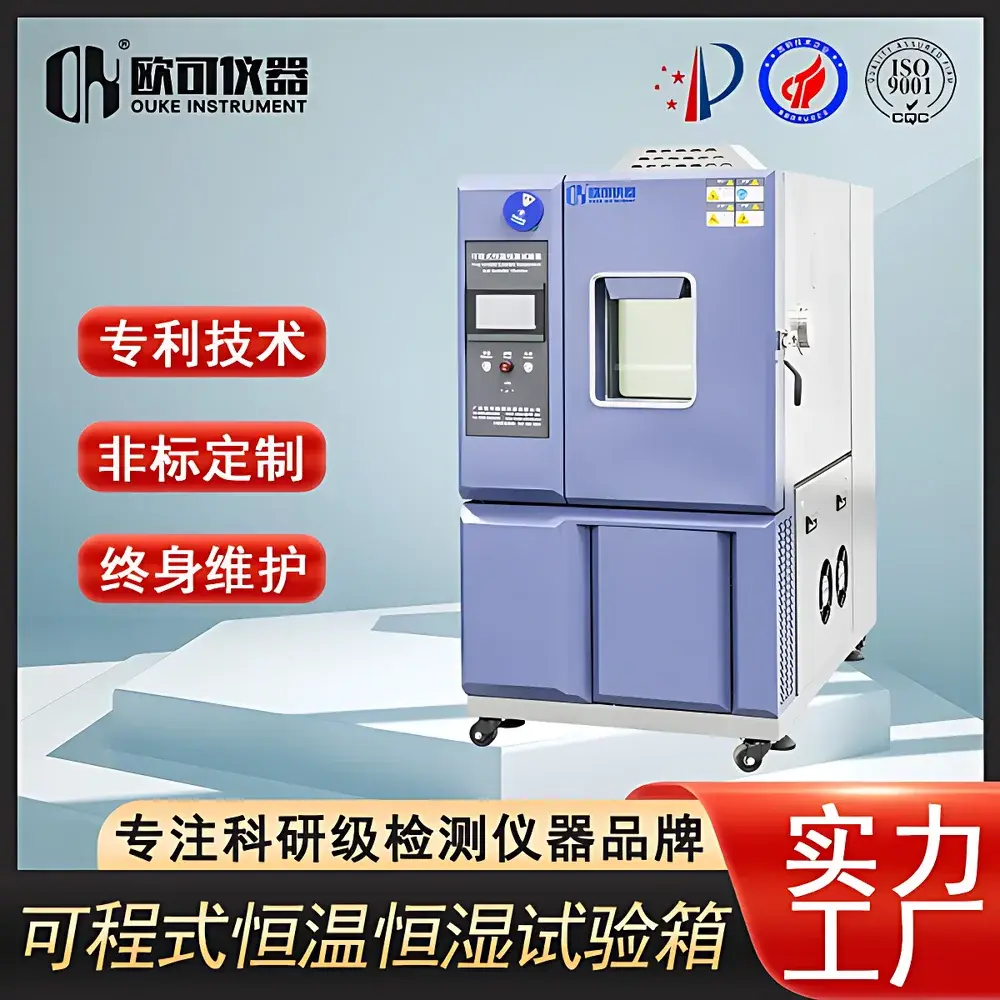
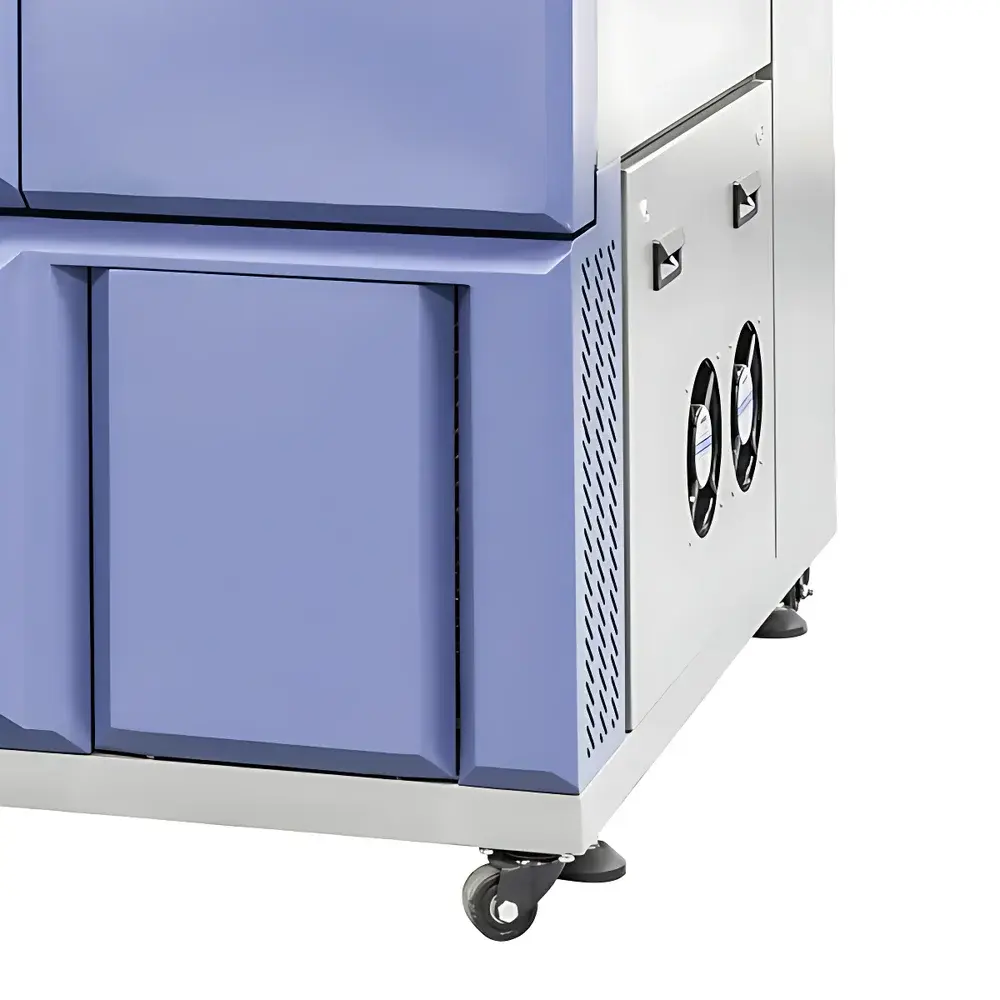
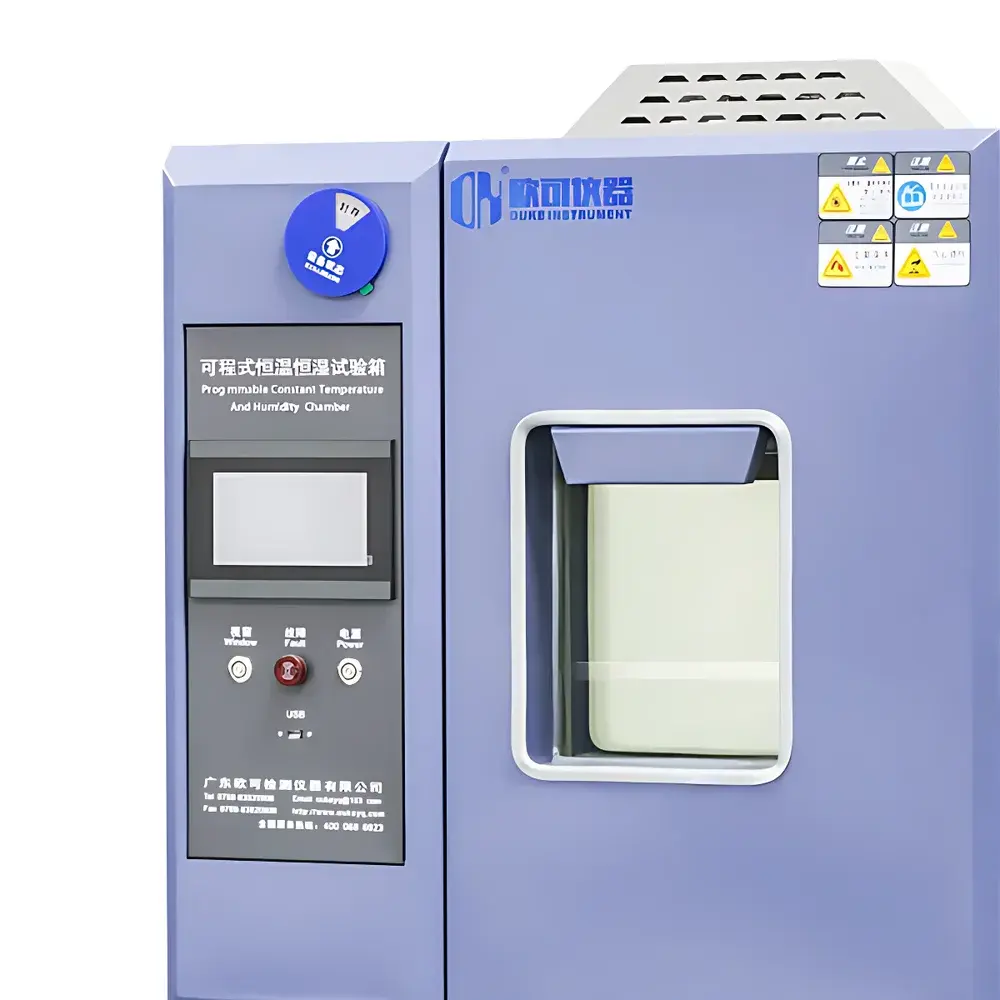
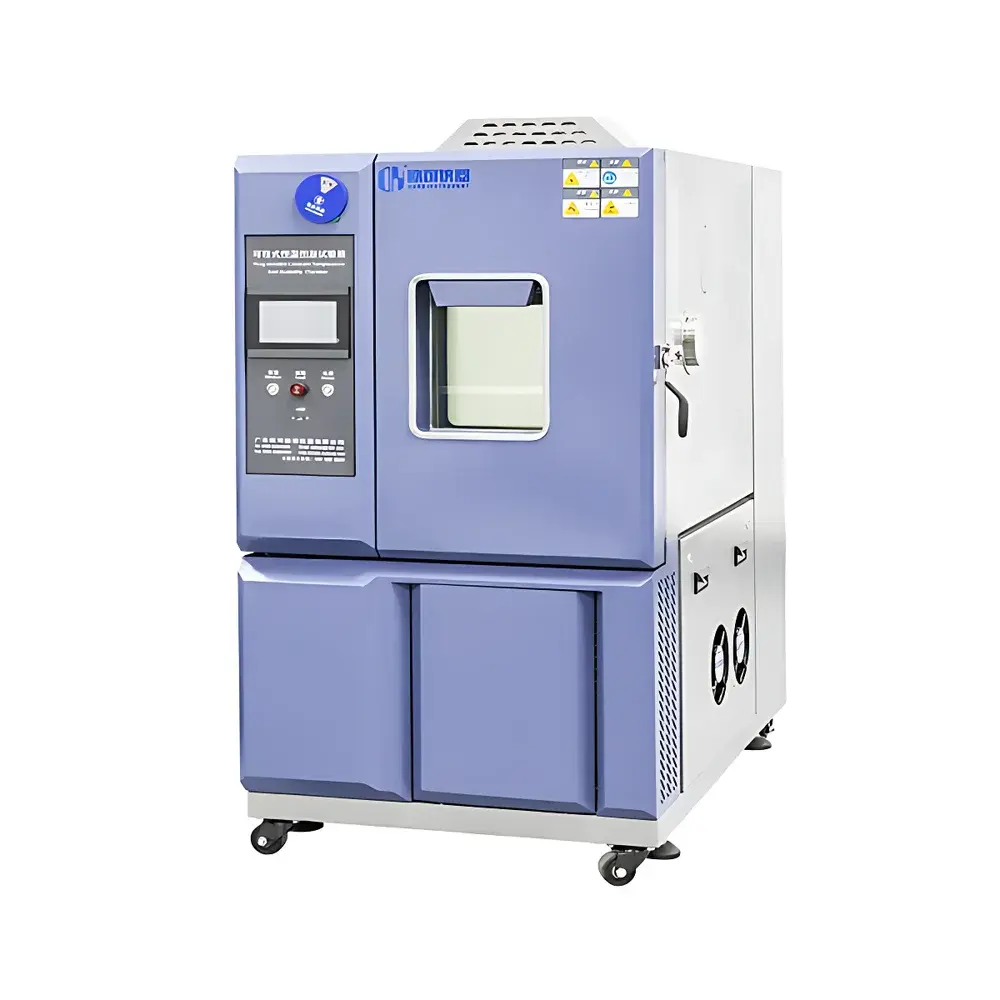
OK Instruments OK-TH-3 Energy-Efficient Temperature and Humidity Controlled Chamber
| Brand | OK Instruments |
|---|---|
| Origin | Guangdong, China |
| Manufacturer Type | Direct Manufacturer |
| Product Category | Domestic |
| Model | OK-TH-3 |
| Instrument Type | Benchtop |
| Cooling Method | Air-Cooled |
| Temperature Range | −40 °C to +150 °C |
| Humidity Range | 20–98 % RH |
| Temperature Uniformity | ≤ ±2 °C |
| Temperature Fluctuation | ±1 °C (high-temp), ±2 °C (low-temp) |
| Humidity Uniformity | ≤ ±3 % RH |
| Humidity Fluctuation | ±3 % RH |
| Heating Rate | 1.0–3.0 °C/min |
| Internal Chamber Dimensions (W×D×H) | 600 × 500 × 400 mm |
Overview
The OK Instruments OK-TH-3 Energy-Efficient Temperature and Humidity Controlled Chamber is an engineered environmental test system designed for precise, repeatable simulation of thermal and hygrothermal conditions across industrial R&D, quality assurance, and reliability testing workflows. It operates on the fundamental principle of closed-loop feedback control—integrating refrigeration, humidification, dehumidification, and forced-air circulation subsystems to maintain user-defined setpoints within tightly specified tolerances. Unlike conventional chambers relying on fixed-speed compressors and resistive heating elements, the OK-TH-3 implements a holistic energy optimization architecture grounded in variable-speed actuation, thermodynamic efficiency tuning, and intelligent load-adaptive control logic. This enables sustained operation under demanding profiles—including extended high-humidity soak tests at elevated temperatures or rapid thermal transitions—while minimizing electrical demand and thermal stress on critical components.
Key Features
- Variable-Frequency Refrigeration System: Equipped with an inverter-driven compressor that dynamically modulates cooling capacity in response to real-time thermal load, eliminating inefficient on/off cycling and reducing average power consumption by up to 40% compared to fixed-speed equivalents.
- Optimized Cascade Refrigeration Architecture: Features enhanced heat exchanger geometry, low-GWP refrigerant (R-404A/R-507 compliant), and calibrated stage-wise capacity matching to minimize parasitic losses during sub-zero operation.
- EC Motorized Circulation Fans: Electronically commutated (EC) blowers deliver high aerodynamic efficiency and infinitely adjustable airflow rates—reducing fan power draw by 30–50% during partial-load conditions without compromising temperature uniformity.
- Advanced Thermal Insulation: 120 mm thick polyurethane foam insulation (λ ≤ 0.022 W/m·K) combined with double-gasketed, low-conductivity viewing window and reinforced door seal minimizes conductive and convective heat transfer across the chamber envelope.
- Intelligent Adaptive PID Control: Multi-zone PID algorithm with auto-tuning, anti-windup protection, and setpoint ramping logic ensures stable convergence to target conditions with minimal overshoot—reducing compensatory heating/cooling cycles and associated energy waste.
- Energy Recovery Functionality: Integrated hot-gas bypass circuit redirects compressor discharge heat during low-temperature operation to supplement electric heater output, lowering overall heating energy demand by up to 25% in cold-humid profiles.
Sample Compatibility & Compliance
The OK-TH-3 accommodates a broad range of sample types—including electronic assemblies, polymer components, pharmaceutical packaging, automotive sensors, and printed circuit boards—within its 120 L internal volume (600 × 500 × 400 mm). Its performance adheres to key international environmental testing standards including IEC 60068-2-1 (cold), IEC 60068-2-2 (dry heat), IEC 60068-2-30 (damp heat cyclic), and GB/T 2423.1–2423.3 (Chinese national equivalents). While not certified to ISO/IEC 17025 calibration requirements out-of-box, the chamber supports third-party verification per ASTM E2234 and provides traceable sensor mounting points for external validation. All control firmware logs operational parameters (temperature, humidity, compressor status, fan speed) with timestamping, enabling audit-ready data generation for GLP and GMP-aligned laboratories.
Software & Data Management
The embedded controller runs OK Instruments’ proprietary TH-OS v3.2 firmware, offering local touchscreen operation and optional Ethernet/RS-485 connectivity for remote monitoring via Modbus TCP or ASCII protocol. Data logging occurs at configurable intervals (1 s to 60 min) to internal flash memory (≥1 million records) or external USB storage. Export formats include CSV and Excel-compatible .xlsx files, compatible with LIMS integration and statistical process control (SPC) platforms. For regulated environments, optional software packages provide 21 CFR Part 11-compliant user authentication, electronic signatures, and immutable audit trails—including modification history for setpoints, profiles, and calibration offsets. All logged data retains metadata such as operator ID, session start/stop timestamps, and environmental alarm events.
Applications
- Accelerated aging of lithium-ion battery cells under combined thermal-humidity stress (per UL 1642 and IEC 62133)
- Stability testing of moisture-sensitive medical device packaging (ISO 11607-1)
- Thermal cycling validation of automotive ECUs per AEC-Q200
- Long-term reliability assessment of conformally coated PCBs in high-RH environments
- Material compatibility screening for adhesives, elastomers, and composite laminates
- Pre-conditioning of samples prior to mechanical or electrical testing (e.g., tensile strength at controlled RH)
FAQ
What energy savings can be realistically expected versus conventional chambers?
Typical reductions in annual electricity consumption range from 22% to 38%, depending on duty cycle, ambient conditions, and profile aggressiveness—verified through comparative testing per ISO 15502 Annex B.
Is the chamber suitable for continuous 24/7 operation?
Yes. Designed for Class II industrial duty per IEC 60034-1, with redundant safety cutoffs, compressor thermal protection, and condensate management optimized for unattended multi-day runs.
Can humidity be maintained at −40 °C?
No. The practical lower limit for active humidification is −10 °C; below this, only dry-cold conditioning is supported. Dehumidification via refrigeration remains functional down to −40 °C.
Does the system support custom test profiles with ramp/soak segments?
Yes. Up to 99 programmable steps per profile, with independent ramp rate, dwell time, and setpoint definitions for both temperature and humidity.
What maintenance intervals are recommended?
Compressor oil inspection every 24 months; EC fan filter cleaning every 3 months; chamber interior wipe-down after each high-RH cycle; full calibration verification annually or per ISO/IEC 17025 requirements.



