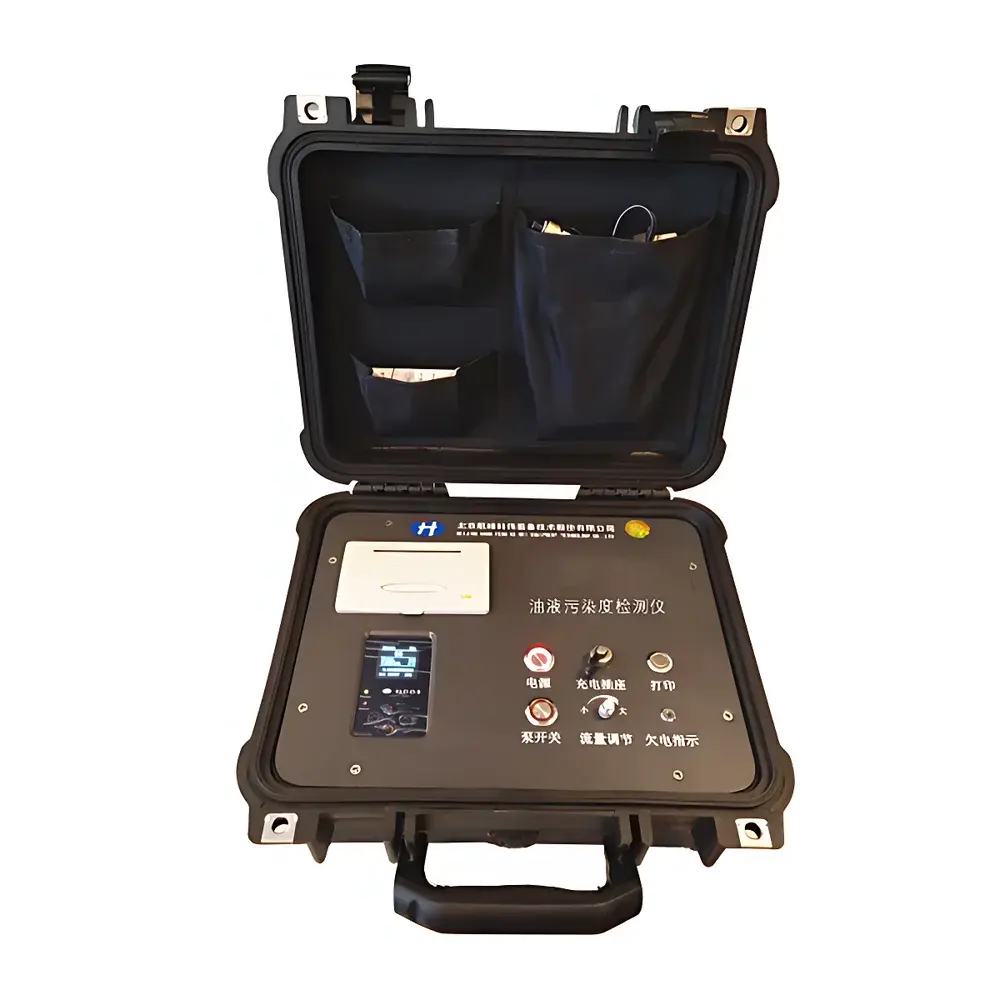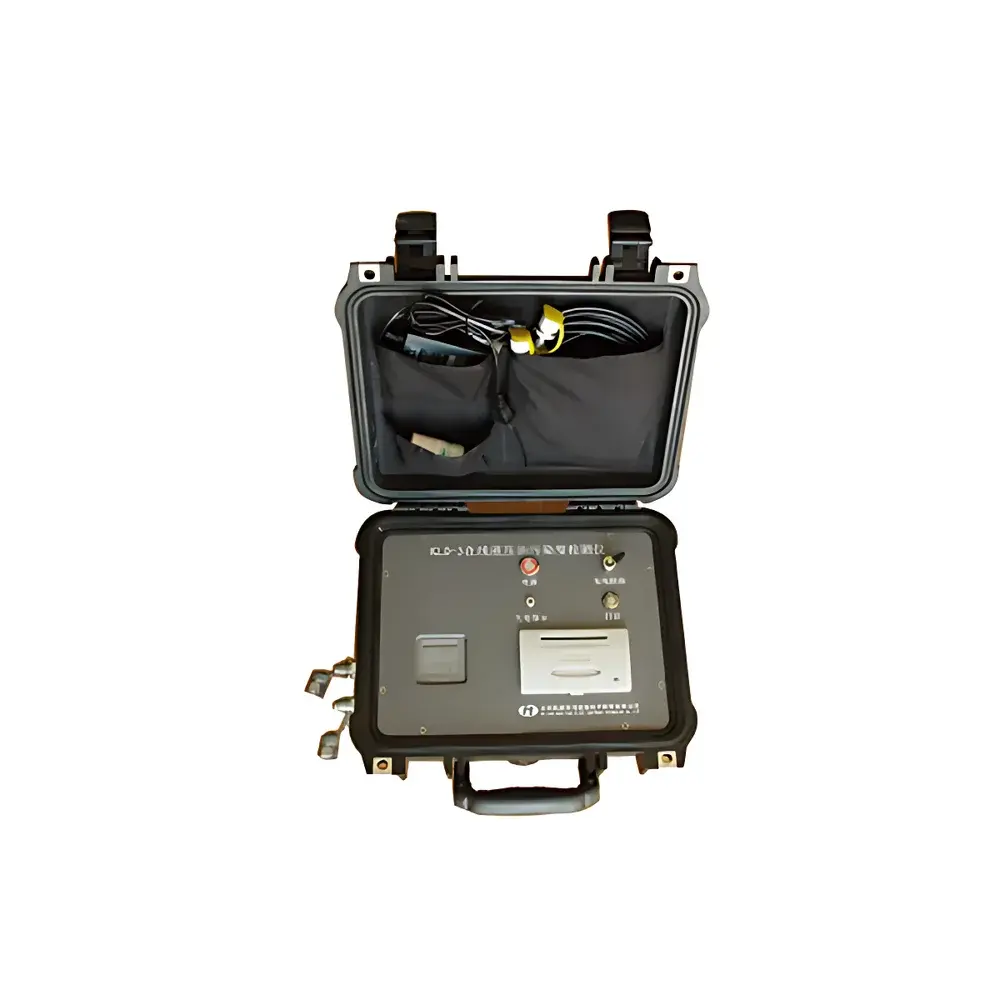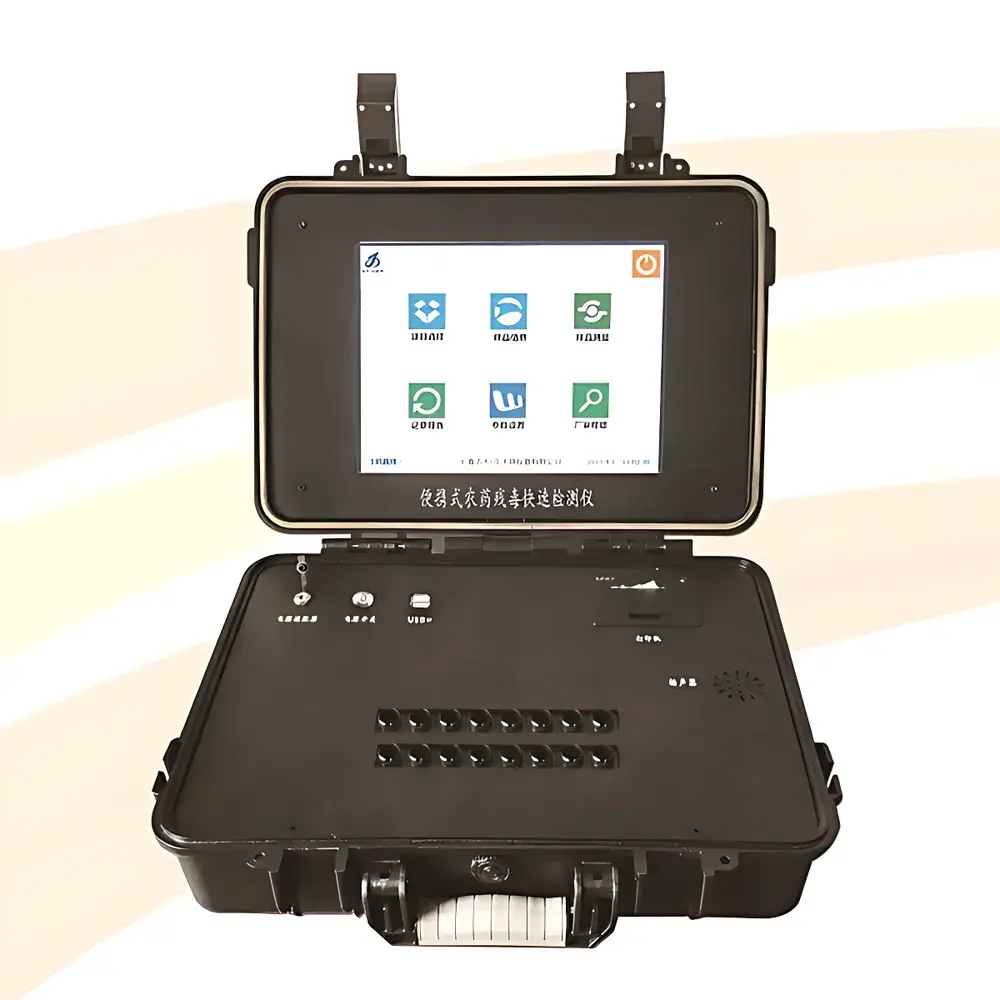
Jiada Xiaotianshe GDYN-1016SD Portable Pesticide Residue Rapid Tester
| Brand | Jiada Xiaotianshe |
|---|---|
| Origin | Jilin, China |
| Manufacturer Type | Direct Manufacturer |
| Country of Origin | China |
| Model | GDYN-1016SD |
| Detection Method | Enzyme Inhibition Assay |
| Measurement Range | 0–100% inhibition rate |
| Number of Channels | 16 |
| Measurement Error | ±5% |
| Limit of Detection (LOD) | 0.01–3.0 mg/kg |
| Light Source | High-brightness LED |
| Wavelength | 405 nm |
| Optical Stability | ±0.005 A/20 min |
| Operating Temperature | 5–40 °C |
| Power Supply | AC 220 V ±10%, 50 Hz ±1 Hz / Built-in Rechargeable Li-ion Battery |
| Data Storage | 32 GB internal + MicroSD expansion |
| Connectivity | Micro-USB, Micro-HDMI, Wi-Fi, GPRS/EDGE |
| OS | Embedded Windows-based interface |
Overview
The Jiada Xiaotianshe GDYN-1016SD Portable Pesticide Residue Rapid Tester is a field-deployable analytical instrument engineered for quantitative assessment of organophosphorus and carbamate pesticide residues in fresh agricultural commodities—primarily fruits and vegetables. It operates on the principle of enzyme inhibition assay, wherein acetylcholinesterase (AChE) or butyrylcholinesterase (BChE) activity is measured spectrophotometrically at 405 nm before and after exposure to sample extracts. Inhibition of enzyme activity—proportional to residual pesticide concentration—is expressed as percentage inhibition (0–100%), enabling rapid semi-quantitative screening in compliance with national food safety surveillance protocols. Designed for frontline use in farm gates, wholesale markets, regulatory inspection units, and mobile food safety laboratories, the GDYN-1016SD integrates optical, electronic, and biochemical subsystems into a rugged, battery-powered platform optimized for ambient environmental operation (5–40 °C) without external computing infrastructure.
Key Features
- Integrated optical architecture: Solid-state 405 nm LED serves simultaneously as light source and spectral filter—eliminating moving parts, monochromators, and alignment-sensitive optics; enhances mechanical robustness and long-term photometric stability (±0.005 A/20 min).
- 16-channel simultaneous measurement: Enables high-throughput parallel analysis of up to 16 samples per run, reducing assay cycle time and operator workload during batch screening.
- Self-contained operational environment: Embedded Windows-based interface supports direct input of sample ID, analyte type, testing institution, and operator credentials—ensuring traceability and audit readiness.
- Dual-power design: Internal rechargeable lithium-ion battery enables ≥6 hours of continuous field operation; AC adapter support ensures uninterrupted lab-based use.
- Onboard data management: 32 GB internal storage with MicroSD card slot for secure archiving of raw absorbance values, inhibition calculations, calibration logs, and user metadata.
- Multi-mode connectivity: Micro-USB for firmware updates and data export; Micro-HDMI for real-time display on external monitors; Wi-Fi and GPRS/EDGE modules enable encrypted, timestamped data transmission to central LIMS or cloud-based food safety dashboards without PC dependency.
- Integrated thermal printer: Generates compliant hard-copy reports including test date/time, sample identifier, inhibition rate, pass/fail status (based on preset thresholds), and operator signature field.
Sample Compatibility & Compliance
The GDYN-1016SD is validated for homogenized aqueous extracts prepared from common produce matrices—including leafy greens (e.g., spinach, lettuce), solanaceous crops (e.g., tomatoes, peppers), pome and stone fruits (e.g., apples, peaches), and root vegetables (e.g., carrots, potatoes). Extraction follows standardized QuEChERS-inspired or AOAC 2007.01–aligned protocols using phosphate-buffered saline or acetate buffer. While not a confirmatory method per ISO/IEC 17025, the instrument meets functional requirements outlined in GB/T 5009.199–2003 (China National Standard for Rapid Detection of Organophosphorus and Carbamate Pesticides in Vegetables) and aligns with FAO/WHO JMPR screening-level performance criteria for inhibition-based assays. Its design accommodates GLP-aligned documentation practices, including electronic audit trails for calibration events, user logins, and result modifications.
Software & Data Management
Firmware includes embedded application software supporting multi-level user authentication (administrator/operator), configurable inhibition threshold settings (e.g., 50% cutoff per Chinese regulatory guidance), automatic blank subtraction, and linear/nonlinear calibration curve fitting. All measurement sessions are time-stamped and tagged with GPS coordinates (when enabled via connected module). Data exports comply with CSV and XML formats compatible with national food safety information systems (e.g., China’s NIFSC platform). Remote firmware updates and configuration push are supported over secure HTTPS channels. Audit logs record every critical action—including parameter changes, result overrides, and login/logout events—satisfying baseline requirements for data integrity under FDA 21 CFR Part 11 Annex 11 principles when deployed in regulated environments.
Applications
- Routine pre-market screening at agricultural cooperatives and distribution centers.
- Regulatory field inspections by municipal food and drug administration bureaus.
- Quality assurance verification in HACCP-compliant fresh-cut processing facilities.
- Educational demonstrations and capacity building for rural extension services.
- Emergency response monitoring during pesticide misuse incidents or contamination alerts.
FAQ
What pesticides does the GDYN-1016SD detect?
It detects organophosphorus (e.g., chlorpyrifos, diazinon) and carbamate (e.g., carbaryl, methomyl) pesticides that inhibit cholinesterase activity. It does not detect neonicotinoids, pyrethroids, or glyphosate.
Is the instrument suitable for quantitative analysis?
It provides semi-quantitative results expressed as percent inhibition; quantification requires correlation with reference standards and matrix-matched calibration curves. Confirmatory analysis (e.g., LC-MS/MS) is required for regulatory enforcement.
Can the device be calibrated externally?
Yes—calibration is performed using standardized acetylcholinesterase reagent kits and control inhibitors (e.g., dichlorvos standard solutions); calibration frequency follows internal SOPs or GB/T 5009.199–2003 recommendations (pre-run and every 2 hours during extended use).
Does it support multi-language UI?
The embedded interface supports English and Simplified Chinese; additional language packs may be deployed via firmware update.
How is data security ensured during wireless transmission?
Wi-Fi and GPRS communications use TLS 1.2 encryption; authentication is enforced via API keys or certificate-based mutual TLS where integrated with enterprise LIMS platforms.