
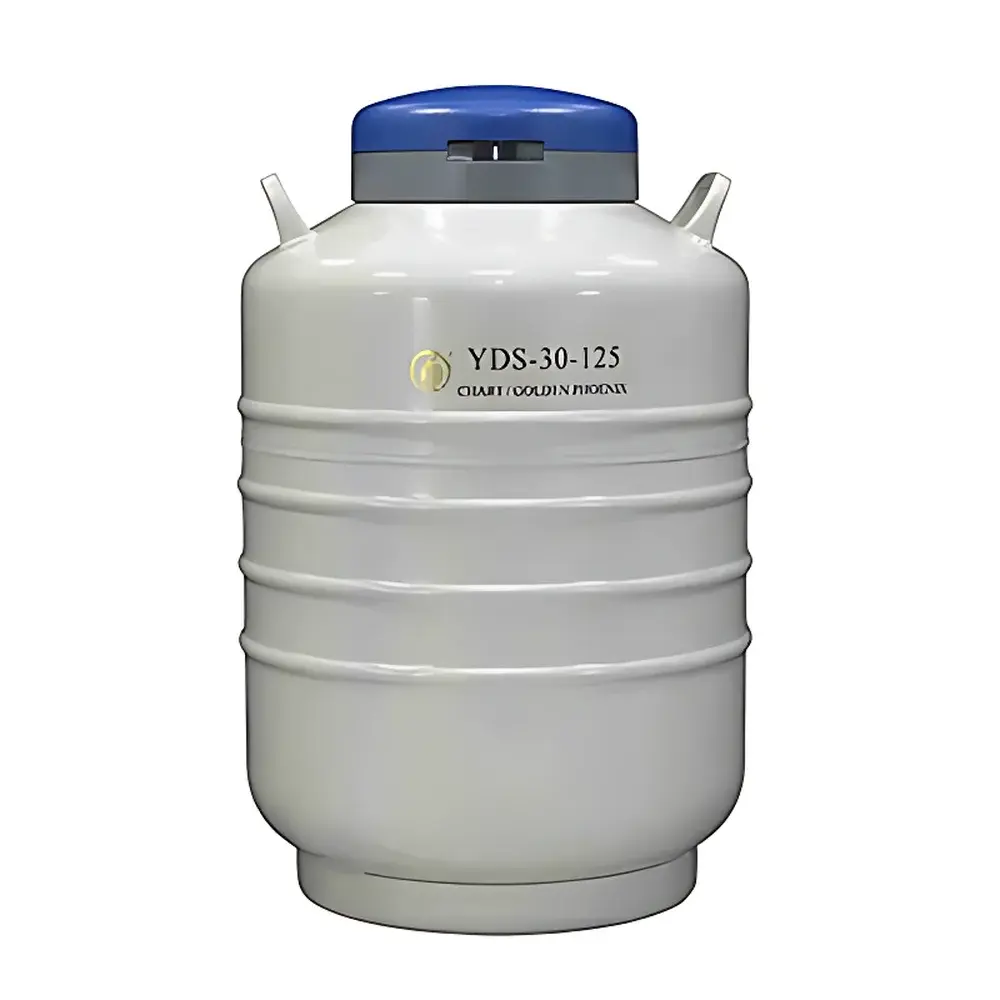
Jinfeng YDS-30-125 Square-Lift Canister Liquid Nitrogen Cryogenic Storage Dewar
| Brand | Jinfeng |
|---|---|
| Origin | Sichuan, China |
| Model | YDS-30-125 |
| Geometric Volume | 31.5 L |
| Empty Weight | 14.2 kg |
| Neck Opening Diameter | 125 mm |
| Outer Diameter | 446 mm |
| Total Height | 685 mm |
| Static Evaporation Rate | 0.35 L/day |
| Static Holding Time | 90 days |
| Number of Square Lift Canisters | 6 |
| Canister Dimensions | 82 × 84 mm |
| Box Dimensions | 76 × 76 mm |
| 2 mL Cryovial Capacity | 600 |
| Optional Lockable Lid | Yes |
| Standard Accessories | 1 Plug Cap + 1 Protective Sleeve |
Overview
The Jinfeng YDS-30-125 is a high-efficiency, square-lift canister liquid nitrogen (LN₂) cryogenic storage dewar engineered for long-term, ultra-low-temperature preservation of sensitive biological specimens—including primary cells, stem cell lines, oocytes, embryos, tissue explants, and genomic material. Designed in strict accordance with ISO 23878:2021 (Cryogenic Vessels — Vacuum Insulated Vessels for Storage and Transport of Biological Materials), this dewar utilizes a dual-wall aluminum construction with high-vacuum multilayer insulation (MLI) to minimize heat ingress and sustain stable temperatures below −190 °C. Its 125 mm neck opening enables rapid, ergonomic access to internal canisters while maintaining thermal integrity during routine sample retrieval—critical for minimizing thermal shock and preserving viability across repeated handling cycles.
Key Features
- Monolithic high-purity aluminum alloy body and inner vessel—formed via single-piece stamping and seamless welding—to ensure structural rigidity, corrosion resistance, and vacuum integrity over extended service life.
- Optimized high-vacuum insulation layer with ≥10⁻⁴ Pa residual pressure and reflective MLI foil stacks, delivering a static evaporation rate of ≤0.35 L/day and >90 days holding time under ISO-standard ambient conditions (25 °C, 60% RH).
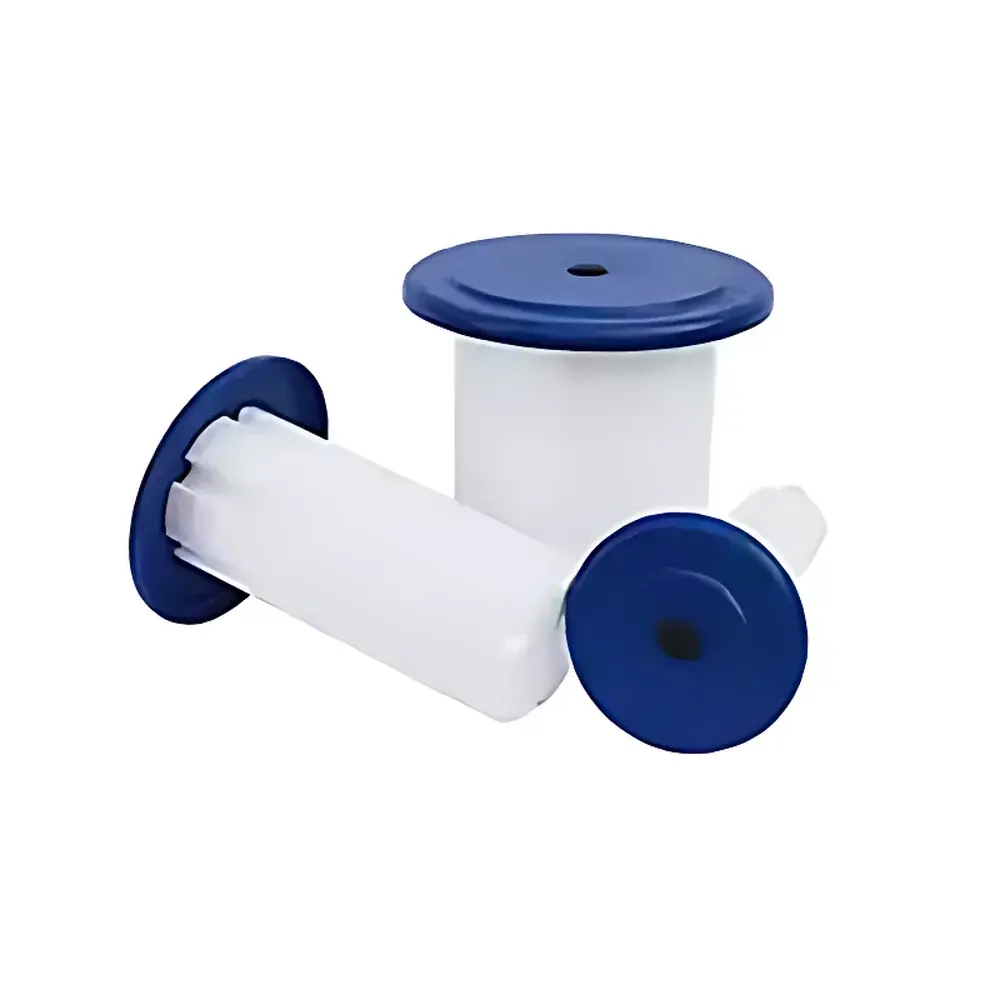
- Six standardized square lift canisters (82 × 84 mm), each accommodating up to 100 × 2 mL cryovials in 10 × 10 matrix boxes (76 × 76 mm), enabling systematic, traceable storage of up to 600 vials per dewar.
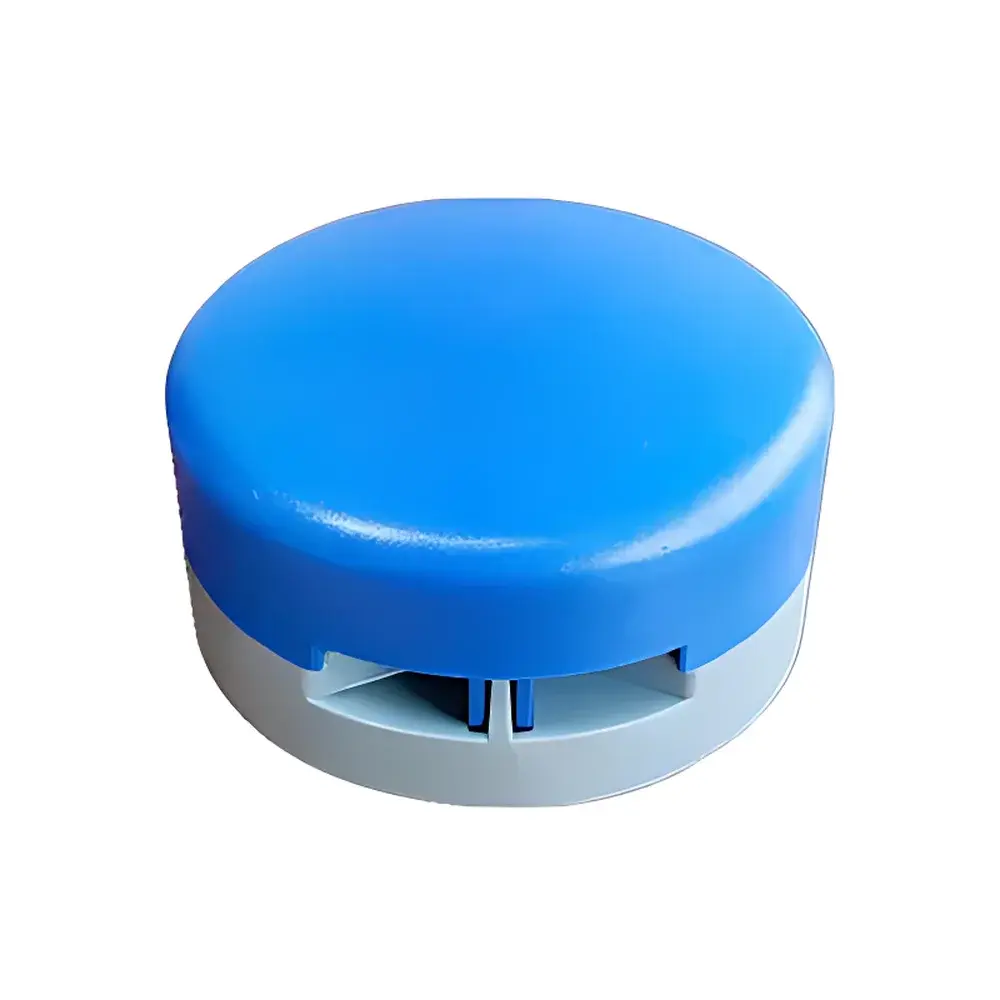
- Integrated neck tube design with low-conductivity stainless steel support structure and precision-machined aluminum plug cap to reduce boil-off during temporary lid removal.
- Optional lockable lid assembly compliant with GLP/GMP sample accountability requirements—supports physical access control and audit-ready chain-of-custody documentation.
- Modular mobility interface compatible with standard laboratory LN₂ transport carts (not included), facilitating safe intra-facility relocation without compromising vacuum seal or thermal stability.
Sample Compatibility & Compliance
The YDS-30-125 is validated for use with ANSI/ASTM F2648-compliant cryovials, cryoboxes, and straws. Its internal geometry accommodates both rack-based and direct-canister loading configurations. All wetted surfaces meet USP Class VI biocompatibility standards. The vessel conforms to EN 13408-1:2020 (Cryogenic vessels — Static vacuum insulated vessels) and is CE-marked for non-pressurized cryogenic storage applications. Documentation includes factory-certified vacuum decay test reports, thermal performance validation data, and material traceability certificates for aluminum alloys (AA5083 and AA6061).
Software & Data Management
While the base model operates as a passive storage system, optional digital monitoring modules (sold separately) integrate with third-party lab infrastructure via RS-485 or Modbus RTU protocols. These modules provide real-time logging of liquid nitrogen level (ultrasonic sensor), internal temperature (Pt100 probe), and ambient humidity—data exportable in CSV or XML format. Audit trails comply with FDA 21 CFR Part 11 requirements when deployed with validated electronic record systems. Firmware updates and calibration logs are timestamped and digitally signed to support ISO/IEC 17025-accredited quality management workflows.
Applications
This dewar serves as a core infrastructure component in clinical IVF laboratories, biobanks (including BBMRI-ERIC Tier 1 repositories), academic stem cell cores, and pharmaceutical R&D facilities conducting preclinical cryopreservation studies. It supports standardized workflows aligned with ISBER Best Practices (2023 edition) and NIH/NIAID biospecimen stewardship guidelines. Common use cases include long-term banking of induced pluripotent stem cells (iPSCs), preservation of patient-derived xenograft (PDX) models, secure archiving of CRISPR-edited cell lines, and backup storage for NGS library stocks prior to sequencing runs.
FAQ
What is the maximum recommended fill level for optimal thermal performance?
Fill to the top of the inner canister stack (approximately 28–30 L LN₂) to maintain uniform temperature distribution and minimize convective losses.
Can this dewar be used for vapor-phase storage?
Yes—the geometry and thermal profile support stable vapor-phase operation at −150 °C to −196 °C; however, vapor-phase configuration reduces total capacity by ~30% and requires recalibration of level sensors.
Is the vacuum insulation serviceable in the field?
No—vacuum integrity is factory-sealed and not user-serviceable; periodic verification using a calibrated vacuum gauge is recommended annually per ISO 23878 Annex B.
Does the dewar include a pressure relief mechanism?
Yes—a passive, non-adjustable burst disc rated at 1.5 bar(g) is integrated into the neck assembly to prevent over-pressurization during rapid warm-up or accidental sealing.
What maintenance intervals are recommended for GMP environments?
Visual inspection of O-rings and cap seating every 3 months; full external cleaning with isopropyl alcohol bi-weekly; formal vacuum integrity verification every 12 months or after any impact event.




