
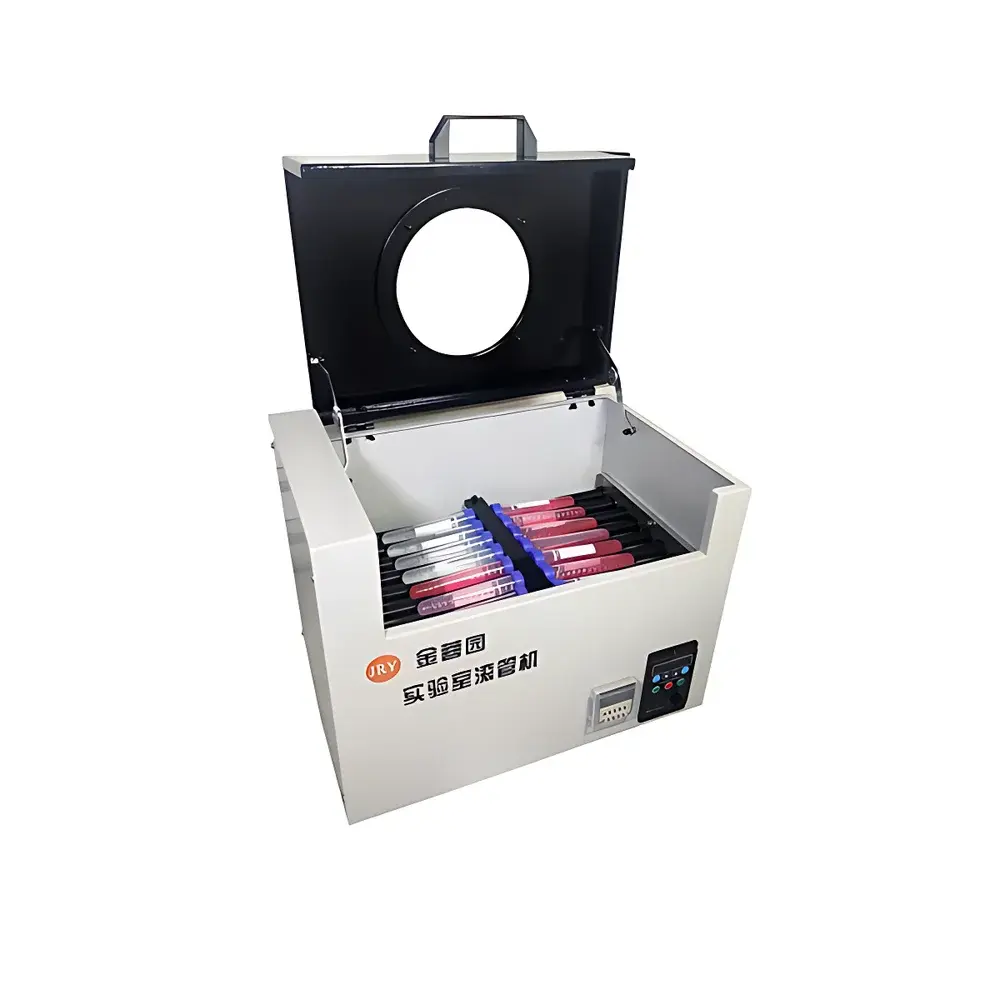
Jingrongyuan JRY-GP 500×300 Multi-Position Laboratory Roller Mixer
| Brand | Jingrongyuan |
|---|---|
| Origin | Hunan, China |
| Manufacturer Type | Authorized Distributor |
| Country of Origin | China |
| Model | JRY-GP 500×300 |
| Instrument Type | Roller Mixer (Not Magnetic Stirrer) |
| Max. Sample Volume per Vial | 8 L |
| Speed Range | 0–300 rpm |
| Temperature Control | Ambient Only |
| Motor Power | 100 W |
| Compliance | GB/T 24533–2019 |
Overview
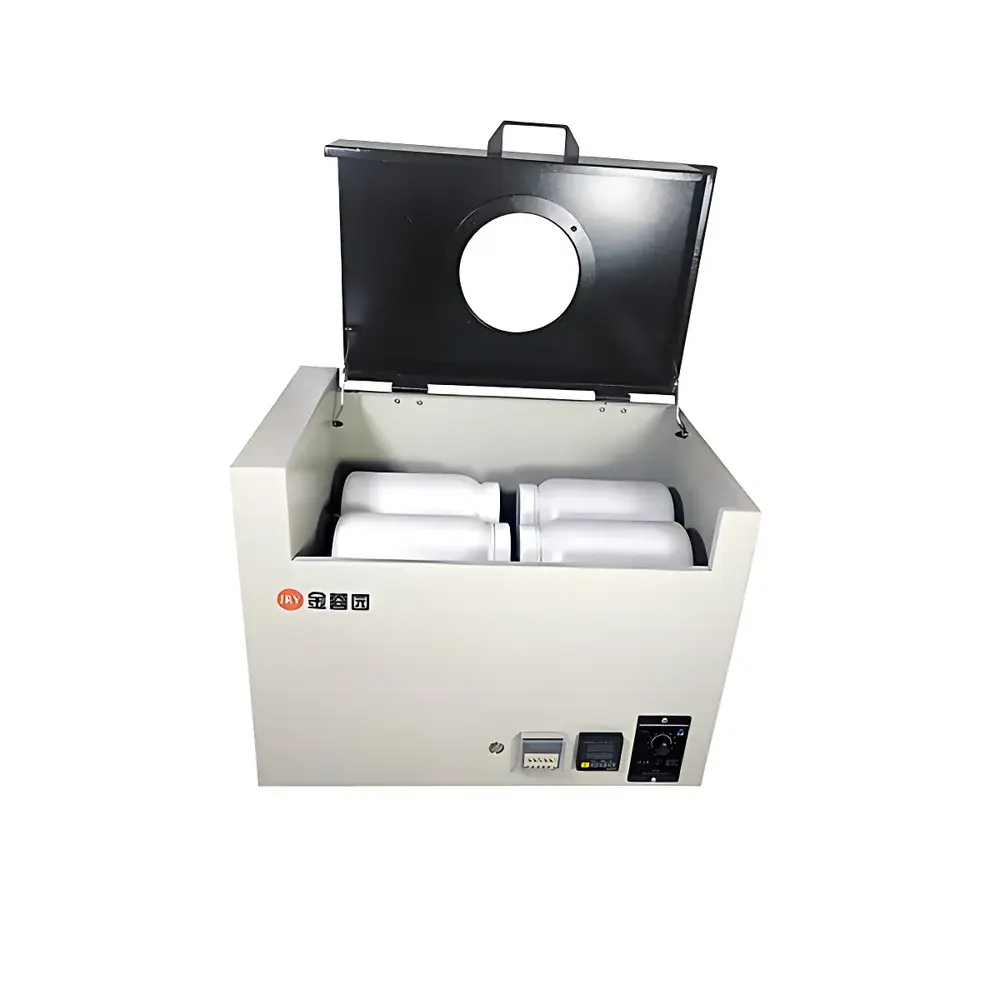
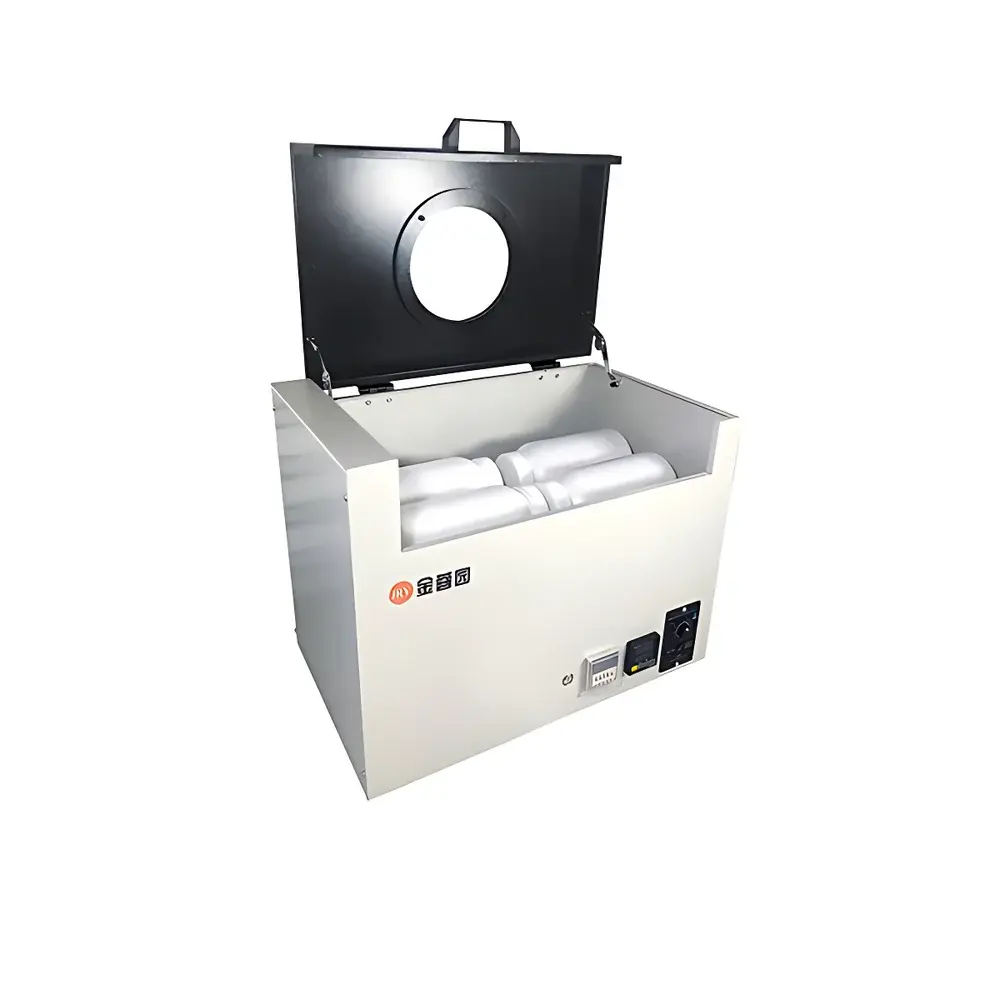
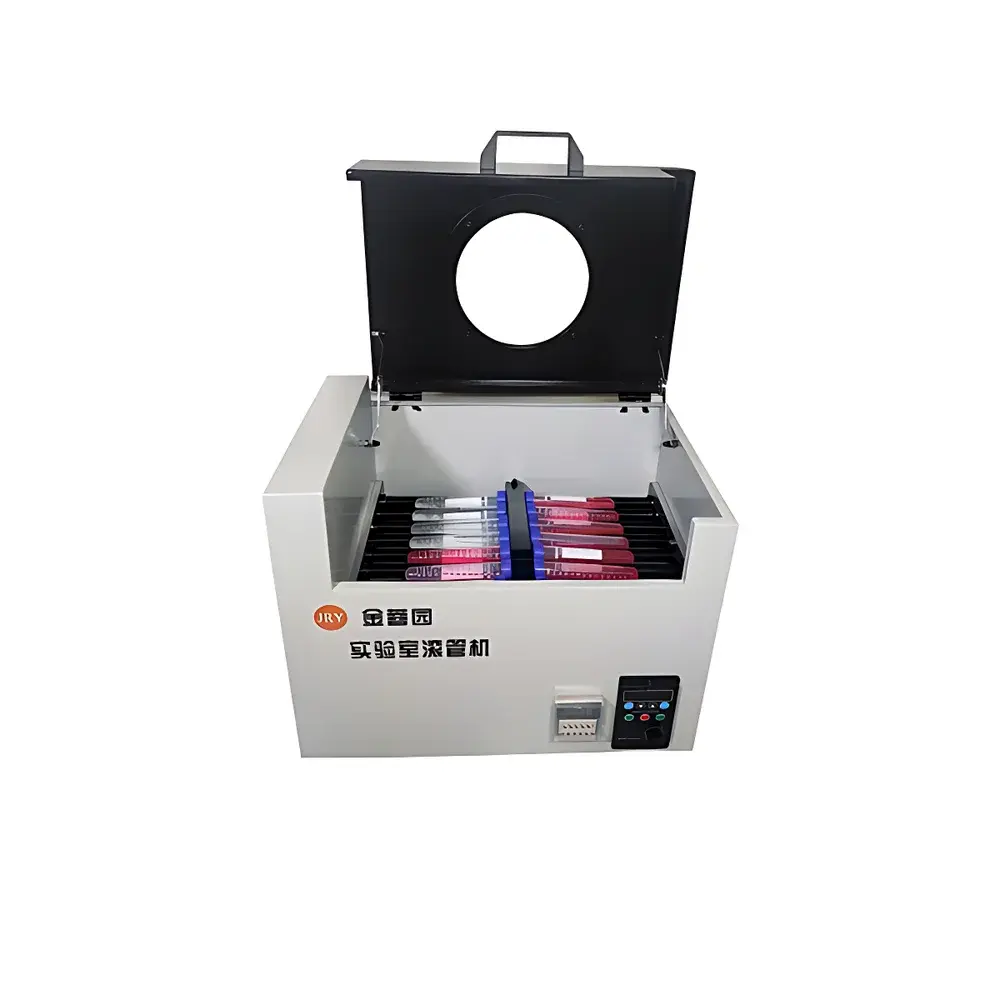
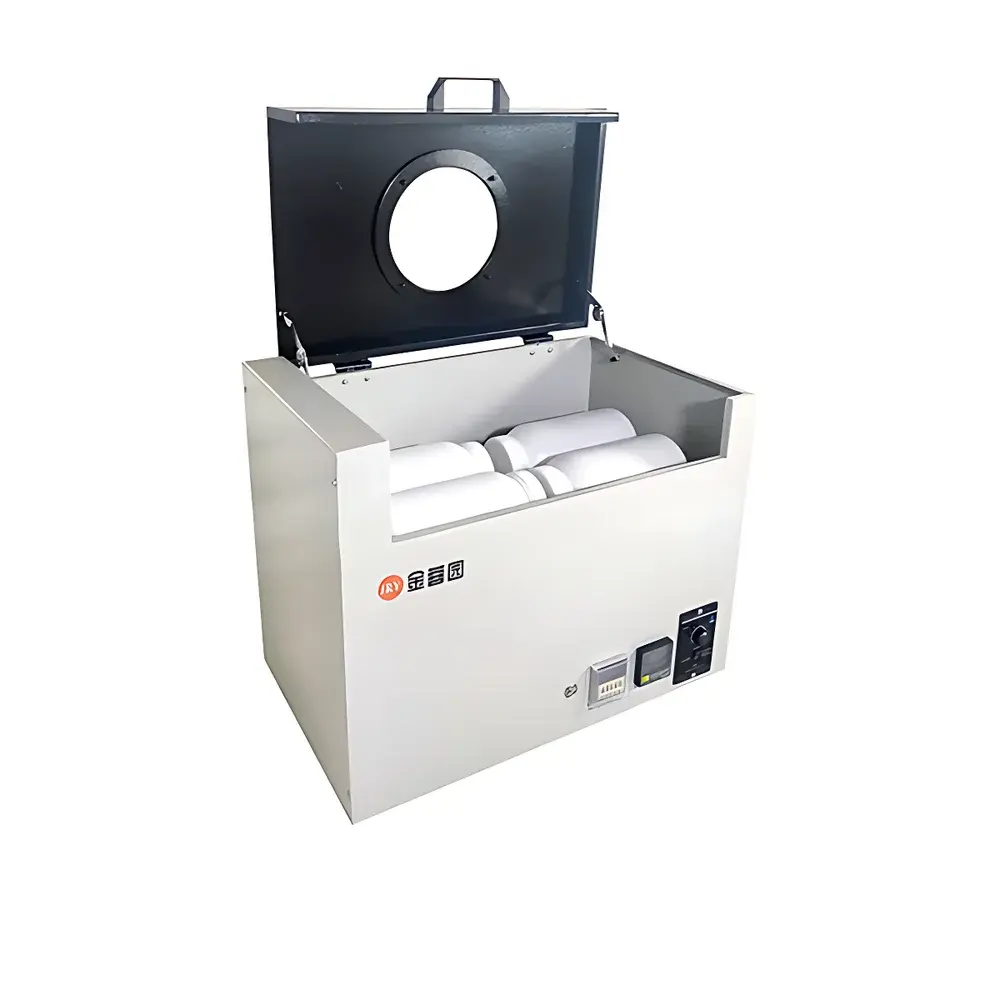
The Jingrongyuan JRY-GP 500×300 Multi-Position Laboratory Roller Mixer is an engineered solution for gentle, uniform, and contamination-controlled sample agitation across materials science, electrochemical research, pharmaceutical development, and environmental testing laboratories. Unlike magnetic stirrers or overhead shakers, this device operates on the principle of controlled rotational tumbling—where sealed sample containers (rollers or bottles) are mounted on parallel rotating shafts and subjected to consistent angular displacement at precisely adjustable speeds. This mechanism enables effective homogenization, wet dispersion, slurry conditioning, solvent extraction, and low-energy mechanical activation without introducing shear-induced degradation or external particulate contamination. Its design prioritizes operator safety, sample integrity, and process repeatability—particularly critical in applications such as magnetic impurity screening for lithium-ion battery anode materials, ICP-OES/MS digestion vessel pre-conditioning, and powder blending under inert or moisture-sensitive conditions.
Key Features
- Multi-position configuration with independent roller support for up to six standard-sized bottles (compatible with dimensions up to 500 mm × 300 mm), enabling parallel processing while maintaining spatial separation between samples.
- Stepless speed regulation from 0 to 300 rpm via digital encoder feedback, ensuring precise control over rotational kinetics for reproducible mixing intensity across batch runs.
- Passive ambient-temperature operation—no integrated heating or cooling elements—minimizing thermal drift during extended protocols and eliminating risk of thermal decomposition in temperature-sensitive matrices.
- Dual-seal roller cap system (inner + outer lid) constructed from chemically resistant polymers and stainless steel components, providing leak-tight containment for volatile, corrosive, or biohazardous samples.
- Low-noise brushless DC motor (100 W nominal output) with reinforced gear train and vibration-damping mounting, achieving sound pressure levels below 52 dB(A) at 1 m distance during continuous operation.
- Modular roller interface accommodates a wide range of container materials—including borosilicate glass, polypropylene (PP), polyethylene (PE), 316 stainless steel, nylon, and alumina ceramics—supporting compatibility with aggressive solvents, HF-based digestants, and high-pH leaching media.
Sample Compatibility & Compliance
The JRY-GP platform is validated for use in workflows aligned with GB/T 24533–2019 “Graphite Anode Materials for Lithium-Ion Batteries,” specifically supporting magnetic contaminant extraction procedures where sealed rolling action facilitates quantitative recovery of ferromagnetic particles from graphite slurries. When paired with PTFE-coated magnetic rods, it forms a standardized sample preparation sequence referenced in industry QC protocols for cathode/anode raw material release testing. The unit’s fully enclosed architecture meets occupational hygiene requirements outlined in GBZ 2.1–2019 (Occupational Exposure Limits for Hazardous Agents in Workplace Air), reducing inhalation and dermal exposure risks during handling of fine powders or toxic reagents. While not certified to ISO/IEC 17025 or GLP Annexes by default, its operational traceability—via manual log entries or optional RS-232 timestamped runtime records—supports audit readiness in regulated environments.
Software & Data Management
This model operates via a front-panel keypad and LED display interface with programmable timer functionality (up to 99 hours 59 minutes). Automatic shutdown upon completion ensures protocol adherence and energy efficiency. Though no proprietary software suite is bundled, the device supports integration into laboratory information management systems (LIMS) through optional serial communication modules (RS-232 or TTL-level UART), enabling remote start/stop commands and runtime logging. All parameter settings—including speed setpoint, elapsed time, and remaining duration—are retained after power cycling. For GxP-aligned deployments, users may implement supplemental electronic lab notebook (ELN) entries documenting roller ID, bottle lot number, rotation profile, and post-run visual inspection results—fulfilling basic data integrity expectations under FDA 21 CFR Part 11 when combined with appropriate access controls and audit trail practices.
Applications
- Lithium-ion battery R&D: Slurry homogenization of NMC, LFP, or silicon-carbon composites; magnetic impurity mobilization prior to filtration and ferrography analysis.
- ICP sample preparation: Uniform wetting and dissolution assistance for solid samples in closed-vessel acid digestion protocols (e.g., EPA Method 3052, ISO 11885).
- Pharmaceutical QA/QC: Blending validation of excipients and APIs under cGMP-compliant conditions; residual solvent removal via rotary evaporation-assisted drying cycles.
- Environmental testing: Extraction of heavy metals from soil/sediment matrices using TCLP or SPLP leaching solutions in sealed HDPE rollers.
- Biomaterial processing: Gentle resuspension of lyophilized proteins or cell pellets without foaming or denaturation; buffer exchange via dialysis-compatible roller formats.
FAQ
Is the JRY-GP suitable for use with flammable solvents?
Yes—provided rollers are rated for chemical compatibility and sealed appropriately. The absence of internal heat sources and spark-free motor design reduces ignition risk, though operation must comply with local fire safety regulations and fume hood requirements.
Can the unit be calibrated for speed accuracy?
While not supplied with factory calibration certificates, users may verify rotational speed using a non-contact tachometer traceable to NIST standards. Deviation tolerance is ±2 rpm across the full 0–300 rpm range under load.
What maintenance intervals are recommended?
Lubrication of drive shaft bearings every 12 months; visual inspection of roller clamps and motor housing seals before each use; replacement of worn rubber damping feet if uneven vibration exceeds 0.15 mm/s RMS.
Does it support unattended overnight operation?
Yes—the built-in timer and auto-shutoff function allow safe extended runs. However, periodic verification of seal integrity and roller stability is advised for >8-hour protocols.
How does it differ from orbital shakers or vortex mixers?
Roller mixing applies low-shear, gravity-driven tumbling motion ideal for viscous suspensions and sediment-prone samples, whereas orbital shakers generate higher acceleration forces and vortex devices induce turbulent surface agitation—both less suited for fragile particles or sealed-container workflows.



