
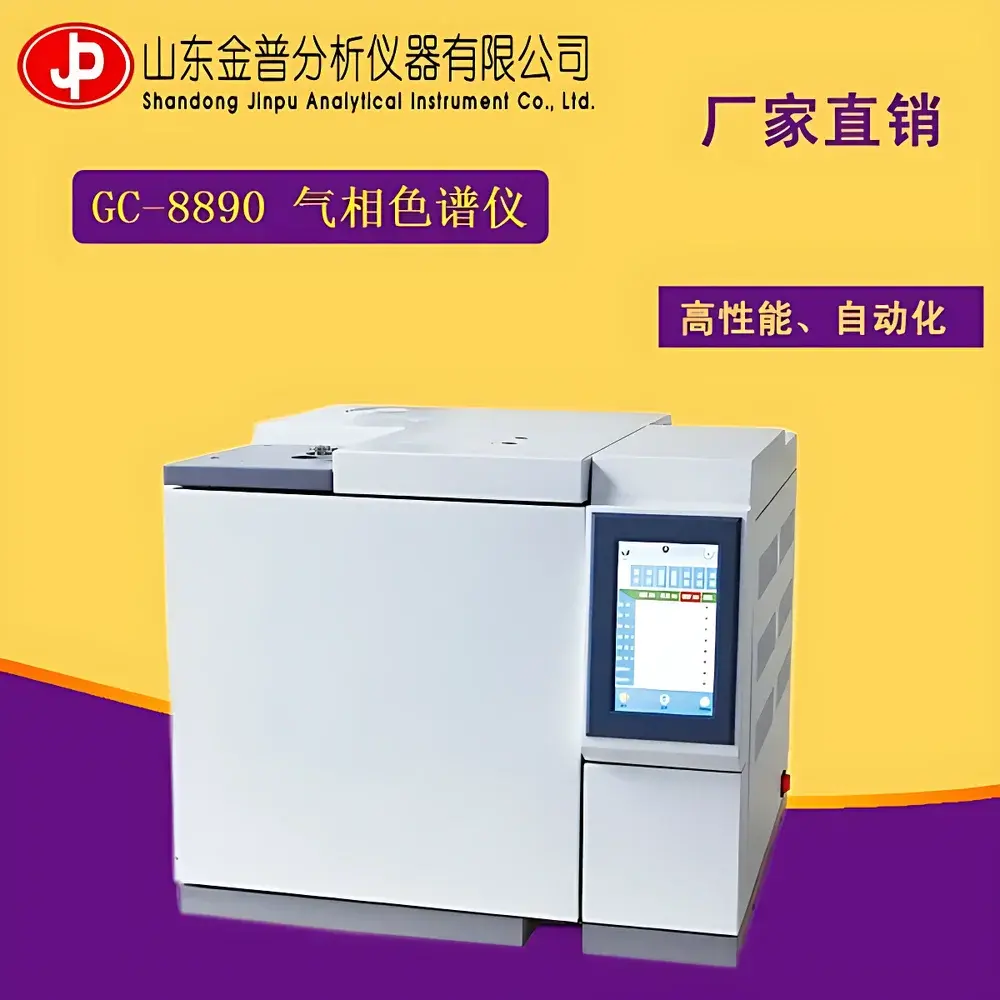
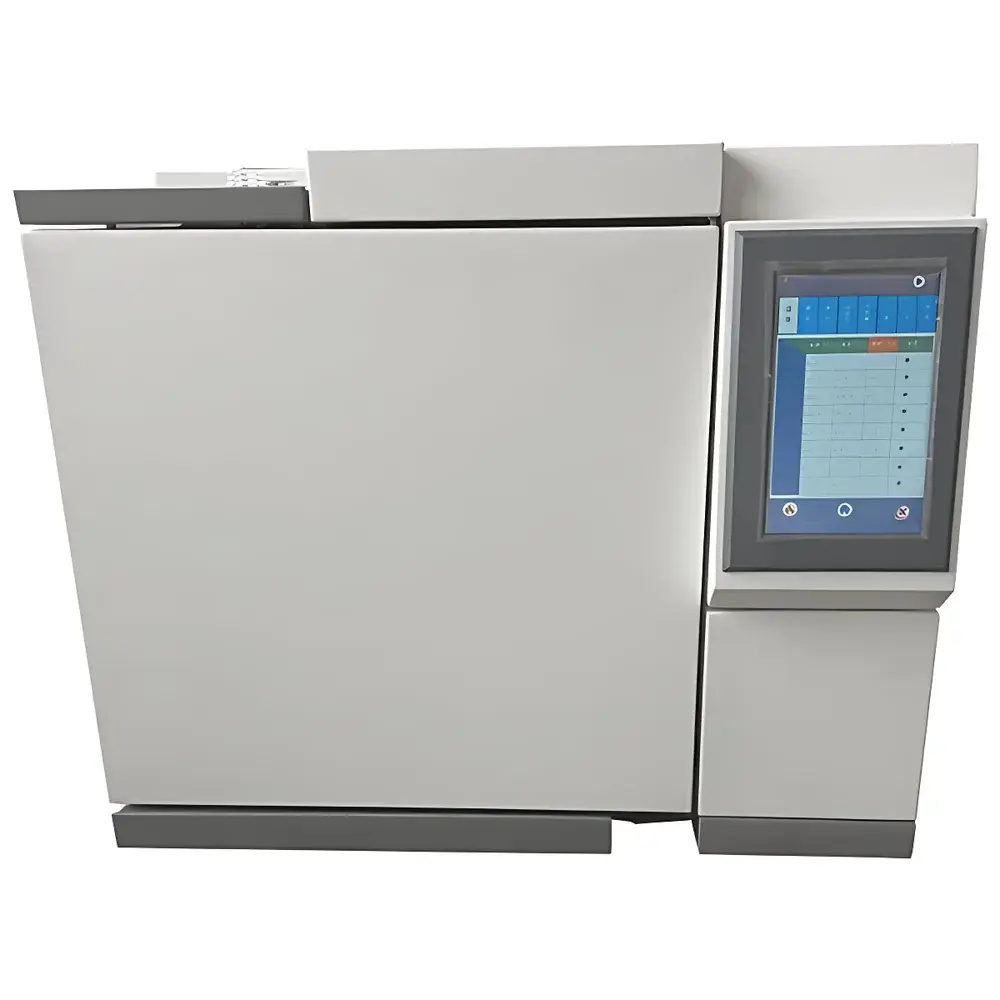
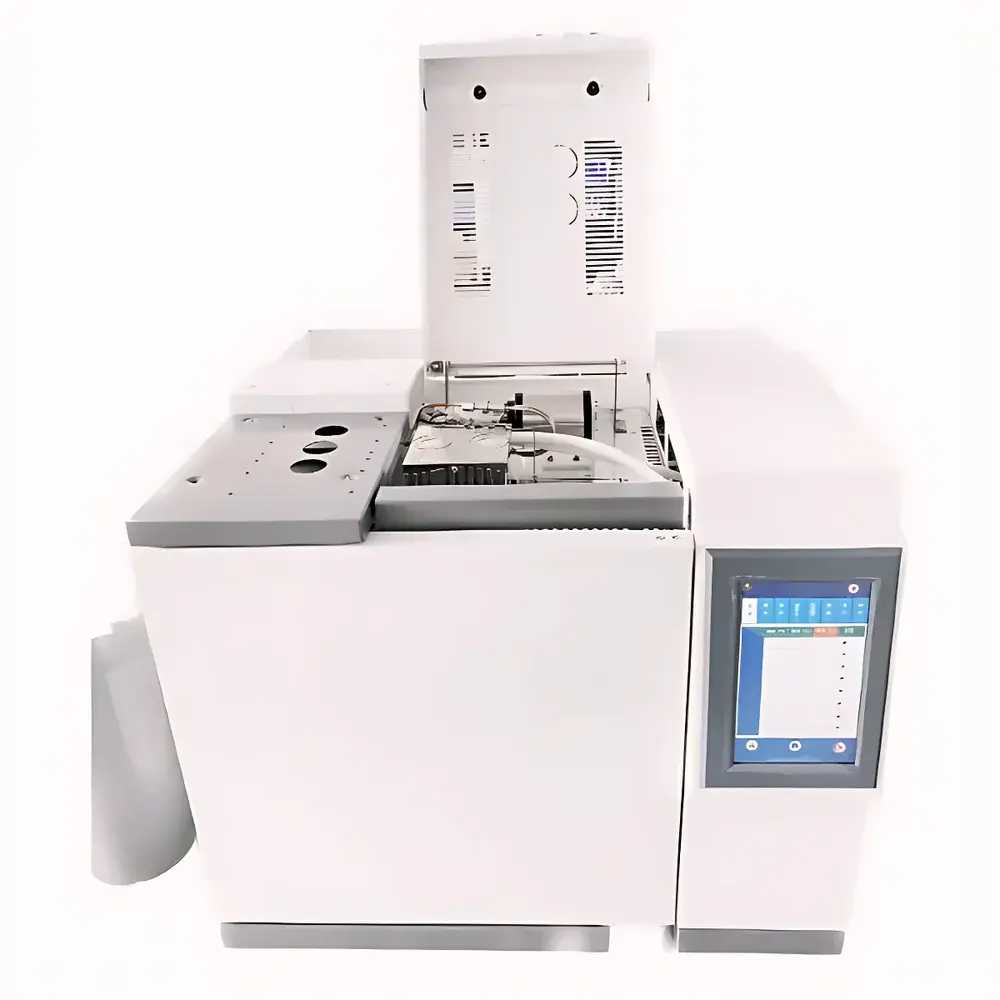
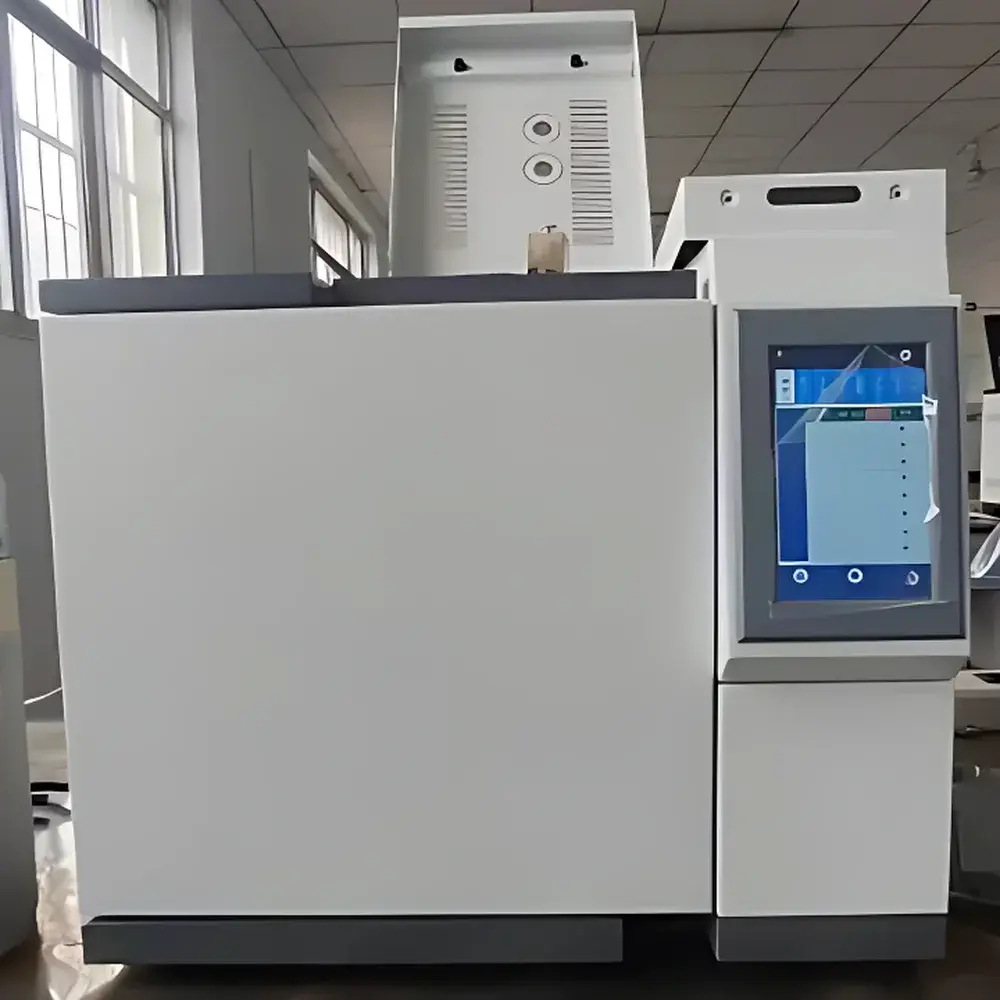
Jinpu GC_8890 Online Gas Chromatograph for Natural Gas and Liquefied Petroleum Gas (LPG) Analysis
| Brand | Jinpu |
|---|---|
| Origin | Shandong, China |
| Model | GC_8890 |
| Instrument Type | Online Gas Chromatograph |
| Application Field | Petrochemical Industry |
| Temperature Control Range | Ambient + 8 °C to 420 °C |
| Oven Ramp Rate | 0.1–40 °C/min |
| Oven Cool-down Rate | 450 °C to 50 °C in ~6 min |
| Carrier Gas Flow Range & Control | 0–1200 mL/min (7 programmable segments) |
| Carrier Gas Pressure Range & Control | 0–970 kPa |
| Injector Maximum Operating Temperature | 450 °C |
| Injector Pressure Setting Range | 0–970 kPa |
| Injector Total Flow Setting Range | 0–1200 mL/min |
Overview
The Jinpu GC_8890 Online Gas Chromatograph is a purpose-engineered analytical platform designed specifically for continuous compositional analysis of natural gas (NG) and liquefied petroleum gas (LPG) streams in petrochemical processing, custody transfer, and quality assurance environments. It operates on the principle of gas-phase separation coupled with selective detection—utilizing capillary or packed column chromatography to resolve complex hydrocarbon mixtures (C1–C6+ alkanes, ethane, propane, butanes, pentanes, nitrogen, carbon dioxide, hydrogen sulfide, and inert gases) based on volatility and polarity differences. The system integrates fully electronic pressure and flow control (EPC/EFC), high-stability temperature programming, and multi-detector support to deliver reproducible, trace-level quantification compliant with ASTM D1945, ASTM D1946, ISO 6974, and GPA 2261 standards. Its online architecture enables uninterrupted operation with minimal manual intervention, supporting integration into plant DCS/SCADA systems via Ethernet-based remote control and data acquisition.
Key Features
- Full Ethernet connectivity (10/100 Mbit/s) enabling secure remote instrument control, real-time spectral monitoring, and centralized fleet management across distributed facilities.
- Touchscreen HMI with intuitive graphical interface for local configuration, method editing, and diagnostic access—designed for operation in industrial control rooms or field shelters.
- Eight independently controlled temperature zones—including oven, up to four injectors, and up to three detectors—with precision of ±0.1 °C and resolution of 0.1 °C; supports up to 16-step temperature programming.
- Advanced EPC/EFC modules providing digital regulation of carrier, makeup, and detector gases (N₂, H₂, He, air) across 16 measurement channels; configurable in constant-flow, constant-pressure, or split-mode with 4-stage pressure ramping.
- Rapid thermal management: heating rate up to 80 °C/min and forced cool-down from 450 °C to 50 °C in approximately 6 minutes—enabled by patented rear-door airflow design (ZL2012 2 0286920.0) for near-ambient baseline stability.
- Dual- or multi-detector capability: simultaneous operation of FID and TCD; dual-TCD or dual-FID configurations; optional ECD, FPD, and NPD modules for sulfur, halogen, or nitrogen-containing compound detection.
- Integrated auto-ignition and flame-out detection (patent ZL2012 2 0285854.5) with fail-safe shutdown logic, ensuring operational continuity and safety compliance in unattended deployments.
- Four external event ports supporting automated multi-valve sequencing—enabling heart-cutting, back-flushing, and comprehensive two-dimensional GC (GC×GC) configurations for enhanced resolution of overlapping peaks.
Sample Compatibility & Compliance
The GC_8890 accommodates gaseous samples directly introduced via pressurized loop injection or through standardized sampling interfaces (e.g., Swagelok 1/8″ tubing, ASTM D1945-compliant sample conditioning systems). It accepts both ambient-temperature and heated sample lines, with optional moisture and particulate filtration. Regulatory alignment includes design features supporting GLP/GMP environments: audit-trail-enabled software logging, user-access controls, electronic signatures, and data integrity safeguards consistent with FDA 21 CFR Part 11 requirements when paired with validated chromatography data systems (CDS). All thermal and pneumatic subsystems meet IEC 61000-6-2/6-4 electromagnetic compatibility standards and operate within ATEX Zone 2 / Class I Div 2 hazardous area guidelines when installed with appropriate enclosures.
Software & Data Management
The system operates with Jinpu’s proprietary GC Navigator™ CDS, a Windows-based application supporting method development, sequence scheduling, peak integration (with retention time locking and library matching), calibration curve generation (linear, quadratic, or multipoint), and report export in PDF, CSV, or XML formats. Raw data files adhere to ANDI/NetCDF format for cross-platform interoperability. Remote access is secured via TLS 1.2 encryption; role-based permissions restrict configuration changes to authorized personnel. Audit trails record all parameter modifications, run executions, and user logins with timestamps and IP addresses—facilitating regulatory inspections and internal QA reviews. Integration with LIMS and MES platforms is supported via OPC UA and RESTful API protocols.
Applications
- Real-time monitoring of pipeline natural gas composition for Wobbe index, heating value, and interchangeability assessment per AGA Report No. 8.
- Batch certification of LPG (propane/butane blends) in refinery off-gas streams and terminal loading operations.
- Trace impurity profiling—including H₂S, COS, mercaptans, and oxygenates—for corrosion mitigation and specification compliance (e.g., GPA 2145, ISO 8573-5).
- Quality control of syngas, biogas, and landfill gas prior to upgrading or combustion.
- Research-grade hydrocarbon speciation in catalytic cracking and reforming effluents.
FAQ
Is the GC_8890 certified for use in hazardous locations?
The base instrument is rated for general-purpose industrial use; however, it may be deployed in Zone 2 or Class I Div 2 areas when housed in an approved explosion-proof enclosure and connected via intrinsically safe signal interfaces—subject to site-specific risk assessment and local authority approval.
Can the system operate unattended for extended periods?
Yes. With integrated auto-sampler support, remote diagnostics, email/SMS alerting, and scheduled maintenance reminders, the GC_8890 is engineered for >30-day continuous operation with <0.5% downtime under routine calibration and consumables replenishment schedules.
What detector combinations are factory-supported for NG/LPG analysis?
Standard configurations include FID–TCD dual detection for hydrocarbon + permanent gas quantification; optional ECD or FPD modules enable sulfur-species tracking per ISO 8573-6 or GPA 2286. Detector selection follows ASTM D1945 Annex A1 methodology.
Does the software support 21 CFR Part 11 compliance out-of-the-box?
GC Navigator™ includes configurable electronic signature workflows, audit trail generation, and data archival tools—but full Part 11 validation requires site-specific IQ/OQ/PQ documentation and IT infrastructure alignment per organizational SOPs.
What is the typical service interval for preventive maintenance?
Under standard operating conditions, recommended intervals are: inlet liner replacement every 200 injections, column trimming every 6 months, detector cleaning quarterly, and full pneumatic calibration semiannually—documented via built-in maintenance scheduler.
Related Products






