
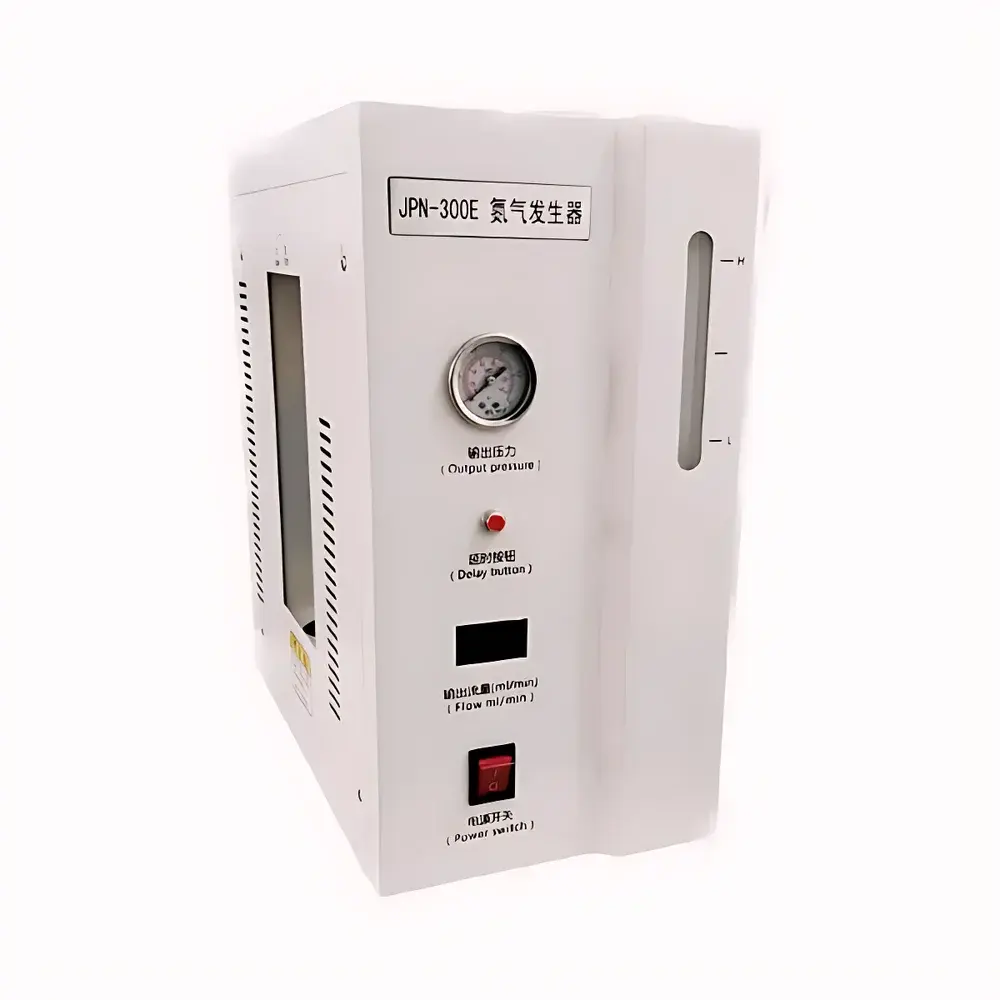
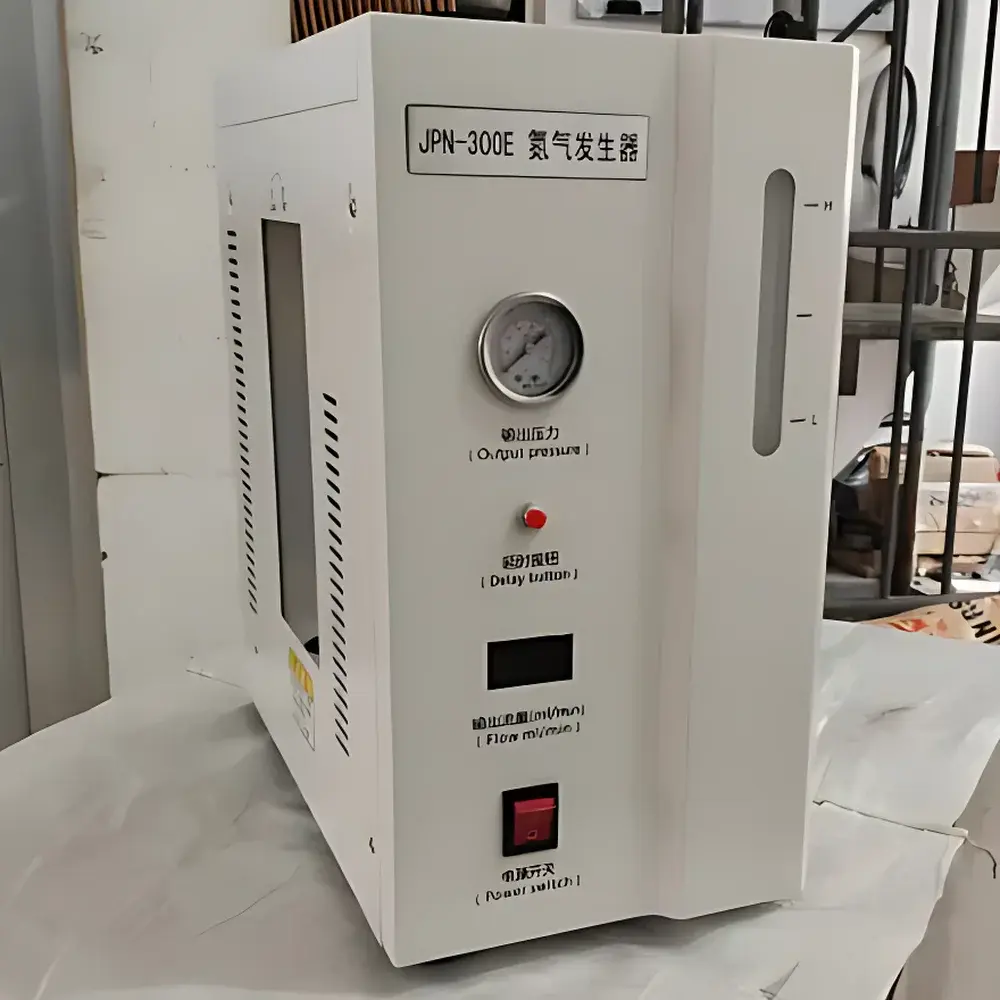
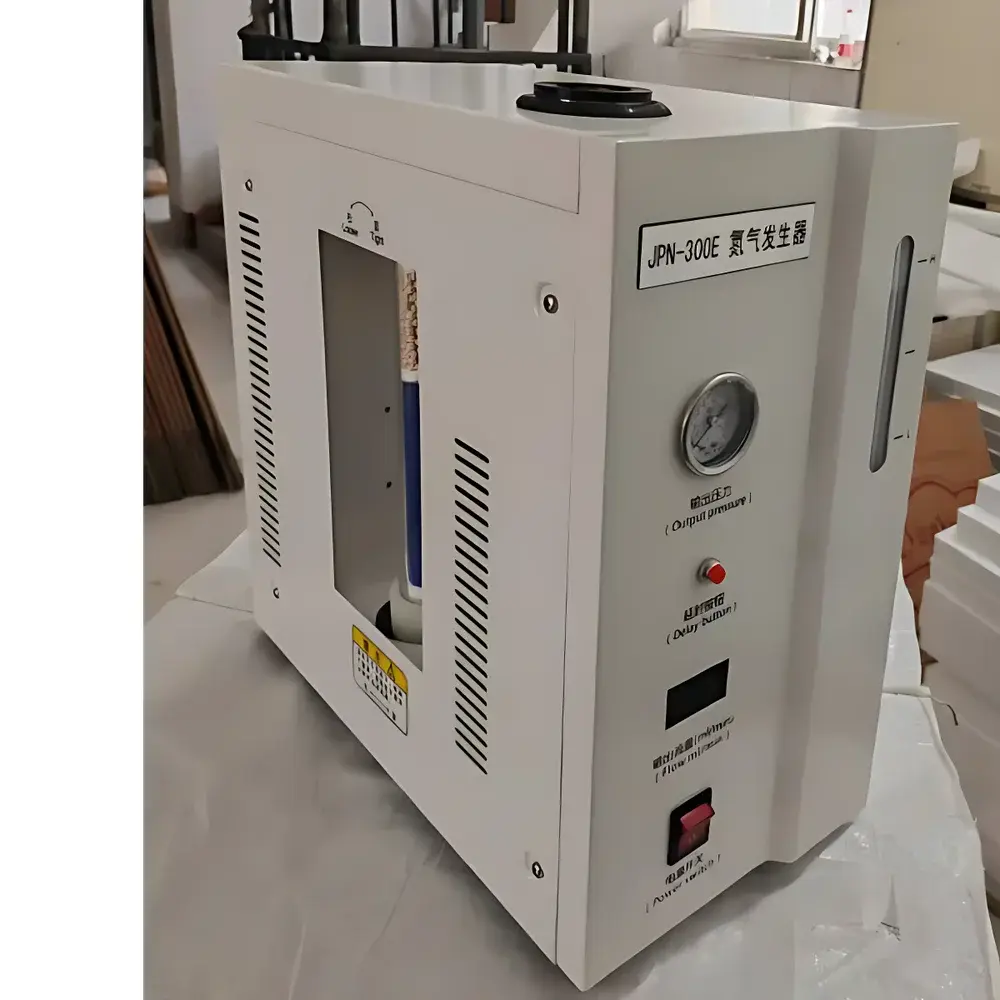
Jinpu JPN-300E Membrane-Based Nitrogen Generator
| Brand | Jinpu |
|---|---|
| Model | JPN-300E |
| Output Flow Rate | 0–300 mL/min |
| Output Pressure | 0–0.4 MPa |
| Nitrogen Dew Point | −56 °C |
| Oxygen Impurity | ≤3 ppm |
| Power Consumption | 60 W |
| Input Voltage | AC 220 V ±10%, 50 Hz ±1% |
| Operating Temperature | 0–40 °C |
| Relative Humidity | ≤85% RH |
| Dimensions (L×W×H) | 320 × 180 × 350 mm |
| Weight | 15 kg |
| Pressure Stability | ≤±0.001 MPa |
Overview
The Jinpu JPN-300E Membrane-Based Nitrogen Generator is an on-demand, compact gas generation system engineered for laboratories requiring continuous, high-purity nitrogen without reliance on high-pressure cylinders or liquid nitrogen dewars. It operates on the principle of selective gas permeation through hollow-fiber polymeric membranes—where compressed ambient air is fed into the module, and under differential pressure, oxygen, water vapor, carbon dioxide, and other trace gases permeate preferentially through the membrane walls, while nitrogen—being less permeable—remains as the retentate stream. This physical separation mechanism ensures stable, maintenance-light operation with no consumables beyond standard compressed air supply (oil-free, dried to ≤−40 °C dew point recommended). The integrated electrolytic-assisted purification stage further reduces residual oxygen to ≤3 ppm and achieves a consistent −56 °C dew point, meeting stringent requirements for GC carrier gas, LC-MS blanking, glovebox purging, and inert atmosphere synthesis.
Key Features
- Integrated dual-stage purification: Membrane separation core augmented by electrochemical oxygen scavenging for enhanced purity stability
- Digital flow display with real-time monitoring (0–300 mL/min range), calibrated against NIST-traceable standards
- Compact footprint (320 × 180 × 350 mm) and lightweight design (15 kg) optimized for benchtop integration in analytical labs and QC environments
- Robust pressure regulation system with <±0.001 MPa output stability—critical for sensitive applications such as gas chromatography and thermal desorption
- Low power draw (60 W) and silent operation (<45 dB(A)), supporting 24/7 unattended use in shared lab spaces
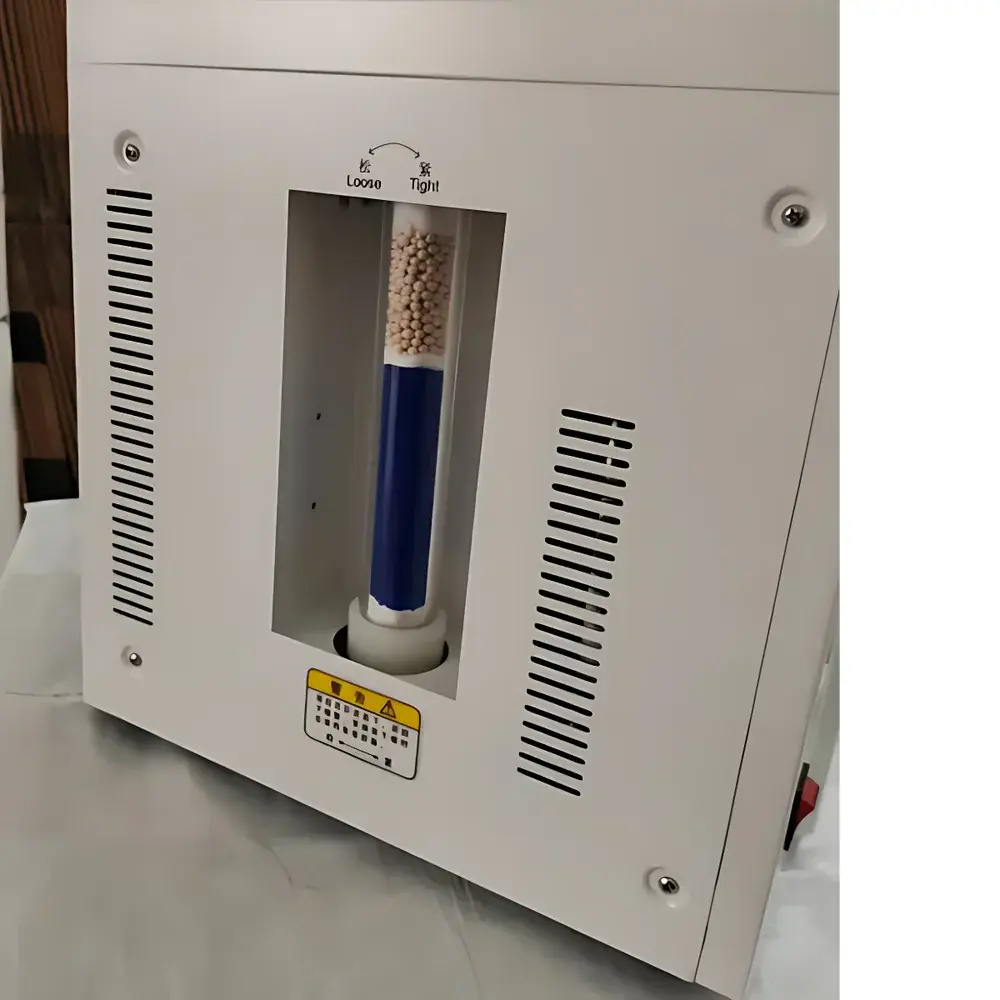
- Front-panel accessible filter cartridges (particulate + coalescing) with service interval indicators aligned with ISO 8573-1 Class 3:3:3 compressed air input specifications
Sample Compatibility & Compliance
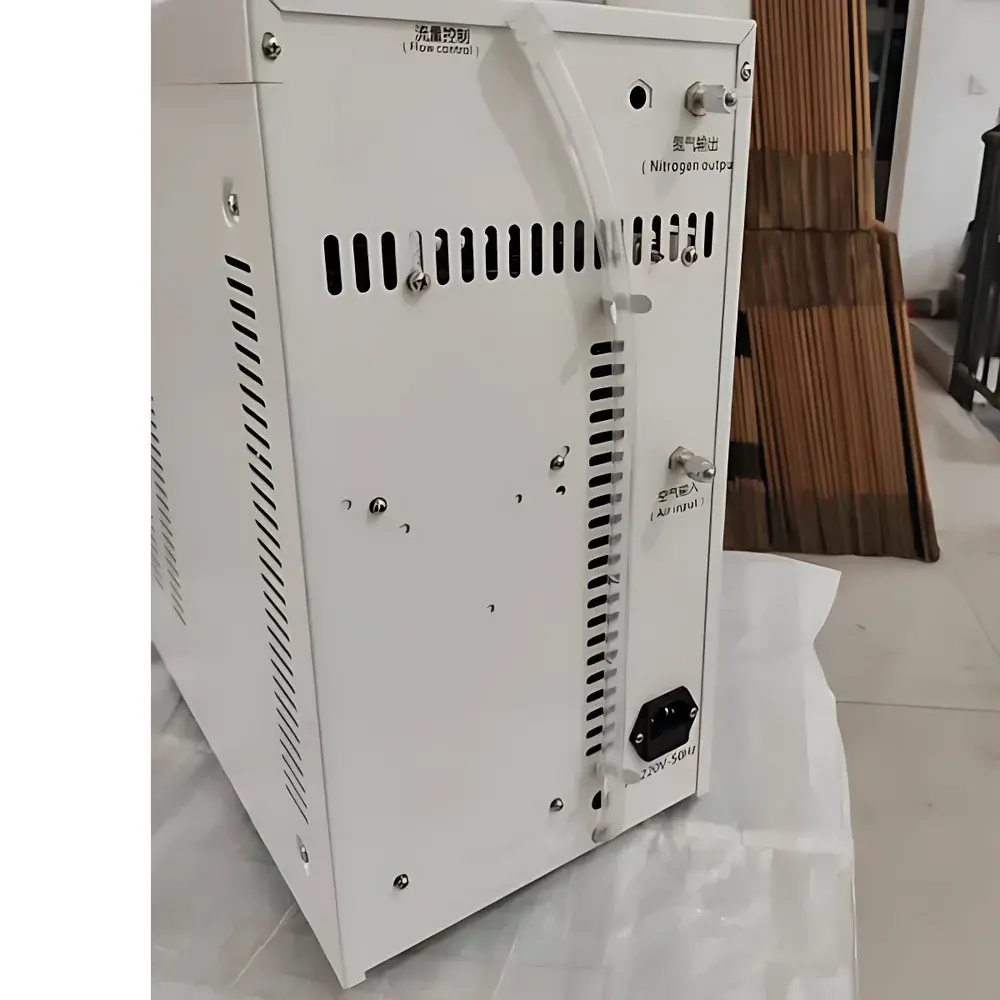
The JPN-300E delivers nitrogen compliant with ASTM D6624-22 (Standard Specification for High-Purity Nitrogen for Use in Analytical Instrumentation) and meets minimum purity thresholds required by USP , EP 2.2.42, and ISO 8573-1:2010 Class 1 for particulates and Class 2 for moisture. Its −56 °C dew point satisfies ICH Q5C stability testing environmental controls and supports GLP-compliant method validation where gas purity documentation is auditable. The unit is CE-marked per EN 61000-6-3 (EMC) and EN 61000-6-2 (immunity), and conforms to RoHS 2011/65/EU directive for hazardous substances. No external venting or exhaust ducting is required; all waste gases (enriched O₂ and CO₂) are safely discharged at atmospheric pressure via rear-mounted passive vents.
Software & Data Management
While the JPN-300E operates as a standalone analog-controlled generator, it includes optional RS-232 or USB-C digital interface (firmware v2.1+) for integration into centralized lab infrastructure. When connected, LabManager Pro™ (v4.3+) enables remote parameter logging—including real-time flow, outlet pressure, and internal temperature—with timestamped CSV export. Audit trails comply with FDA 21 CFR Part 11 requirements when deployed with electronic signature-enabled host systems. All calibration events, filter replacement records, and performance verifications are stored locally in non-volatile memory with write-protection enabled by default.
Applications
- Carrier gas supply for capillary GC and GC-MS systems requiring ≤3 ppm O₂ and consistent flow/pressure profiles
- Blank gas for LC-MS mobile phase sparging and instrument purge lines to minimize background noise
- Inert blanket gas for solvent evaporation stations, rotary evaporators, and Schlenk line manifolds
- Zero-air generation support (when paired with catalytic oxidizer) for ambient air monitoring calibrations
- Process gas for semiconductor packaging QA, solder reflow profiling, and optical fiber coating environments
- Controlled-atmosphere storage for hygroscopic reference standards and certified reference materials (CRMs)
FAQ
What compressed air quality is required for optimal JPN-300E performance?
A clean, oil-free, and desiccated air supply meeting ISO 8573-1 Class 3:3:3 (≤0.1 µm particles, ≤−40 °C pressure dew point, ≤0.01 mg/m³ oil aerosol) is mandatory to prevent membrane fouling and extend service life beyond 15,000 operating hours.
Can the JPN-300E be used as a backup for a central nitrogen plant?
Yes—it is routinely deployed as a localized redundancy source for critical instruments during scheduled maintenance or unexpected outages of bulk supply systems, provided inlet pressure remains within 0.5–0.8 MPa range.
Is routine calibration required?
No scheduled recalibration is needed; however, annual verification using a certified oxygen analyzer (e.g., Servomex Xentaur XO-300) and chilled-mirror hygrometer (e.g., Vaisala DM70) is recommended for ISO/IEC 17025-accredited labs.
Does the unit require coolant or external water supply?
No—operation is entirely dry and self-contained. Heat dissipation occurs passively via aluminum heat sinks integrated into the membrane housing and power supply chassis.
How often must filters be replaced?
Under typical lab conditions (8 hrs/day, ISO Class 7 environment), pre-filters should be inspected every 6 months and replaced annually—or sooner if pressure drop exceeds 0.05 MPa across the inlet filter housing.



