
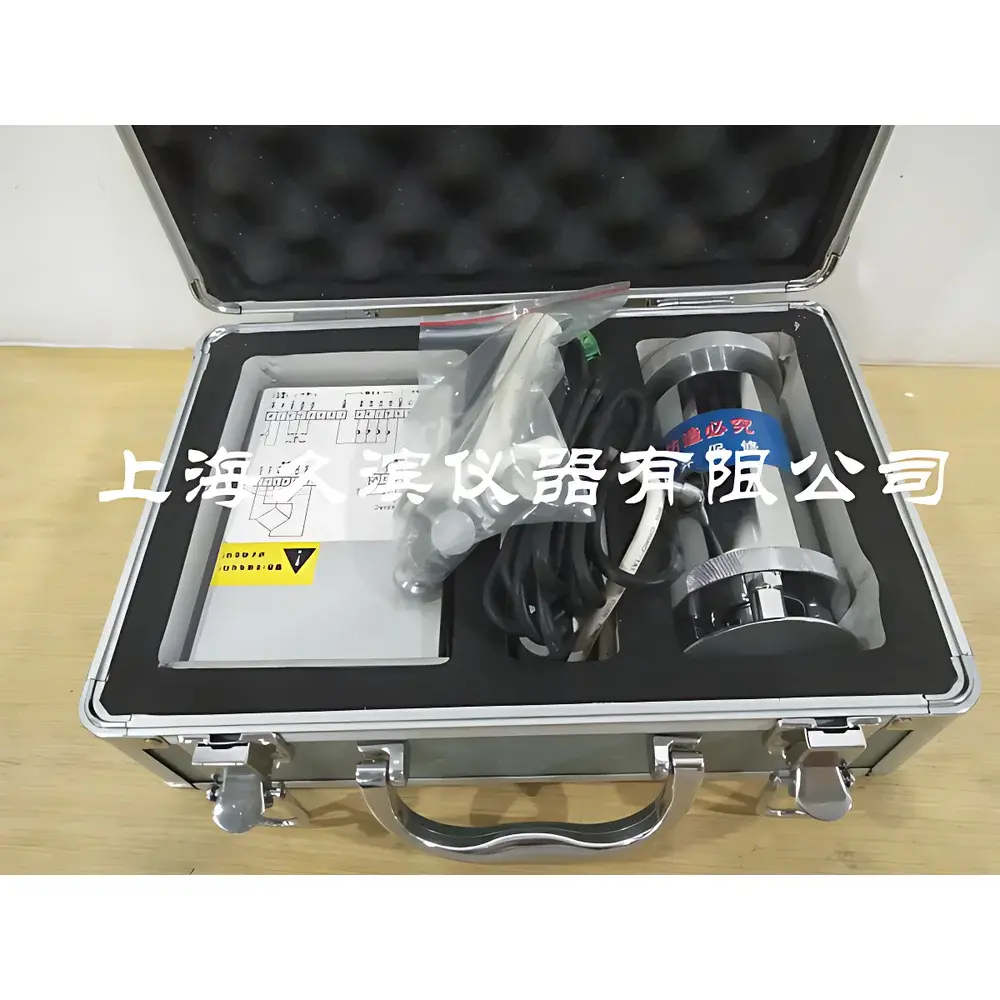
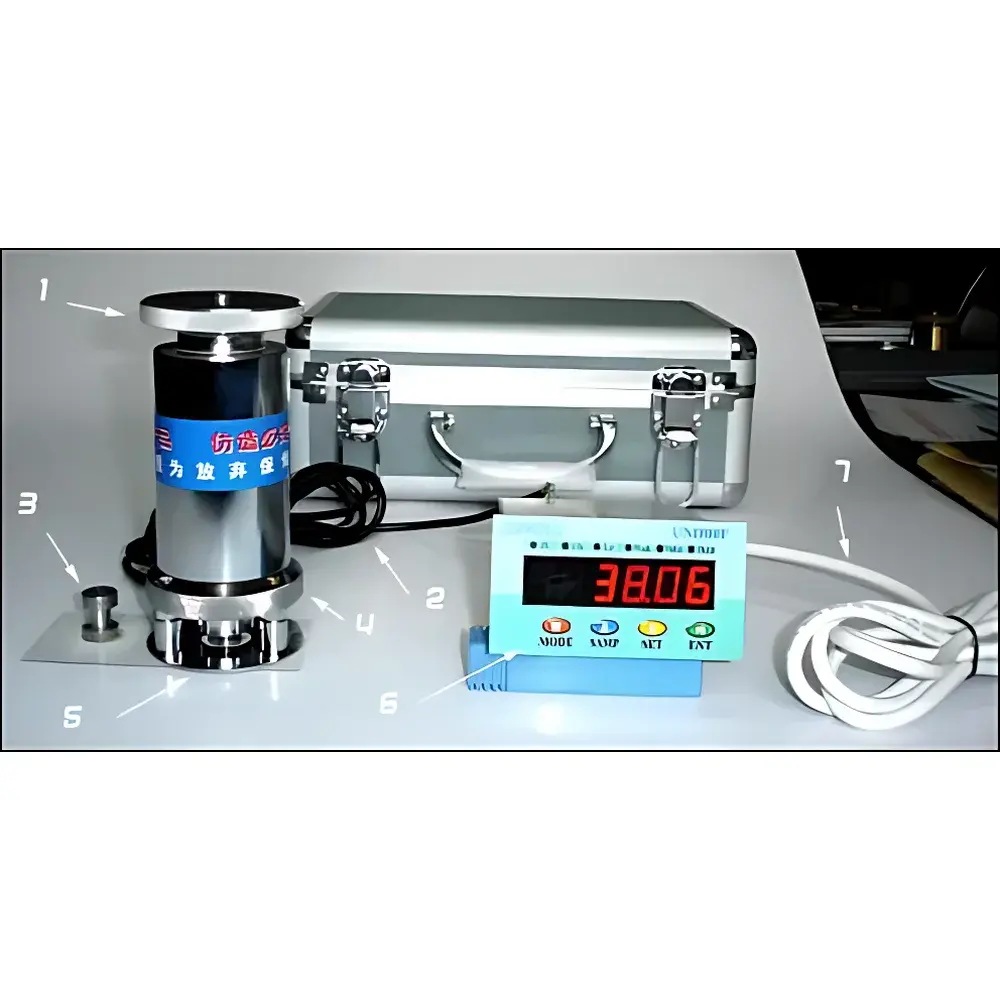
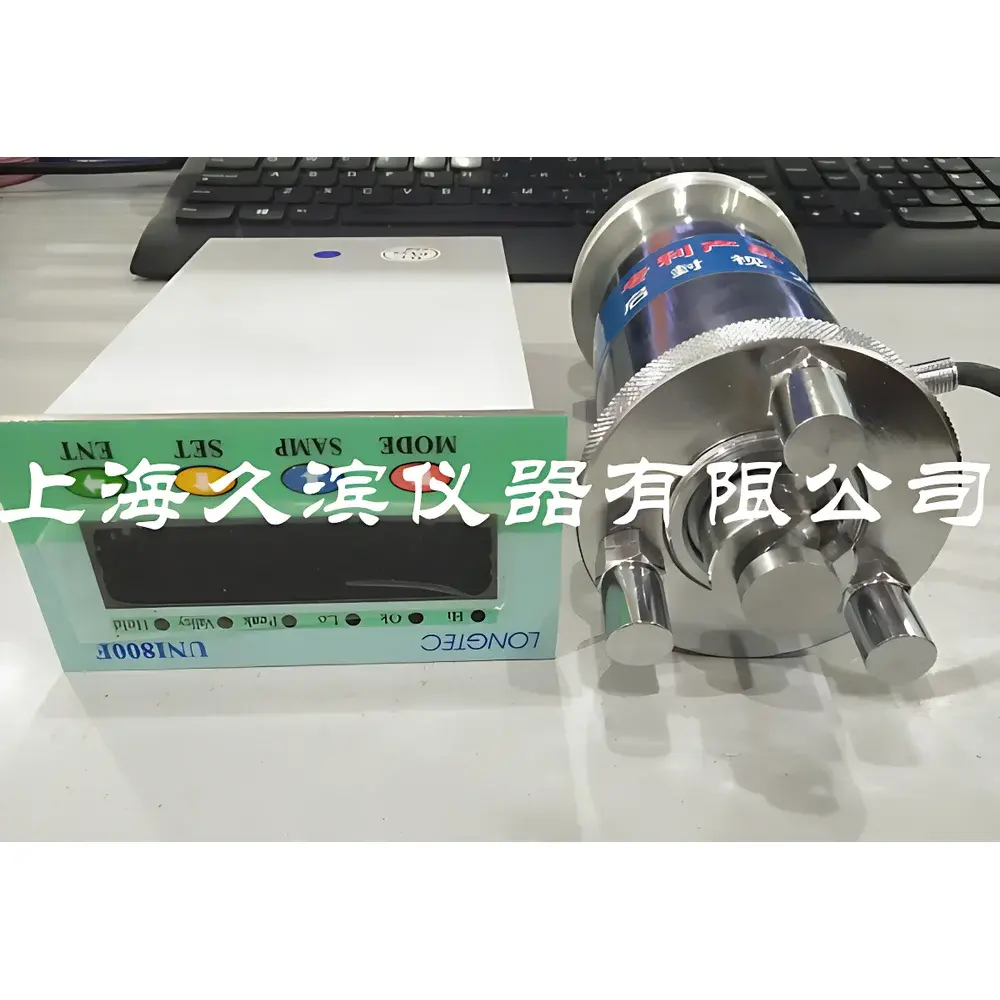
Jiubin JB-4 Pull-Off Adhesion Tester for Coating Film Strength Measurement
| Brand | Jiubin Instruments |
|---|---|
| Origin | Shanghai, China |
| Model | JB-4 |
| Measurement Range | 0–100 kg/cm² |
| Compliance | GB/T 5210–1985 |
| Display Type | Digital Peak-Hold LCD |
| Overall Dimensions (Assembly) | Φ60 × 150 mm |
| Display Unit Dimensions | 56 × 102 × 150 mm |
Overview
The Jiubin JB-4 Pull-Off Adhesion Tester is a precision mechanical instrument engineered for quantitative assessment of coating-to-substrate bond strength using the standardized pull-off method. It operates on the principle of axial tensile loading applied perpendicular to the coated surface via a bonded dolly, enabling direct measurement of the maximum stress required to detach the coating layer. This methodology aligns with the fundamental mechanics of interfacial fracture and is widely accepted in industrial quality control laboratories for evaluating architectural paints, automotive OEM finishes, marine coatings, and protective industrial systems. Unlike qualitative tape tests or scratch-based methods, the JB-4 delivers traceable, reproducible scalar data in kg/cm²—critical for comparative formulation screening, batch release verification, and long-term durability validation under ISO 2409 and ASTM D4541 harmonized contexts.
Key Features
- Integrated digital peak-hold display system with automatic locking of maximum force value at failure onset—ensuring no data loss during rapid interfacial rupture.
- Compact, portable mechanical architecture (Φ60 × 150 mm assembly) designed for benchtop use in QC labs, production floors, and field service environments.
- Calibrated load train compliant with GB/T 5210–1985, supporting traceability to national metrological standards for coating adhesion testing in China.
- Manual hand-crank actuation mechanism eliminating dependency on external power sources or compressed air—enhancing operational robustness and reducing maintenance complexity.
- Dolly-mounting interface engineered for consistent alignment and minimal eccentric loading, minimizing measurement uncertainty associated with off-axis torque.
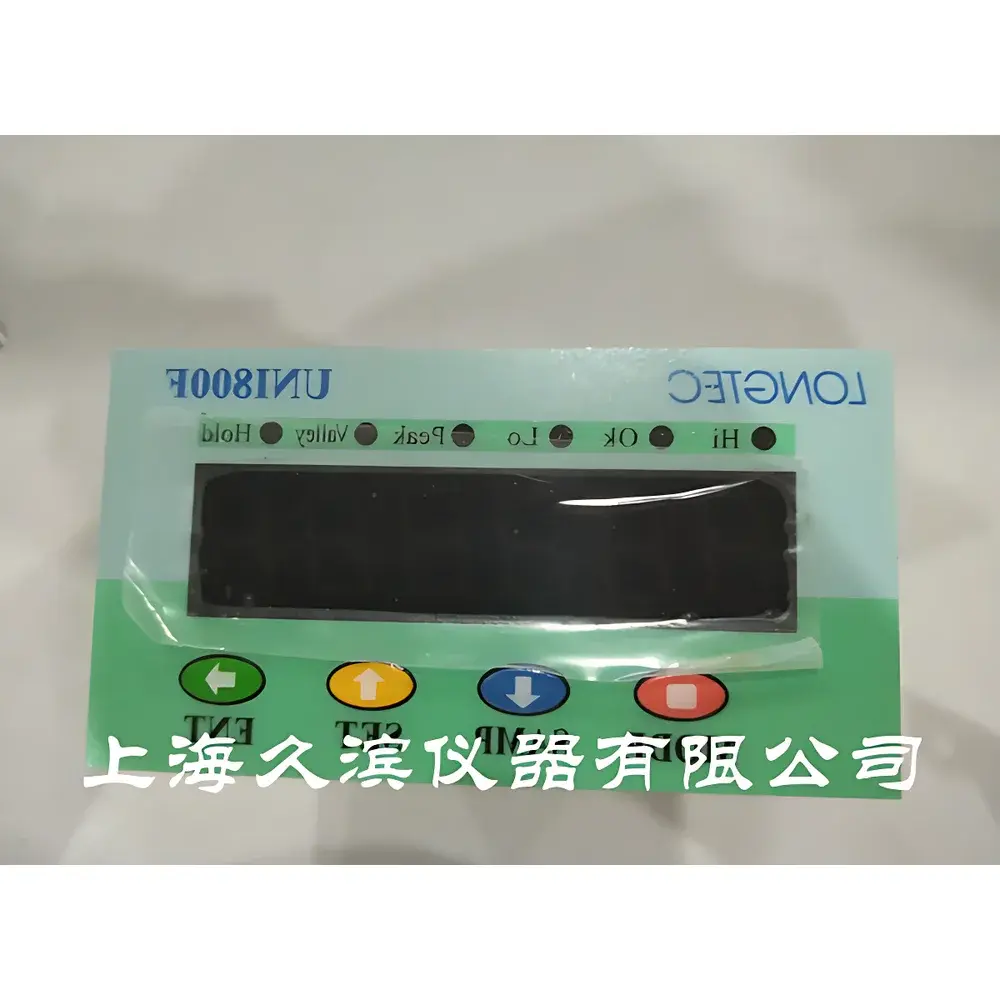
- Pre-configured factory calibration with sealed internal settings; user-accessible only via dedicated ENT key for zero-reset and mode selection—preserving measurement integrity across shifts and operators.
Sample Compatibility & Compliance
The JB-4 is validated for use on rigid, flat substrates including cold-rolled steel, aluminum panels, concrete blocks, and glass plates coated with liquid-applied organic films (e.g., epoxy, polyurethane, acrylic, alkyd, and waterborne systems). Surface preparation must follow ASTM D2651 or ISO 8501-1 guidelines prior to dolly bonding. The instrument meets the geometric and procedural requirements specified in GB/T 5210–1985, which corresponds functionally to ISO 4624 and serves as the foundational national standard for pull-off adhesion testing in China’s coating industry. While not inherently compliant with FDA 21 CFR Part 11 or EU Annex 11 due to its analog-mechanical signal path and absence of electronic audit trail, it supports GLP-aligned documentation when paired with controlled lab notebooks and calibrated dollies certified per ISO/IEC 17025-accredited providers.
Software & Data Management
The JB-4 operates as a standalone hardware device without embedded firmware, cloud connectivity, or proprietary software. All measurements are displayed numerically on a fixed-segment LCD with PEAK/HOLD/LO indicators. Data recording is manual: users log values into paper-based test reports or external LIMS-compatible spreadsheets. For laboratories requiring digital traceability, integration is achieved via optional USB-digital caliper adapters or third-party force transducer modules (not included), provided such upgrades maintain mechanical linkage integrity and do not invalidate GB/T 5210 conformance. No password protection, user role management, or electronic signature capability is implemented—consistent with its design as a deterministic, low-complexity metrology tool.
Applications
- Formulation R&D: Comparative evaluation of primer–topcoat adhesion across resin chemistries and pigment volume concentrations (PVC).
- Production QA/QC: In-line verification of coating cure status, substrate pretreatment efficacy, and batch-to-batch consistency.
- Failure Analysis: Correlation of low adhesion values with environmental exposure histories (e.g., humidity cycling, UV aging, salt fog).
- Contractor Certification: Field validation of applied coating performance per SSPC-PA 2 or NACE SP0188 specifications.
- Academic Research: Teaching interfacial mechanics principles and validating theoretical models of cohesive vs. adhesive failure modes.
FAQ
What substrates are suitable for testing with the JB-4?
Rigid, non-flexible surfaces with flatness ≤0.1 mm deviation over 50 mm are recommended—steel, aluminum, concrete, and glass are routinely used. Flexible or thermoplastic substrates may deform under load and invalidate results.
Is calibration certification included with the instrument?
The JB-4 ships with factory-set mechanical calibration; however, formal calibration certificates traceable to CNAS or ILAC-accredited bodies require separate procurement and periodic revalidation every 12 months.
Can the JB-4 be used for wet-film adhesion testing?
No. The method requires full cure or drying of the coating prior to dolly bonding. Wet-film evaluation falls outside the scope of pull-off methodology and GB/T 5210.
What adhesive should be used for dolly bonding?
High-strength, fast-curing two-component epoxy adhesives (e.g., Loctite EA 9462 or equivalent) are recommended. Solvent-based cyanoacrylates are unsuitable due to potential coating swelling or interfacial degradation.
How is measurement uncertainty estimated for this instrument?
Based on repeatability studies under controlled conditions, typical expanded uncertainty (k=2) is ±3.2% of reading within the 20–100 kg/cm² range, assuming proper dolly alignment, surface preparation, and operator training.



