
Junray ZR-3260E Portable Flue Gas and Particulate Emission Analyzer (Electrochemical Sensor Platform)
| Brand | Junray |
|---|---|
| Origin | Shandong, China |
| Manufacturer Type | Original Equipment Manufacturer (OEM) |
| Model | ZR-3260E (Electrochemical) |
| Instrument Type | Portable Flue Gas Analyzer |
| Measurement Accuracy | ≤±5% FS |
| Repeatability | ≤2.0% RSD |
| Response Time | ≤90 s |
| Drift Stability | <5% over 1 h |
| Measured Parameters | Particulate Matter (PM), SO₂, NO, NO₂, O₂, CO, CO₂, H₂S |
Overview
The Junray ZR-3260E is a field-deployable, integrated flue gas and particulate emission analyzer engineered for regulatory-grade stack testing in stationary source emissions monitoring. It operates on the principle of isokinetic sampling—maintaining proportional velocity between the probe nozzle and the flue gas stream—to ensure representative particulate collection per ISO 16911-1 and EPA Method 5/17. Particulate mass concentration is determined gravimetrically using pre- and post-sampling weighing of quartz or glass fiber filter cartridges (compliant with HJ 836–2017). Gaseous pollutants—including O₂, SO₂, NOx, CO, CO₂, and H₂S—are quantified via electrochemical sensors (for SO₂, NO, NO₂, CO, O₂) and non-dispersive infrared (NDIR) detection (for CO₂), meeting performance criteria defined in HJ 57–2017, HJ 973–2018, HJ 693–2014, and HJ 870–2017. Integrated pitot tube, thermocouple, and pressure transducers enable concurrent measurement of flue gas velocity, static/dynamic pressure, temperature, and humidity—critical inputs for normalized dry standard cubic meter (Nm³) flow rate calculation per GB/T 16157–1996.
Key Features
- Isokinetic microprocessor-controlled sampling with real-time flow compensation; automatic nozzle velocity tracking ensures compliance with HJ/T 48–1999 and ISO 16911–1.
- Dual-mode humidity sensing interface: supports both traditional dry/wet bulb thermometry and optional capacitive-resistive (CR) hygrometers—eliminating need for external aspiration pumps.
- Integrated condensate management: built-in diaphragm drain pump removes condensed water during high-humidity sampling (RH >90%), preventing sensor contamination and flow obstruction.
- High-efficiency gas conditioning: optional heated pre-conditioner unit provides active dehumidification and coarse particle removal prior to sensor inlet—enhancing electrochemical sensor longevity and measurement fidelity.
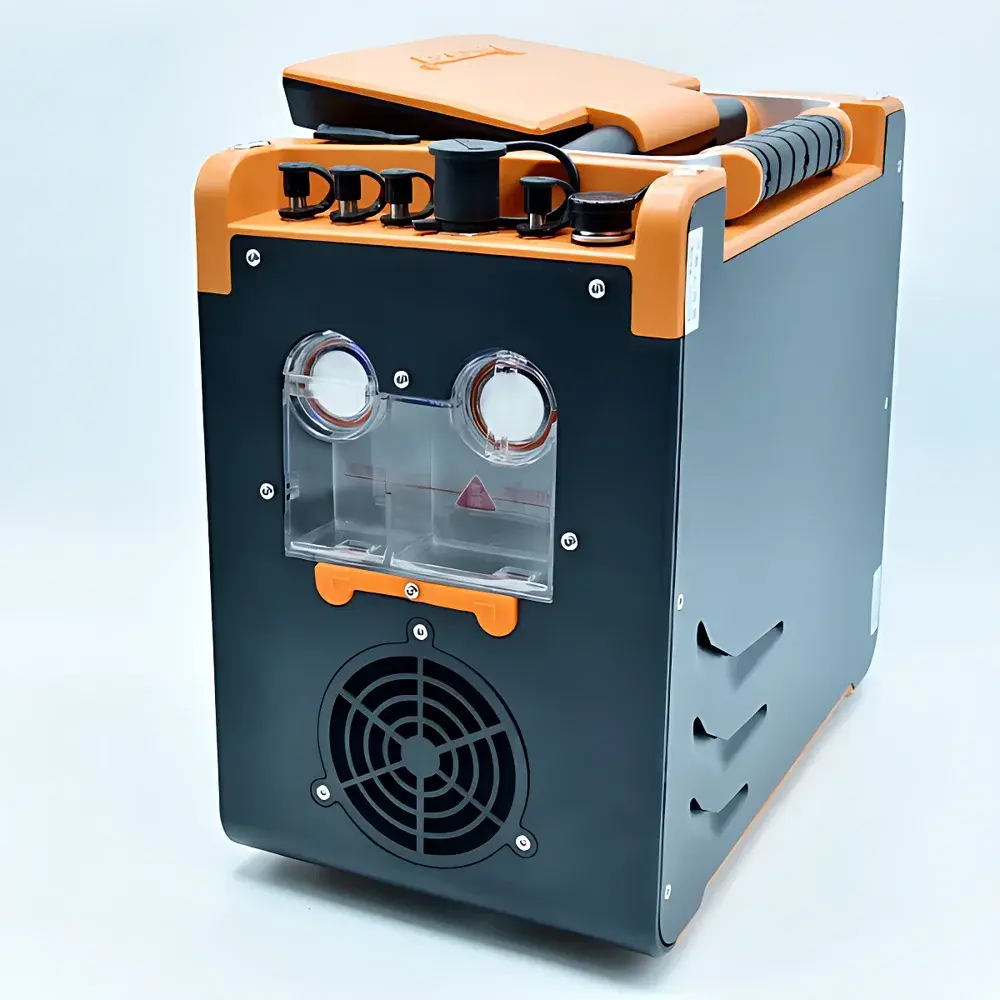
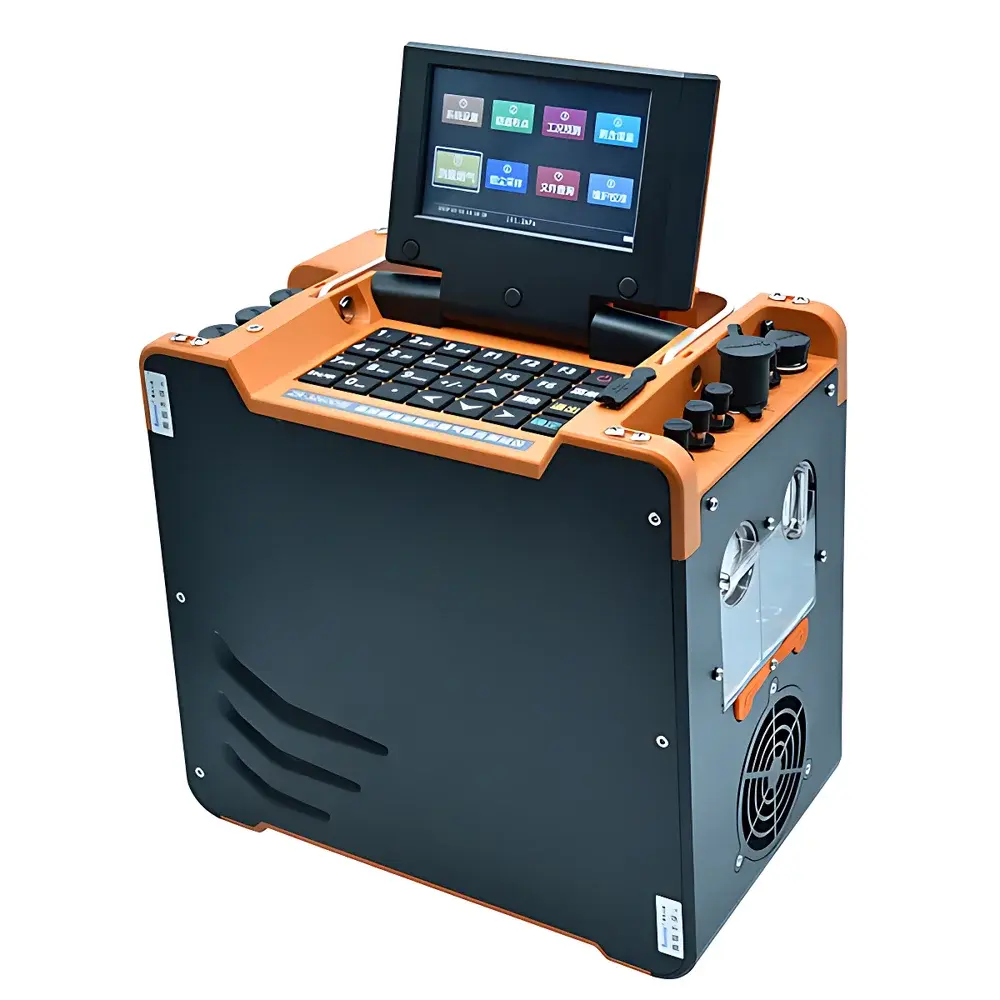
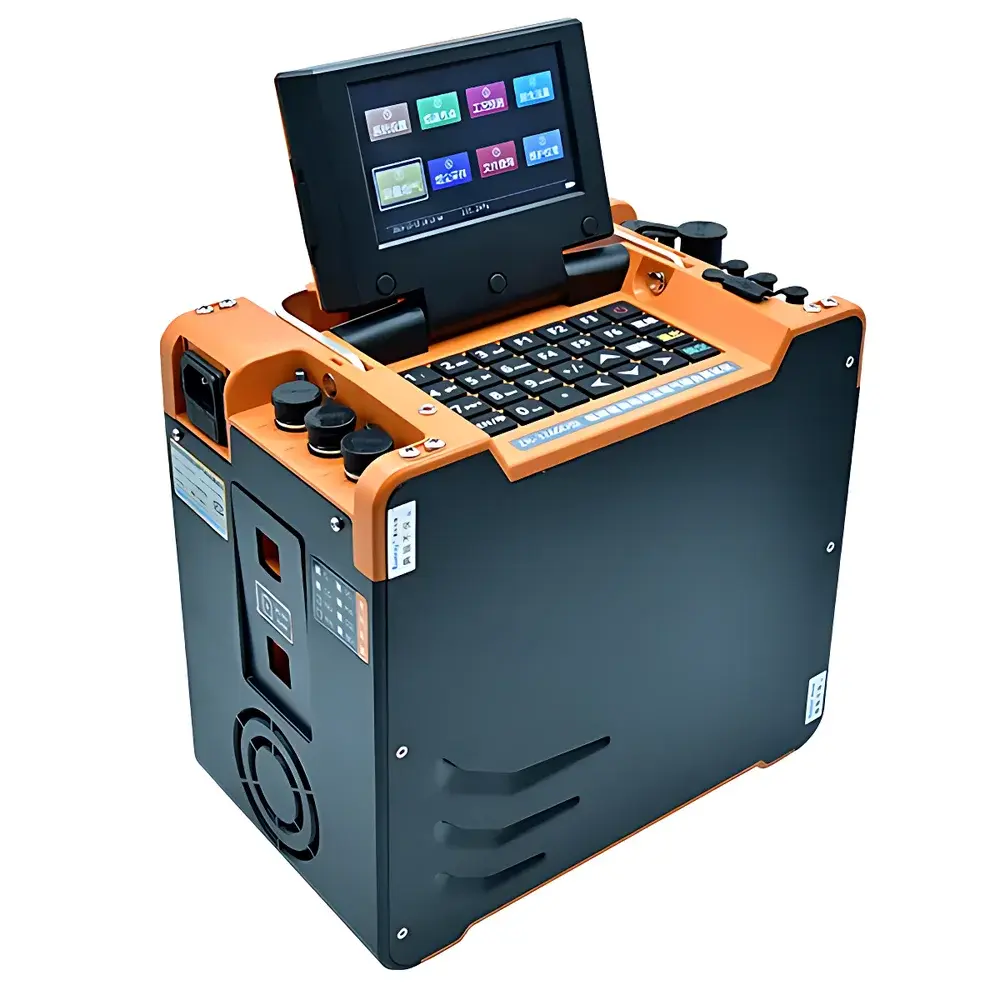
- Robust mechanical architecture: IP54-rated enclosure with reinforced shock-absorbing housing; dust- and splash-resistant keypad; transparent replaceable particulate filter housing with visual status indicator.
- Power flexibility: dual-source operation via internal 25.9 V / 10 Ah Li-ion battery (≥6 h at 30 L/min, –8 kPa load) or external DC24V input; includes DC24V auxiliary output for powering peripheral modules.
- Comprehensive self-diagnostic suite: real-time leak detection, flow path integrity verification, sensor health monitoring, and automated fault logging per JJG 680–2021 and JJG 968–2002 requirements.
- Electronic flow control with temperature/pressure compensation: precision mass flow meter maintains ±1% volumetric accuracy across ambient temperatures from –20 °C to +50 °C.
Sample Compatibility & Compliance
The ZR-3260E is validated for use in industrial combustion sources including coal-fired boilers, cement kilns, waste incinerators, and asphalt production facilities. It supports ancillary sampling configurations: optional oil fume probe (per HJ 646–2013) and asphalt fume probe (per HJ 647–2013). All particulate collection adheres to HJ 836–2017 low-concentration PM methodology, while gaseous analyte measurements satisfy Chinese national standards (HJ 57, HJ 693, HJ 973, HJ 870) and international comparability frameworks. The instrument carries CPA (China Metrology Approval) certification (No. 2023F123456) and has passed environmental adaptability testing by the China National Environmental Monitoring Center (CNERMC). Its data acquisition architecture supports audit-ready traceability under GLP-aligned workflows, including time-stamped calibration logs, operator ID tagging, and immutable storage with cryptographic hashing.
Software & Data Management
Onboard firmware implements secure embedded Linux with AES-256 encrypted local storage. All operational events—including calibration sequences, maintenance records, sensor replacement dates, and user-defined correction coefficients—are automatically timestamped and archived. Data export is supported via USB 2.0, SDHC card (up to 256 GB), and optional 4G LTE module with TLS 1.2-secured transmission to cloud-based CEMS platforms. The system complies with JJG 518–2023 for pitot tube traceability and includes built-in GPS time synchronization (BeiDou + GPS dual-mode). Print reports feature QR-coded anti-counterfeiting watermarks verifiable through NEMA-certified validation tools. Optional Bluetooth 5.0 enables wireless pairing with certified thermal printers and mobile diagnostic apps—enabling remote configuration and firmware updates without physical access.
Applications
- Regulatory stack testing for environmental compliance reporting under China’s “Blue Sky Defense Campaign” and provincial emission permit programs.
- Performance evaluation and periodic verification of continuous emission monitoring systems (CEMS) per HJ 75–2017 and HJ 76–2017.
- Combustion efficiency optimization via O₂ excess air coefficient and flue gas heat loss analysis.
- Source apportionment studies requiring co-located PM and speciated gas measurements (e.g., SO₂/NOx ratio analysis).
- Field validation of low-emission retrofit technologies—including SCR, SNCR, and wet FGD installations.
- Mobile monitoring campaigns for fugitive emission screening and cross-stack comparative assessments.
FAQ
Does the ZR-3260E support direct readout of particulate matter without gravimetric lab analysis?
Yes—optional plug-in modules based on beta attenuation (β-ray) or tapered element oscillating microbalance (TEOM) principles enable real-time PM concentration output, fully compatible with the host platform’s data synchronization and QA/QC protocols.
Can the instrument perform interference correction for SO₂ in the presence of CO?
Yes—the correction coefficient for CO-induced SO₂ cross-sensitivity can be experimentally determined and entered into the system; the analyzer then applies dynamic compensation during simultaneous measurement per HJ 57–2017 Annex D.
Is the device suitable for high-moisture flue gases (>15% v/v)?
Yes—integrated condensate pump, heated sampling line option (up to 180 °C), and CR humidity sensor interface collectively ensure stable operation under saturated conditions without manual drainage intervention.
What cybersecurity measures protect stored measurement data?
All internal flash memory uses hardware-level encryption; SD/USB exports are digitally signed; firmware updates require certificate-based authentication; and remote data transmission employs end-to-end TLS 1.2 with mutual X.509 certificate verification.
How does the system handle power interruption during sampling?
Upon AC or battery failure, the unit saves all active sampling parameters, accumulated volume, and timestamps to non-volatile memory; restart resumes from the exact breakpoint with no data loss or recalibration requirement.
Related Products







