
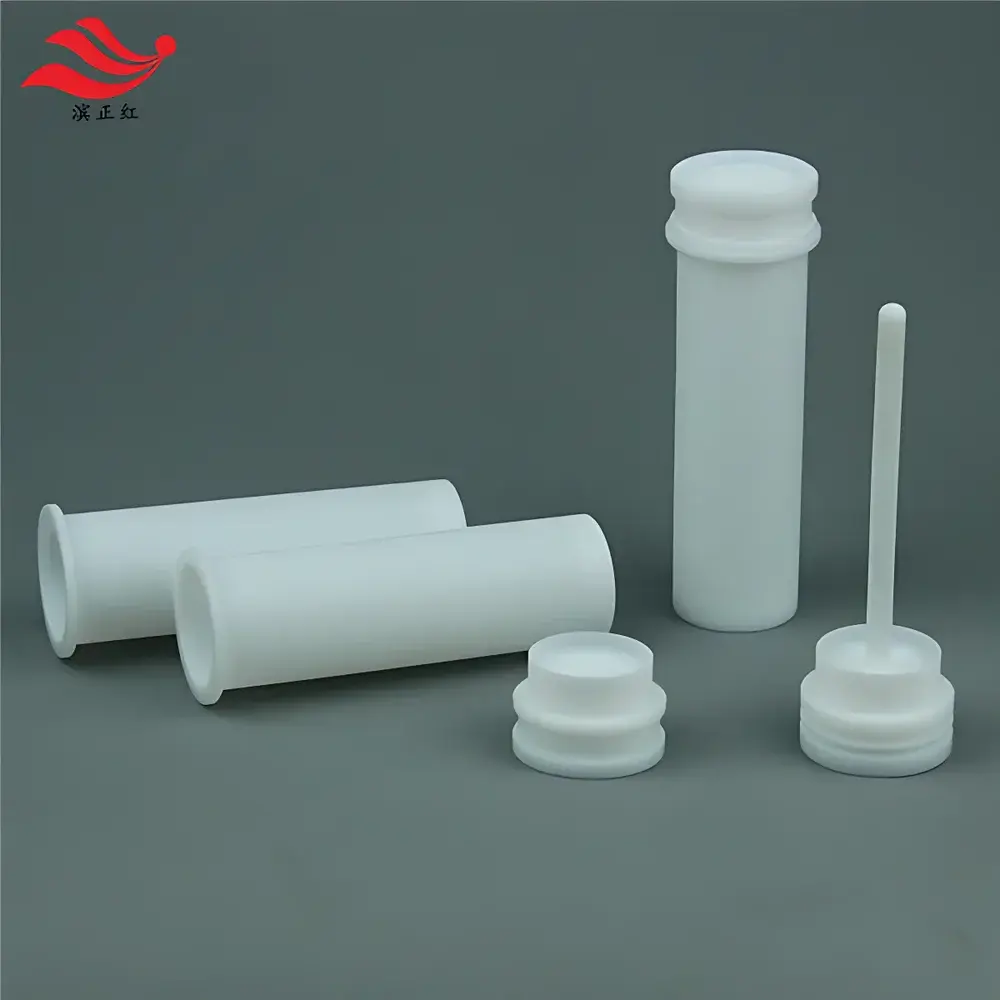
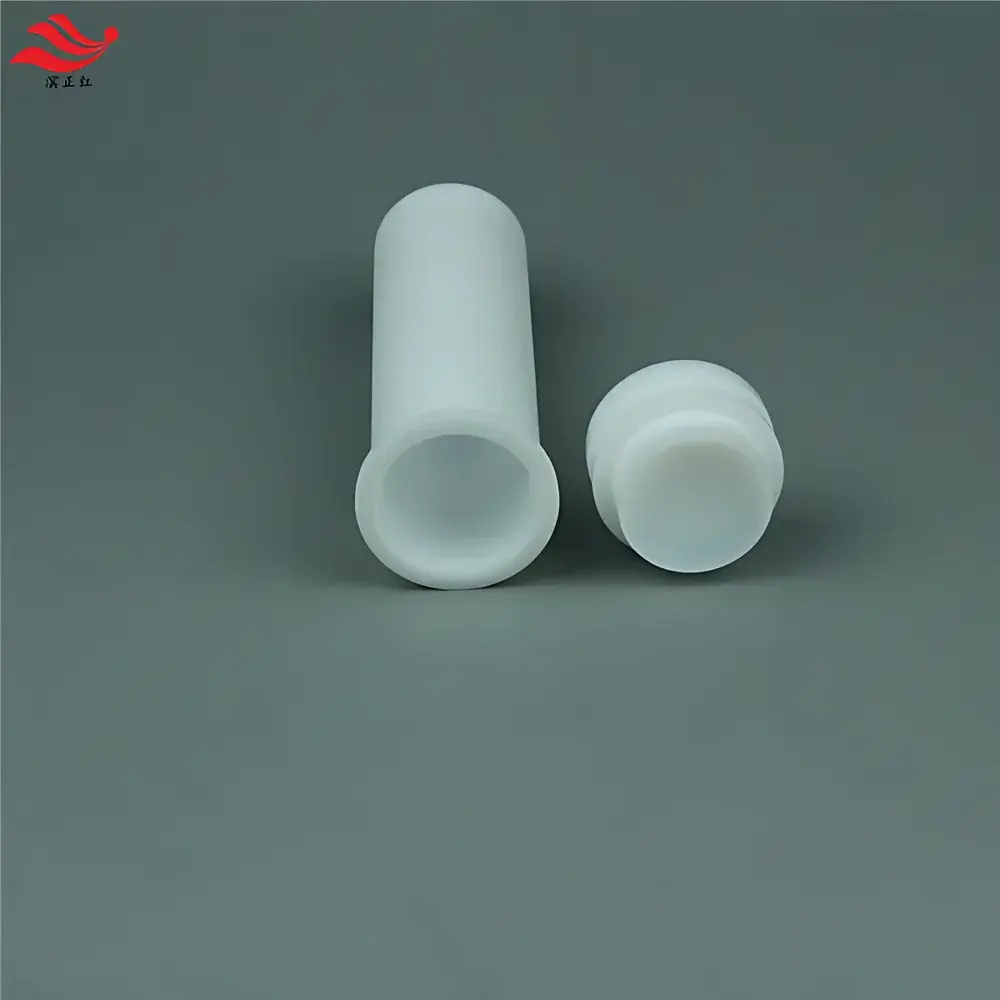
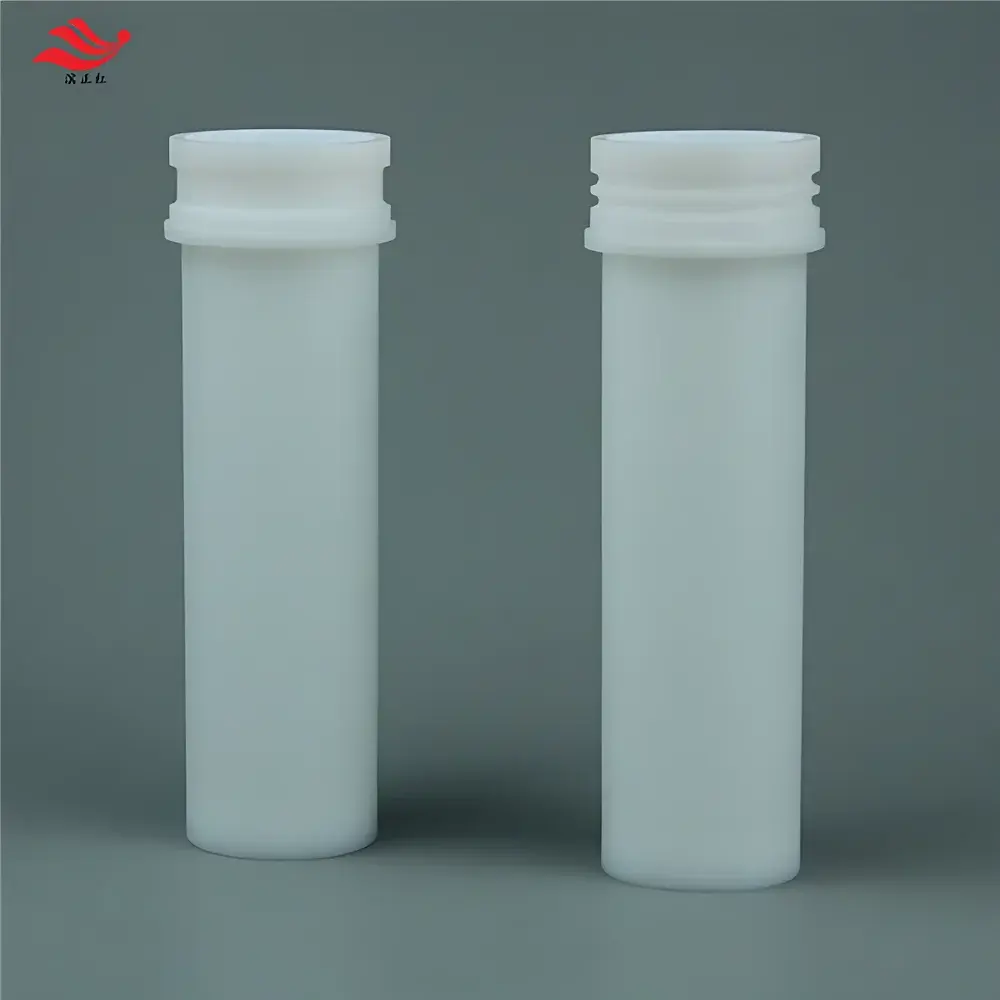
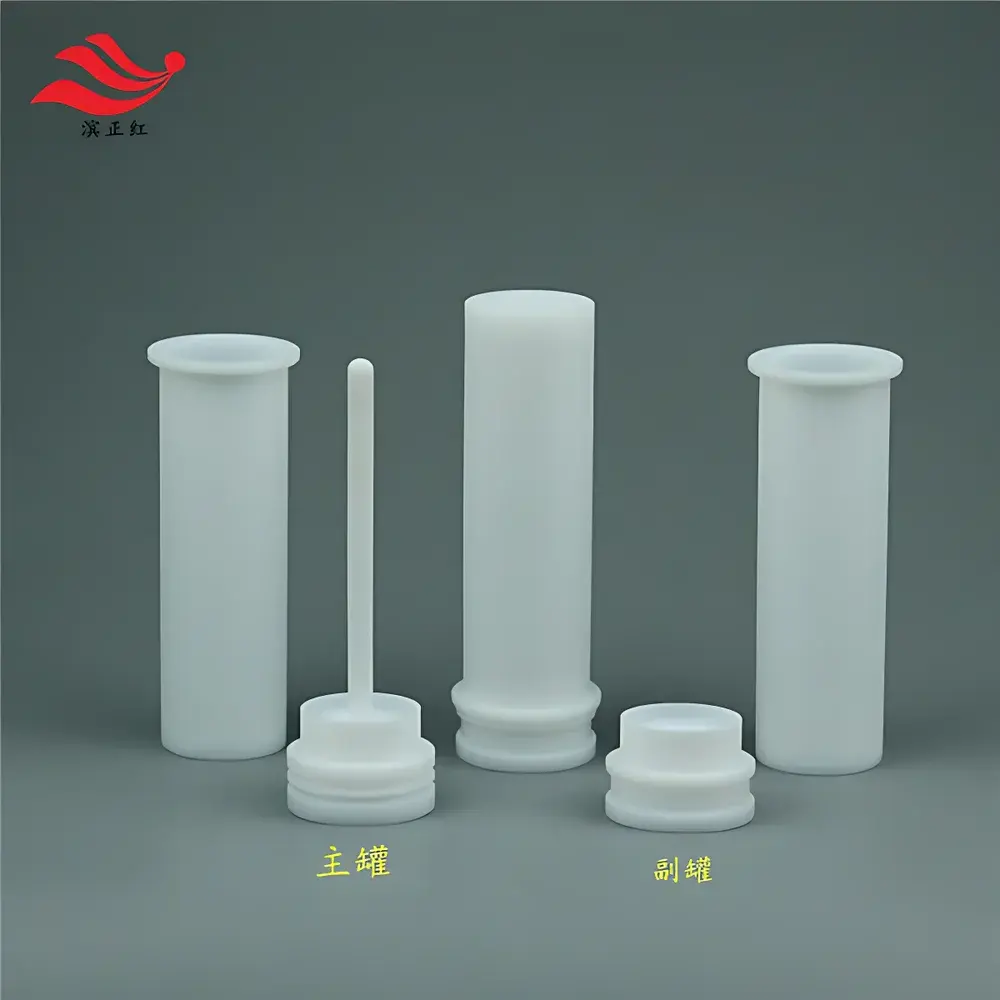
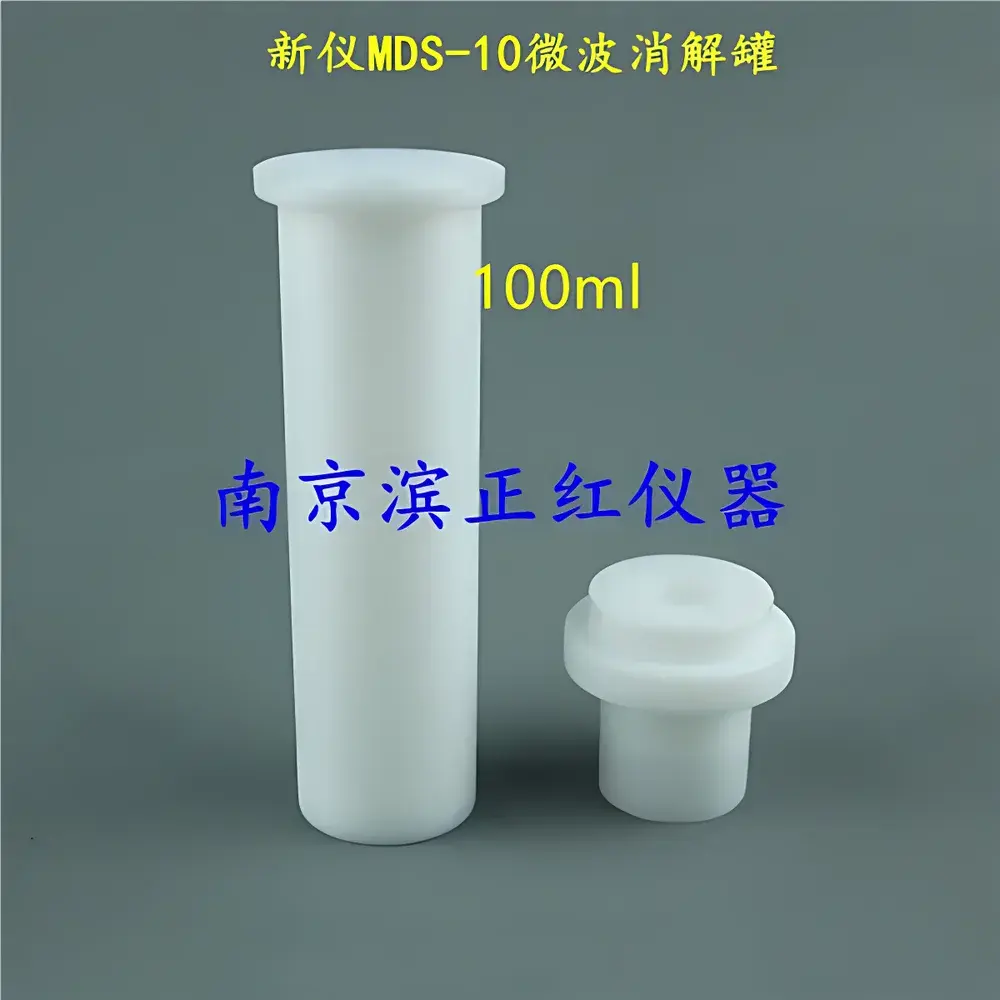
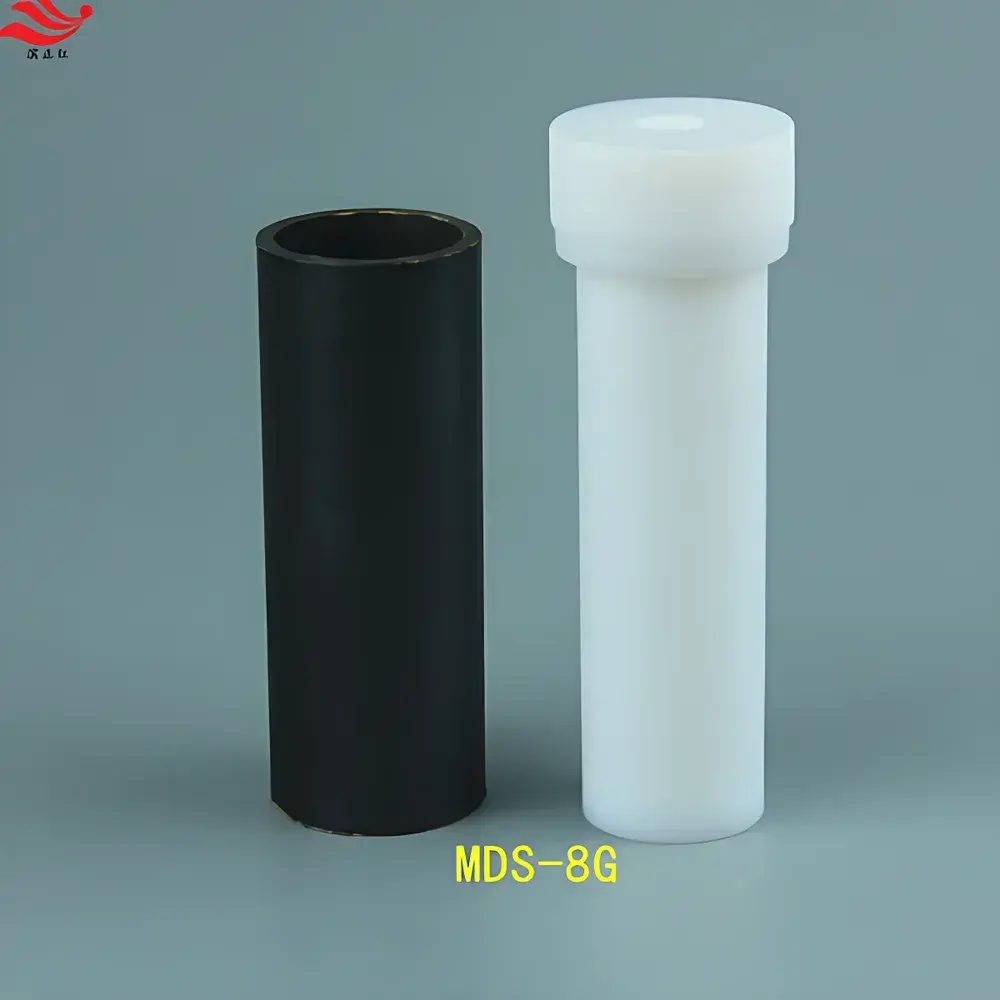
JUPITER-100mL Digestion Vessel Set (Main + Auxiliary Vessels) for Binzhenghong B-Series Microwave Digestion Systems
| Brand | Binzhenghong |
|---|---|
| Origin | Jiangsu, China |
| Manufacturer Type | Direct Manufacturer |
| Product Line | JUPITER Series |
| Pricing | Upon Request |
Overview
The JUPITER-100mL Digestion Vessel Set is a precision-engineered consumable component designed exclusively for use with Binzhenghong’s B-Series microwave-assisted acid digestion systems. These vessels operate within closed-vessel microwave digestion workflows—where samples are subjected to high temperature and pressure in sealed PTFE-TFM or quartz-lined containers under controlled HNO₃, HCl, HF, or mixed acid environments. The set comprises one primary 100 mL main digestion vessel and one auxiliary (backup or calibration) vessel, both fabricated from ultra-pure, low-metal-leaching TFM-PTFE with reinforced quartz or ceramic support structures where applicable. Their geometry, wall thickness, and sealing interface are optimized to ensure uniform microwave energy coupling, consistent thermal distribution, and reliable pressure containment up to 15 MPa (2,200 psi) at temperatures exceeding 300 °C—critical for complete mineralization of complex matrices including biological tissues, soils, polymers, and foodstuffs.
Key Features
- Chemically inert TFM-PTFE construction with ≤0.1 ng/g background metal contamination (certified per ISO 17025-accredited testing)
- Optimized vessel geometry for homogeneous microwave absorption and minimized hot-spot formation
- Integrated pressure-relief safety mechanism compliant with IEC 61000-4-3 EMI immunity standards
- Threaded dual-seal design (inner O-ring + outer compression ring) ensuring leak-tight operation during rapid ramping cycles
- Calibration-matched volume tolerance: ±0.5% at 100 mL (20 °C), traceable to NIM (National Institute of Metrology, China)
- Autoclavable and compatible with post-digestion acid evaporation on hot blocks or dedicated赶酸仪 (acid removal units)
Sample Compatibility & Compliance
These vessels support digestion protocols aligned with EPA Method 3052, ASTM D5511, ISO 11885, and GB/T 17141–1997 for heavy metal analysis. They accommodate solid, semi-solid, and liquid samples—including plant tissues, sediment, sludge, pharmaceutical excipients, and electronic waste—with recommended sample masses ranging from 0.1 g to 0.5 g (depending on organic content). All vessels meet GLP documentation requirements for traceability: each batch carries a unique serial number, certificate of conformance, and elemental blank test report (Al, Cr, Cu, Fe, Ni, Pb, Zn, As, Cd, Hg). No internal surface polishing or abrasive cleaning is permitted—consistent with USP and ISO/IEC 17025 clause 6.4.3 on consumable integrity.
Software & Data Management
While the vessels themselves are passive hardware, their use is fully integrated into Binzhenghong’s proprietary microwave control software (v4.2+), which logs vessel ID, digestion cycle parameters (ramp time, hold temperature/pressure, cooling duration), and operator credentials for full audit trail generation. Data export supports CSV, XML, and LIMS-compatible formats compliant with FDA 21 CFR Part 11 requirements—including electronic signatures, time-stamped event logs, and immutable record retention. Batch-level vessel usage history is tracked automatically to support preventive maintenance scheduling and lifetime validation per ICH Q5C.
Applications
- Multi-element determination (ICP-MS, ICP-OES) of As, Cd, Pb, Hg, Cr(VI), and rare earth elements in environmental monitoring programs
- Residual catalyst metal quantification in polymer synthesis QA/QC
- Leachability testing (TCLP, SPLP) of stabilized industrial wastes
- Nutrient and contaminant profiling in agricultural feed and infant formula per AOAC 999.10 and EU Regulation (EC) No 1881/2006
- Forensic toxicology sample preparation requiring sub-ppt detection limits
FAQ
Can these vessels be used with non-Binzhenghong microwave systems?
No—they are mechanically and thermally tuned to the B-Series cavity dimensions, rotor dynamics, and pressure-sensing architecture; cross-platform use voids warranty and compromises safety certification.
What is the maximum recommended number of digestion cycles per vessel?
Under routine QC conditions (≤200 °C, ≤4 MPa), lifespan exceeds 150 cycles; for high-acidity protocols (e.g., HF-containing mixtures), limit to 80 cycles and monitor for discoloration or seal deformation.
Is ultrasonic cleaning permitted?
Yes—but only in deionized water (18.2 MΩ·cm) for ≤5 minutes; never use detergents, solvents, or sonication baths containing chloride or phosphate ions.
How should vessels be stored between uses?
In a Class 100 laminar flow cabinet, inverted on PTFE-coated racks, away from ambient dust and UV exposure; avoid stacking or mechanical contact with other labware.
Do these vessels require pre-conditioning before first use?
Yes—three consecutive blank digestions (2 mL ultrapure HNO₃, 180 °C, 20 min) followed by acid-wash verification via ICP-MS blank analysis are mandatory per manufacturer SOP-DM-017.



