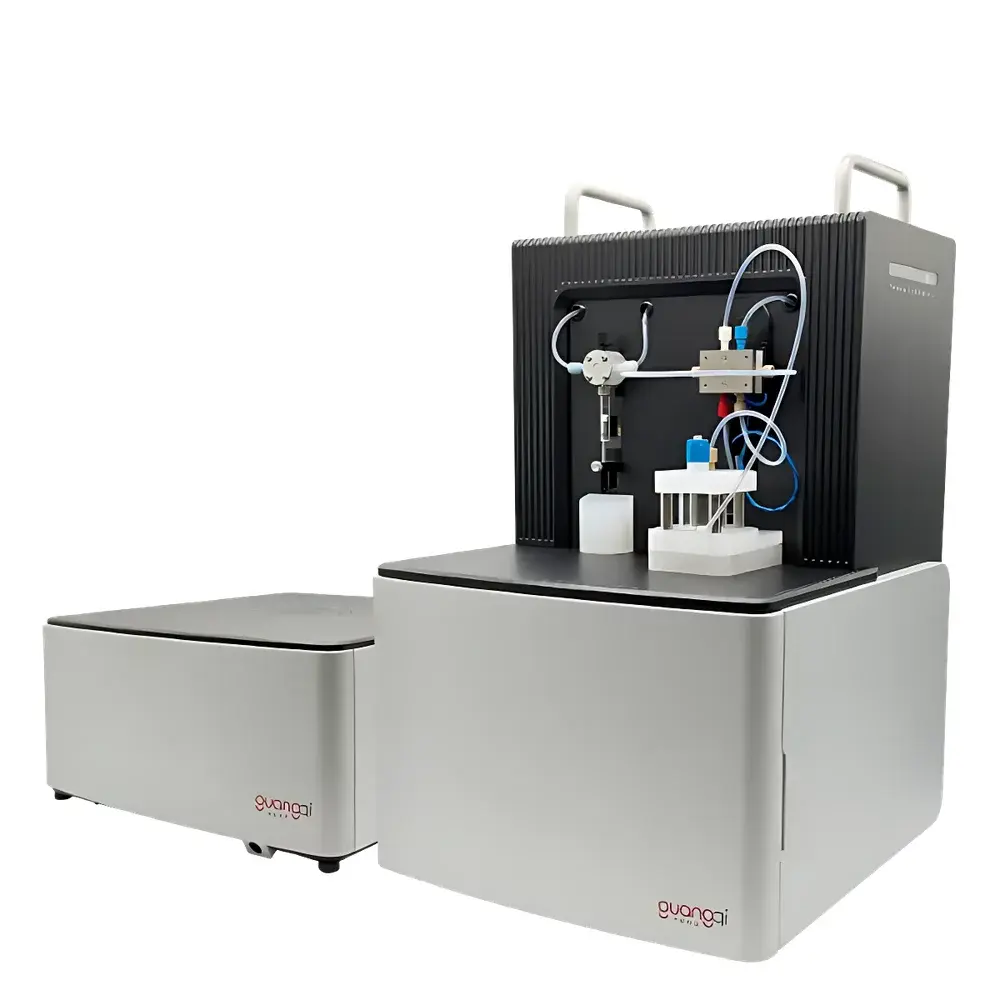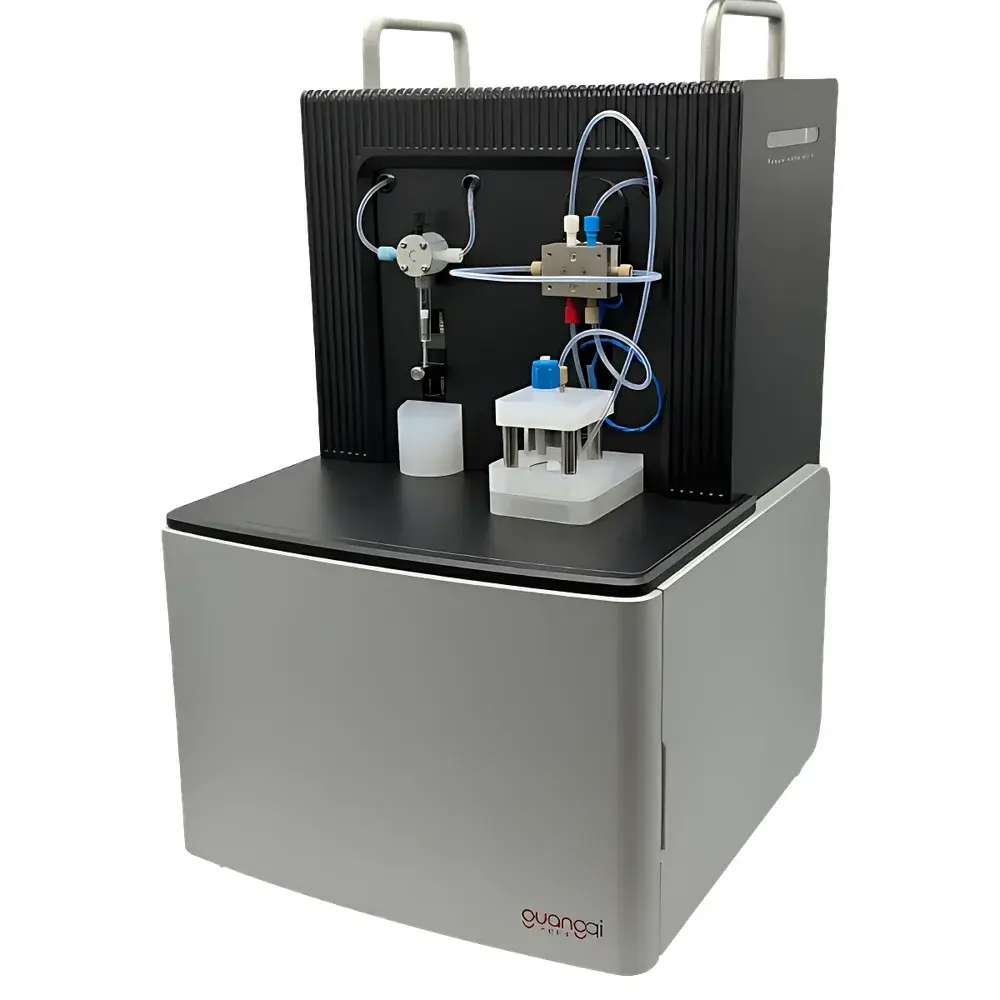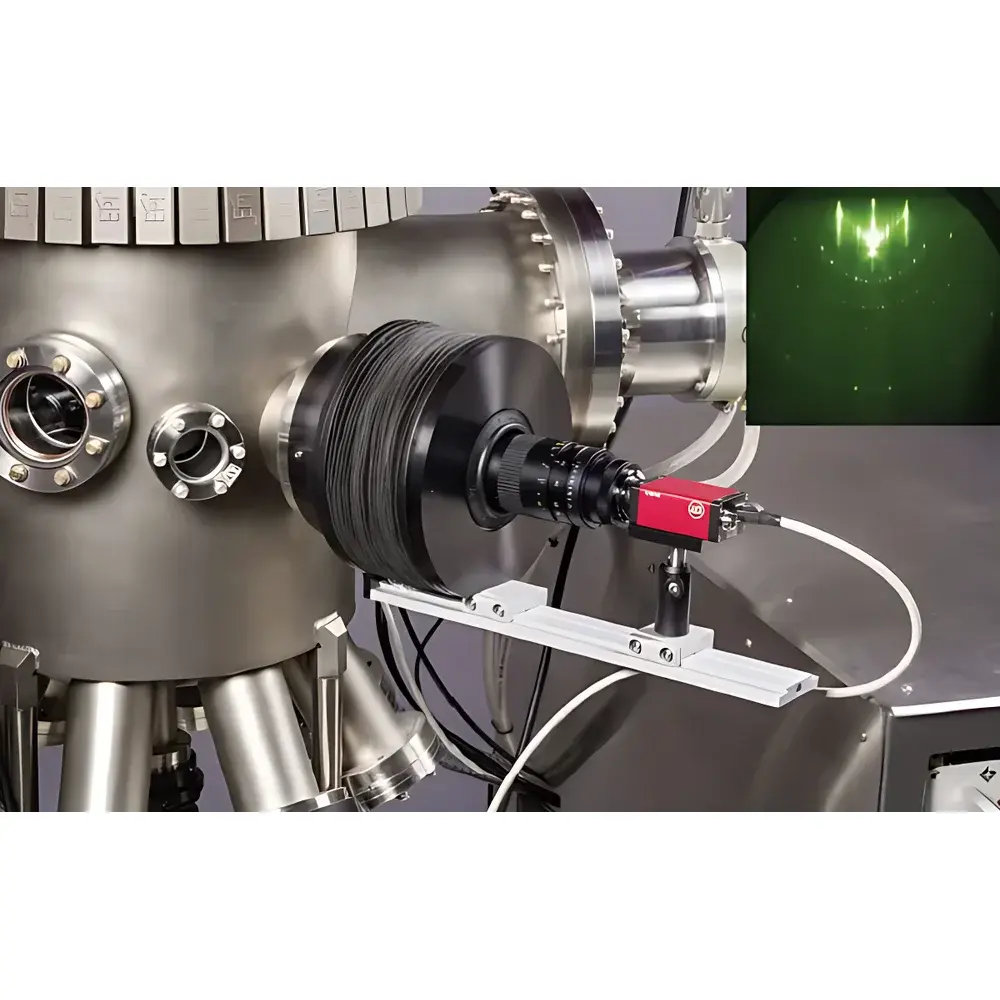
k-Space kSA 400 Analytical RHEED Imaging System
| Brand | k-Space |
|---|---|
| Origin | USA |
| Manufacturer Status | Authorized Distributor |
| Product Origin | Imported |
| Model | kSA 400 |
| Pricing | Upon Request |
Overview
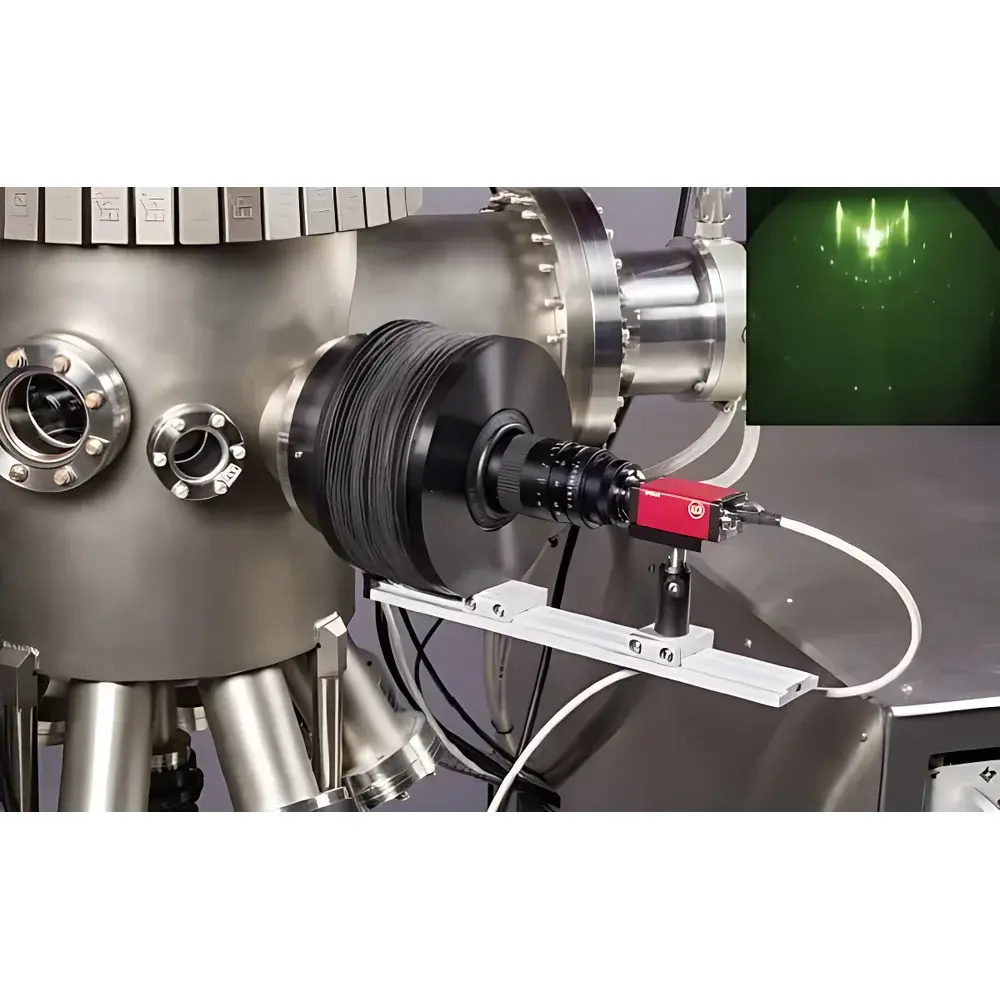
The k-Space kSA 400 Analytical RHEED Imaging System is a fourth-generation, in-situ surface characterization platform engineered for real-time monitoring and quantitative analysis of epitaxial thin-film growth processes. Based on Reflection High-Energy Electron Diffraction (RHEED) physics, the system captures dynamic surface structural evolution during vacuum-based deposition—including Molecular Beam Epitaxy (MBE), Pulsed Laser Deposition (PLD), Sputtering, and Metal-Organic Chemical Vapor Deposition (MOCVD). Unlike conventional RHEED viewers, the kSA 400 integrates a high-speed, high-resolution CCD imaging subsystem with calibrated electron-optical geometry to convert diffraction pattern intensity, streak morphology, and oscillation behavior into quantifiable surface metrics: growth rate (monolayers/s), surface roughness evolution, lattice parameter stability, and terrace-step-kinetics signatures. Its architecture supports both UHV-compatible integration (via standard CF or KF flange interfaces) and synchronization with process controllers for closed-loop growth feedback.
Key Features
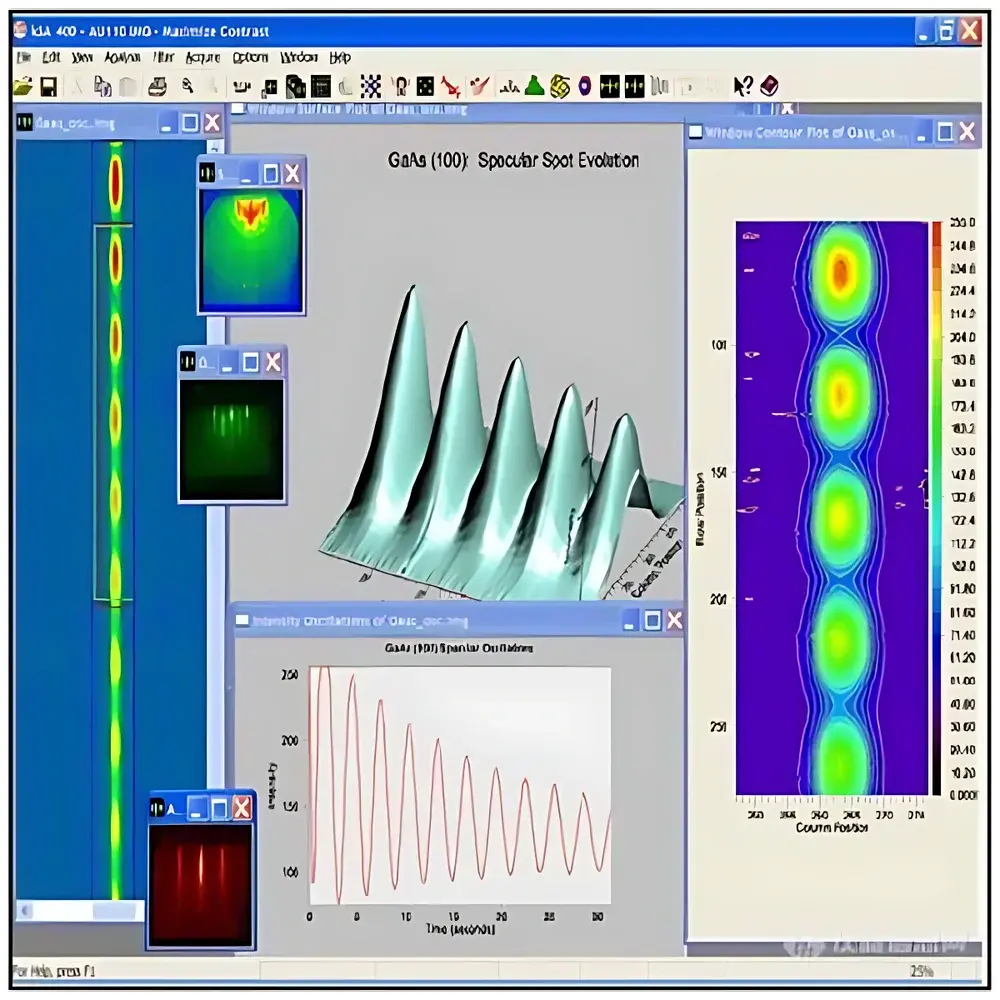
- Real-time RHEED oscillation tracking with sub-monolayer resolution for precise growth rate quantification
- Multi-mode acquisition: single-frame static analysis, multi-image time-series, focus profiling (surface topography cross-sections), line-scan rastering, full-motion video capture (up to 60 fps), and interactive overlay of sequential frames for differential analysis
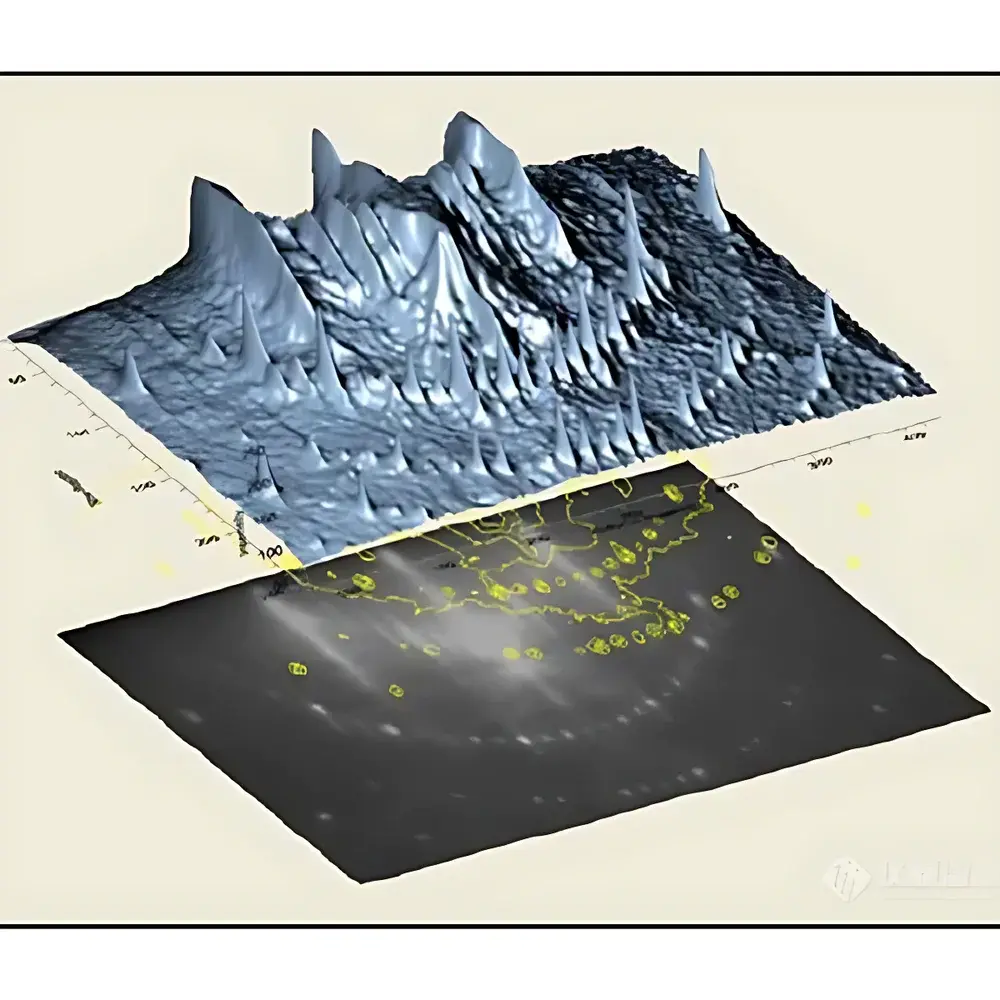
- 2D/3D diffraction pattern reconstruction—enabling azimuthal intensity mapping, streak width quantification, and reciprocal-space vector extraction
- Automated streak centroid detection and angular deviation tracking for in-situ monitoring of surface orientation stability
- Integrated hardware trigger interface compatible with shutter control, substrate heater ramp signals, and MBE effusion cell actuation
- Modular expansion support for LEED, PLE (Phase-Locked Epitaxy), and Auger/XPS signal synchronization via TTL/USB timing protocols
Sample Compatibility & Compliance
The kSA 400 is designed for integration with standard semiconductor process chambers operating under ultra-high vacuum (UHV ≤1×10⁻¹⁰ Torr) or high-vacuum (≤1×10⁻⁷ Torr) conditions. It accommodates wafer substrates ranging from 2″ to 6″ diameter, including Si, GaAs, InP, sapphire, and 2D material templates (e.g., h-BN, graphene on Cu/Ni). The optical path maintains >95% transmission across the 1–20 keV electron energy range, with calibrated geometric distortion correction applied per installation. System compliance includes adherence to SEMI E10 (Specification for Definition and Measurement of Equipment Reliability, Maintainability, and Availability) and compatibility with GLP/GMP audit requirements when deployed in R&D-to-fab transition environments. Data provenance is preserved through timestamped metadata embedding (ISO/IEC 17025 traceable logging).
Software & Data Management
The kSA Analysis Suite v4.x provides a deterministic, scriptable environment for RHEED data reduction and visualization. All image sequences are stored in HDF5 format with embedded calibration parameters (camera gain, exposure time, working distance, beam energy), ensuring full experimental reproducibility. Software features include batch processing pipelines for oscillation period extraction, FFT-based noise filtering, and automated thresholding for intensity minima/maxima identification. Audit trails record user actions, parameter modifications, and export events—supporting FDA 21 CFR Part 11 compliance when configured with electronic signature modules. Raw data and processed results export natively to MATLAB, Python (NumPy/Pandas), and ASCII for third-party modeling integration.
Applications
- In-situ monitoring of layer-by-layer growth kinetics in III-V and II-VI compound semiconductor heterostructures
- Surface phase transition analysis during annealing cycles (e.g., reconstruction changes on Si(111)-7×7 → √3×√3-Ag)
- Quantitative assessment of step-flow vs. island nucleation modes in oxide thin films (e.g., SrTiO₃, LaAlO₃)
- Real-time validation of shutter sequencing accuracy in digital alloy synthesis
- Correlation of RHEED intensity decay with surface defect density evolution in 2D TMD monolayer growth
- Calibration reference for ex-situ techniques such as AFM, XRD, and TEM cross-sectional analysis
FAQ
What vacuum compatibility does the kSA 400 require for integration?
The system is rated for continuous operation at pressures ≤1×10⁻⁷ Torr; for optimal signal-to-noise in low-intensity regimes (e.g., insulating substrates), UHV ≤1×10⁻¹⁰ Torr is recommended.
Can the kSA 400 be retrofitted onto existing RHEED guns?
Yes—standard CF-63 or KF-40 flange mounting options enable mechanical integration with most commercial RHEED sources; optical alignment is performed post-installation using built-in laser collimation tools.
Is remote operation supported?
Full TCP/IP-based client-server architecture allows secure remote access via VPN; all acquisition, analysis, and export functions operate identically to local sessions.
Does the system support automated growth interruption based on RHEED feedback?
Through optional API integration with LabVIEW or Python, users can implement conditional triggers (e.g., pause deposition upon detecting three consecutive oscillation minima) without modifying core firmware.
What documentation is provided for regulatory submissions?
A complete IQ/OQ protocol package—including factory calibration certificates, traceable metrology reports, and software validation summary—is supplied with each system shipment.