
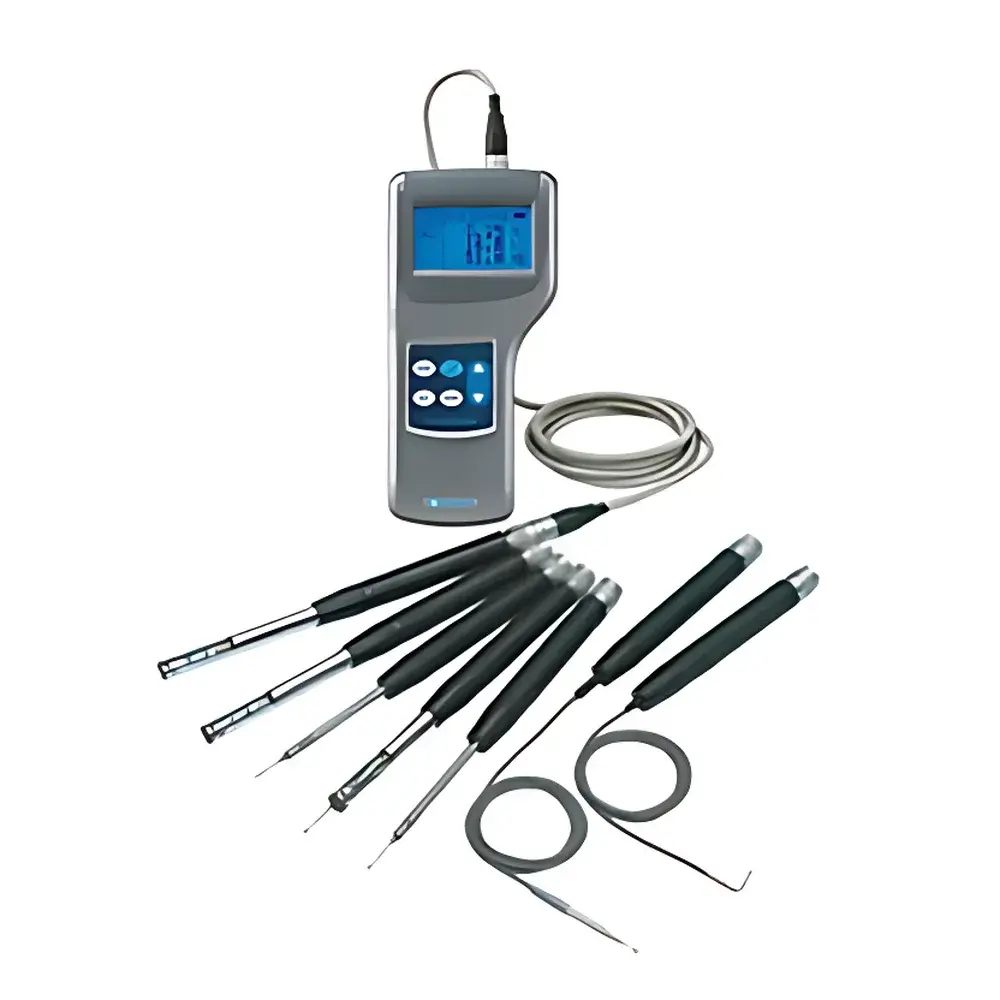
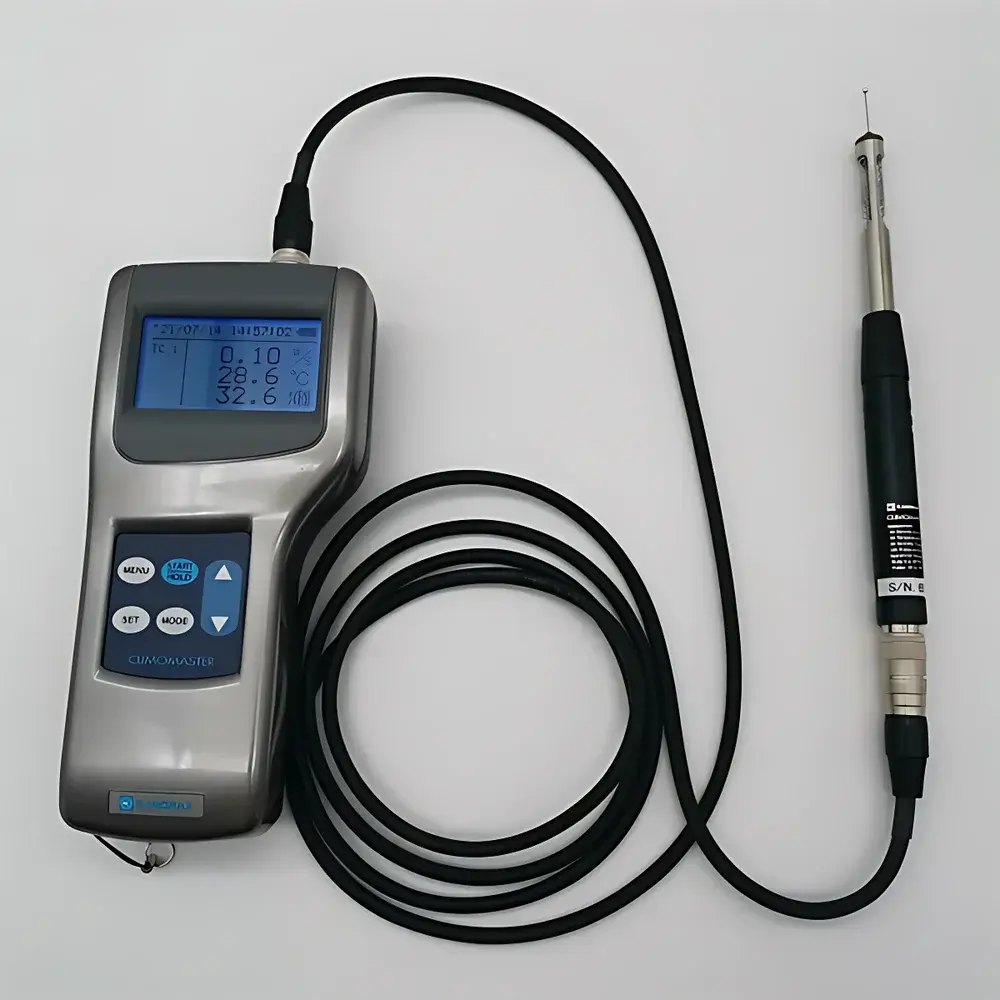
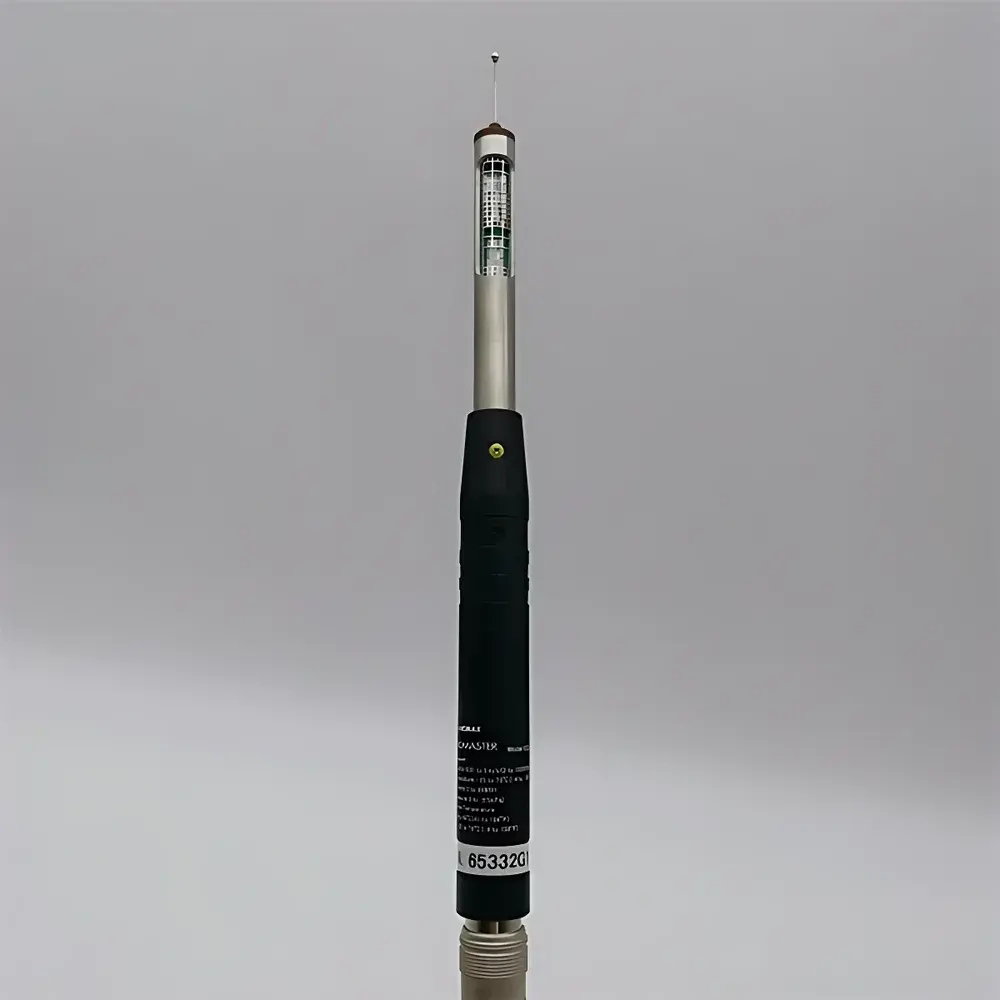
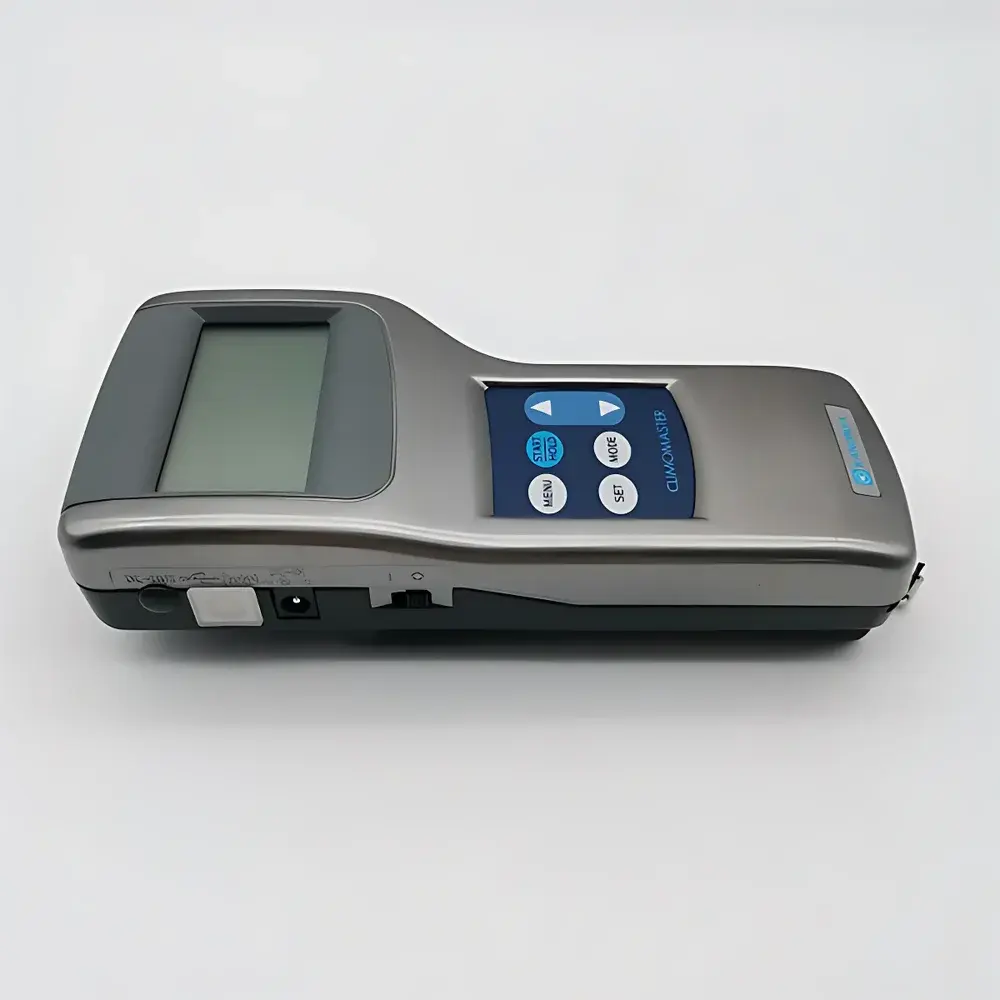
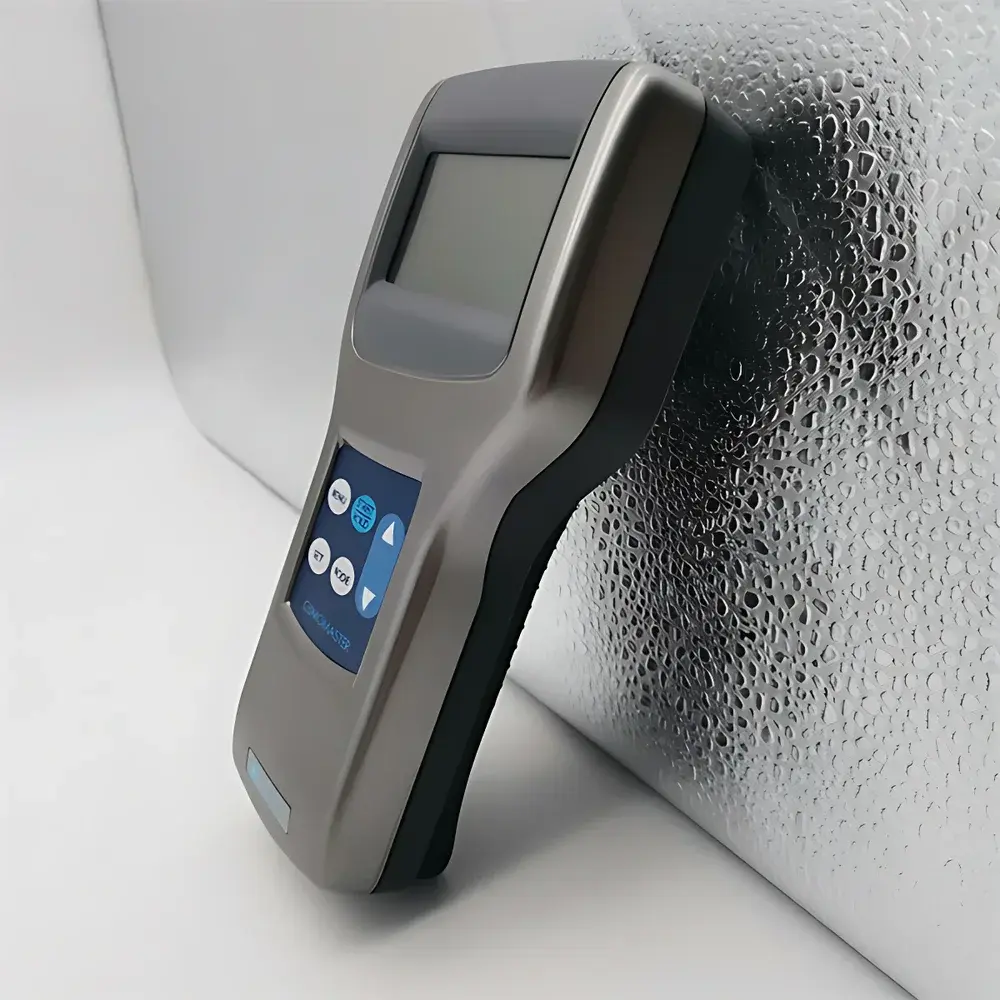
Kanomax 65Ser Intelligent Environmental Test Instrument – Thermal Anemometer with Integrated Temperature, Humidity, and Differential Pressure Measurement
| Brand | Kanomax |
|---|---|
| Origin | Japan |
| Model | 65Ser |
| Instrument Type | Thermal Anemometer |
| Resolution | ±2% of reading |
| Velocity Range | 0.01–50.0 m/s |
| Humidity Accuracy | ±2% RH (2–80% RH), ±3.0% RH (80–98% RH) |
| Operating Temperature | −20 to +70 °C |
| Operating Humidity | 2.0–98.0% RH |
| Data Storage Capacity | Up to 20,000 records |
| Probe Compatibility | 8 interchangeable Kanomax probe types |
| Flow Calculation | Supports user-defined duct geometry (rectangular, circular, oval) for volumetric air flow derivation |
Overview
The Kanomax 65Ser Intelligent Environmental Test Instrument is a high-precision, multi-parameter thermal anemometer engineered for comprehensive indoor air quality (IAQ) assessment, HVAC system commissioning, cleanroom validation, and environmental compliance monitoring. Based on constant-temperature anemometry (CTA), the instrument measures airflow velocity by detecting convective heat loss from a heated sensor element — a principle offering fast response time, low-flow sensitivity down to 0.01 m/s, and minimal flow disturbance. Unlike cup or vane anemometers, the 65Ser’s thermal sensing architecture enables stable, repeatable measurements across turbulent, low-velocity, and laminar flow regimes typical in ductwork, fume hoods, and laminar flow cabinets. Its integrated environmental sensing suite simultaneously captures dry-bulb temperature, relative humidity (RH), and differential pressure — enabling real-time calculation of volumetric air flow (m³/h or CFM) when duct cross-sectional area and shape (rectangular, circular, or oval) are entered via the intuitive touchscreen interface.
Key Features
- Multi-sensor fusion platform: Simultaneous acquisition of air velocity, temperature, RH, and ΔP with synchronized timestamping
- Thermal anemometer core with ±2% reading resolution and extended low-end sensitivity (0.01 m/s)
- Duct flow calculator supporting customizable geometry inputs — automatic conversion to volumetric flow using ISO 16813-compliant averaging methods
- On-device statistical engine: Real-time computation of mean, max, min, and standard deviation over user-defined sampling intervals
- Expandable probe ecosystem: Compatible with eight Kanomax-certified probes including hot-wire, hot-film, and thermistor-based variants for specialized applications (e.g., cleanroom ISO 14644-3 mapping, laboratory hood face velocity surveys)
- Rugged industrial design rated for operation between −20 °C and +70 °C ambient, with humidity tolerance up to 98% RH non-condensing
- Internal memory stores up to 20,000 measurement records with metadata (date/time, probe ID, location tag, operator ID)
Sample Compatibility & Compliance
The 65Ser is designed for direct measurement of air streams in non-corrosive, particle-limited environments. It complies with key international standards governing airflow instrumentation, including ISO 7726 (Ergonomics of the thermal environment — Instruments for measuring physical quantities), ISO 16813 (HVAC — Air velocity and volume flow rate measurement), and ASTM D1896 (Standard Guide for Measuring Airflow in Ventilation Systems). Its humidity sensor meets ISO 14644-3 Annex B requirements for cleanroom environmental monitoring, and its temperature accuracy aligns with EN 13779:2007 criteria for HVAC performance verification. The device supports GLP/GMP-aligned workflows through configurable audit trails, user access levels, and exportable CSV/Excel data logs traceable to NIST-traceable calibration certificates.
Software & Data Management
Data transfer and configuration are managed via Kanomax’s proprietary KAN-LOG software (Windows-compatible), which provides full post-processing capabilities: time-series visualization, spatial mapping overlays (when used with GPS-enabled mobile devices), statistical summaries, and automated report generation compliant with ISO/IEC 17025 documentation requirements. All stored records include embedded probe calibration IDs and firmware version stamps. Exported datasets retain native timestamp precision (ms resolution) and support import into LIMS platforms via ODBC or API integration. The instrument firmware adheres to FDA 21 CFR Part 11 principles — electronic signatures, audit trail logging, and role-based access control are enforced during configuration changes and data export operations.
Applications
- HVAC system balancing and TAB (Testing, Adjusting, Balancing) per ASHRAE Guideline 1
- Cleanroom classification and routine monitoring per ISO 14644-1 and EU GMP Annex 1
- Laboratory fume hood face velocity verification (ANSI/AIHA Z9.5)
- Industrial ventilation surveying for OSHA 1910.94 compliance
- Environmental chamber performance qualification (IQ/OQ protocols)
- Building energy audits under ASHRAE Standard 111
- Academic and industrial research requiring synchronized multi-parameter environmental logging
FAQ
Does the 65Ser support real-time data streaming to external SCADA or BMS systems?
Yes — via optional RS-485 Modbus RTU interface (KAN-65MOD module), enabling integration with building management systems and centralized monitoring dashboards.
Can I perform field recalibration without returning the unit to a service center?
No — the 65Ser requires factory calibration using NIST-traceable reference standards; however, zero-point verification and sensor diagnostics are accessible via the built-in maintenance menu.
Is the humidity sensor replaceable in the field?
Humidity sensors are integrated into probe assemblies; replacement requires certified Kanomax service personnel to maintain metrological integrity and warranty coverage.
What is the maximum allowable particulate concentration for reliable operation?
For optimal long-term stability, use is recommended in environments with airborne particulate concentrations below ISO Class 8 (100,000 particles/m³ ≥0.5 µm) — consistent with general laboratory and HVAC duct interior conditions.
How does the 65Ser handle condensation during high-RH measurements?
The instrument’s humidity sensor incorporates hydrophobic filtration and thermal self-drying logic to mitigate transient condensation effects; however, continuous exposure above 98% RH or in saturated conditions is not advised.







