
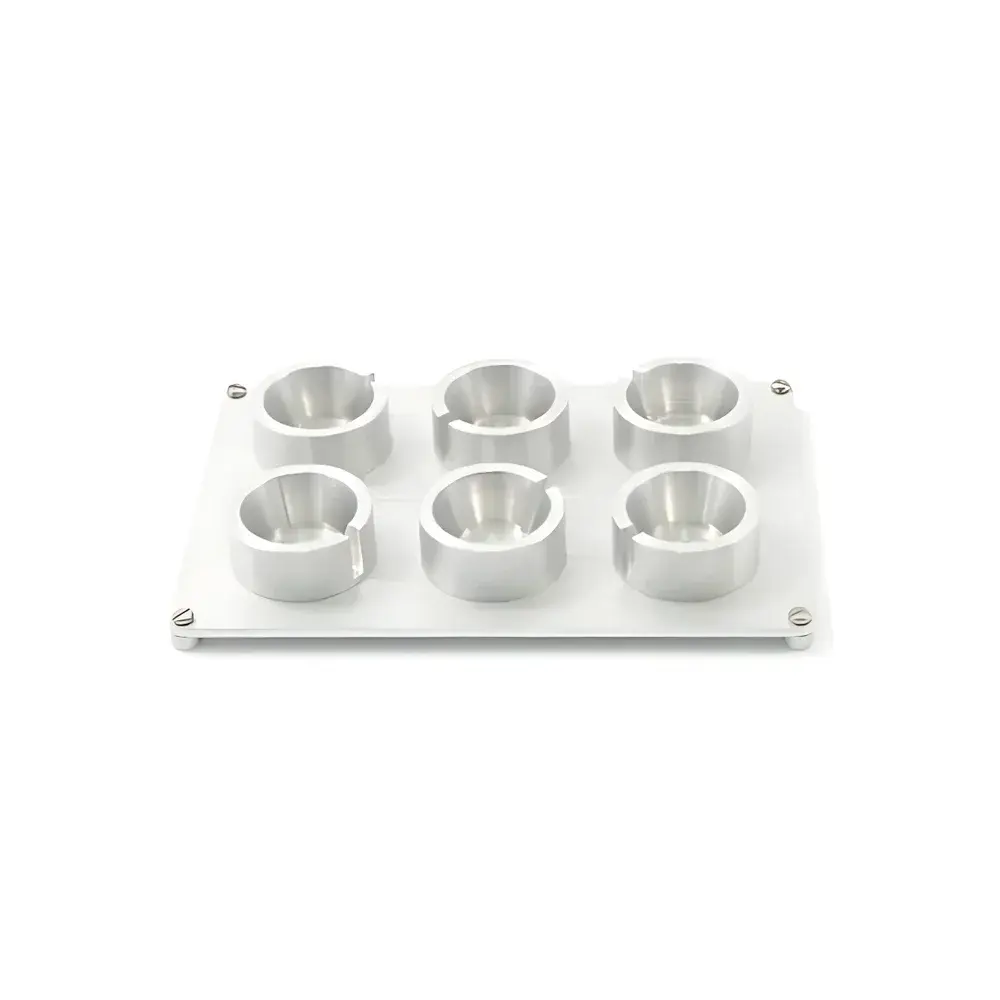
Kibron dIFT-2x Dual-Channel Dynamic Interfacial Tensiometer
| Brand | Kibron |
|---|---|
| Origin | Finland |
| Model | dIFT-2x |
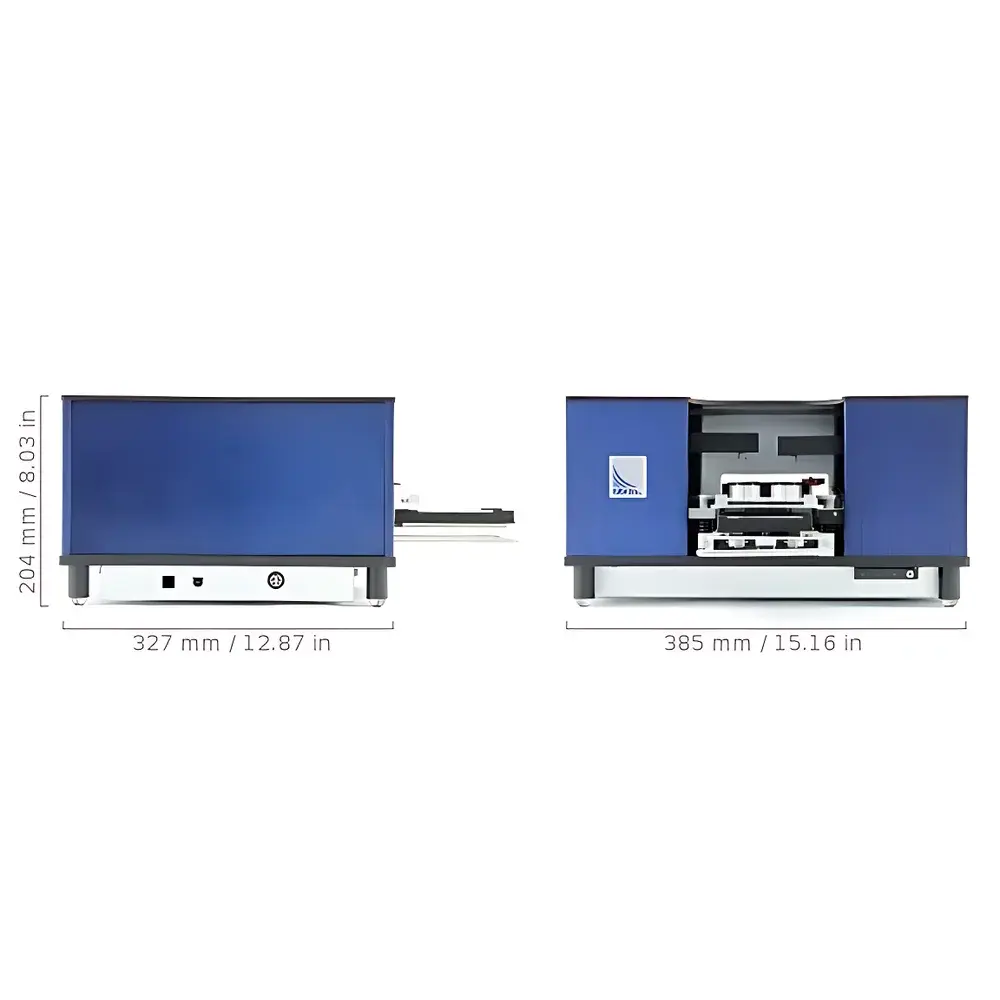
| Dimensions | 38.5 × 32.7 × 20.4 cm |
| Weight | 11.1 kg |
| Sensitivity | < 0.1 mN/m |
| Measurement Range | 10–100 mN/m |
| Sampling Rate | 20 Hz |
Overview
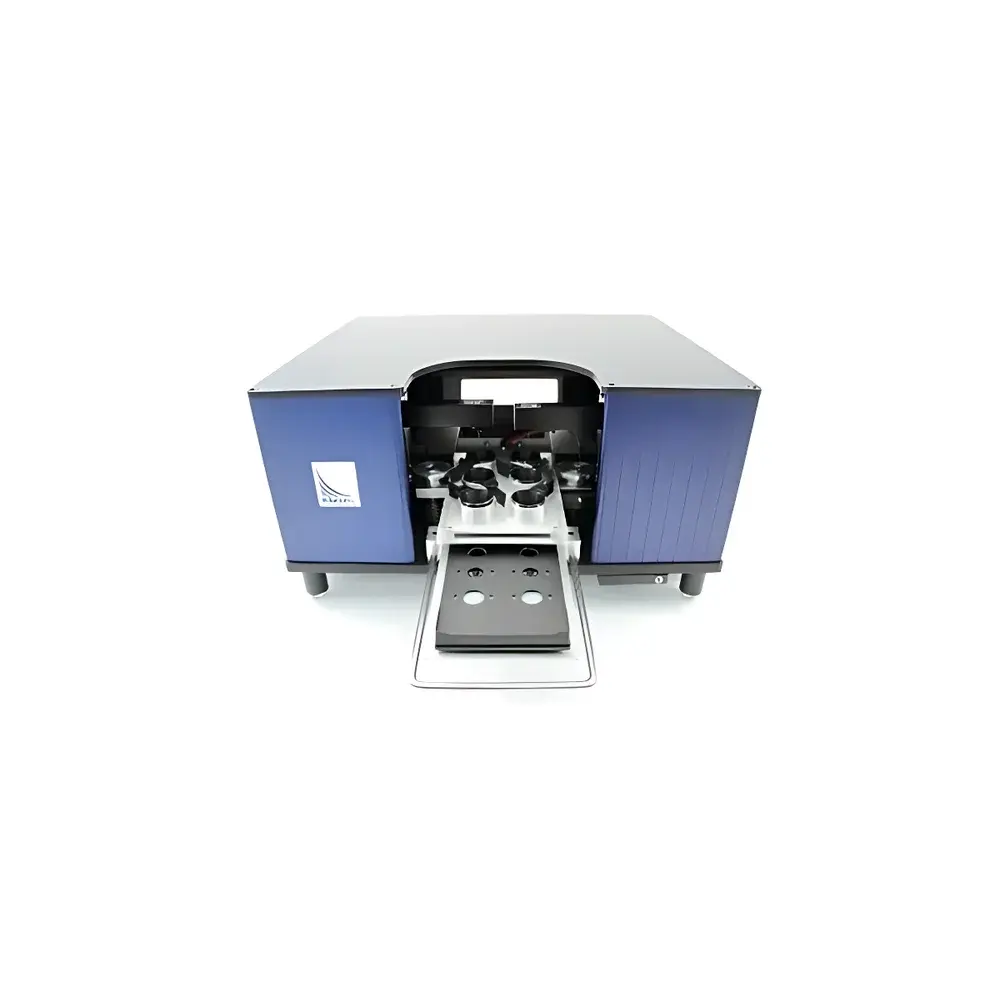
The Kibron dIFT-2x Dual-Channel Dynamic Interfacial Tensiometer is an engineered solution for high-throughput, time-resolved measurement of interfacial tension at liquid–liquid interfaces—particularly oil–water systems. It operates on the Wilhelmy plate principle, where a precision-calibrated, corrosion-resistant platinum or stainless-steel probe vertically traverses the interface while a microbalance continuously records the force exerted by interfacial tension. Unlike static tensiometers, the dIFT-2x captures dynamic interfacial behavior in real time, enabling kinetic analysis of surfactant adsorption, interfacial relaxation, and emulsion stabilization mechanisms. Its dual-channel architecture allows parallel acquisition from two independent sample wells under identical environmental conditions, significantly improving statistical robustness and experimental efficiency—critical for formulation screening, enhanced oil recovery (EOR) research, and pharmaceutical emulsion development.
Key Features
- Dual-channel design with two synchronized microbalances enables simultaneous measurement of two oil–water interfaces, reducing inter-run variability and doubling throughput without compromising data integrity.
- Real-time acquisition at 20 Hz provides high temporal resolution for capturing rapid interfacial processes—such as initial surfactant adsorption (<1 s), diffusion-limited equilibration, and Marangoni-driven rearrangements.
- Automated interface detection algorithm eliminates manual positioning errors: the system autonomously identifies the oil–aqueous interface via force gradient recognition prior to initiating measurement.
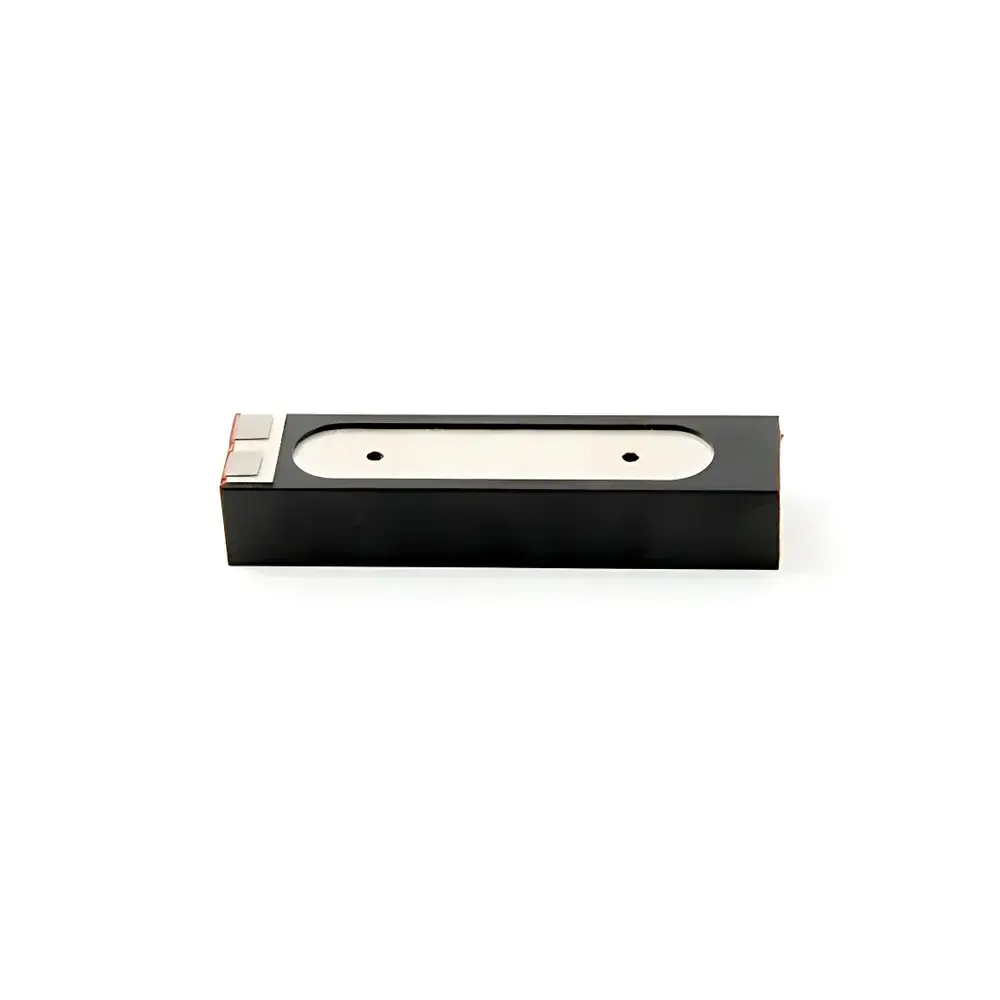
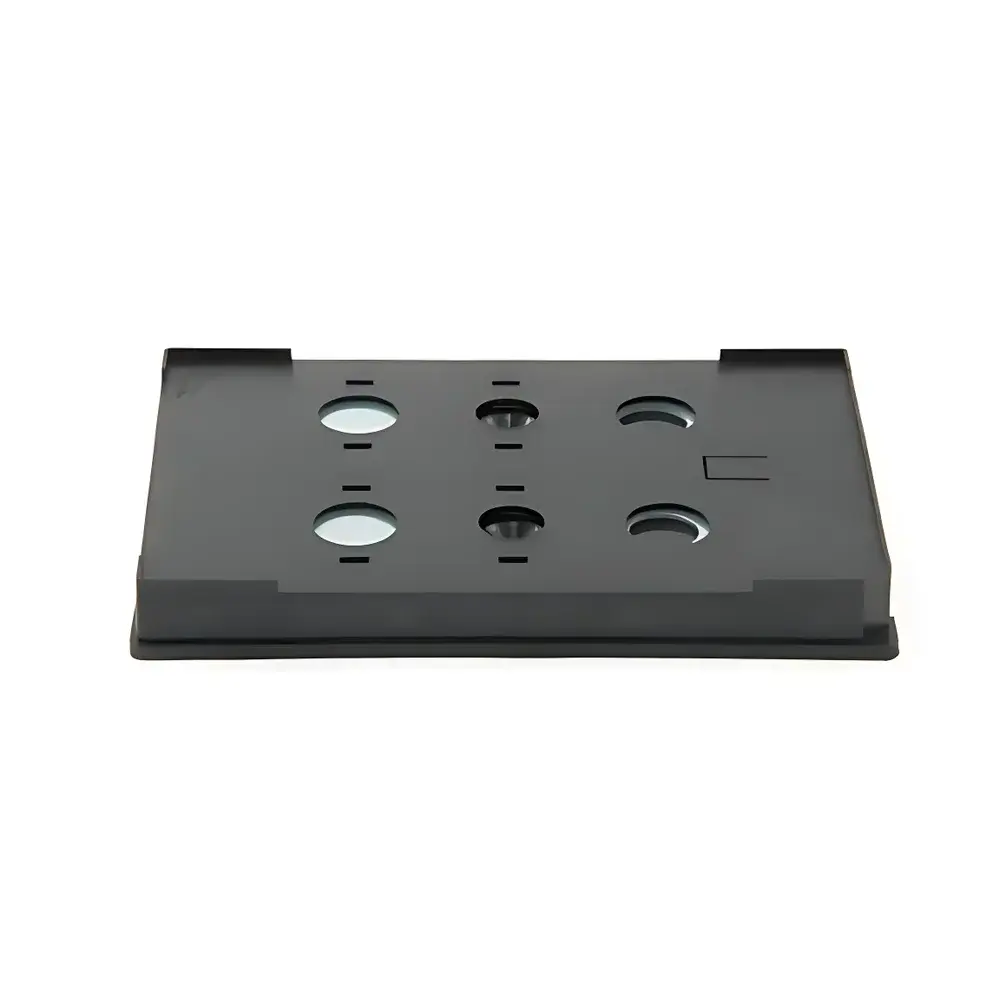
- Integrated probe cleaning module with solvent-compatible cleaning chamber and maintenance tray permits in-situ probe rinsing between runs, minimizing carryover and preserving long-term calibration stability.
- Corrosion-resistant probe materials (e.g., Pt-Ir alloy or electropolished 316L SS) ensure reliable operation in aggressive media—including high-salinity brines, acidic/basic formulations, and oxidizing surfactant solutions up to 1000 ppm active concentration.
- Compact benchtop footprint (38.5 × 32.7 × 20.4 cm) and low mass (11.1 kg) facilitate integration into fume hoods, gloveboxes, or temperature-controlled chambers without structural reinforcement.
Sample Compatibility & Compliance
The dIFT-2x accommodates standard 12-mm-diameter sample wells and supports aqueous phases ranging from deionized water to saturated NaCl brines (up to 300 g/L), organic phases including alkanes (n-heptane, decane), aromatic solvents (toluene), and functionalized oils (e.g., ester-based carriers). It is routinely deployed in laboratories adhering to ASTM D971 (Standard Test Method for Interfacial Tension of Oil Against Water by the Ring Method) and ISO 6295 (Petroleum Products — Determination of Interfacial Tension Between Water and Hydrocarbon Liquids). While not a regulated medical device, its audit-trail-capable software and calibrated traceability support GLP-compliant workflows per OECD 115 and USP , particularly in surfactant characterization for parenteral emulsions and topical delivery systems.
Software & Data Management
Control and analysis are performed via Kibron’s proprietary WinTensiometer software, which provides real-time visualization of interfacial tension vs. time curves, automated equilibrium detection (using first-derivative thresholding), and batch processing for multi-sample comparative kinetics. Raw force data (µN) and derived interfacial tension (mN/m) are stored in HDF5 format with embedded metadata (timestamp, operator ID, environmental temperature, probe serial number). Export options include CSV, Excel, and PDF reports compliant with internal QA documentation standards. The software supports user-defined pass/fail criteria for release testing and maintains full electronic records in alignment with FDA 21 CFR Part 11 requirements when deployed on validated Windows environments with appropriate access controls.
Applications
- Formulation optimization of oil-in-water emulsions for food, cosmetics, and agrochemicals—quantifying critical micelle concentration (CMC), interfacial elasticity, and dilatational modulus via oscillatory mode extensions.
- Enhanced oil recovery (EOR) screening: evaluating surfactant–brine–crude oil interfacial tension reduction below 10−2 mN/m and assessing aging effects over 24–72 h.
- Biopharmaceutical interface science: characterizing protein–surfactant competition at oil–buffer interfaces relevant to lipid nanoparticle (LNP) stability and mRNA delivery vehicle integrity.
- Environmental fate modeling: measuring interfacial activity of biosurfactants (e.g., rhamnolipids) and petroleum hydrocarbons in seawater matrices under varying pH and salinity.
- Quality control of industrial surfactants: verifying batch-to-batch consistency in dynamic interfacial behavior across production lots.
FAQ
What is the minimum detectable interfacial tension change the dIFT-2x can resolve?
The system achieves a sensitivity better than ±0.1 mN/m under controlled laboratory conditions (23 ± 0.5 °C, vibration-isolated bench), verified using certified reference oils and standardized aqueous phases.
Can the dIFT-2x measure solid–liquid interfacial tension?
No—it is specifically designed for liquid–liquid (oil–water) and liquid–gas (air–aqueous) interfaces using the Wilhelmy plate method; solid surface energy analysis requires complementary techniques such as contact angle goniometry.
Is probe recalibration required between samples?
No—probe geometry and wetting characteristics remain stable across hundreds of measurements; routine verification using a known standard (e.g., pure water at 25 °C = 72.0 mN/m) is recommended daily or per SOP.
Does the system support temperature control integration?
Yes—the base unit includes mounting provisions and I/O ports for third-party Peltier stages or circulating baths; temperature feedback is logged synchronously with interfacial tension data.
How is data integrity ensured during unattended 8-hour operation?
The dual-channel architecture includes hardware-level watchdog timers, automatic error logging, and redundant memory buffering; all measurements are timestamped and checksum-verified upon write to persistent storage.



