
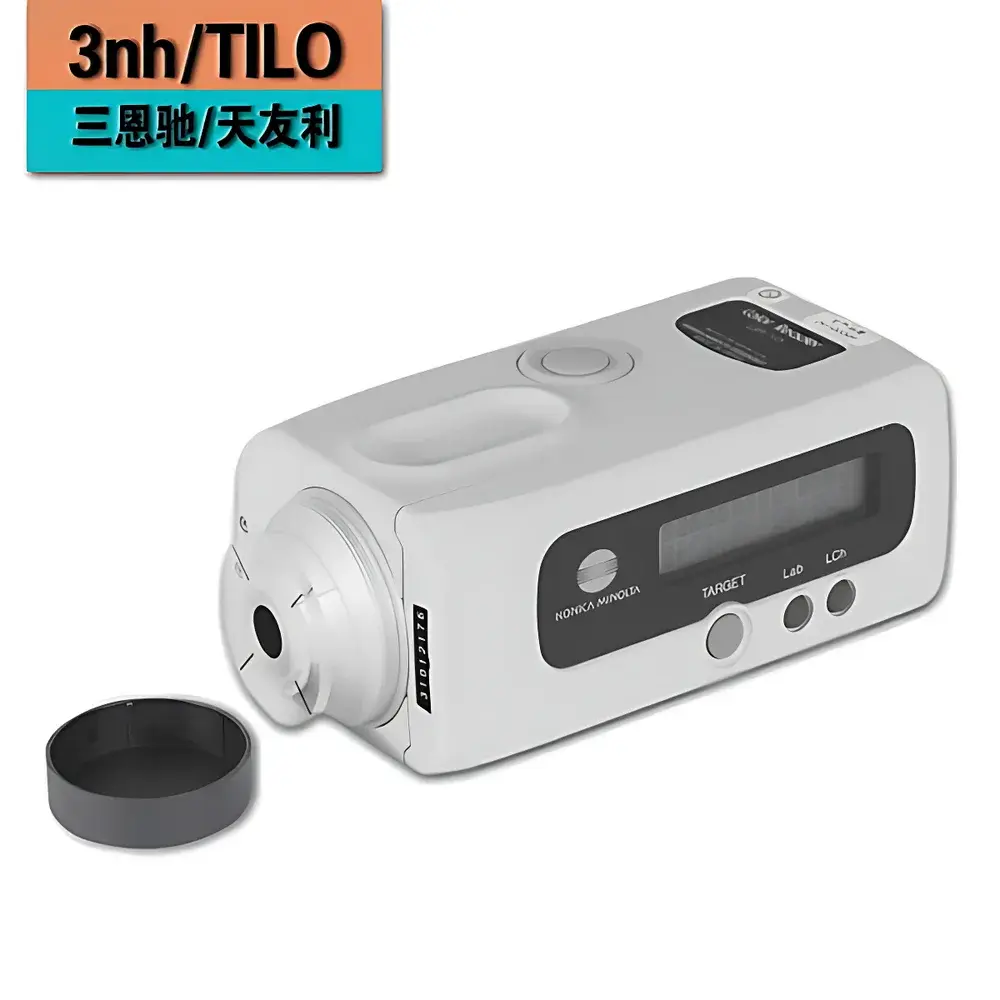
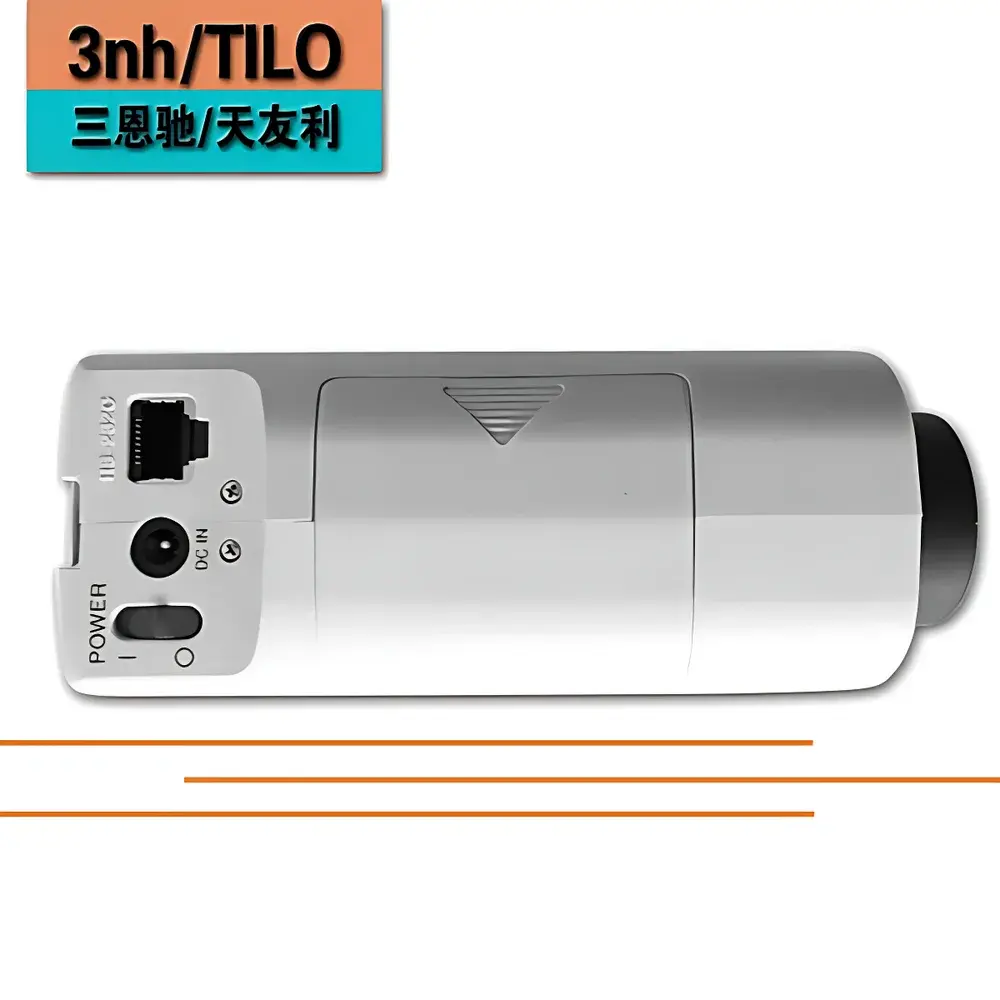
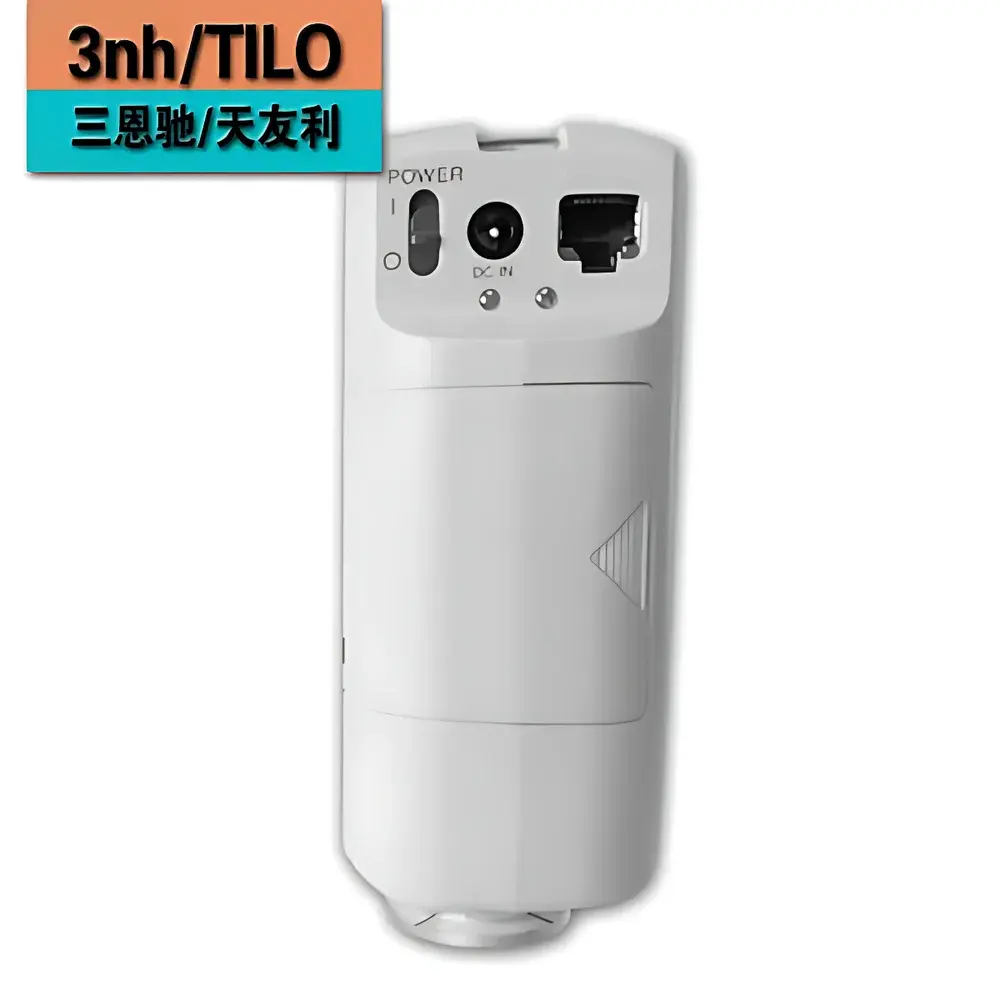
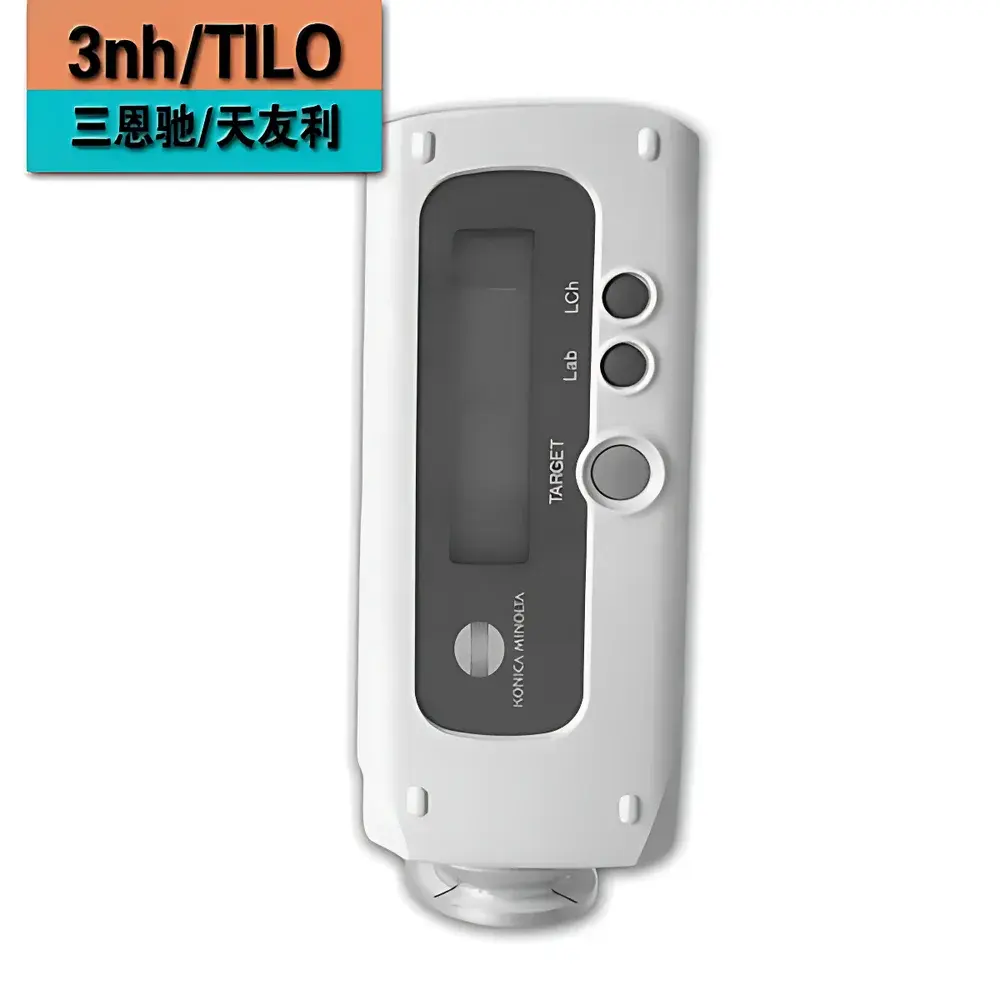
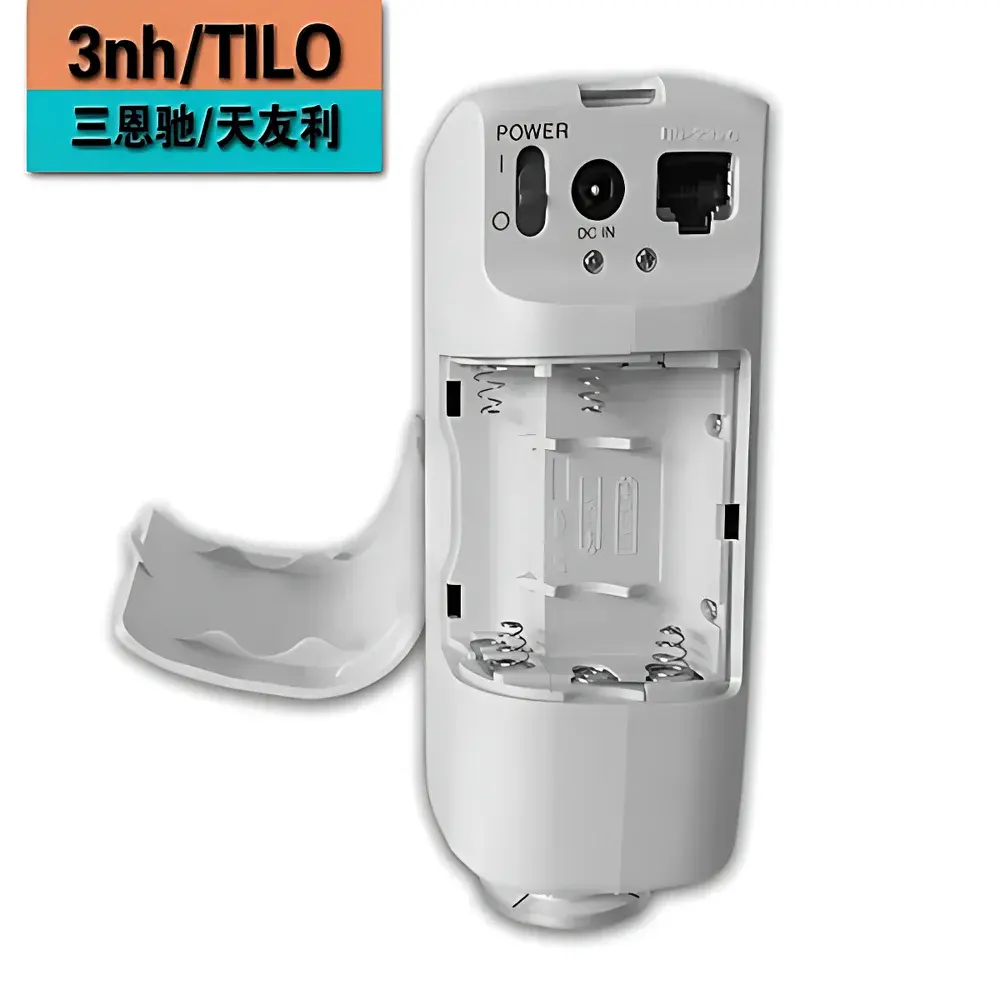
Konica Minolta CR-10 Portable Spectrophotometric Color Difference Meter
| Brand | Konica Minolta |
|---|---|
| Origin | Shanghai, China |
| Manufacturer Type | Authorized Distributor |
| Product Category | Domestic |
| Model | CR-10 |
| Price | USD 2,250 (approx.) |
| Instrument Type | Portable Spectrophotometric Colorimeter |
| Optical Geometry | d/8° integrating sphere |
| Light Source | Pulsed Tungsten Halogen Lamp |
| Spectral Range | 400–700 nm |
| Repeatability | ΔE*ab ≤ 0.1 (for white tile, 10 measurements) |
Overview
The Konica Minolta CR-10 is a portable spectrophotometric color difference meter engineered for rapid, field-deployable color assessment in quality control environments where precision, portability, and operational simplicity are critical. Based on the fundamental principle of diffuse illumination and 8° viewing geometry (d/8°), the instrument captures spectral reflectance data across the visible spectrum (400–700 nm) using a pulsed tungsten halogen lamp as its stable, low-heat light source. Unlike tristimulus colorimeters, the CR-10 employs a diffraction grating-based spectrophotometric optical path to resolve spectral power distribution at discrete wavelength intervals—enabling calculation of CIE standard colorimetric values (L*a*b*, L*C*h*, ΔE*ab, ΔE00) with high spectral fidelity and long-term stability. Its compact form factor, battery-powered operation, and intuitive three-step workflow (Power On → Measure Reference → Measure Sample) make it suitable for on-site verification of color consistency across incoming raw materials, production-line intermediates, and finished goods—particularly in industries such as plastics, paints, textiles, automotive interiors, and consumer electronics manufacturing.
Key Features
- True spectrophotometric measurement architecture with diffraction-grating optics, delivering higher accuracy and inter-instrument agreement than filter-based colorimeters.
- d/8° integrating sphere geometry compliant with ISO 7724-1, ASTM E308, and CIE No. 15, ensuring robust handling of textured, glossy, and matte surfaces without directional bias.
- Pulsed tungsten halogen illumination minimizes thermal drift and extends lamp life while maintaining consistent spectral output across repeated measurements.
- High-contrast monochrome LCD display with large-character rendering for legibility under ambient lighting conditions typical of factory floors or warehouse settings.
- Ergonomic housing design featuring contoured grip recesses, tactile measurement trigger placement, and smooth anodized surface finish—optimized for prolonged single-hand use and operator fatigue reduction.
- Multi-language interface supporting English, Chinese, and Japanese—facilitating deployment across multinational supply chains and regional QA teams.
Sample Compatibility & Compliance
The CR-10 accommodates flat, curved, and moderately textured samples up to Ø30 mm in measurement area, with automatic aperture recognition eliminating manual configuration errors. Its non-contact measurement mode avoids surface marking or contamination—critical for soft coatings, printed films, and delicate substrates. The instrument conforms to ISO 13655 (spectral measurement standards for graphic arts), ISO 9001-aligned calibration traceability via NIST-traceable ceramic tiles, and supports GLP-compliant audit trails when paired with optional PC software. While not certified for FDA 21 CFR Part 11 out-of-the-box, its data export functionality (CSV, TXT) enables integration into validated laboratory information management systems (LIMS) under site-specific SOPs.
Software & Data Management
The CR-10 interfaces with Konica Minolta’s proprietary SpectraMagic NX software via USB connection, enabling comprehensive data visualization, statistical process control (SPC) charting, pass/fail threshold definition, and batch reporting. Measurement history—including date/time stamps, operator ID fields, and reference/sample metadata—is retained locally in device memory (up to 1,000 readings) and exportable for external database ingestion. Software-generated reports comply with internal QA documentation requirements and support root-cause analysis through deviation mapping and trend analysis over time. Firmware updates are distributed through Konica Minolta’s global support portal, ensuring continued alignment with evolving color science standards.
Applications
- Supplier qualification and incoming inspection of pigmented resins, masterbatches, and coated metals.
- In-process color verification during extrusion, injection molding, and spray-coating operations.
- Color matching validation in R&D labs for formulation adjustments prior to scale-up.
- Field service applications—e.g., automotive touch-up paint verification, signage maintenance, and retail packaging audits.
- Educational use in materials science and industrial design curricula for hands-on color theory instruction.
FAQ
Is the CR-10 suitable for measuring transparent or translucent materials?
No—the CR-10 is optimized for opaque, reflective surfaces. Transmission or transmittance measurements require dedicated instruments with dual-beam or integrating sphere transmission configurations.
Does the CR-10 support CIEDE2000 (ΔE00) calculations?
Yes—firmware v2.1 and later include full CIEDE2000 color difference computation alongside CIELAB and CIELCH metrics.
What is the calibration frequency recommendation?
Daily zero calibration using the included black trap and weekly white calibration with the supplied ceramic tile are recommended for routine QC use; formal recalibration by an authorized service center is advised every 12 months or after 5,000 measurements.
Can measurement data be exported directly to Excel or ERP systems?
Yes—SpectraMagic NX exports tab-delimited CSV files compatible with Microsoft Excel, SAP QM modules, and custom SQL-based quality databases.
Is the CR-10 compliant with ISO/IEC 17025 requirements?
The instrument itself is not accredited, but its measurement methodology, traceable calibration artifacts, and documented uncertainty budgets enable laboratories to establish compliance within their own ISO/IEC 17025 scope upon method validation.





