
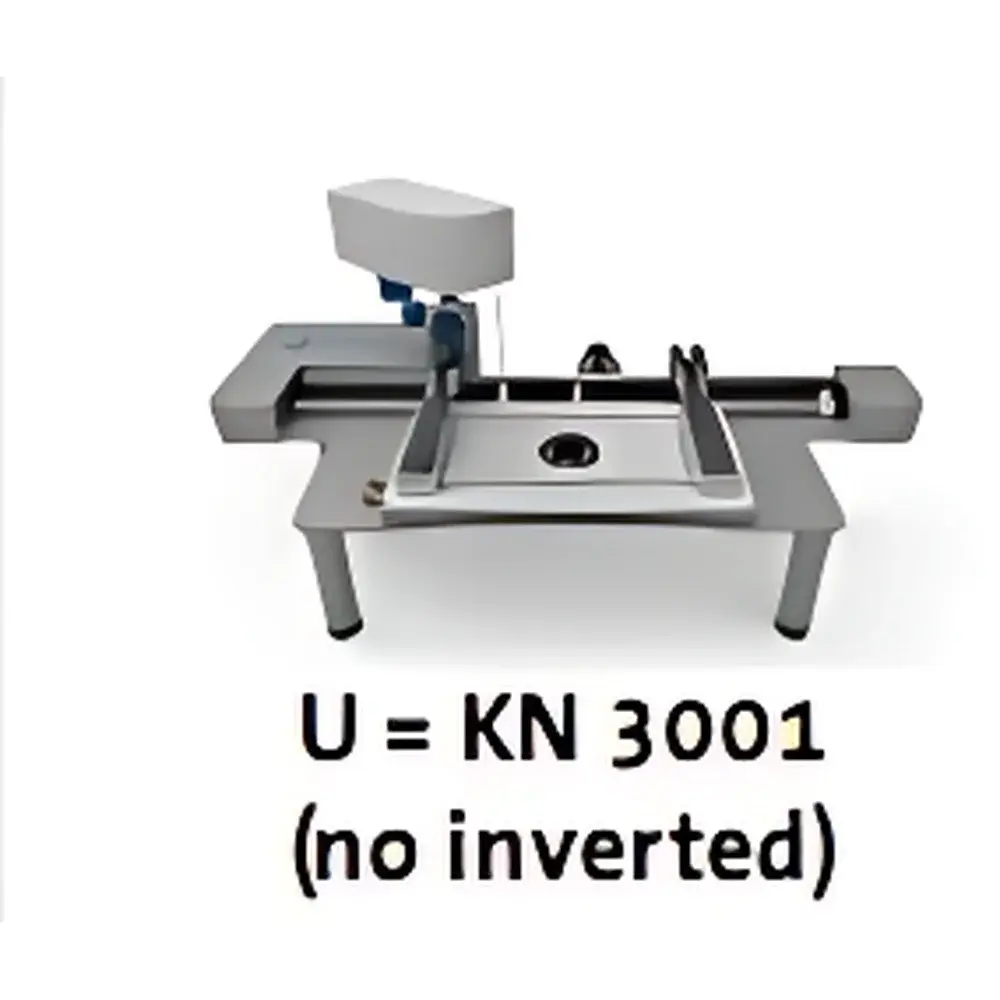
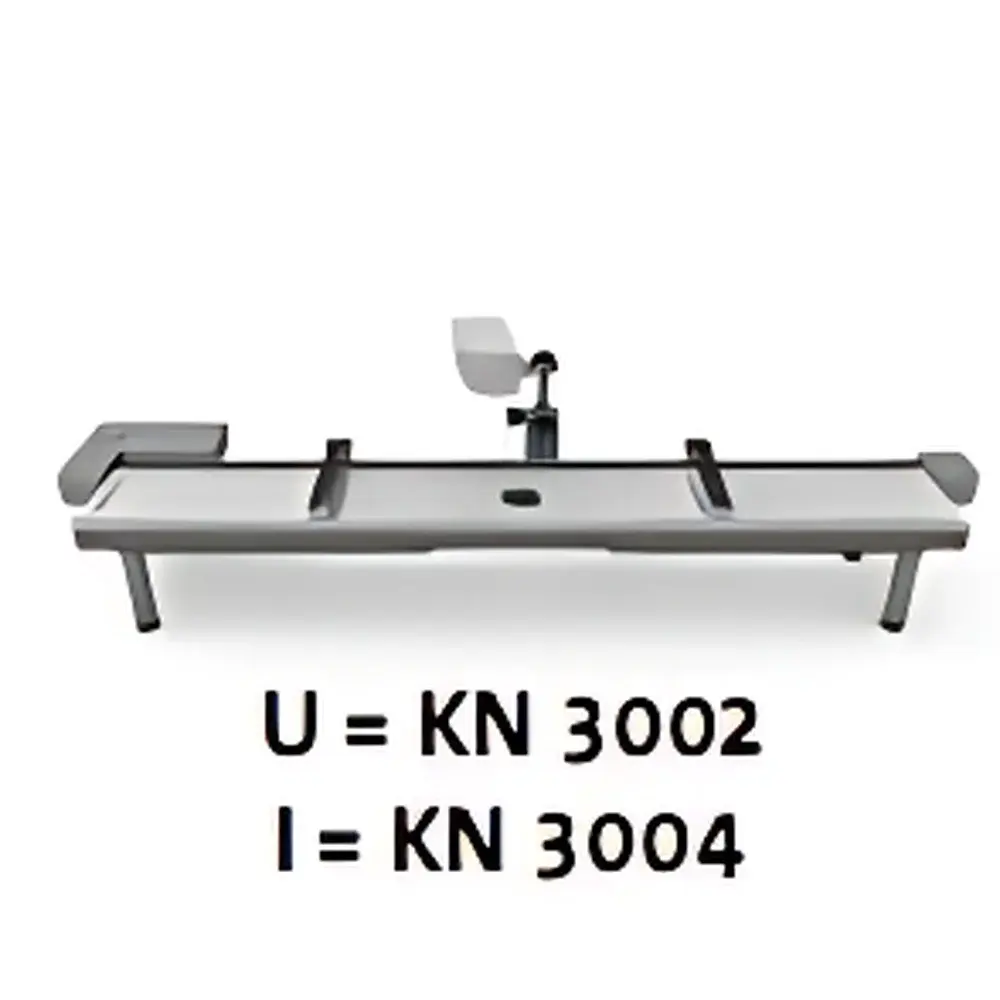
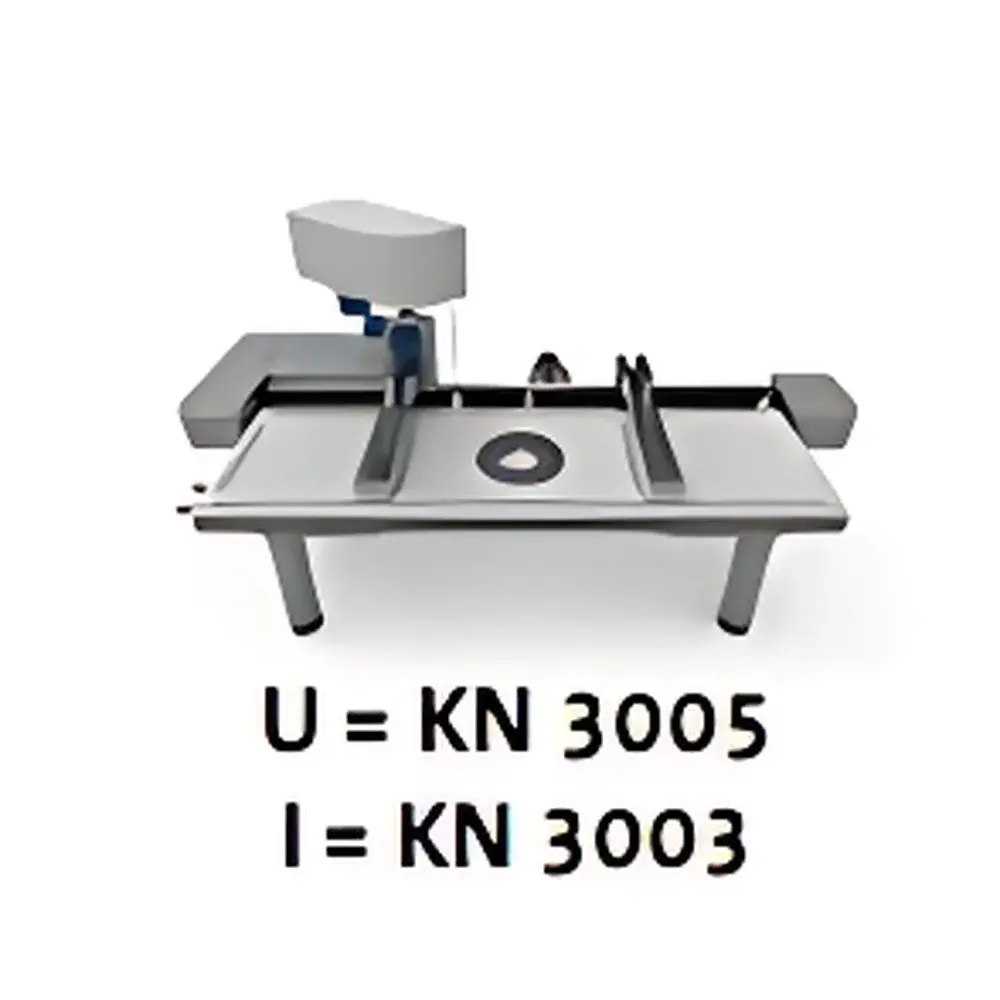
KSV NIMA Microscopy Trough for Langmuir Monolayer Analysis
| Brand | KSV NIMA |
|---|---|
| Origin | Finland |
| Manufacturer | KSV NIMA (a brand of Biolin Scientific AB) |
| Product Category | Imported Instrument |
| Model | Microscopy Troughs |
| Price Range | USD 2,700 – 6,800 (FOB Helsinki) |
Overview
The KSV NIMA Microscopy Trough is a precision-engineered Langmuir trough system designed for the controlled formation, compression, and real-time interfacial characterization of insoluble monolayers at air–water or liquid–liquid interfaces. Built upon the foundational principles of Langmuir film physics—where amphiphilic molecules, nanoparticles, nanowires, or colloidal species spontaneously assemble into two-dimensional ordered arrays—the instrument enables quantitative measurement of surface pressure (π) versus molecular area (A) isotherms. Its defining feature is an optically transparent sapphire window integrated into the trough base, transmitting light across a broad spectral range (>200 nm), thereby enabling direct optical access for in situ microscopy, spectroscopy, and scattering techniques. This architecture supports fundamental studies of phase transitions (gas → liquid-expanded → liquid-condensed → solid), collapse behavior, domain morphology, and molecular packing density—all under tightly regulated subphase temperature and mechanical compression conditions.
Key Features
- Optically optimized trough base with single-crystal sapphire window (transmission >90% from 200 nm to 2500 nm), compatible with inverted microscopes, Brewster angle microscopy (BAM), PM-IRRAS, and fluorescence imaging.
- Ultra-sensitive Wilhelmy plate-based surface pressure sensor with platinum, platinum wire, or filter paper options—calibrated to ±0.01 mN/m resolution and traceable to ISO 1409 standards.
- Monolithic, seamless PTFE trough body—chemically inert, non-porous, and free of adhesives or seals—to eliminate contamination risk and ensure long-term dimensional stability.
- Dual symmetric barrier system constructed from hydrophilic Delrin® acetal resin; optional hydrophobic PTFE barriers available for low-surface-energy monolayers.
- Modular aluminum frame with adjustable leveling feet—enabling rapid, repeatable horizontal alignment (±0.02° tolerance) and tool-free removal for microscope integration.
- Thermostatic subphase control via external recirculating bath connection (not included); compatible with standard chiller units delivering ±0.1 °C stability over 5–45 °C range.
- Open-frame design permits quick trough exchange, full accessibility for cleaning, and straightforward integration with complementary surface analysis platforms.
Sample Compatibility & Compliance
The Microscopy Trough accommodates a wide spectrum of interfacial materials: phospholipids (DPPC, DSPC), fatty acids (stearic acid), block copolymers, graphene oxide dispersions, carbon nanotubes, peptide amphiphiles, and functionalized nanoparticles. It supports both static and dynamic protocols—including quasi-static compression, stepwise relaxation, and cyclic compression–expansion—required for reproducible Langmuir isotherm acquisition. The system complies with ASTM D1331 (surface tension of surfactant solutions), ISO 4311 (determination of critical micelle concentration), and GLP-aligned experimental documentation practices. When paired with KSV NIMA’s certified software suite, it meets audit trail and electronic signature requirements per FDA 21 CFR Part 11 for regulated environments.
Software & Data Management
Control and data acquisition are managed through KSV NIMA’s proprietary TroughMaster™ software (v6.5+), a Windows-based platform supporting real-time π–A isotherm plotting, automated barrier positioning, multi-step protocol scripting, and synchronized trigger outputs for external detectors (e.g., CCD cameras, FTIR spectrometers). Raw data files (.ksv) store metadata including timestamp, temperature setpoint, barrier position, sensor calibration coefficients, and user-defined notes—ensuring full traceability. Export formats include CSV, Excel, and Origin-compatible XY files. Optional modules enable advanced analysis: compressibility modulus (Cs⁻¹ = −A·dπ/dA), phase transition identification via first/second derivatives, and hysteresis quantification across compression cycles.
Applications
This system serves as a foundational platform in soft matter physics, biophysical chemistry, and nanomaterial science. Key application domains include: modeling of lipid bilayer mechanics and membrane protein insertion; investigation of drug–membrane partitioning kinetics; templated 2D crystallization of nanomaterials (e.g., MoS₂ monolayers); interfacial polymerization for ultrathin selective layers; characterization of stimuli-responsive surfactants; and development of Langmuir–Blodgett (LB) transferred films for organic electronics and biosensors. Its compatibility with BAM, PM-IRRAS, QCM-D, and ISR enables correlative analysis—linking structural order (via imaging), molecular orientation (via polarized IR), mass uptake (via acoustic sensing), and interfacial rheology (via shear deformation)—within a single experimental workflow.
FAQ
Can this trough be used with inverted fluorescence microscopes?
Yes—the sapphire window and low-profile design allow unobstructed optical path access for high-NA objectives; standard configurations support 40×–100× oil-immersion objectives.
Is temperature control built-in or external?
Temperature regulation requires an external recirculating chiller connected to the aluminum baseplate; no internal heating/cooling elements are integrated.
What barrier types are included by default?
Standard delivery includes dual hydrophilic Delrin® barriers; PTFE barriers and custom barrier geometries (e.g., asymmetric, segmented) are available as options.
Does the system support Langmuir–Blodgett deposition?
Yes—compatible with KSV NIMA’s LB deposition modules (e.g., vertical dipper, horizontal lifters) for controlled transfer onto solid substrates.
Are calibration certificates provided with the surface pressure sensor?
Each unit ships with a factory calibration certificate referencing NIST-traceable Wilhelmy plate standards; annual recalibration services are offered via Biolin Scientific’s ISO/IEC 17025-accredited lab.



