
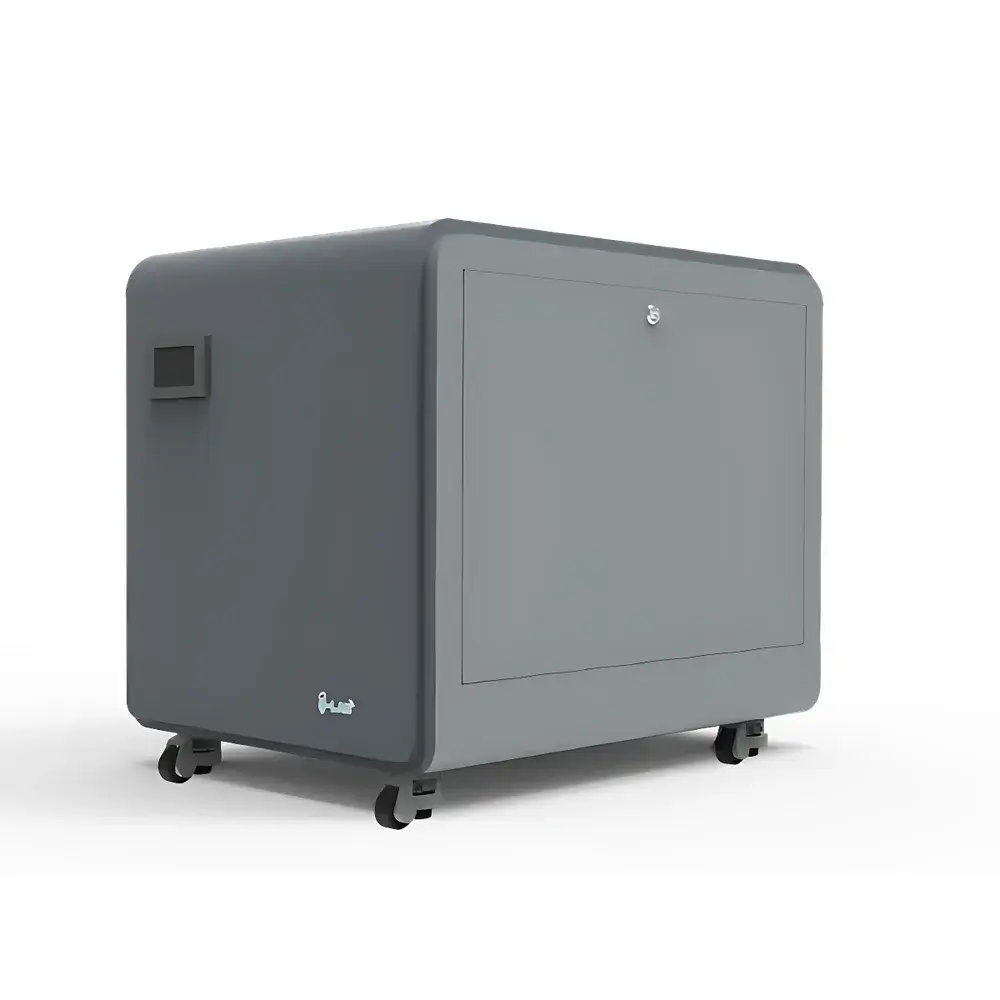
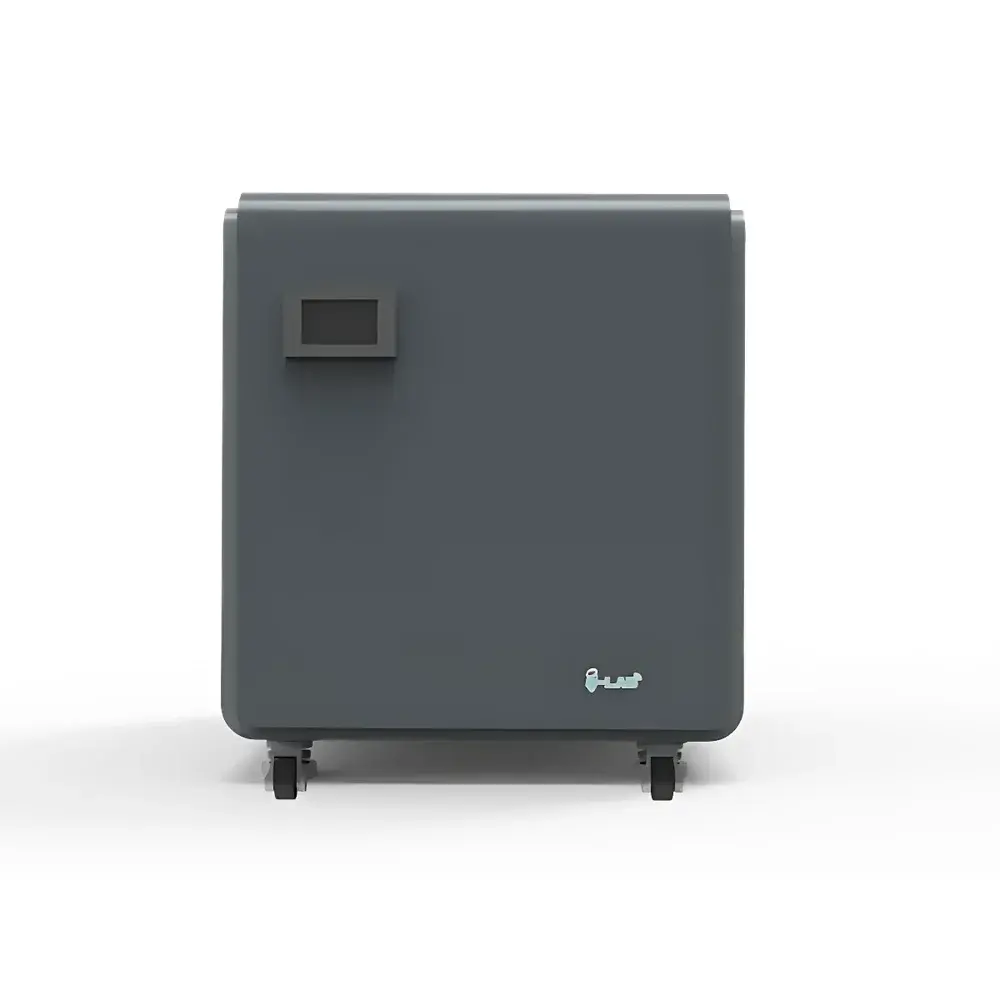
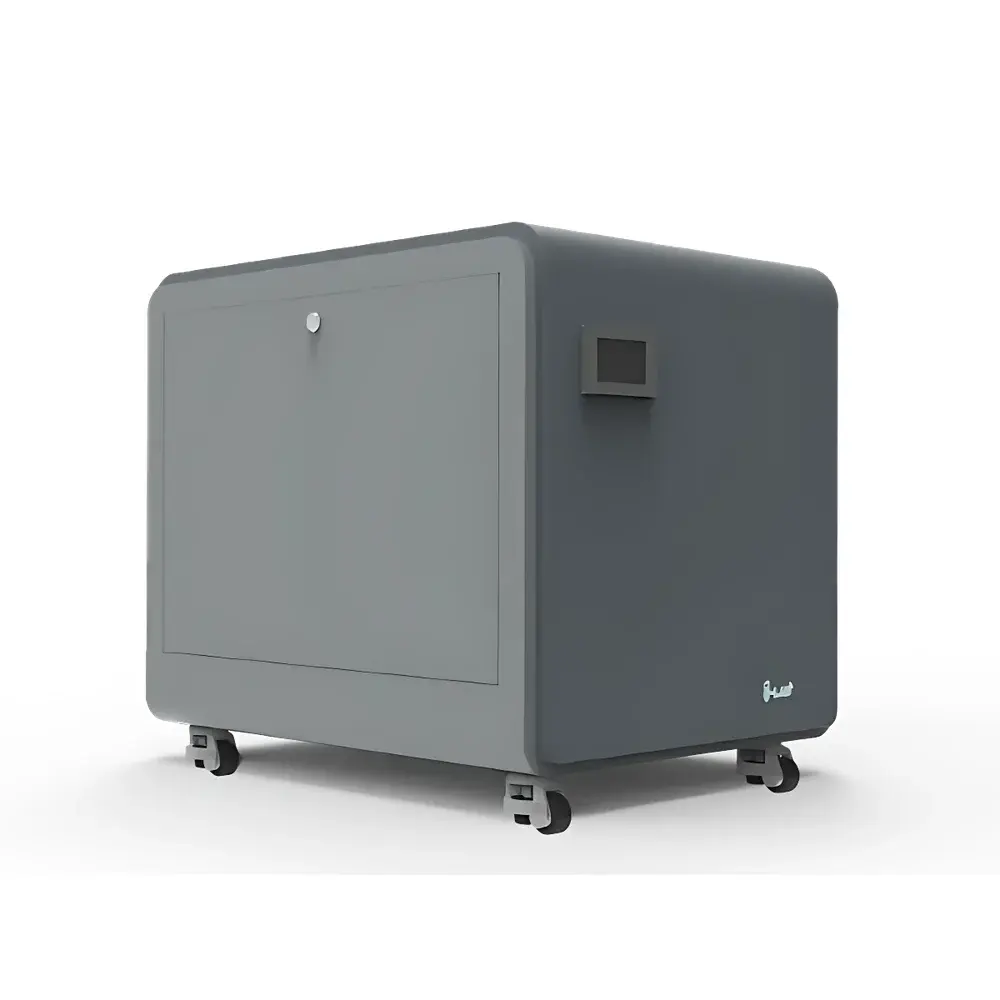
i-Lab UHAN2-1 Integrated Ultra-High-Purity Nitrogen & Zero-Air Generator
| Brand | i-Lab |
|---|---|
| Origin | Shanghai, China |
| Manufacturer Type | Direct Manufacturer |
| Country of Origin | China |
| Model | UHAN2-1 |
| Gas Purity | 99.99996% (N₂) |
| Nitrogen Output Flow | 2 L/min |
| Output Pressure Range | 0–7 bar |
| Design | Integrated Monoblock Architecture |
| Control Interface | Intelligent Touchscreen HMI |
| Noise Level | <45 dB(A) |
| Core Technology | Imported PSA Molecular Sieve Modules + Oil-Free Compressor |
| Safety Features | Overpressure Protection, Automatic Pressure Relief |
Overview
The i-Lab UHAN2-1 is an integrated ultra-high-purity nitrogen and zero-air generator engineered specifically for gas chromatography (GC) and gas chromatography–mass spectrometry (GC-MS) laboratories. It employs pressure swing adsorption (PSA) technology with imported molecular sieve modules and a certified oil-free air compressor to produce nitrogen at ≥99.99996% purity (residual O₂ ≤0.05 ppm, H₂O ≤0.1 ppm, hydrocarbons ≤0.01 ppm) and zero-grade air (hydrocarbons ≤0.01 ppm, CO ≤0.1 ppm, NOₓ ≤0.05 ppm, SO₂ ≤0.005 ppm, particles ≤0.01 µm). Unlike conventional cylinder-based supply systems, the UHAN2-1 delivers continuous, on-demand gas generation with real-time pressure regulation across a 0–7 bar range—ensuring stable eluent and detector support for split/splitless inlets, FID, ECD, NPD, and TCD detectors. Its monoblock architecture eliminates inter-unit piping losses and cross-contamination risks, while the fully sealed internal gas path meets ISO 8573-1 Class 1 compressed air quality requirements for analytical instrumentation.
Key Features
- Advanced SFP (Split-Flow Purification) Technology: A proprietary staged flow distribution system optimizes adsorption kinetics across dual parallel PSA beds, reducing startup stabilization time to under 15 minutes and extending molecular sieve service life by ≥40% compared to standard single-pass configurations.
- Precision Flow & Pressure Regulation: Digital mass flow control maintains ±0.5% repeatability at 2 L/min nitrogen output; closed-loop pressure feedback ensures deviation ≤±0.1 bar across dynamic load conditions typical of multi-instrument GC networks.
- Ultra-Low Acoustic Signature: Vibration-damped mounting, acoustic enclosure lining, and optimized airflow routing achieve sustained operational noise ≤45 dB(A) at 1 m distance—compliant with WHO laboratory ambient noise guidelines for cognitive task environments.
- Integrated Safety Architecture: Dual-stage overpressure protection (mechanical relief valve + electronic cut-off at 7.5 bar), automatic depressurization during shutdown or fault, and real-time dew point monitoring prevent condensation-induced column damage or detector contamination.
- Intelligent Touch HMI: 7-inch capacitive touchscreen with intuitive icon-driven navigation, multilingual UI (EN/DE/FR/ES/CN), and embedded event logging (≥10,000 entries) supporting GLP-compliant audit trails.
Sample Compatibility & Compliance
The UHAN2-1 is validated for direct integration with Agilent, Thermo Fisher, Shimadzu, PerkinElmer, and Waters GC/GC-MS platforms requiring Class I carrier/detector gases per ASTM D6349, ISO 8573-1:2010 (Class 1,2,2), and USP . Its zero-air stream meets EPA Method TO-15 and ASTM D5502 specifications for VOC analysis. All wetted materials (316L SS, electropolished tubing, EPDM-free seals) comply with FDA 21 CFR Part 11 data integrity requirements when paired with optional i-Lab CloudLink firmware (v3.2+). The unit carries CE marking (2014/30/EU EMC & 2014/35/EU LVD), RoHS 2015/863/EU, and CNAS-accredited factory calibration certificates traceable to NIM (National Institute of Metrology, China).
Software & Data Management
Firmware v3.2 supports local Ethernet/IP and optional Wi-Fi 5 (802.11ac) connectivity for remote monitoring via i-Lab CloudLink—a secure, TLS 1.2-encrypted web portal enabling real-time pressure/flow/dew point telemetry, predictive maintenance alerts (e.g., sieve saturation estimation), and configurable email/SMS notifications. Audit logs include user ID, timestamp, parameter change, and reason code—fully compliant with 21 CFR Part 11 electronic record requirements when enabled with role-based access control (RBAC) and digital signature modules. Historical data exports as CSV or PDF are timestamped and digitally signed for regulatory submissions.
Applications
- Carrier gas supply for capillary GC columns (including polar phases such as DB-WAX, HP-INNOWAX)
- FID and NPD detector make-up gas and fuel air streams
- GC-MS ion source purge and collision gas (for triple-quads operating in MRM mode)
- Automated sample introduction systems (e.g., PAL autosamplers requiring synchronized gas sequencing)
- Multi-instrument labs deploying centralized gas distribution with ≤30 m stainless steel 1/4″ OD lines (max 5 endpoints, pressure drop <0.3 bar)
FAQ
What is the recommended maintenance interval for the PSA molecular sieve cartridges?
Cartridge replacement is advised every 24 months under continuous operation (24/7 @ 2 L/min), or after 15,000 hours of cumulative runtime—whichever occurs first. i-Lab CloudLink provides automated usage-hour tracking and advance notification.
Can the UHAN2-1 supply both nitrogen and zero-air simultaneously to separate instruments?
Yes. Dual independent outlet ports (1/4″ Swagelok VCR) allow simultaneous delivery with independent pressure regulation (0–7 bar each) and dedicated flow meters for traceability.
Is external cooling or ventilation required?
No. The unit operates within ambient temperatures of 15–30°C and relative humidity ≤70% non-condensing. Rear-panel passive convection grilles suffice; no forced-air exhaust ducting is needed.
Does it support integration with LabVantage or STARLIMS LIMS platforms?
Via RESTful API (JSON over HTTPS) and OPC UA server (IEC 62541), enabling bidirectional data exchange including gas quality status, maintenance schedules, and calibration history.
How is compliance with ISO/IEC 17025:2017 demonstrated?
Each unit ships with a factory-issued calibration certificate (NIM-traceable), uncertainty budget per ISO/IEC 17025 Annex A.3, and documented validation protocol templates aligned with ILAC-G8:2022 for in-house verification.



