
Labman AutoResist Pro Automated Resistivity Measurement System
| Brand | Labman |
|---|---|
| Origin | United Kingdom |
| Manufacturer Type | Authorized Distributor |
| Origin Category | Imported |
| Model | AutoResist Pro |
| Pricing | Available Upon Request |
Overview
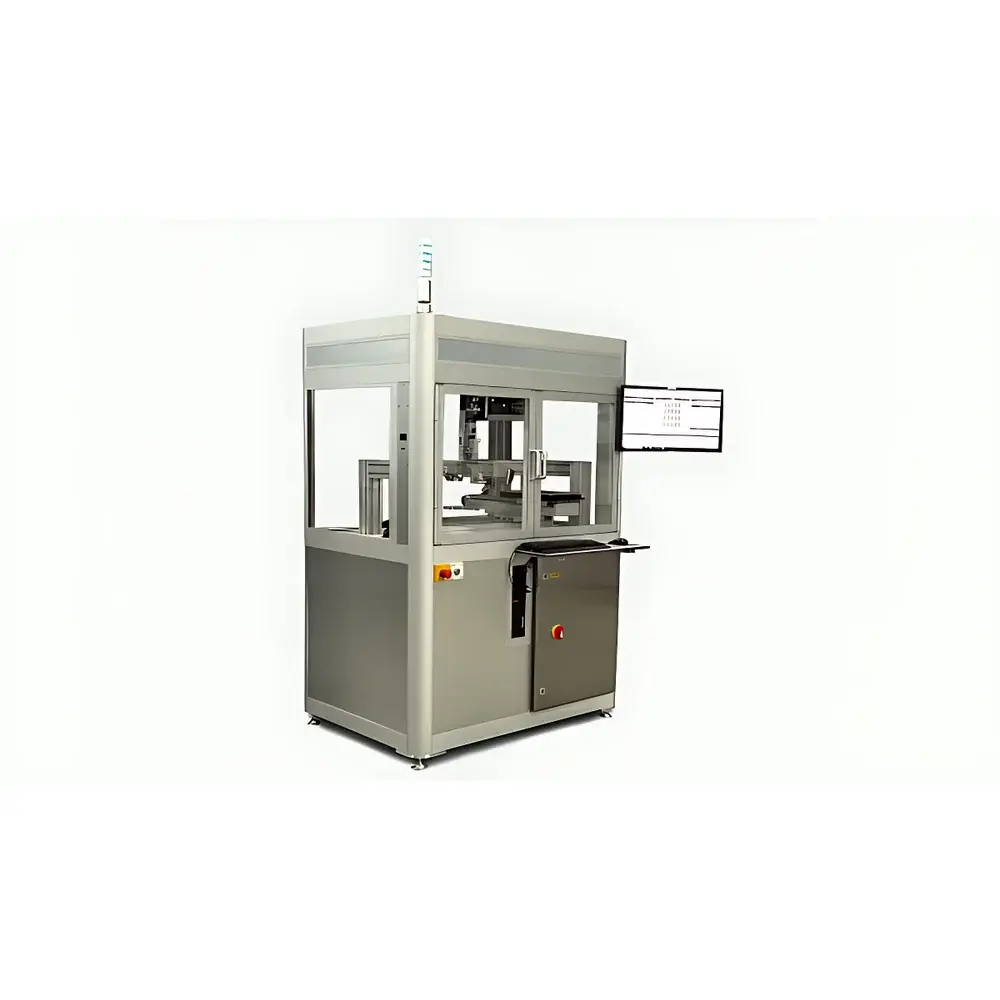
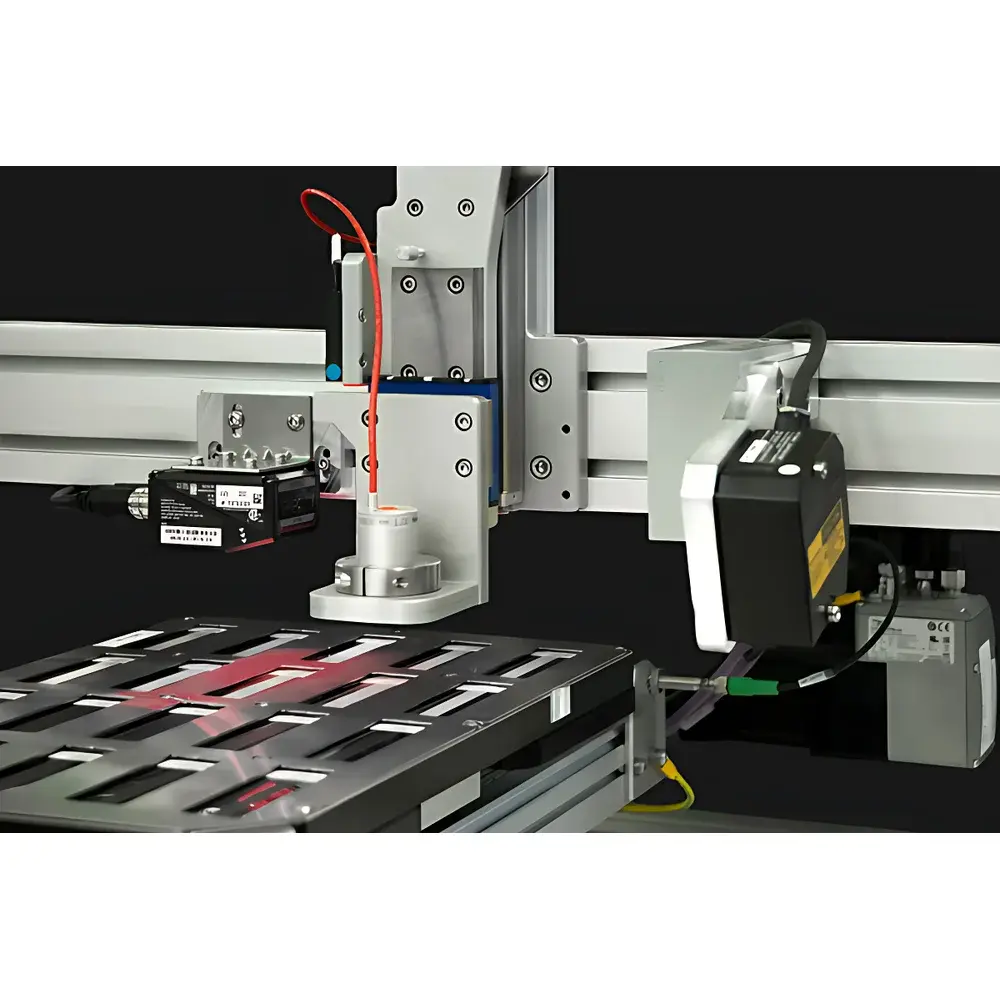
The Labman AutoResist Pro Automated Resistivity Measurement System is a precision-engineered platform designed for high-throughput, non-destructive sheet resistance and volume resistivity characterization of thin-film materials. It operates on the four-point probe (4PP) principle—based on the van der Pauw method—where two outer electrodes inject a known current while two inner electrodes measure the resulting voltage drop, eliminating contact resistance errors. This configuration enables accurate resistivity calculation when combined with calibrated film thickness data. The system integrates a co-located laser profilometer (mirror-reflection type) to independently verify sample topography and thickness uniformity across the measurement zone, supporting both transparent and opaque substrates—including conductive inks, adhesives, PEDOT:PSS films, metal oxides, and printed electronics layers. Designed for integration into automated lab workflows, the AutoResist Pro delivers traceable, GLP-compliant measurements with mechanical stability engineered to minimize thermal drift and vibration coupling.
Key Features
- Four-point probe module compliant with ASTM F84 and ISO 10360-2 standards, featuring Jandel-style RM3000+ test unit with programmable current sourcing (10 nA–100 mA) and microvolt-level voltage resolution
- Integrated mirror-reflection laser contour sensor with ±25 µm vertical repeatability, capable of surface profiling over 20 mm × 20 mm scan area at 5 µm lateral resolution
- Dual-axis XY motion system built on preloaded recirculating ball screws, delivering <1 µm bidirectional positioning accuracy and <0.5 arcsec angular deviation per 100 mm travel
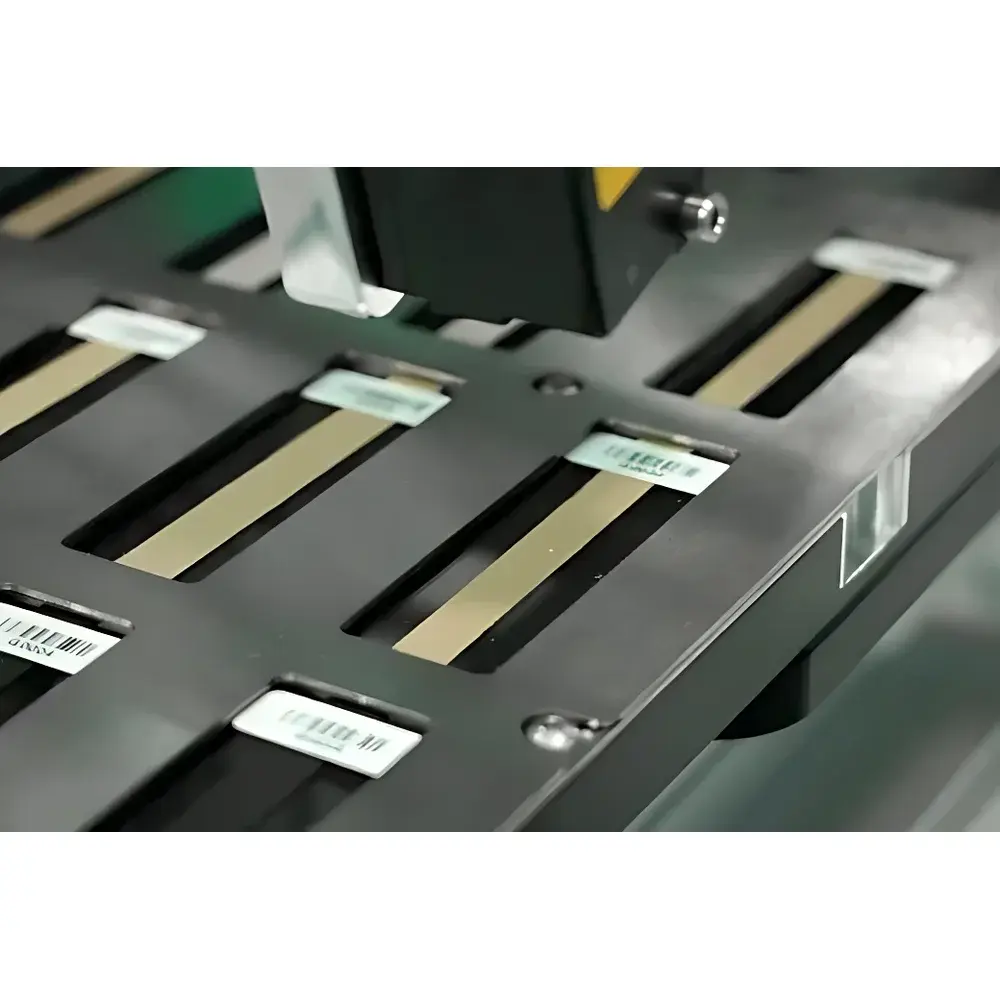
- Modular slide carrier accommodating up to 20 standard microscope slides (≤1 mm thick), magnetically secured for rapid, repeatable loading without mechanical clamping force variation
- Floating bearing probe mount decouples lateral shear forces from the probe tips, preserving tip geometry and extending calibration interval integrity
- Thermally isolated structural frame separates probe actuation mechanics from the measurement head, minimizing environmental perturbation from motor heat or ambient air currents
- Compact footprint (W750 × D620 × H580 mm) optimized for benchtop deployment in ISO Class 7 cleanrooms or QC laboratories with limited floor space
Sample Compatibility & Compliance
The AutoResist Pro accepts rigid planar substrates including glass, silicon wafers, PET, PI, and ceramic-coated slides. Sample thickness range: 0.1–1.0 mm; minimum measurable sheet resistance: 10⁻³ Ω/□; maximum: 10⁷ Ω/□ (dependent on probe spacing and current compliance). All electrical measurements adhere to IEC 62607-4-2 (nanomaterials — Part 4-2: Electrical properties — Sheet resistance by four-point probe) and support audit-ready documentation per FDA 21 CFR Part 11 requirements when paired with Labman’s validated software suite. The system is CE-marked and conforms to EN 61326-1 (EMC) and EN 61010-1 (safety) for laboratory instrumentation.
Software & Data Management
Controlled via Labman’s proprietary AutoCalibrate™ software (v4.2+), the system provides full scriptable automation, real-time data visualization, and integrated uncertainty propagation modeling based on probe geometry, current noise floor, and thickness variability. Measurement logs include timestamped metadata (operator ID, environmental conditions, calibration certificate IDs), digital signatures, and encrypted audit trails. Export formats include CSV, HDF5, and XML for LIMS integration. Optional IQ/OQ/PQ documentation packages are available for GMP-regulated environments, including instrument qualification protocols aligned with USP and ISO/IEC 17025.
Applications
- Quality control of printed flexible electronics (e.g., RFID antennas, touch sensor traces)
- R&D screening of transparent conductive oxides (ITO, AZO, graphene oxide dispersions)
- Batch release testing of conductive adhesives and anisotropic conductive films (ACFs)
- Process validation of slot-die, gravure, and inkjet deposition systems
- Correlation studies between film morphology (via profilometry) and bulk electrical performance
- Stability assessment under thermal cycling or humidity exposure (when integrated with environmental chambers)
FAQ
Does the system require manual probe alignment before each measurement?
No—probe position is fixed relative to the XY stage; auto-homing and optical referencing ensure sub-micron reproducibility across all 20 slide positions.
Can it measure non-uniform or patterned films?
Yes—the laser profilometer identifies local thickness variations, and the software applies spatially resolved correction factors during resistivity calculation.
Is the four-point probe compatible with corrosive or low-surface-energy samples?
Probe tips are tungsten-carbide coated and configurable with optional gold-plated variants; non-contact profilometry avoids physical interaction with sensitive surfaces.
What level of technical support and calibration services does Labman provide?
Labman offers remote diagnostics, on-site preventive maintenance, NIST-traceable calibration (annually recommended), and custom application engineering support through its UK-based Applications Lab.
Can the system be integrated into existing robotic liquid handlers or track-and-trace platforms?
Yes—API access via TCP/IP and Modbus RTU enables seamless interoperability with third-party automation controllers and MES systems.






