
LABMAN High-Throughput Automated Absorbance Measurement System
| Brand | Labman |
|---|---|
| Origin | United Kingdom |
| Manufacturer Type | Authorized Distributor |
| Product Category | Imported Instrument |
| Model | LABMAN High-Throughput Automated Absorbance Measurement System |
| Optical Design | Dual-Beam |
| Detector | CCD (Charge-Coupled Device) |
| Wavelength Range | 190–900 nm |
| Wavelength Selection | Manual |
| Spectral Bandwidth | 650 nm |
| Wavelength Accuracy | ±2.0 nm |
| Stray Light | ≤0.01% T |
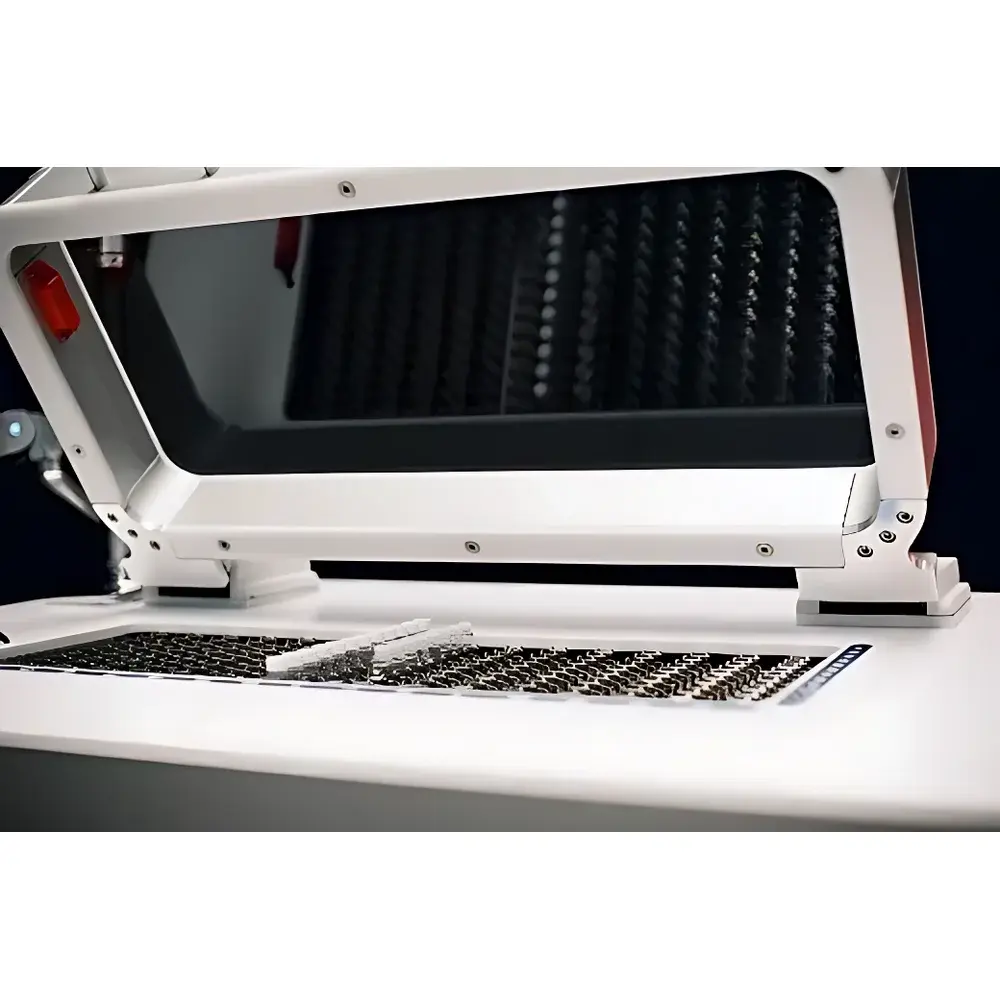
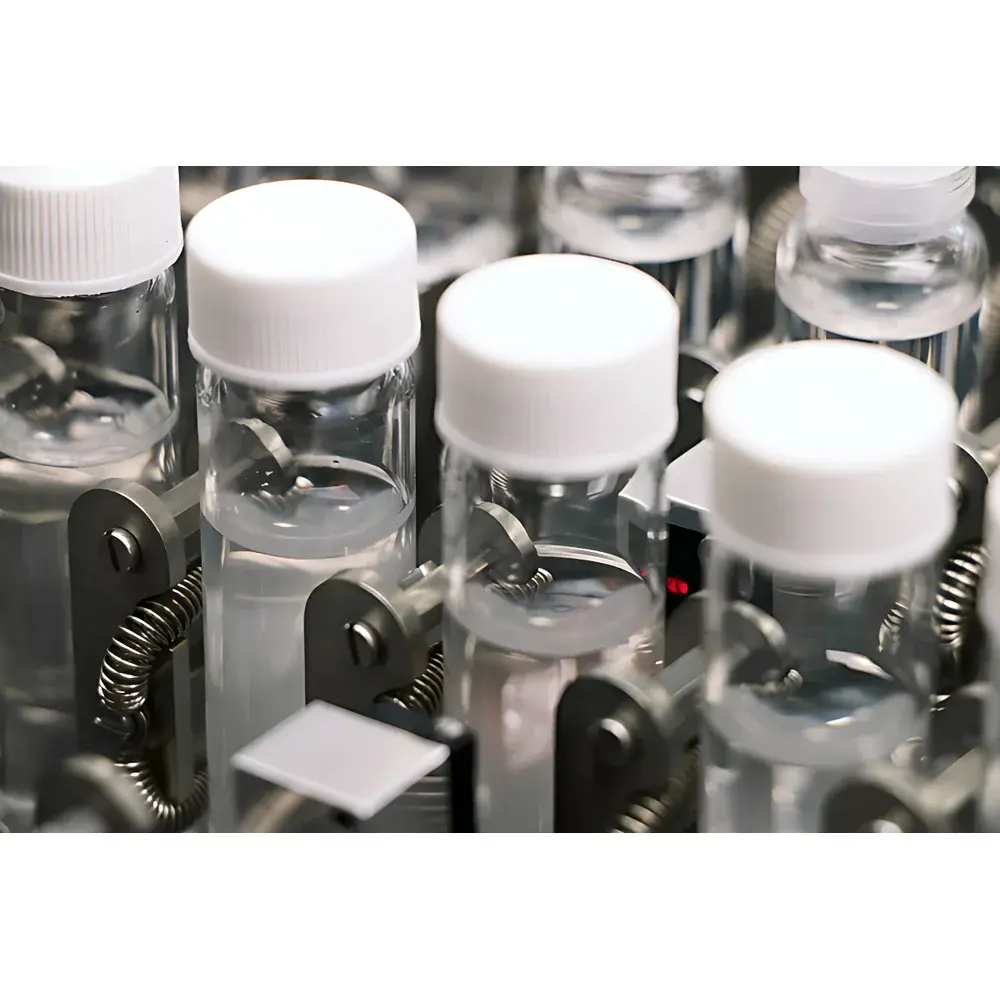
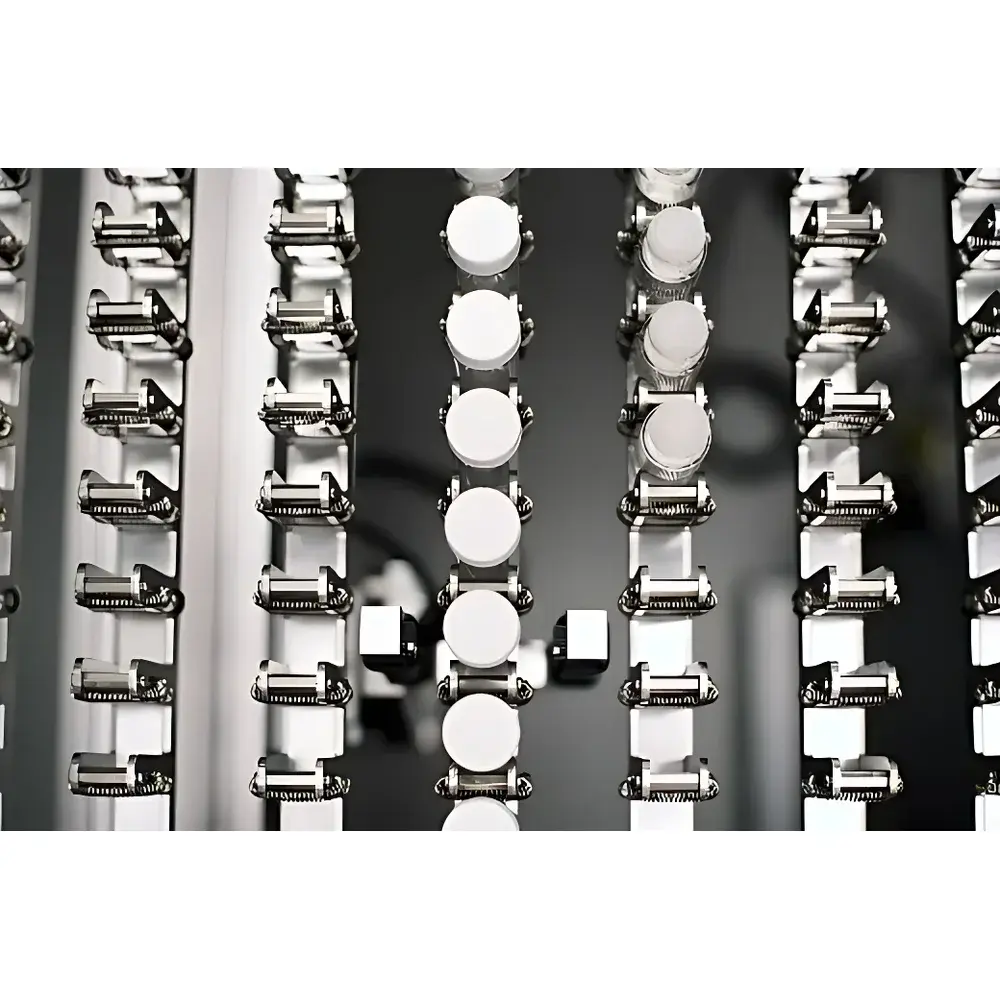
| Sample Capacity | 192-position rack (17 mm height, dual-diameter transparent glass vials) |
| Throughput | Up to 180 samples/hour |
| Scan Speed | ≥12 vials/minute |
| LED Source | Red 4-element array @ 650 nm |
Overview
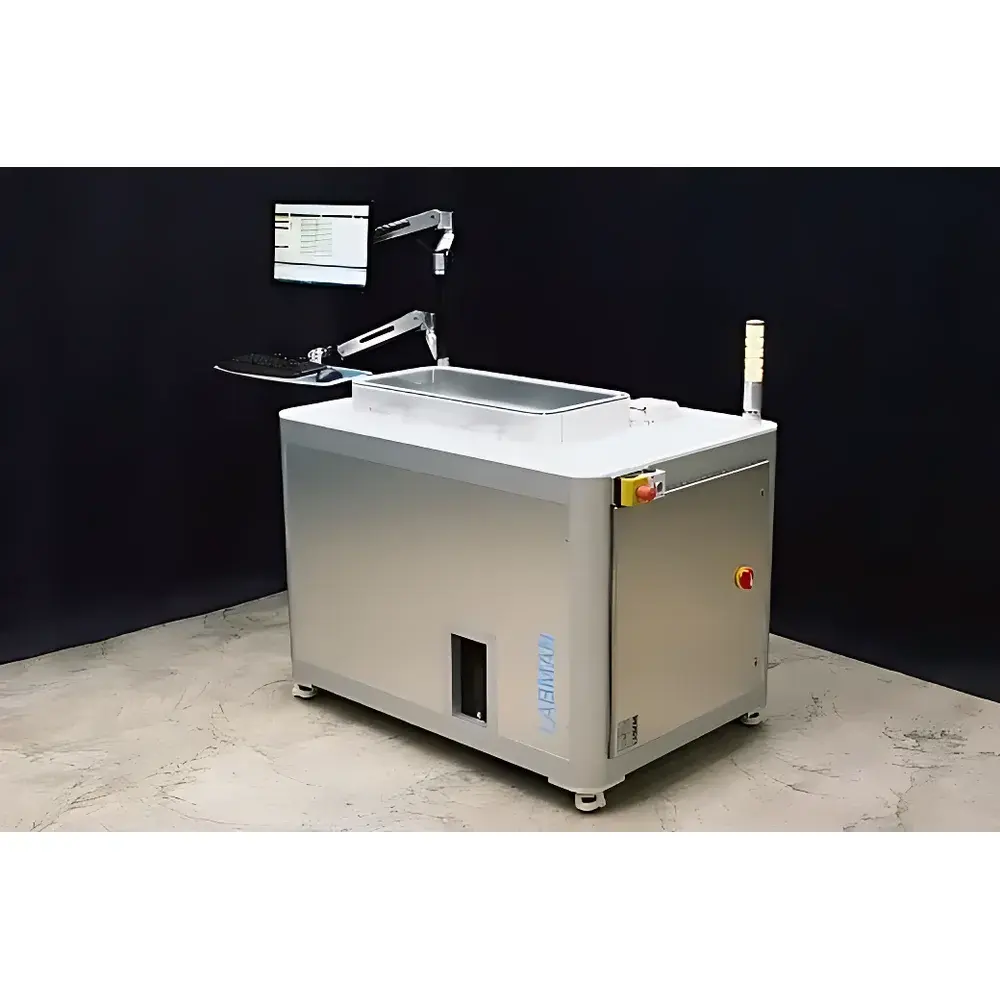
The LABMAN High-Throughput Automated Absorbance Measurement System is an engineered solution developed in collaboration with the Centre for Process Innovation (CPI) at Sedgefield, UK, to address the growing demand for rapid, reproducible absorbance quantification in process development and quality control laboratories. Unlike conventional UV-Vis spectrophotometers relying on monochromator-based scanning or fixed-wavelength filter wheels, this system employs a dedicated dual-beam optical architecture coupled with a high-stability red LED source (650 nm) and a linear CCD detector array. It is purpose-built for batch-level transmittance assessment across standardized glass vial formats—specifically designed for monitoring reaction progress, dissolution kinetics, or turbidity trends in pharmaceutical, bioprocess, and fine chemical applications. The system operates on a fixed-wavelength principle optimized for robustness and speed rather than full spectral acquisition, making it ideal for routine pass/fail screening, endpoint detection, and statistical process control where spectral resolution is secondary to throughput and positional repeatability.
Key Features
- Dual-beam optical design ensures real-time reference compensation, minimizing drift from ambient light fluctuations or source intensity variation.
- CCD-based detection delivers high signal-to-noise ratio and pixel-level spatial registration, enabling consistent alignment assessment and quantitative transmittance measurement across all 192 vial positions.
- Modular 192-position sample rack accommodates two standard diameters of 17 mm-height transparent borosilicate glass vials, with precision-machined guides guaranteeing vertical alignment within ±0.1 mm tolerance—critical for optical path consistency.
- Red 4-element LED array operating at 650 nm provides stable, low-heat illumination with negligible warm-up time and no moving parts, enhancing long-term reliability and reducing maintenance intervals.
- Manual wavelength selection reflects system optimization for targeted assays; users configure the instrument for a single operational wavelength during setup, eliminating spectral calibration overhead while preserving accuracy per ISO 17025 traceable protocols.
- Portable chassis with integrated leveling feet and casters enables re-deployment between cleanrooms, pilot plants, or QC labs without recalibration—validated for mechanical stability under ISO 14644-1 Class 7 conditions.
Sample Compatibility & Compliance
The system accepts industry-standard 17 mm-height round-bottom and flat-bottom glass vials (e.g., Wheaton 980000 series, Kimble Chase 331000), including those with polymer caps compatible with automated capping systems. Vial transparency is verified per ASTM E1548-22 (Standard Guide for Determination of Optical Clarity of Glass Containers). All optical components comply with IEC 61000-6-3 (EMC emission standards) and IEC 61010-1 (safety requirements for electrical equipment). While not certified as GMP-compliant out-of-the-box, the system supports GLP/GMP workflows through configurable audit trails, user access levels, and electronic signature capability when integrated with validated LIMS or ELN platforms.
Software & Data Management
The embedded software provides a Windows-based graphical interface supporting experiment definition, batch scheduling, and real-time transmittance visualization. Each run generates CSV and XML outputs compliant with ASTM E2500-21 (Standard Guide for Specification, Design, and Verification of Pharmaceutical and Biopharmaceutical Manufacturing Systems). Raw CCD intensity data, background-corrected transmittance (%T), and positional metadata are timestamped and stored with SHA-256 checksum integrity verification. Optional integration with LabVantage LIMS or Thermo Fisher SampleManager enables 21 CFR Part 11–compliant electronic records—including role-based permissions, audit trail export, and digital signature capture—when deployed in regulated environments.
Applications
- High-throughput screening of enzymatic reaction endpoints in biocatalysis development.
- Real-time monitoring of crystallization onset and particle suspension stability in API manufacturing.
- Batch release testing of liquid dosage forms using absorbance-based concentration verification (e.g., paracetamol in oral solutions per USP ).
- Process analytical technology (PAT) support for continuous flow chemistry reactors via inline vial sampling.
- Stability-indicating assays tracking oxidative degradation in lipid-based formulations through 650 nm absorbance shifts.
FAQ
Is this system capable of full UV-Vis spectral acquisition?
No. It is optimized for fixed-wavelength (650 nm) transmittance measurement and does not incorporate a scanning monochromator or diode array detector for broadband spectral analysis.
Can the system be calibrated against NIST-traceable standards?
Yes. Certified neutral density filters (e.g., Thorlabs ND filters, NIST SRM 2031) are supported for photometric calibration; documentation templates for IQ/OQ/PQ validation are available upon request.
What level of environmental control is required for operation?
Ambient temperature range: 15–25 °C; relative humidity: 30–60 % RH non-condensing; vibration isolation is not required but recommended if installed adjacent to centrifuges or shakers.
Does the software support custom algorithm integration?
Yes. A documented COM/ActiveX API allows third-party scripting (Python, MATLAB, C#) for custom data transformation, threshold-based decision logic, or automated report generation.
Is service and spare parts support available outside the UK?
Labman provides global technical support via regional partners; critical spares (LED modules, CCD assemblies, rack inserts) are stocked in EU, US, and APAC distribution centers with typical lead time of 5 business days.





