
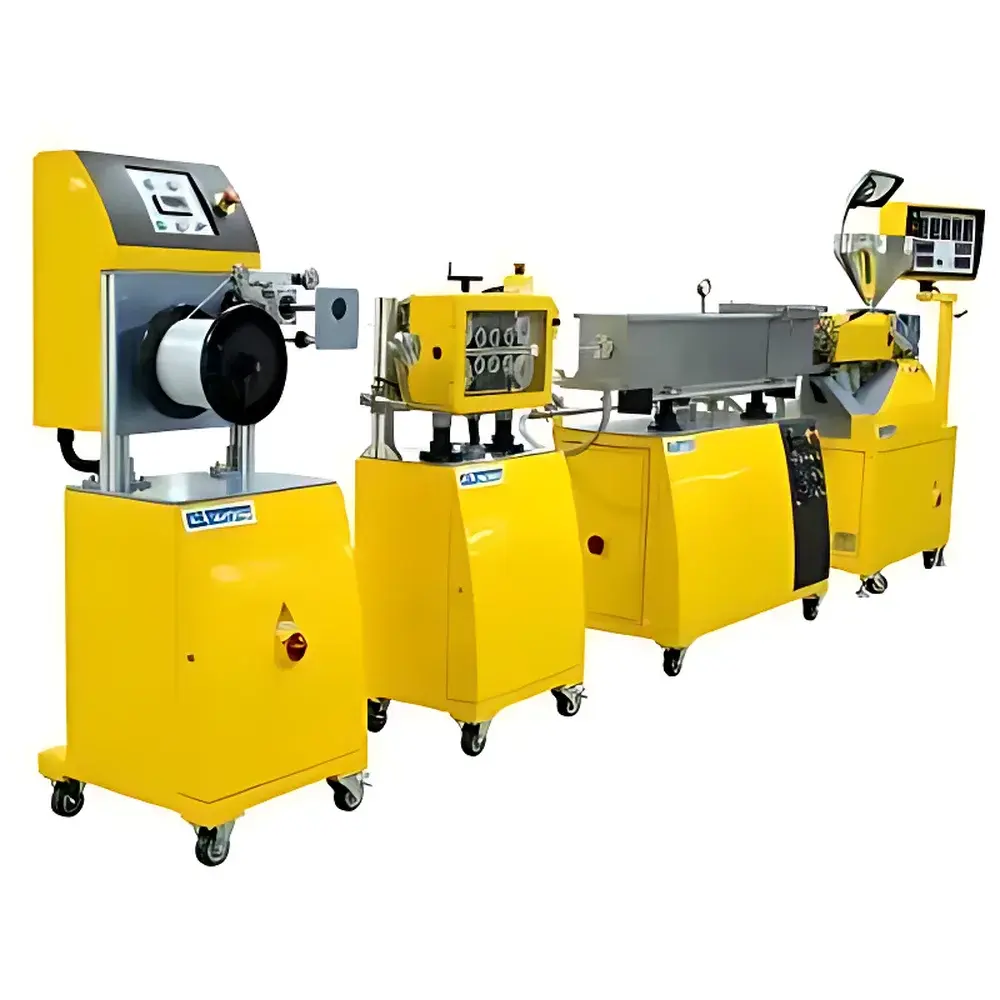
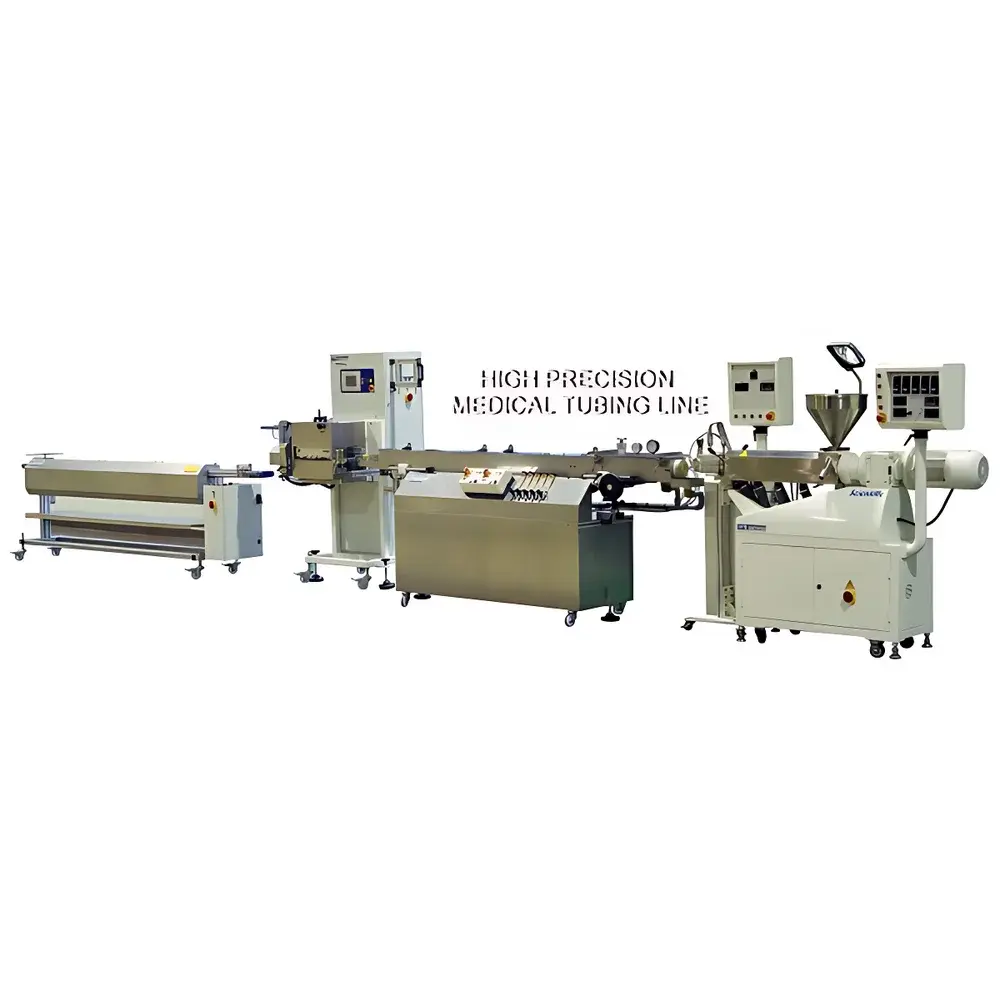
Labtech LEP 20-6 Laboratory Tubing & Medical Catheter Extrusion Line
| Brand | Labtech Engineering |
|---|---|
| Origin | Sweden |
| Model | LEP 20-6 |
| Screw Diameter | 20 mm |
| Target Tubing ID Range | 4–6 mm (customizable) |
| Vacuum Sizing & Cooling Tank | Integrated |
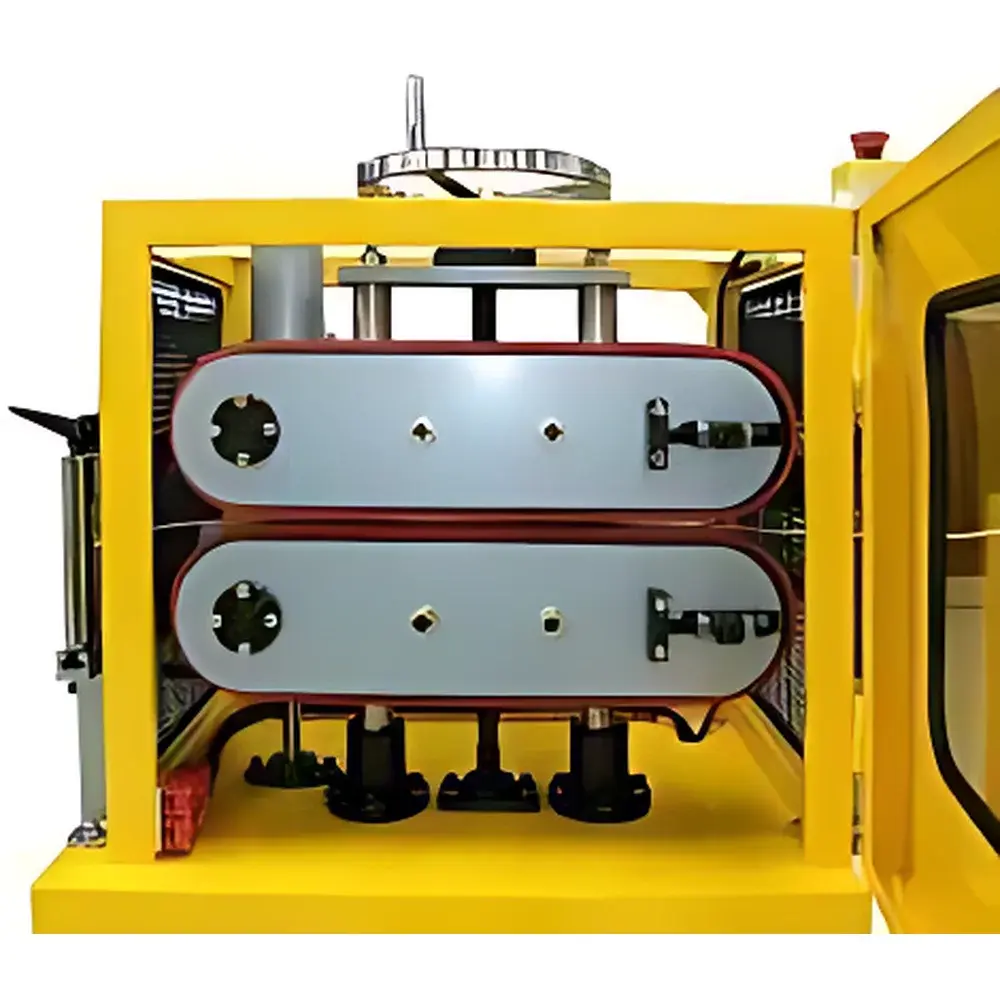
| Haul-off System | Belt-driven, variable-speed |
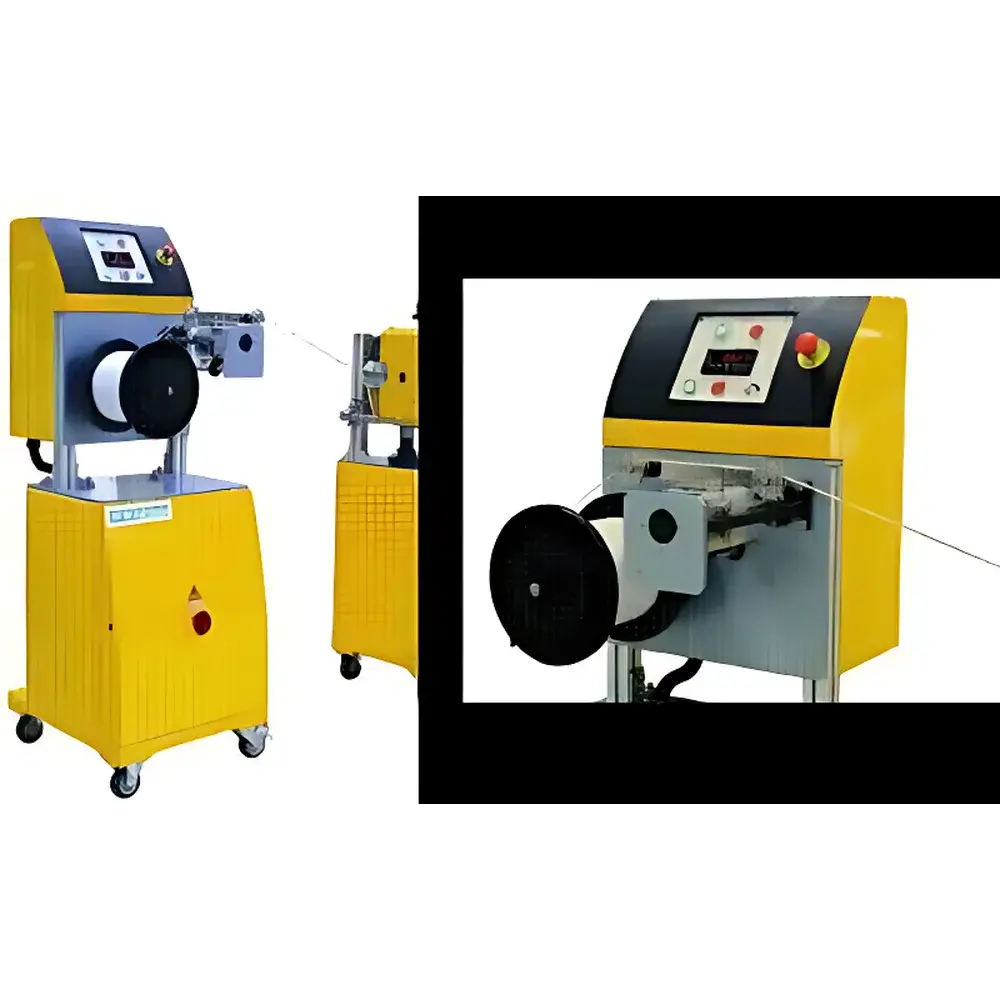
| Winder | Stepless-speed, tension-controlled |
| Optional | Laser-based diameter measurement system |
| Multi-layer Co-extrusion Capability | Yes |
| Compliance | Designed for ISO 13485-aligned R&D environments and ASTM D2136/D3835-compliant polymer processing validation |
Overview
The Labtech LEP 20-6 Laboratory Tubing & Medical Catheter Extrusion Line is a precision-engineered, bench-scale extrusion system specifically developed for the controlled fabrication of polymeric tubular products used in medical device development, pharmaceutical delivery systems, and high-performance industrial applications. Built upon Labtech Engineering’s decades-long expertise in laboratory-scale polymer processing, this system implements single-screw extrusion principles—based on volumetric feeding, shear-controlled melting, and pressure-driven melt flow—to deliver repeatable, traceable, and scalable output under fully instrumented conditions. Unlike generic lab extruders, the LEP 20-6 integrates process-critical subsystems—including vacuum-assisted sizing, calibrated cooling kinetics, and closed-loop traction control—enabling direct correlation between lab-scale parameters and full-scale production settings. Its architecture supports both thermoplastic elastomers (TPE), polyurethanes (PU), polyethylene (PE), polypropylene (PP), and specialty biocompatible resins compliant with USP Class VI and ISO 10993-5 requirements.
Key Features
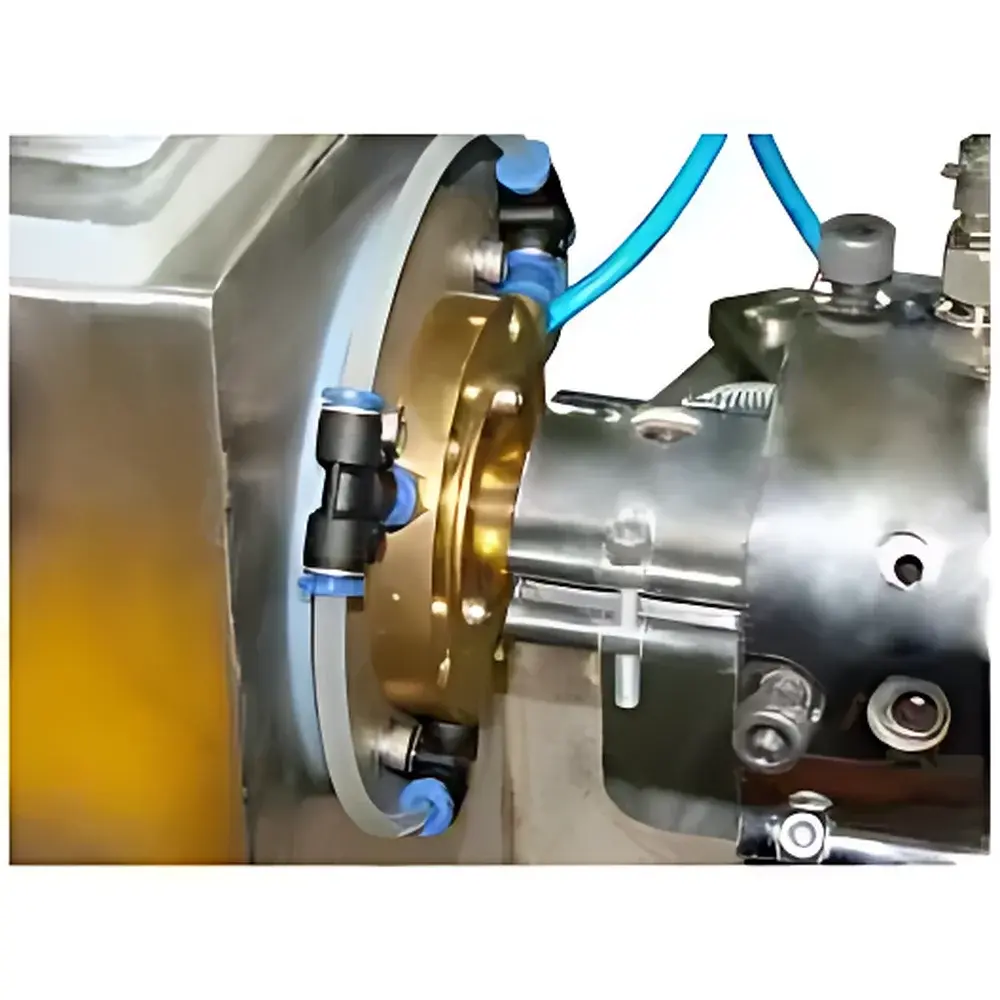
- Modular 20 mm single-screw extruder with hardened alloy steel barrel and precision-ground screw geometry, optimized for low-shear, high-melt-uniformity extrusion of sensitive medical-grade polymers.
- Vacuum sizing and water-cooling tank with adjustable immersion depth and temperature zoning (±0.5 °C stability), ensuring dimensional stability and surface finish consistency across variable line speeds.
- Belt-type haul-off unit with load-cell feedback and PID-regulated speed control (0.01–10 m/min range), minimizing axial stress during drawing and preventing ovality or wall-thickness variation.
- Tension-controlled winder with stepless electronic speed regulation and programmable spooling profiles, supporting continuous winding of catheters onto ISO-standard mandrels or custom cores.
- Optional integrated laser micrometer (resolution ±1 µm) with real-time diameter logging, synchronized to extrusion speed and temperature profiles for statistical process monitoring (SPC).
- Co-extrusion-ready platform: configurable for dual- or triple-manifold die setups to produce multi-lumen, barrier-layer, or drug-eluting composite catheters with layer thickness control down to ±5 µm.
Sample Compatibility & Compliance
The LEP 20-6 accommodates a broad spectrum of medical and industrial thermoplastics, including but not limited to Pebax®, Hytrel®, Nylon 12, PTFE-lined composites, and radiopaque-filled compounds. All wetted components comply with FDA 21 CFR 177.2400 for indirect food contact and are suitable for cleanroom-class (ISO Class 7) installation. The system’s mechanical design and documentation package support GLP/GMP-aligned validation protocols—including IQ/OQ/PQ execution—and align with key regulatory reference standards: ASTM F2622 (tensile properties of catheter tubing), ISO 8536-4 (infusion equipment), and EN ISO 13485:2016 clause 7.5.2.1 (process validation for sterile devices).
Software & Data Management
Controlled via Labtech’s proprietary ExtrusionStudio™ software suite, the LEP 20-6 provides full parameter logging (temperature zones, screw RPM, melt pressure, haul-off speed, vacuum level) at 1 Hz sampling rate. Data export complies with ASTM E2500-13 for raw data integrity and supports CSV/Excel formats compatible with JMP, Minitab, or internal LIMS integration. Audit trail functionality meets FDA 21 CFR Part 11 requirements, with user-level access control, electronic signatures, and immutable record retention. Optional OPC UA connectivity enables seamless integration into Industry 4.0 pilot lines for digital twin modeling and predictive process optimization.
Applications
- R&D of balloon catheters, neurovascular guidewires, and percutaneous sheaths requiring precise inner/outer diameter tolerances (±0.02 mm) and concentricity <0.05 mm.
- Formulation screening of drug-loaded polymer matrices for controlled-release implantable tubing.
- Validation of new resin grades prior to commercial extrusion scale-up—reducing trial-and-error in pilot plants by >40% (per internal Labtech benchmarking study, 2023).
- Biocompatibility testing sample preparation under ISO 10993-12 protocols, where consistent wall morphology and extractables profile are critical.
- Training platform for quality engineers in medical device manufacturing facilities seeking hands-on understanding of extrusion-related defect root causes (e.g., shark skin, melt fracture, die swell asymmetry).
FAQ
Can the LEP 20-6 produce tubing with an inner diameter smaller than 4 mm or larger than 6 mm?
Yes—while the standard configuration targets 4–6 mm ID, Labtech offers custom die tooling and modified vacuum sizing modules to support IDs from 0.5 mm to 12 mm, subject to material rheology and minimum wall thickness constraints.
Is the system compatible with reactive extrusion or in-line additives injection?
The LEP 20-6 can be retrofitted with side-stuffer ports and gravimetric feeders for masterbatch incorporation or liquid additive injection; however, true reactive extrusion (e.g., peroxide-initiated crosslinking) requires optional barrel venting and inert gas purging modules.
Does Labtech provide validation documentation for GMP environments?
Yes—upon request, Labtech delivers a complete validation support package including FAT/SAT protocols, calibration certificates traceable to NIST standards, and IQ/OQ templates aligned with Annex 15 and ISO/IEC 17025 requirements.
What maintenance intervals are recommended for the screw/barrel assembly?
Under typical R&D usage (≤20 hrs/week), Labtech recommends visual inspection every 200 operating hours and full dimensional verification of screw flight clearance every 1,000 hours—supported by included wear-mapping software in ExtrusionStudio™.





