
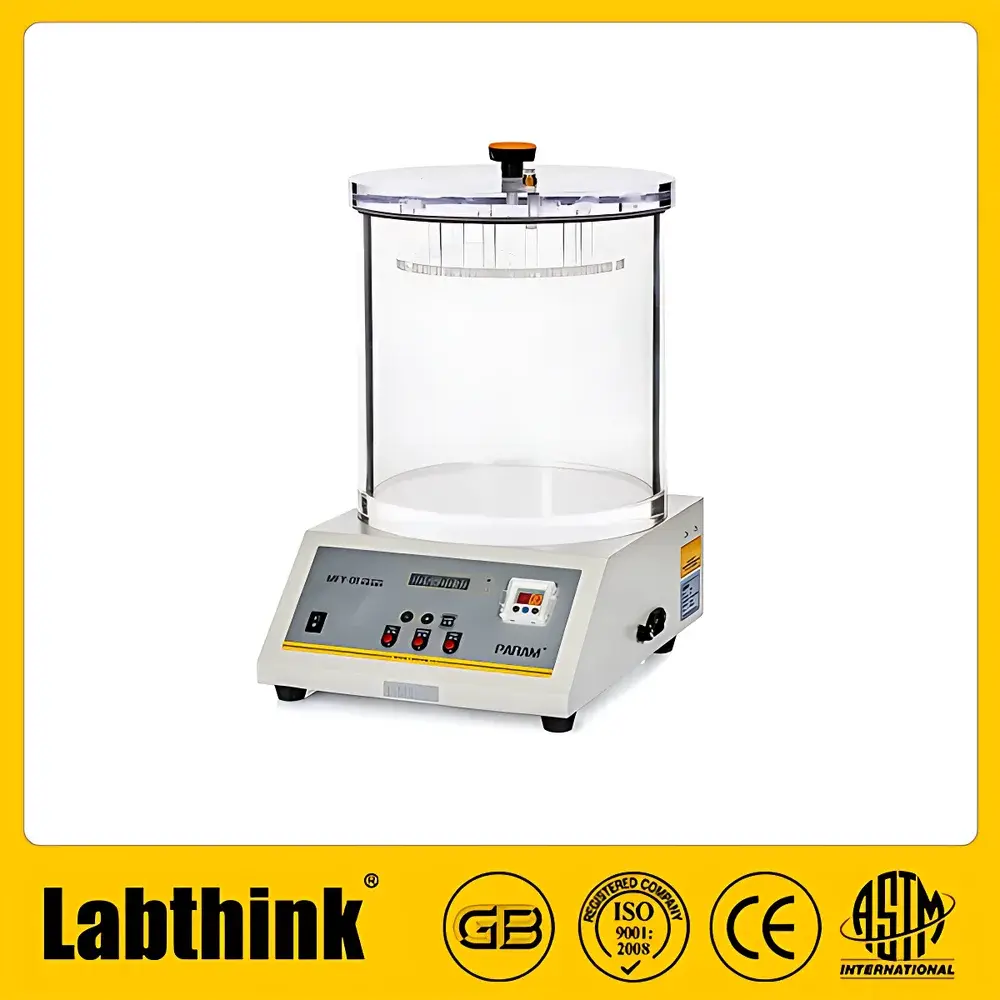
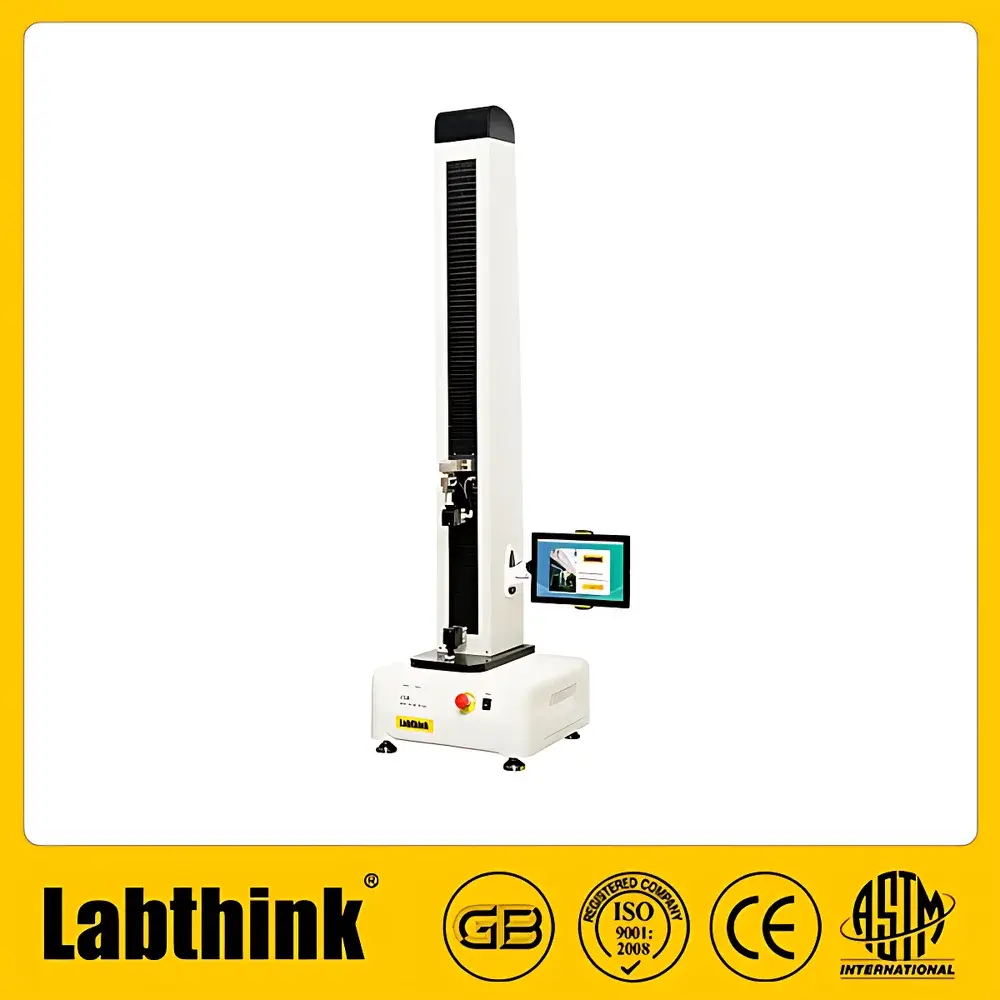
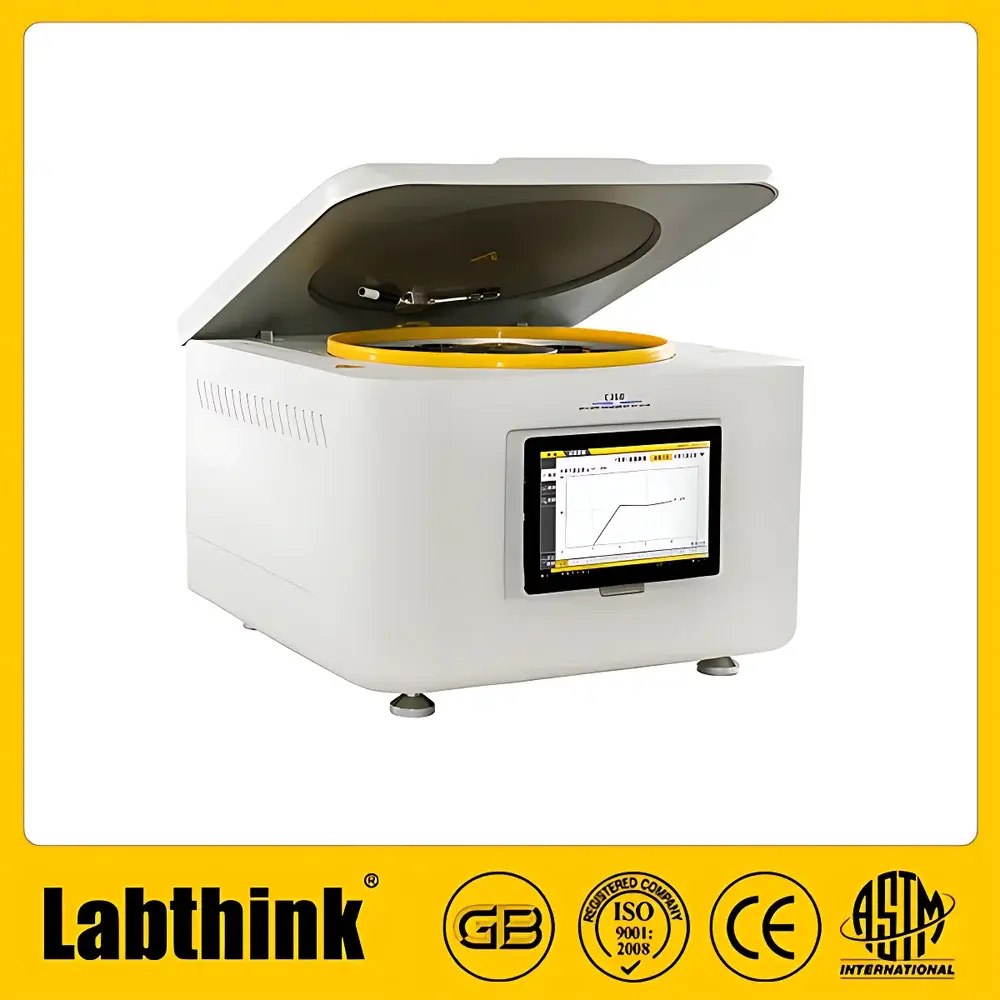
Labthink C-Series Packaging Performance Testing Instrumentation Suite
| Brand | Labthink |
|---|---|
| Origin | Shandong, China |
| Manufacturer Type | OEM/ODM Manufacturer |
| Country of Origin | China |
| Model Series | C130H, C230H, C330H, C390H, G2/131, VAC-V2, VAC-VBS, ET-01, MF-01, FT-F1, TS-01, RT-01, MCJ-01A, YGJ-02A, BLJ-02, GC-7800, C830, ERT-01, Migration Test Cells |
| Compliance Standards | ASTM D3985, ASTM F1249, ISO 15106-2, ISO 15106-3, GB 31604.1-2015, GB 5009.156-2016 |
Overview
The Labthink C-Series Packaging Performance Testing Instrumentation Suite is a comprehensive, modular platform engineered for precision physical and chemical characterization of flexible packaging materials across food, pharmaceutical, medical device, and consumer goods supply chains. Designed to meet stringent global regulatory expectations—including FDA 21 CFR Part 11 readiness, GLP/GMP-aligned audit trails, and traceable calibration—this suite integrates multiple orthogonal test methodologies grounded in internationally recognized scientific principles: differential pressure gas permeation (O₂, N₂, CO₂), coulometric oxygen detection (ASTM D3985), electrolytic and infrared moisture sensing (ISO 15106-3 & ASTM F1249), controlled-force tensile deformation, vacuum decay and positive-pressure leak quantification, headspace gas chromatography, pendulum impact energy absorption, Elmendorf tear propagation, coefficient of friction (static/dynamic), micrometric mechanical thickness profiling, ink adhesion assessment via roller shear and circular peel, abrasion resistance under standardized cyclic loading, residual solvent analysis by capillary GC-FID, and food-simulant migration testing under regulated temperature/time conditions. Each instrument operates as an independent, standards-compliant module—yet shares unified software architecture, environmental control logic, and data governance protocols—enabling end-to-end traceability from raw material qualification through shelf-life validation.
Key Features
- Modular architecture supporting concurrent deployment of barrier, mechanical, sealing, optical, and chemical testing modules within a single laboratory footprint.
- Environmental control systems with ±0.1 °C temperature stability and ±1 % RH resolution for permeation and migration tests, compliant with ISO 2528 and ASTM E104 conditioning requirements.
- High-fidelity sensor suites: Coulometric O₂ sensors (detection limit <0.01 cm³/m²·24h·0.1MPa), dual-beam infrared H₂O sensors (range 0.005–1000 g/m²·24h), load cells calibrated to ISO 7500-1 Class 0.5, and GC-FID detectors optimized for volatile organic compound quantification down to 0.01 mg/m².
- Automated parameter scripting with preloaded test methods aligned to ASTM, ISO, and GB standards—reducing operator-dependent variability and enabling method transfer between labs.
- Integrated hardware diagnostics, real-time sensor drift monitoring, and automatic zero-point verification cycles to ensure long-term measurement integrity.
- CE-marked instrumentation with reinforced safety interlocks, ESD-protected electronics, and IP54-rated enclosures for industrial laboratory environments.
Sample Compatibility & Compliance
The C-Series accommodates diverse specimen geometries and compositions: monolayer and multilayer polymer films (PET, PE, PP, PA, EVOH), metallized foils, paperboard laminates, pouches, blister cavities, sachets, and rigid containers (HDPE, PETG). All instruments are validated per ICH Q2(R2) guidelines for analytical instrument qualification (AIQ), with documented installation qualification (IQ), operational qualification (OQ), and performance qualification (PQ) protocols available upon request. Barrier testers conform to ISO 15106-2 (infrared) and ISO 15106-3 (electrolytic) for water vapor transmission rate (WVTR); gas permeation systems comply with ASTM D3985 (O₂) and ASTM F2622 (CO₂); seal integrity testers satisfy ASTM F2338 (vacuum decay) and ASTM F2096 (bubble emission); and migration test cells meet GB 5009.156-2016 and EU Regulation (EC) No 10/2011 requirements for food contact material compliance.
Software & Data Management
Labthink’s proprietary LabOS™ v5.2 software provides a 21 CFR Part 11–compliant environment featuring role-based user access control, electronic signatures, immutable audit trails, automated report generation (PDF/XLSX), and configurable data export to LIMS or ERP systems via OPC UA and RESTful APIs. All test sequences store full metadata—including environmental logs, sensor calibration certificates, operator ID, timestamped raw signal traces, and pass/fail decision logic—ensuring full ALCOA+ (Attributable, Legible, Contemporaneous, Original, Accurate, Complete, Consistent, Enduring, Available) data integrity. Software updates follow ISO/IEC 17025:2017 Annex A.2 change control procedures, with version history and impact assessments archived for regulatory review.
Applications
- Shelf-life prediction modeling using O₂ and H₂O transmission kinetics to validate modified atmosphere packaging (MAP) and active packaging systems.
- Supplier qualification and incoming inspection of film rolls, laminates, and preformed pouches against internal specifications and customer-facing declarations (e.g., “oxygen barrier <1 cm³/m²·24h”).
- Root cause analysis of field failures—such as package delamination, seal rupture, or discoloration—by correlating mechanical strength loss, solvent retention, or migration profiles with storage conditions.
- Regulatory submission support for FDA Food Contact Notification (FCN), EFSA Opinion requests, and Health Canada submissions requiring full method validation documentation.
- Process optimization of heat-sealing parameters (temperature, dwell time, pressure) via thermal sealability mapping and hot-tack strength profiling.
- Print quality assurance for high-speed flexographic and gravure lines, including ink rub resistance, adhesion durability, and halftone dot gain analysis under simulated distribution stresses.
FAQ
Are Labthink C-Series instruments compliant with FDA 21 CFR Part 11 for electronic records and signatures?
Yes—LabOS™ v5.2 implements full Part 11 controls including audit trail encryption, biometric or token-based e-signature workflows, and system-generated electronic records with embedded digital signatures.
Can the C390H WVTR tester accommodate both low- and high-barrier materials in a single run?
The C390H’s triple-test-chamber design enables parallel evaluation across three distinct barrier classes (0.005–10 g/m²·24h, 10–500 g/m²·24h, 500–1000 g/m²·24h) without recalibration, maintaining ISO 15106-2 repeatability (RSD ≤1.5%).
How does the GC-7800 integrate with packaging-specific residue analysis workflows?
It includes pre-configured SOPs for toluene, ethyl acetate, benzene, and isopropanol quantification per GB/T 10004-2008 and ASTM D7247, with auto-calibration curves, internal standard correction, and reporting templates aligned with ISO/IEC 17025 uncertainty budgets.
Is migration testing supported for all food simulants defined in Regulation (EU) No 10/2011?
Yes—the C830 and ERT-01 platforms support aqueous (10% ethanol), acidic (3% acetic acid), alcoholic (20% ethanol), and fatty (isooctane) simulants, with temperature-controlled incubation up to 100 °C and automated evaporation/recovery cycles per EN 13130-1.
What level of technical support and IQ/OQ/PQ documentation is provided?
Labthink delivers factory-verified IQ/OQ/PQ packages with NIST-traceable calibration certificates, on-site installation support, and annual preventive maintenance contracts including sensor recalibration, firmware updates, and requalification audits.




