
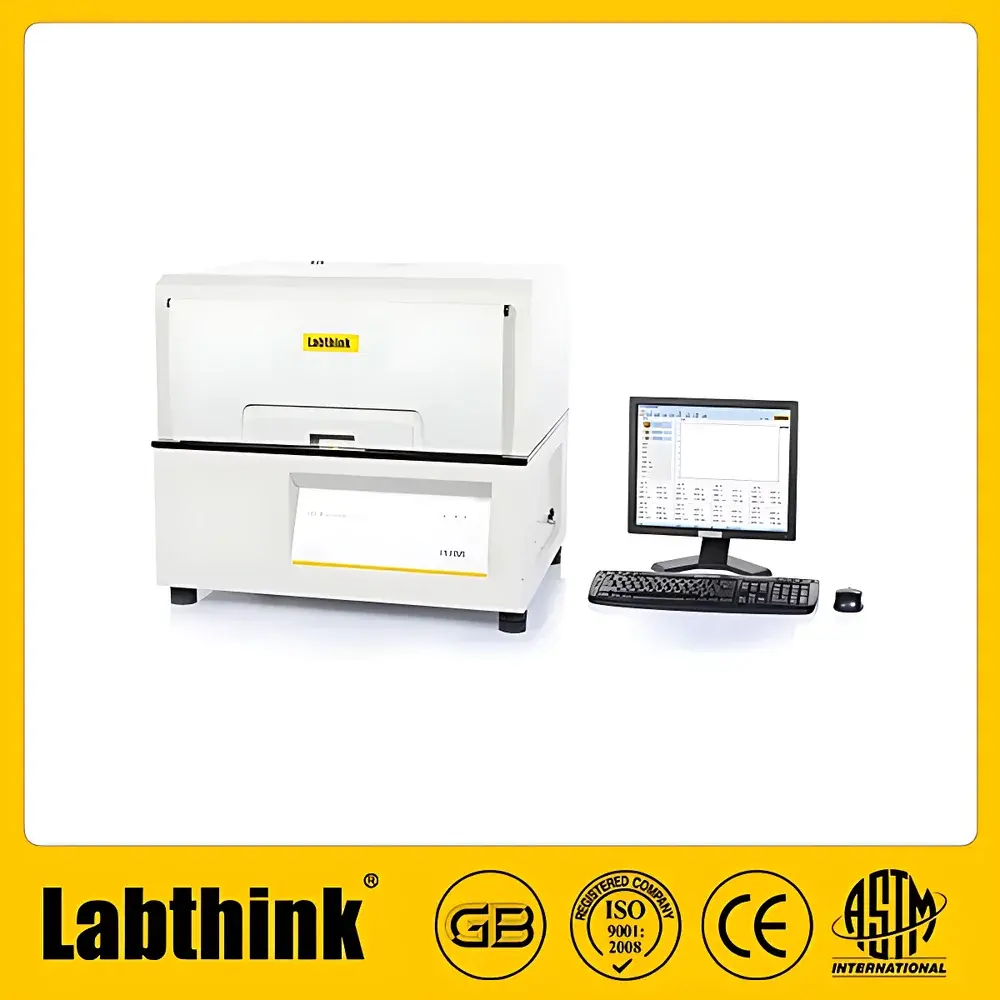
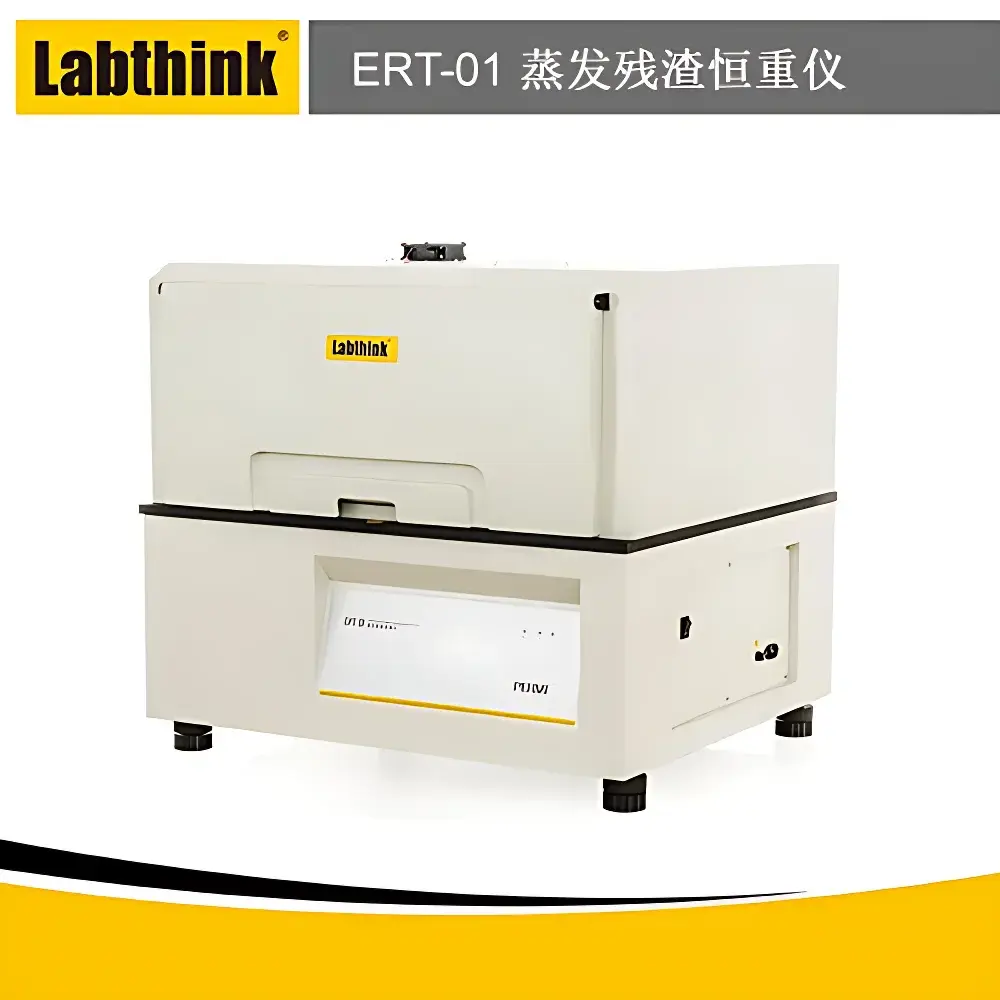
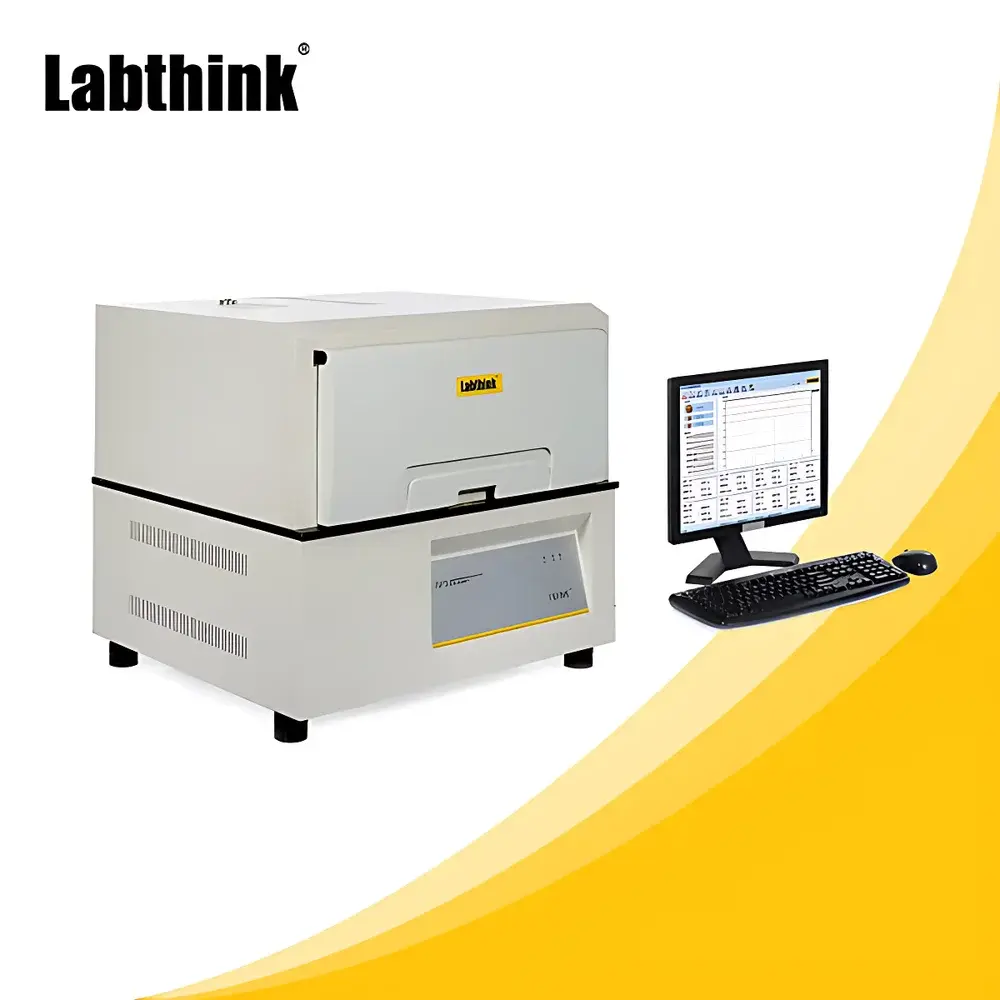
Labthink ERT-01 Evaporative Residue Gravimetric Analyzer for Food Contact Materials
| Brand | Labthink |
|---|---|
| Origin | Shandong, China |
| Manufacturer Type | Direct Manufacturer |
| Region Category | Domestic (China) |
| Model | ERT-01 |
| Pricing | Available Upon Request |
Overview
The Labthink ERT-01 Evaporative Residue Gravimetric Analyzer is a dedicated laboratory instrument engineered for precise quantification of non-volatile residue extracted from food contact materials (FCMs) under standardized migration conditions. It operates on the gravimetric principle defined in major national and international food safety standards: test specimens—such as polyethylene (PE), polypropylene (PP), polystyrene (PS), and chlorinated vinyl resin-based food packaging films, containers, utensils, tubing, and can linings—are immersed in specified food simulants (e.g., 4% acetic acid, 10% ethanol, or olive oil) at controlled time/temperature conditions. A representative volume of the resulting extract is transferred to a pre-dried, tared evaporating dish, evaporated to dryness on a water bath, and then subjected to sequential high-temperature drying (typically 100–130 °C) and cooling cycles in a thermally stabilized chamber until constant mass is achieved. The final mass difference—corrected for blank dish weight—represents the evaporative residue, expressed in milligrams per square decimeter (mg/dm²) or milligrams per unit specimen, depending on sample geometry and regulatory requirement.
Key Features
- Triple operational modes—proportional control, fuzzy logic regulation, and differential weighing—enable method flexibility across diverse regulatory protocols and material types.
- Independent parallel testing of up to eight specimens per cycle, with fully automated sequence execution including dish taring, solvent evaporation, thermal drying, intermediate cooling, and repeated gravimetric measurement until mass stability is confirmed (±0.3 mg tolerance).
- Integrated auto-calibration function using certified reference weights (included), ensuring traceable accuracy compliant with ISO/IEC 17025 metrological requirements.
- Pneumatically actuated vertical lift mechanism minimizes mechanical drift; intermittent weighing strategy—where the balance is re-zeroed prior to each measurement—eliminates cumulative thermal and positional error.
- Dedicated hot-air recirculation system maintains uniform temperature distribution (±0.2 °C) and controlled relative humidity within the 64 L test chamber; adjustable airflow velocity (0.2 m/s) supports reproducible drying kinetics under both standard and non-standard conditioning protocols.
- Embedded industrial computer platform running Labthink’s proprietary Lystem™ OS v3.x, featuring real-time graphical monitoring of temperature, mass trend, and cycle progress.
Sample Compatibility & Compliance
The ERT-01 accommodates flat, rigid, and flexible FCMs—including laminated films, thermoformed trays, coated metal cans, and polymer-coated glassware—with specimen volumes ranging from 0 to 200 mL per test unit. It fully supports all mandatory Chinese national standards for food packaging safety assessment: GB/T 5009.60–2003 (polyethylene), GB/T 5009.64–2003 (polypropylene), GB/T 5009.68–2003 (formaldehyde release), GB/T 5009.69–2008 (epoxy resin coatings), GB/T 5009.203–2003 (plastic tableware), and GB/T 9740–2008 (evaporative residue general method). While not certified to EU Regulation (EC) No. 10/2011 or FDA 21 CFR §170–189 by default, its operational parameters align with the technical basis of EN 1186-1 and ASTM D5967 for gravimetric migration testing, facilitating cross-reference validation and method transfer in GLP-compliant laboratories.
Software & Data Management
The embedded Lystem™ software provides full audit trail functionality compliant with FDA 21 CFR Part 11 requirements—including electronic signatures, user role-based access control, and immutable data logging with timestamped event records (e.g., balance zeroing, door opening, temperature deviation alerts). All raw mass readings, drying cycle durations, ambient humidity logs, and final residue calculations are stored in encrypted SQLite databases. Export options include CSV, PDF test reports (with customizable templates), and direct integration into the Lystem™ Laboratory Data Sharing System—a centralized web-accessible repository supporting multi-instrument synchronization, statistical process control (SPC) charting, and automated report generation for internal QA/QC or external regulatory submissions.
Applications
- Regulatory compliance testing of plastic, rubber, and coated metallic food packaging per Chinese GB standards.
- Migration screening during formulation development of new resins, adhesives, or ink systems intended for food contact use.
- Quality assurance verification of production batches against established residue limits (e.g., ≤30 mg/dm² for general-purpose plastics).
- Root-cause analysis of excessive extractables linked to processing defects, additive leaching, or improper curing.
- Validation of cleaning efficacy for reusable food processing equipment surfaces exposed to acidic or alcoholic media.
FAQ
What types of food simulants are compatible with the ERT-01?
The system is validated for aqueous simulants (e.g., 4% acetic acid, distilled water), alcoholic simulants (e.g., 10%, 20%, or 50% ethanol), and fatty simulants (e.g., olive oil or synthetic triglyceride mixtures), provided appropriate dish handling and drying protocols are followed.
Is an external air compressor required for operation?
Yes—the ERT-01 requires a clean, oil-free compressed air supply at 0.6 MPa via a Φ6 mm polyurethane tube; an optional Labthink-branded oil-free air compressor is available as an accessory.
Can residue results be reported directly in mg/dm²?
Yes—the software automatically calculates surface-normalized values when specimen dimensions (area or mass) are entered prior to testing, adhering to GB/T 5009.60–2003 reporting conventions.
How is system accuracy verified between calibration intervals?
Daily verification uses the included Class M1 stainless-steel calibration weights (10 g and 100 g); long-term stability is monitored via control charting of blank dish repeatability (n ≥ 10) and reference standard recovery rates.
Does the instrument support unattended overnight operation?
Yes—fully autonomous cycle execution, including automatic shutdown upon completion and thermal cooldown lockout, enables extended unattended runs while maintaining data integrity and operator safety.



