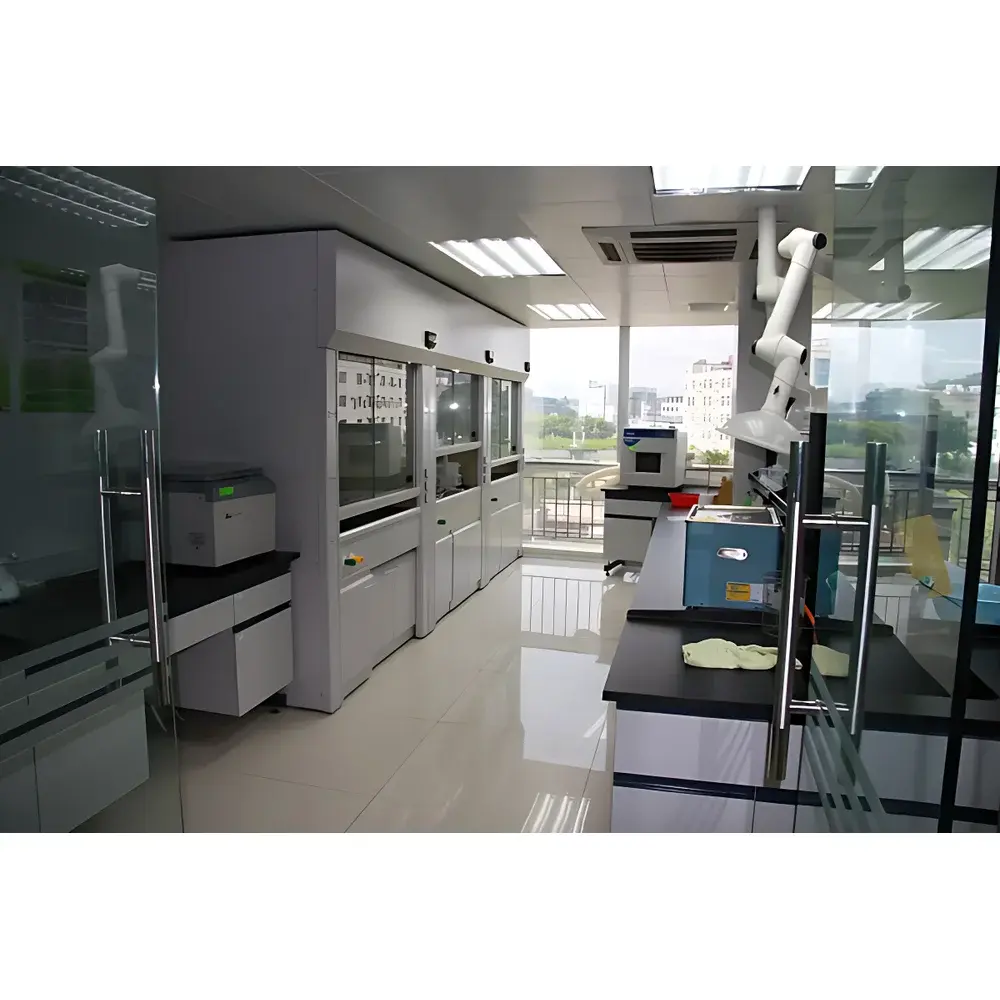
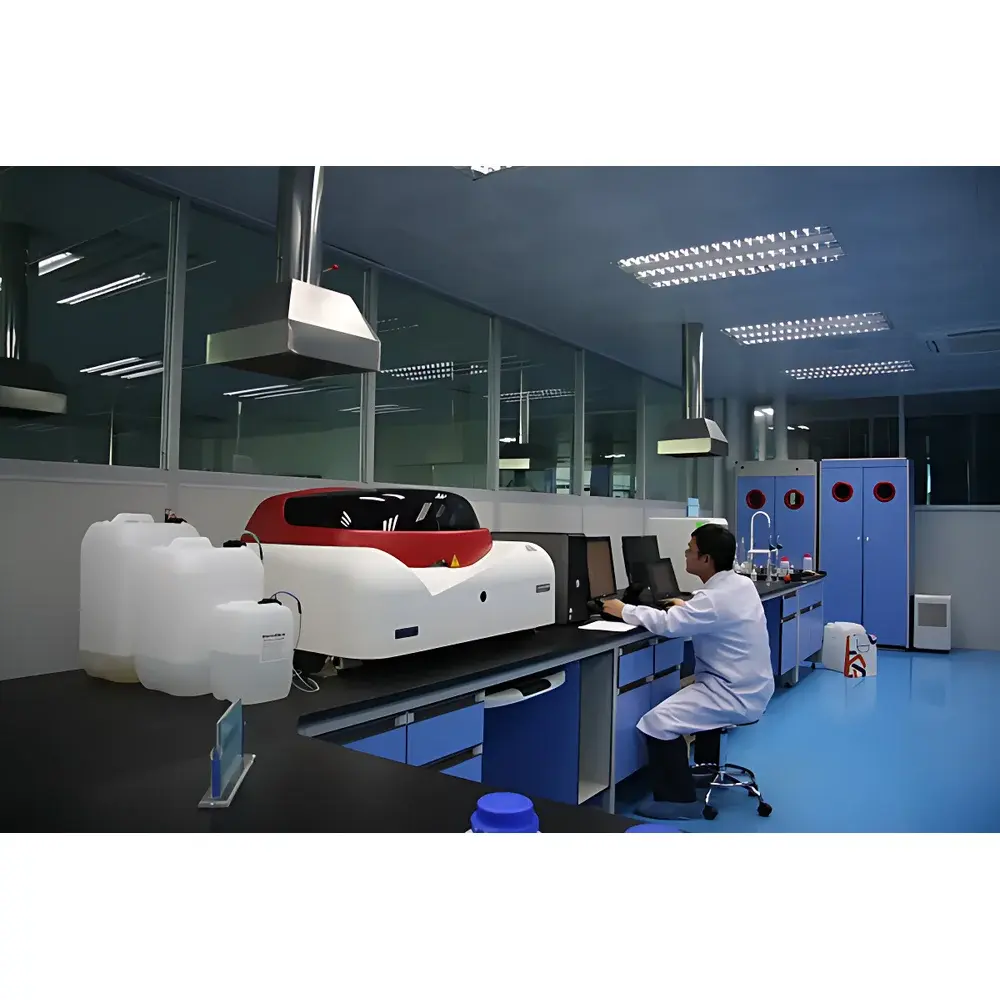
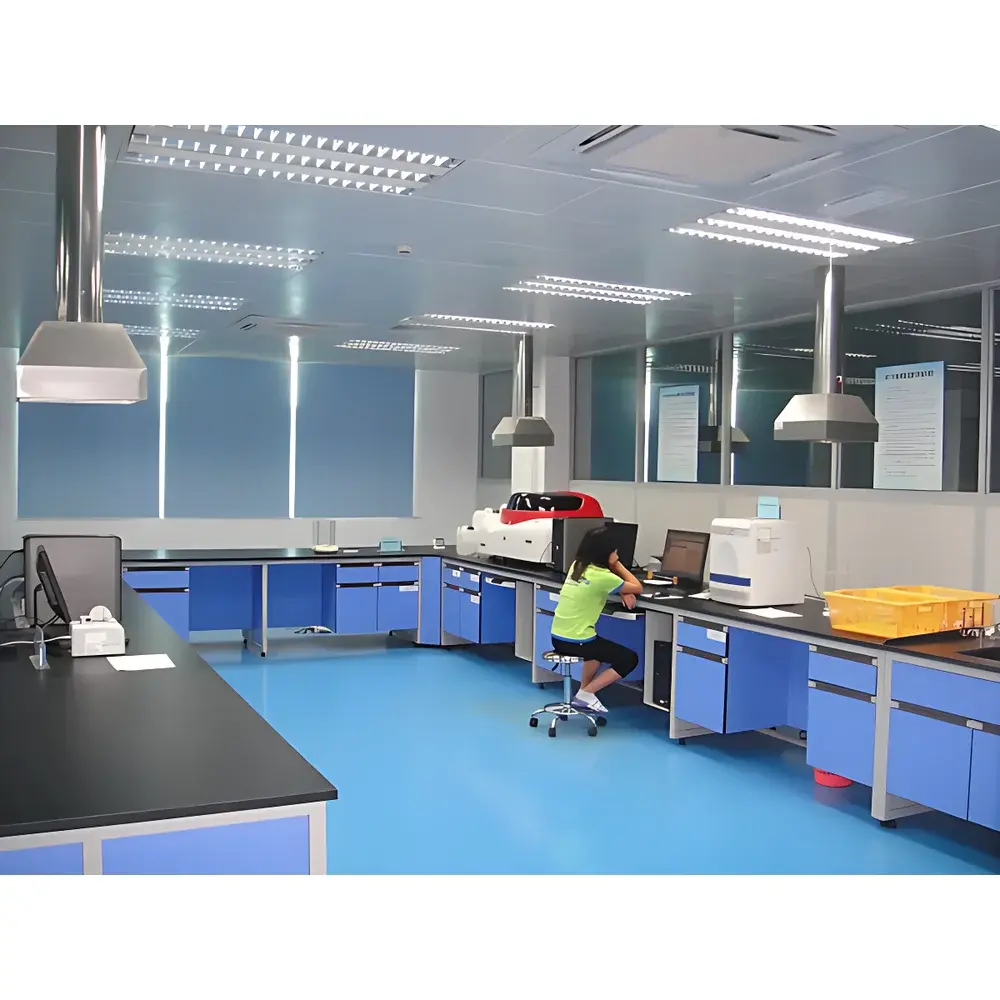
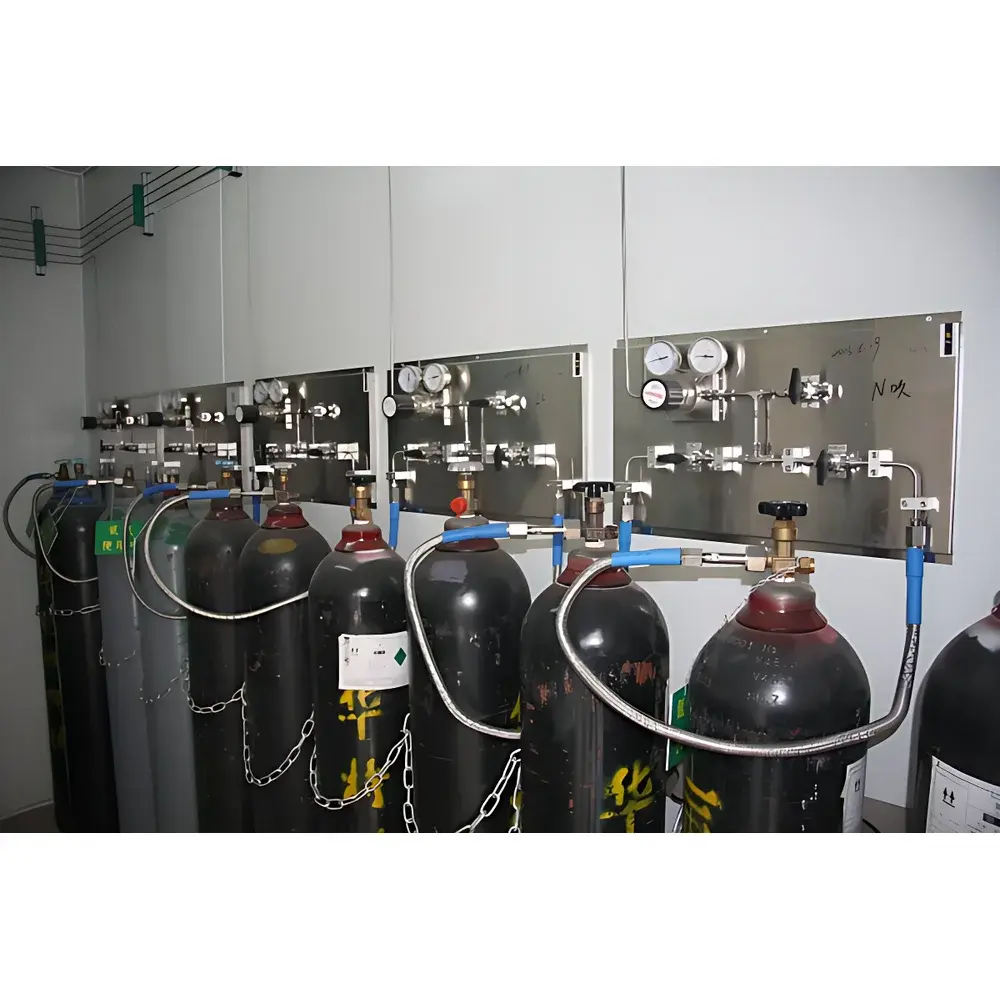
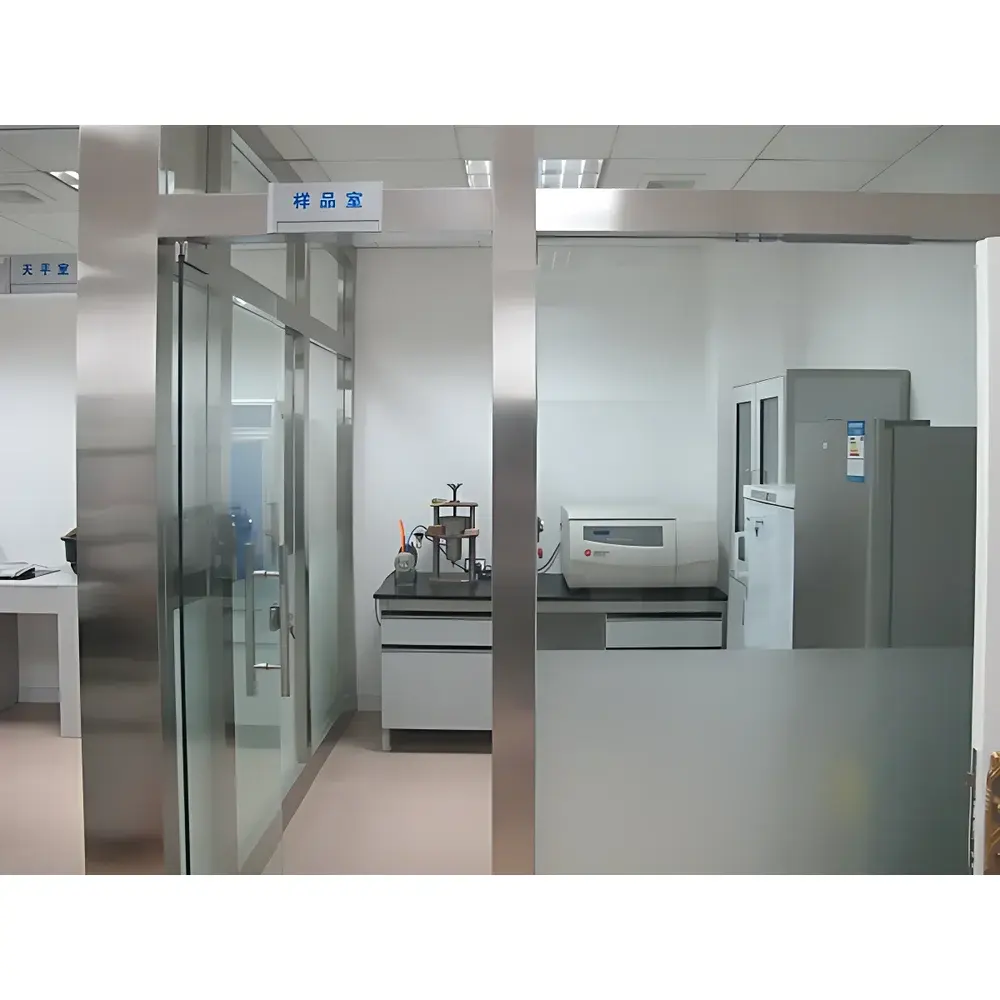
Langcheng Laboratory System Integration Solution
| Origin | Guangdong, China |
|---|---|
| Manufacturer Type | Authorized Distributor |
| Product Origin | Domestic (China) |
| Model | LC-LabSI-2024 |
| Price Range | USD 2,800 – 7,000 |
| Design Experience | 10 Years |
Overview
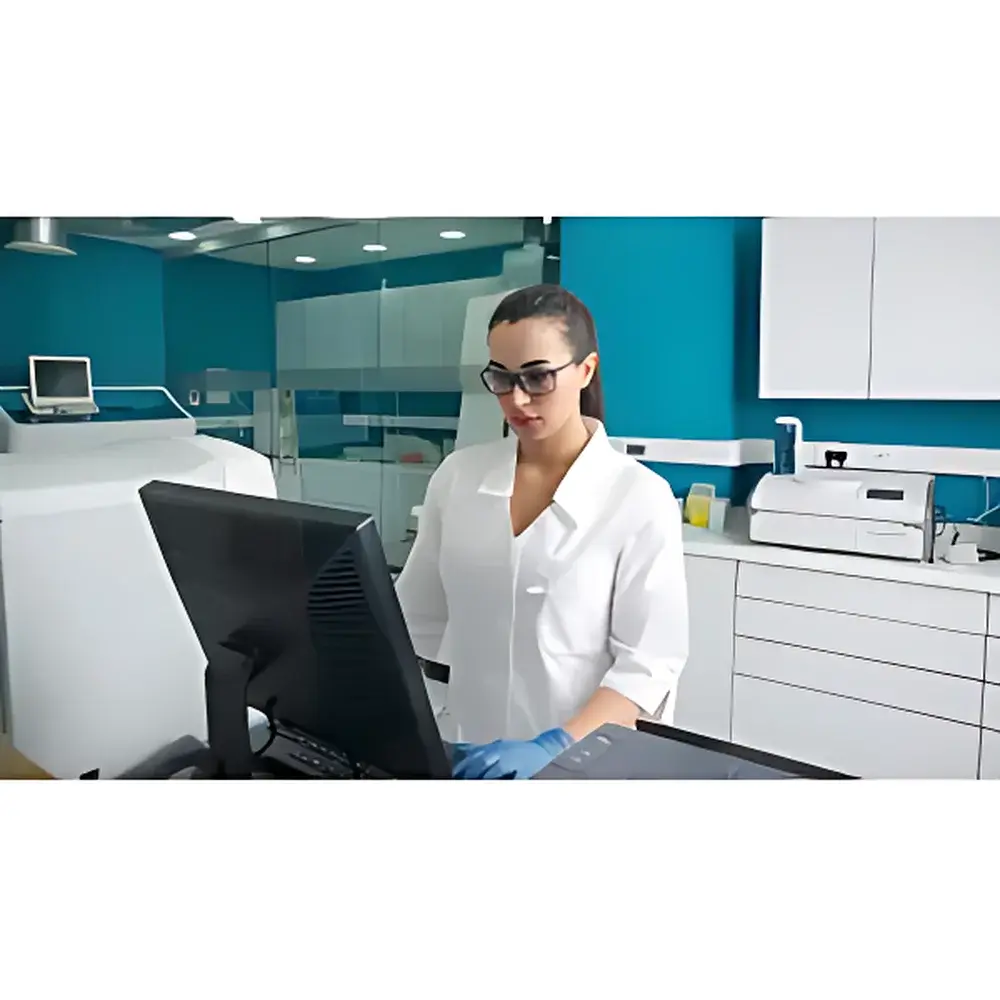
The Langcheng Laboratory System Integration Solution is a comprehensive, turnkey engineering service designed for scientific and regulatory laboratories requiring full lifecycle support—from conceptual planning through commissioning and operational readiness. Unlike standalone equipment supply, this solution applies systems engineering principles to integrate architectural, mechanical, electrical, safety, and analytical infrastructure into a unified, compliant laboratory environment. It is grounded in ISO/IEC 17025:2017 framework requirements for testing and calibration laboratories, with design protocols aligned to ASTM E1527 (Phase I Environmental Site Assessment), ASHRAE 110 (fume hood performance), and EN 14175 (laboratory ventilation standards). The solution is engineered for precision-critical applications in environmental monitoring, food safety, pharmaceutical QC, and industrial R&D—where spatial efficiency, containment integrity, utility reliability, and audit-ready documentation are non-negotiable. All designs undergo thermal load simulation, airflow modeling (CFD), and risk-based hazard analysis (e.g., HAZOP for gas distribution or biosafety level alignment) prior to schematic development.
Key Features
- End-to-end project delivery: Conceptual layout → detailed engineering drawings → procurement coordination → on-site installation supervision → commissioning validation (IQ/OQ)
- Multi-disciplinary integration: Synchronized design of HVAC (including VAV-controlled fume hood exhaust and ISO Class 7 cleanroom-capable air handling), plumbing (acid-resistant piping, deionized water loops), electrical (dedicated circuits, UPS-backed critical loads), and gas delivery (centralized ultra-high-purity nitrogen, argon, hydrogen systems with dual-stage pressure regulation)
- Regulatory-aligned infrastructure: Built-in compliance pathways for CNAS accreditation, CMA certification, and GLP/GMP operational readiness—including traceable material specifications, as-built documentation, and maintenance log templates
- Modular laboratory furniture system: Chemically resistant epoxy resin worktops, adjustable-height stainless steel base cabinets, integrated cable management, and ergonomically optimized fume hood sash heights per ANSI Z9.5
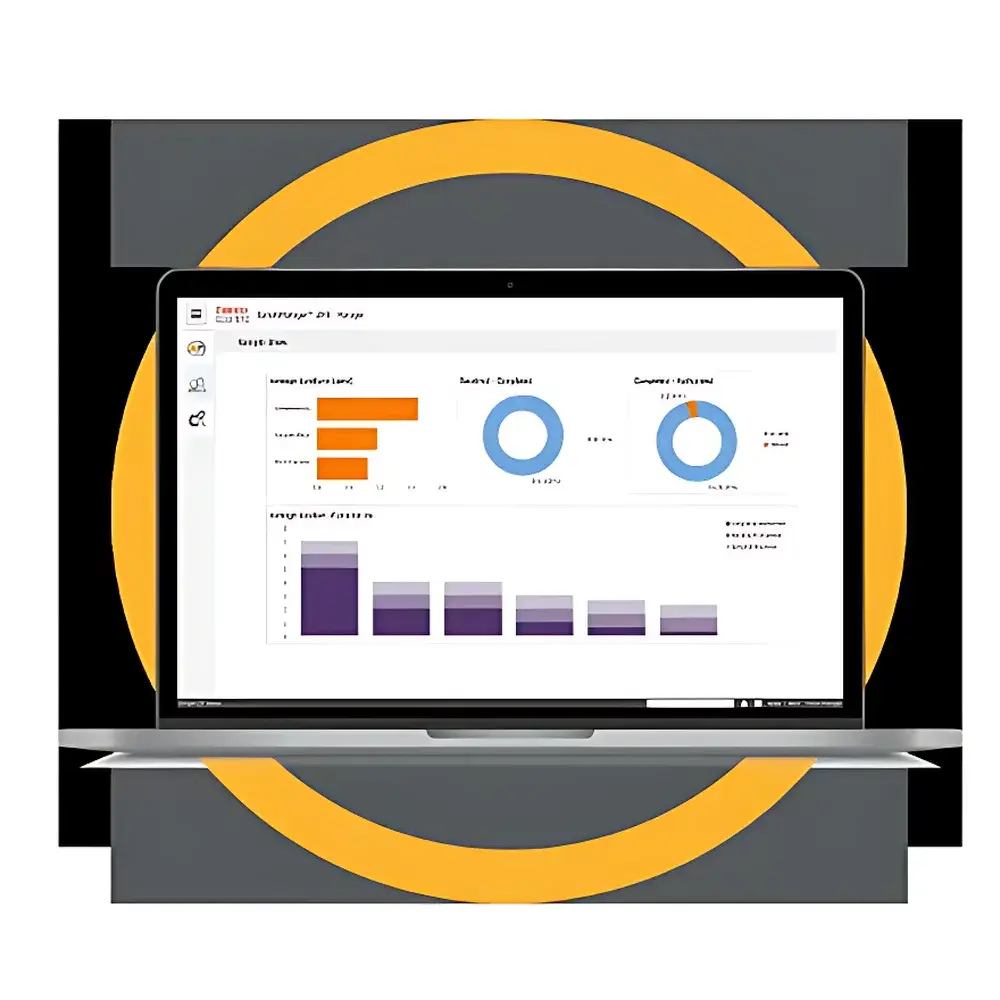
- Digital twin–enabled documentation: Delivered BIM (Revit-compatible) models with embedded equipment data sheets, utility routing schematics, and emergency shutoff valve locations
Sample Compatibility & Compliance
This solution supports diverse analytical workflows including but not limited to: ICP-MS sample introduction systems, GC-MS carrier gas conditioning, HPLC mobile phase storage environments, and cell culture biosafety cabinets (Class II A2/B2). All mechanical and electrical designs comply with GB 50019 (Chinese HVAC standard), GB 50311 (structured cabling), and IEC 61000-6-4 (EMC immunity for sensitive instrumentation). Ventilation systems meet local fire code requirements for hazardous material storage (GB 50016), while gas panels conform to CGA G-1.1 (compressed gas cylinder safety) and SEMI F57 (ultra-pure gas purity verification). Documentation packages include third-party test reports for airflow uniformity, noise levels (<55 dB(A) in occupied zones), and static pressure differentials across containment zones.
Software & Data Management
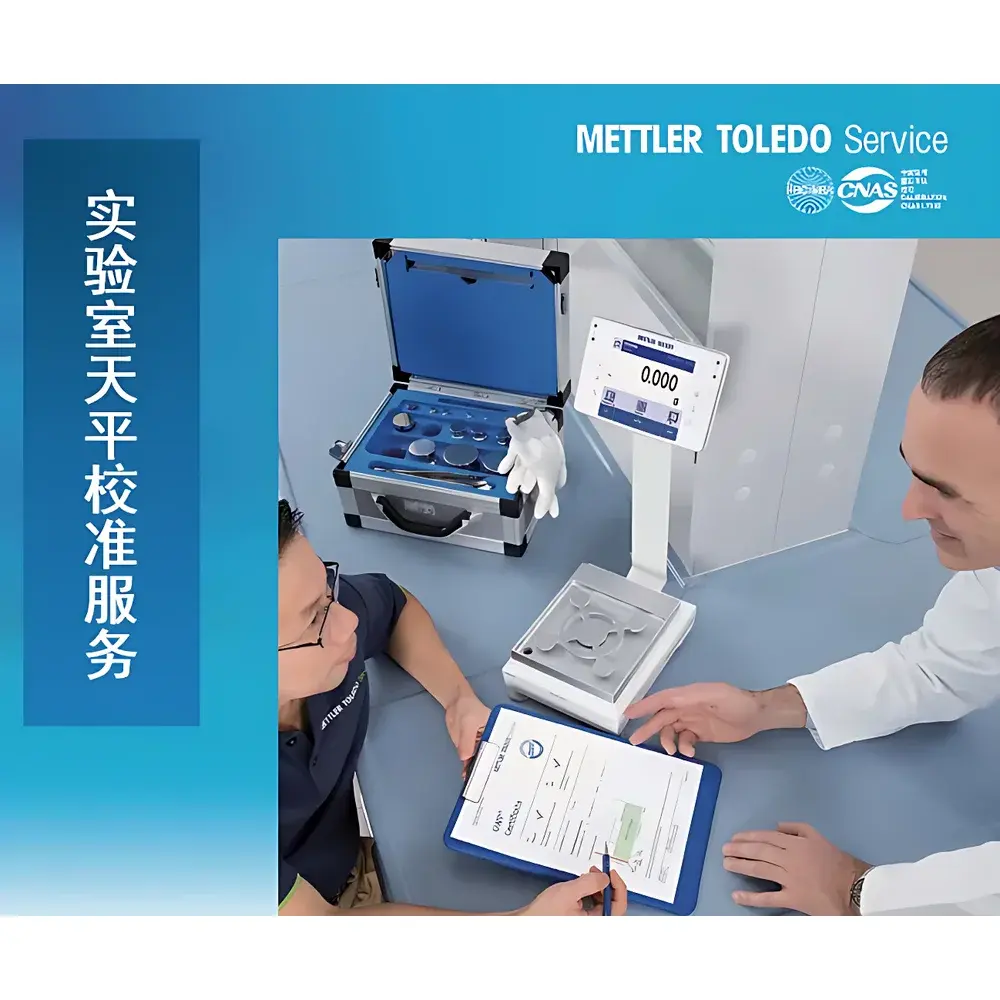
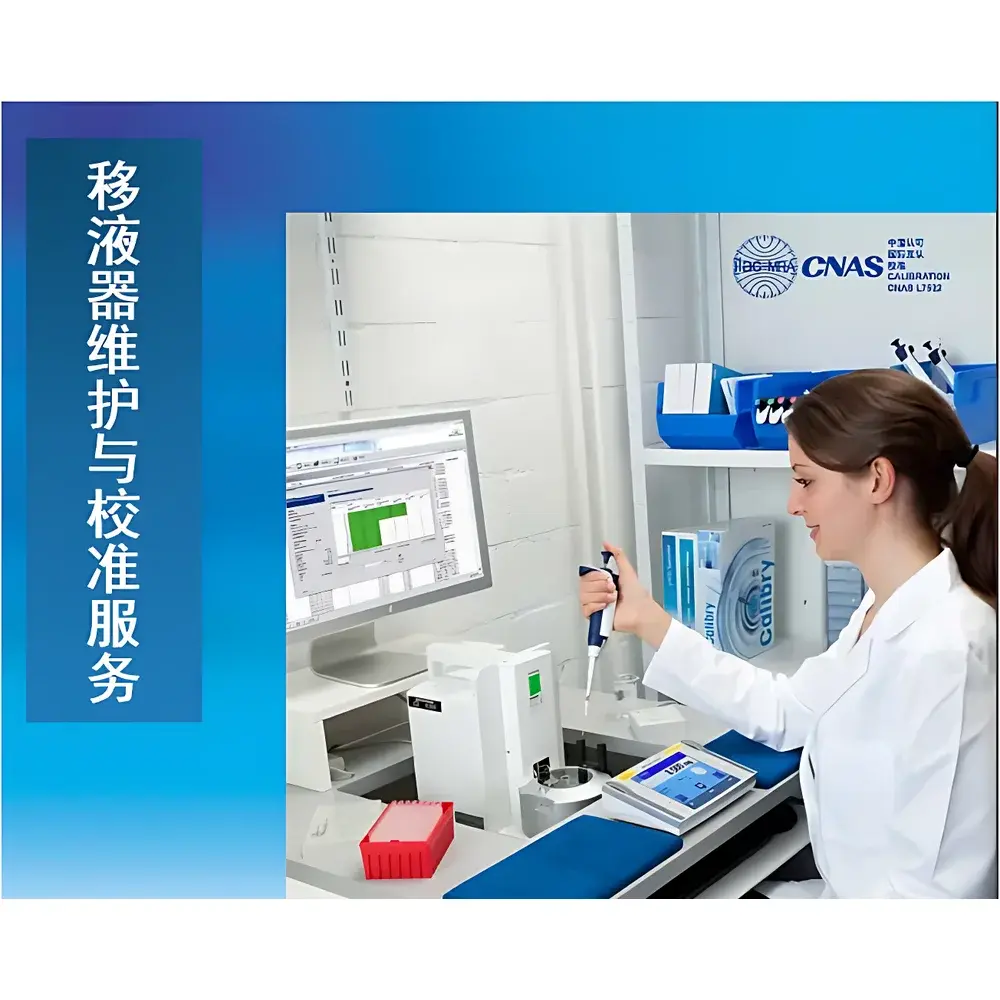
While the solution itself is hardware and infrastructure–focused, all delivered systems incorporate standardized digital interfaces to enable seamless integration with laboratory information management systems (LIMS) and building management systems (BMS). HVAC controllers support BACnet MS/TP or Modbus TCP protocols; gas monitoring sensors output 4–20 mA signals compatible with SCADA platforms. Commissioning reports include full calibration records traceable to NIM (National Institute of Metrology, China) standards. For clients pursuing FDA 21 CFR Part 11 compliance, optional electronic signature modules and audit trail configuration services are available—covering instrument control software, environmental monitoring logs, and preventive maintenance scheduling.
Applications
- New construction of provincial environmental monitoring stations (e.g., Guangdong Provincial Ecological Environment Monitoring Center retrofit projects)
- Adaptive reuse of existing commercial buildings into accredited testing labs—validated through structural load assessment, vibration isolation analysis, and electromagnetic interference (EMI) mapping
- Upgrading legacy labs to meet updated biosafety (GB 19489) or chemical hygiene plan (CHP) requirements, including retrofitting explosion-proof lighting, acid waste neutralization units, and real-time VOC detection networks
- Design and build of multi-tenant analytical service centers, where shared infrastructure (e.g., centralized chilled water plants, gas manifolds, data backbone) must support independent ISO/IEC 17025 scopes across tenants
FAQ
Is this service available outside Guangdong Province?
No. This offering is currently restricted to laboratory projects located within Guangdong Province, China, due to logistical constraints in on-site commissioning supervision and after-sales technical response time.
Do you supply laboratory instruments directly, or only integrate third-party equipment?
We act as an authorized distributor and integration partner—not a manufacturer. Instrument selection follows client-defined analytical requirements and vendor-agnostic evaluation criteria (e.g., metrological traceability, service network coverage, software interoperability). We coordinate procurement, installation, and factory acceptance testing (FAT) but do not produce proprietary hardware.
What documentation is delivered upon project completion?
Final deliverables include: As-built drawings (PDF + DWG), equipment submittal packages (O&M manuals, warranty cards, calibration certificates), commissioning reports (air balance, fume hood face velocity, gas leak test records), and a regulatory readiness checklist mapped to CNAS CL01:2018 clauses.