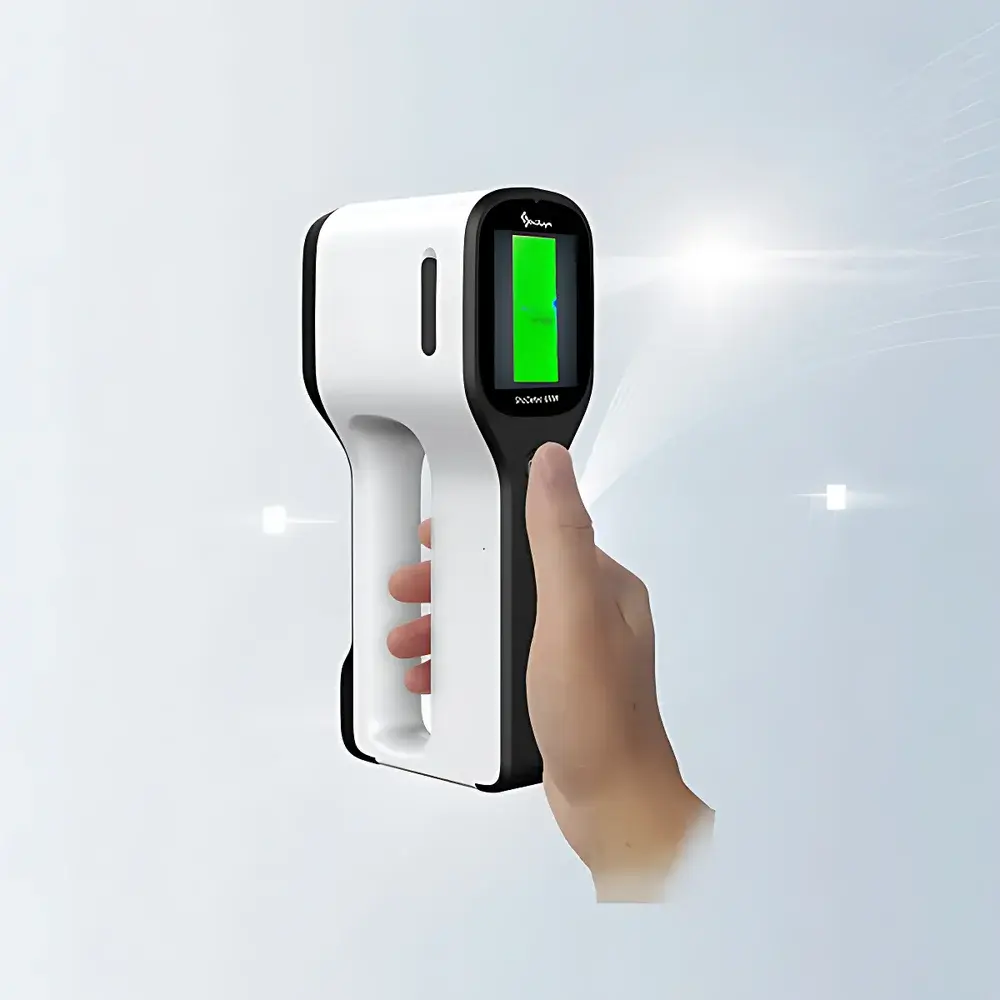
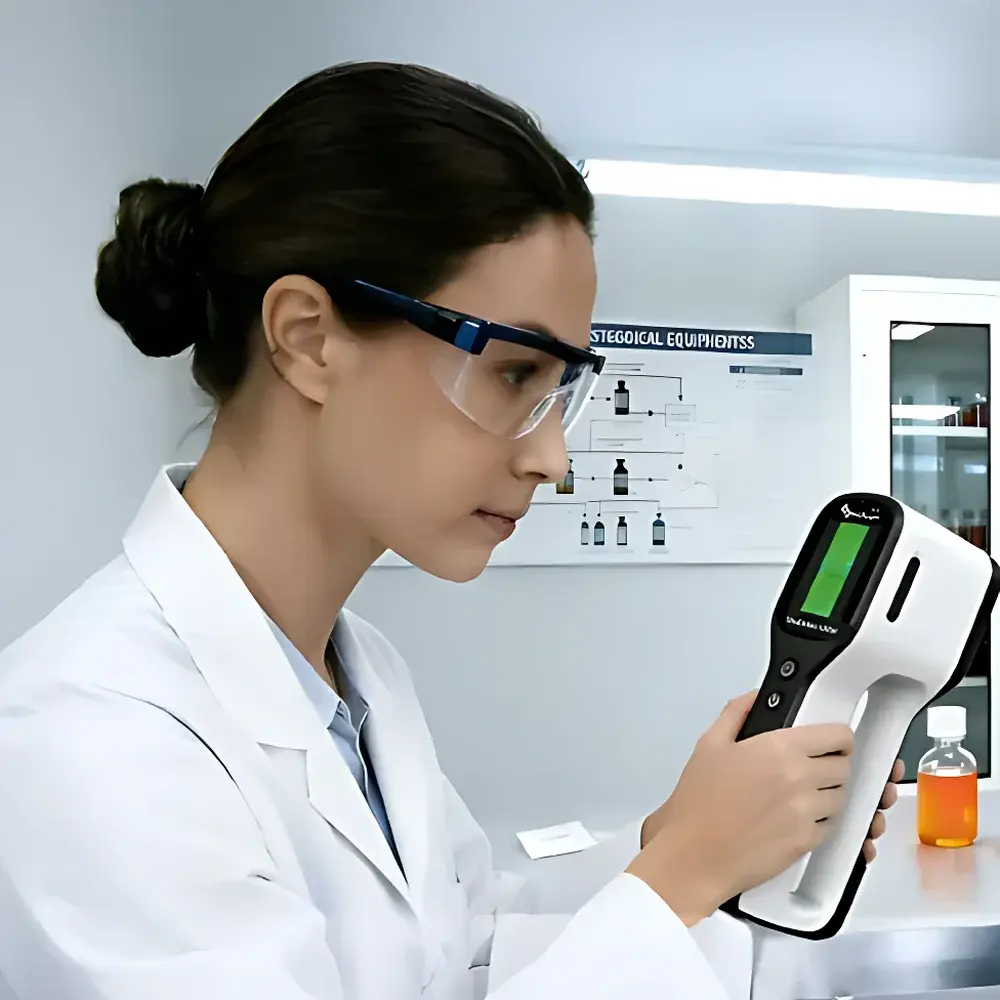
Lasertec GT-200 Automatic Potentiometric Titrator
| Brand | Lasertec |
|---|---|
| Origin | Japan |
| Model | GT-200 |
| Instrument Type | General-purpose Potentiometric Titrator |
| Application Scope | Specialized (e.g., Acid Number Determination in Gasoline) |
| Display | 5.7-inch Color LCD |
| Connectivity | USB, RS-232 (COM), GLP-compliant Data Logging |
| Software | Titration Viewer TV-200 |
| Automation Capacity | Up to 12 burettes + 24-position autosampler |
| Endpoint Detection | Smart End Point Detection (S.E.D.) Algorithm |
| Compliance | GLP Support (Calibration Traceability, User Access Levels, Audit Trail) |
Overview
The Lasertec GT-200 Automatic Potentiometric Titrator is a precision-engineered electrochemical analysis platform designed for high-reproducibility potentiometric titrations in regulated industrial and quality control laboratories. Operating on the fundamental principle of measuring potential difference between a reference electrode and an indicator electrode as titrant is incrementally added, the GT-200 detects stoichiometric endpoints with enhanced resolution via its proprietary Smart End Point Detection (S.E.D.) algorithm. This algorithm performs real-time second-derivative analysis of the titration curve, integrating both inflection point localization and cumulative curve shape evaluation to minimize false endpoints—particularly critical in complex matrices such as hydrocarbon fuels, lubricants, and oxidized organic samples. Engineered for seamless integration into routine QC workflows, the GT-200 supports standardized methods including ASTM D664 (acid number of petroleum products), ASTM D974 (neutralization number), and ISO 8289 (total acidity in water treatment chemicals). Its modular architecture allows deployment as a standalone benchtop unit or as a node within multi-instrument automated networks.
Key Features
- Modular automation framework enabling full computer control via USB interface—up to four GT-200 units can be synchronized from a single host PC.
- Real-time dual-display capability: simultaneous visualization of titration curves, numerical data tables, and derivative plots on the 5.7-inch color LCD or external monitor via Titration Viewer TV-200 software.
- S.E.D. intelligent endpoint detection—validated against IUPAC-recommended robustness criteria for endpoint reproducibility across variable sample conductivity and buffer capacity.
- GLP-compliant data integrity: built-in calibration tracking for burettes, electrodes, and pH sensors; time-stamped audit trail; three-tier user authentication (Operator, Supervisor, Administrator).
- Expandable hardware ecosystem: supports up to twelve independent burettes (including GT-200BRT cassette-type and GT-200SD syringe-type) and a 24-position autosampler (GT-200SC) for unattended batch processing.
- Multi-interface connectivity: RS-232 (COM port) for LIMS integration, USB for peripheral control, and optional thermal/impact printer support for hard-copy traceability.
Sample Compatibility & Compliance
The GT-200 accommodates aqueous, non-aqueous, and mixed-solvent systems—including ethanol-toluene blends used in ASTM D664 acid number testing. Its electrode input circuitry is optimized for low-current stability in low-conductivity media (e.g., hydrocarbons), minimizing drift during extended titrations. All firmware and data handling comply with FDA 21 CFR Part 11 requirements for electronic records and signatures when configured with TV-200 software and enabled audit logging. Calibration records—including burette volume verification, electrode slope/mV offset checks, and pH standard validation—are stored with immutable timestamps and user identifiers. The system meets ISO/IEC 17025 documentation requirements for accredited testing laboratories and supports method validation per ICH Q2(R2) guidelines.
Software & Data Management
Titration Viewer TV-200 is a Windows-based application providing method development, sequence programming, real-time monitoring, and post-run analysis. It supports customizable report templates compliant with internal SOPs or external regulatory submissions (e.g., PDF/A-1a, CSV export with metadata headers). Raw data files (.tv2) retain full measurement history—including raw mV readings, dosing volumes, temperature logs, and S.E.D. confidence metrics. Data synchronization via COM port enables direct ingestion into laboratory information management systems (LIMS) without manual re-entry. Version-controlled method files ensure traceability across instrument deployments, while encrypted local storage safeguards intellectual property and sensitive analytical protocols.
Applications
- Acid number determination in gasoline, diesel, and base oils per ASTM D664 and IP 177.
- Alkalinity and total acid number (TAN/TBN) analysis in engine oils and transformer fluids.
- Chloride quantification in pharmaceutical excipients using argentometric titration.
- Redox titrations for iron content in catalysts and metal plating baths.
- Water content analysis via Karl Fischer coulometric titration when interfaced with compatible KF modules (e.g., KF-200BRT photometric detector).
- Quality release testing of active pharmaceutical ingredients (APIs) under GMP environments requiring full audit trails and electronic signature enforcement.
FAQ
Does the GT-200 support non-aqueous titrations such as perchloric acid in glacial acetic acid?
Yes—the instrument’s high-input-impedance electrode interface and adjustable stirring speed (50–300 rpm) ensure stable potential measurement in low-dielectric solvents.
Can TV-200 software generate 21 CFR Part 11-compliant electronic signatures?
Yes—when deployed with Windows domain authentication and enabled digital certificate configuration, TV-200 provides role-based e-signature capture with biometric or token-backed identity verification.
Is the S.E.D. algorithm validated against NIST-traceable standards?
S.E.D. performance has been verified using NIST SRM 3101a (potassium hydrogen phthalate) and SRM 3102a (sodium carbonate) across multiple matrix types, demonstrating ≤0.1% RSD in endpoint volume repeatability.
What maintenance intervals are recommended for the GT-200’s precision burettes?
Burette calibration verification is required before each analytical batch per GLP; volumetric accuracy must be confirmed annually using gravimetric ISO 8655-3 procedures.
Can the GT-200 be integrated into a fully automated lab-on-a-chip workflow?
While not a microfluidic platform, its USB/RS-232 interfaces and programmable TTL triggers allow synchronization with robotic liquid handlers and sample prep stations via third-party orchestration software.
Related Products