
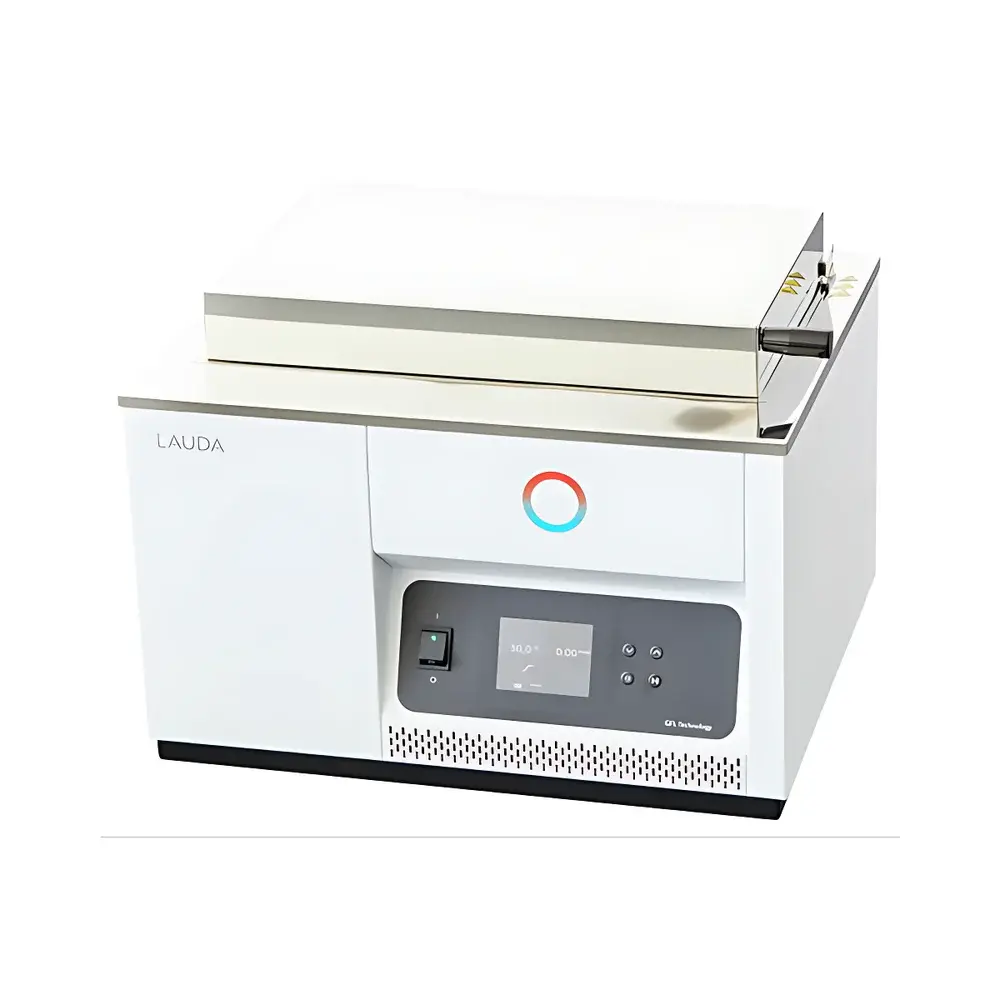
LAUDA Hydro H 16 A Circulating Water Bath with Magnetic Stirring, 25–100 °C, ±0.1 °C Stability
| Brand | LAUDA |
|---|---|
| Origin | Germany |
| Model | H 16 A |
| Temperature Range | 25–100 °C |
| Temperature Stability | ±0.1 °C |
| Bath Volume | 13.9 L |
| Heating Power | 1.5 kW |
| Dimensions (W×D×H) | 500×440×345 mm |
| Stirring | Integrated Magnetic Drive |
| Bath Opening | 245×400 mm |
| Usable Depth | 115 mm |
| Weight | 16 kg |
| Power Supply | 230 V, 50/60 Hz |
Overview
The LAUDA Hydro H 16 A is a precision-engineered circulating water bath with integrated magnetic stirring, designed for demanding applications in life science, pharmaceutical, and quality control laboratories where thermal uniformity, stability, and operational safety are critical. Operating on the principle of resistive heating combined with forced convection via magnetic agitation, the H 16 A ensures rapid thermal equilibration and exceptional spatial temperature homogeneity—±0.1 °C stability and ≤0.2 °C uniformity across the full 13.9 L stainless-steel bath chamber. Its immersion heater is positioned directly beneath the perforated stainless-steel support plate, minimizing thermal gradients and enabling efficient heat transfer without localized hot spots. The unit is rated for continuous operation from 25 °C up to the boiling point of water (100 °C), making it suitable for enzyme assays, cell culture incubation support, dissolution testing, and calibration of temperature-sensitive instrumentation.
Key Features
- Integrated magnetic stirring motor (bottom-mounted) enables consistent fluid circulation within the bath medium, enhancing thermal homogeneity and eliminating stratification—critical for multi-vessel experiments or long-duration incubations.
- High-contrast 3.5-inch TFT touchscreen interface with intuitive navigation; temperature setpoint resolution of 0.1 °C and real-time display of actual bath temperature, elapsed time, and system status.
- Dual-layer insulated stainless-steel bath cover with inward-curved interior geometry—designed to capture and redirect condensate back into the bath, preventing droplet contamination of samples and reducing evaporative heat loss by up to 35% versus standard covers.
- Comprehensive safety architecture: independent overtemperature cutoff (hardware-based), dry-run protection via level sensor, and audible/visual alarm activation upon fault detection (e.g., temperature deviation >±0.5 °C, low water level, or power interruption).
- Three programmable timer modes: delay start (up to 24 h), hold duration after setpoint attainment, and total run time—supporting unattended overnight operation compliant with GLP documentation requirements.
- Full stainless-steel wetted components (bath vessel, cover, support tray, heater housing) and electrogalvanized, powder-coated steel chassis ensure long-term corrosion resistance in humid laboratory environments.
Sample Compatibility & Compliance
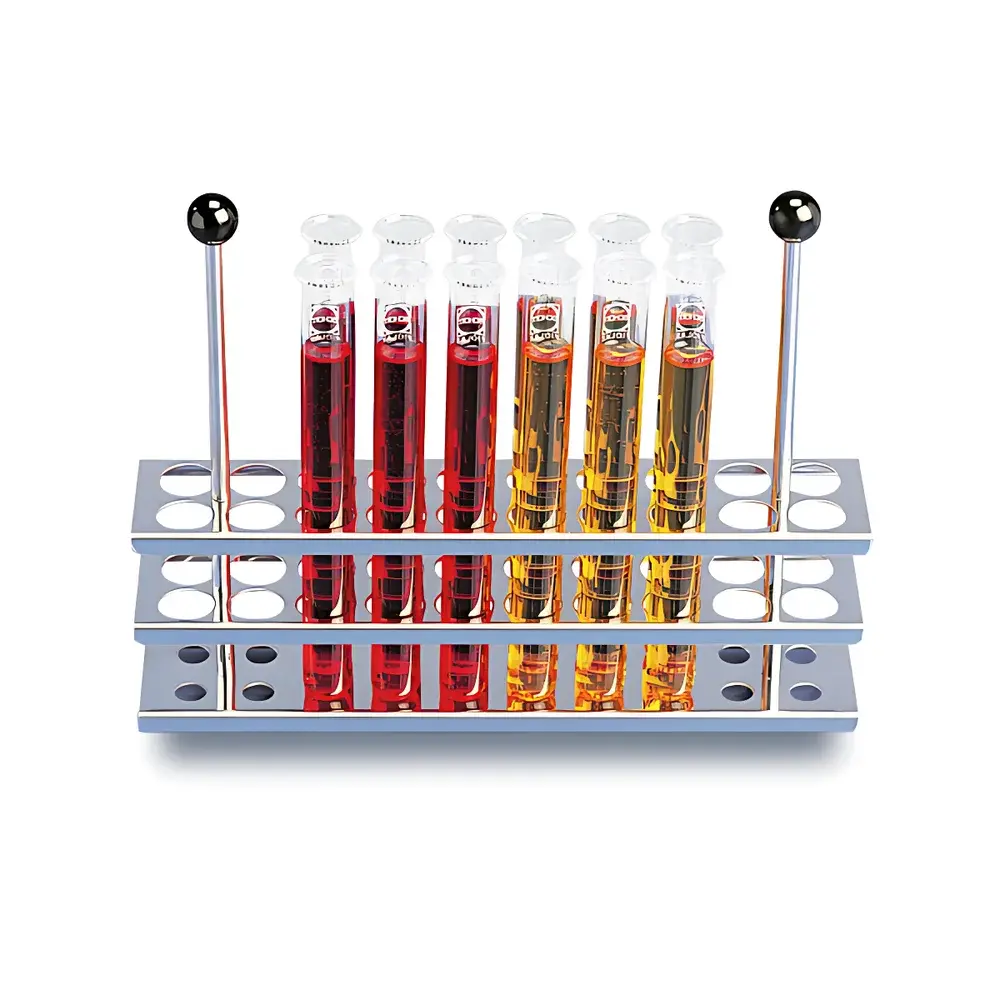
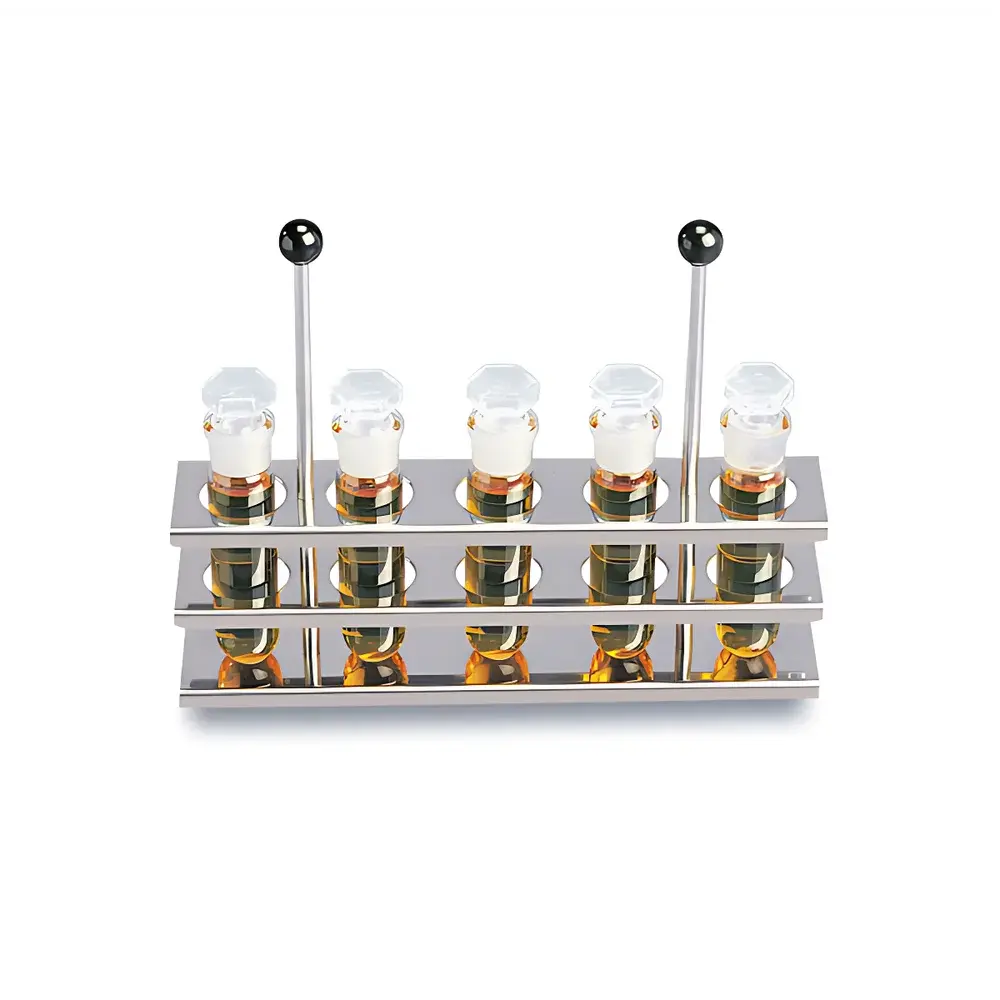
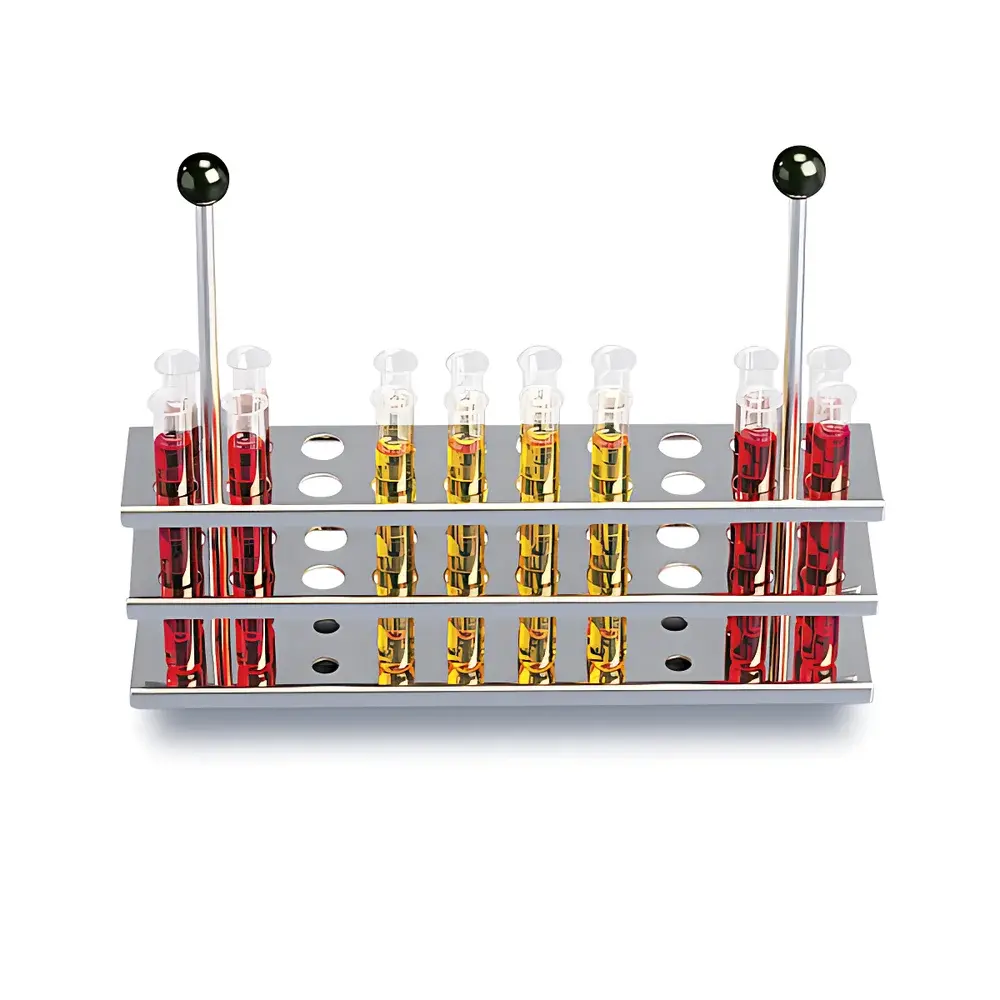
The H 16 A accommodates standard laboratory glassware—including beakers (up to 1 L), test tubes, cuvettes, and multi-well plates—via its 245 × 400 mm bath opening and 115 mm usable depth. Its open-bath design supports both passive immersion and active circulation configurations. The unit complies with IEC 61010-1:2010 for electrical safety in laboratory equipment and meets EN 60529 IP20 ingress protection standards. While not intrinsically certified for hazardous locations, its robust construction and fail-safe controls align with routine QC/QA workflows under ISO/IEC 17025 and FDA 21 CFR Part 11–aligned data integrity practices when paired with LAUDA’s optional LabSoft software.
Software & Data Management
The H 16 A operates as a standalone instrument but is compatible with LAUDA LabSoft v4.x for remote monitoring, parameter logging, and audit-trail generation. When connected via RS232 or optional USB-to-RS232 adapter, LabSoft records timestamped temperature profiles at user-defined intervals (1 s to 60 min), stores event logs (alarms, timer triggers, power cycles), and exports CSV-formatted datasets for traceability. All logged data includes operator ID fields, digital signatures, and immutable timestamps—supporting regulatory submissions requiring ALCOA+ principles (Attributable, Legible, Contemporaneous, Original, Accurate, Complete, Consistent, Enduring, Available).
Applications
- Enzyme kinetics studies requiring precise, stable thermal conditions across multiple reaction vessels.
- Pre-incubation of microbiological media, blood samples, or diagnostic reagents prior to analysis.
- Supporting dissolution apparatus (USP Apparatus I & II) in pharmaceutical development labs.
- Calibration of thermocouples, RTDs, and infrared thermometers against NIST-traceable references.
- Cell viability assays involving temperature-dependent metabolic markers (e.g., MTT, LDH).
- Material testing of polymers and hydrogels where reversible thermal transitions must be reproducibly induced.
FAQ
Does the H 16 A support external temperature probes for sample-specific feedback control?
No—the H 16 A regulates based on internal bath sensor readings only. For sample-core temperature control, an external circulator (e.g., LAUDA Alpha series) with dual-sensor PID logic is recommended.
Can the magnetic stirrer operate independently of heating?
Yes—stirring can be activated at any time, regardless of heating status, enabling cold mixing or pre-equilibration protocols.
Is the drain valve compatible with standard laboratory tubing (e.g., 8 mm ID silicone hose)?
Yes—the quick-release brass drain valve accepts tubing with 6–10 mm inner diameter and features a leak-tight compression seal.
What maintenance is required to sustain ±0.1 °C stability over time?
Annual verification using a calibrated reference thermometer (e.g., Fluke 1523) and periodic descaling with 5% citric acid solution—especially when operated above 60 °C with hard water—are recommended.
Does the unit include CE marking and Declaration of Conformity documentation?
Yes—all LAUDA Hydro series instruments ship with EU Declaration of Conformity (DoC) referencing Directive 2014/30/EU (EMC) and 2014/35/EU (LVD), plus full technical file access upon request.



