
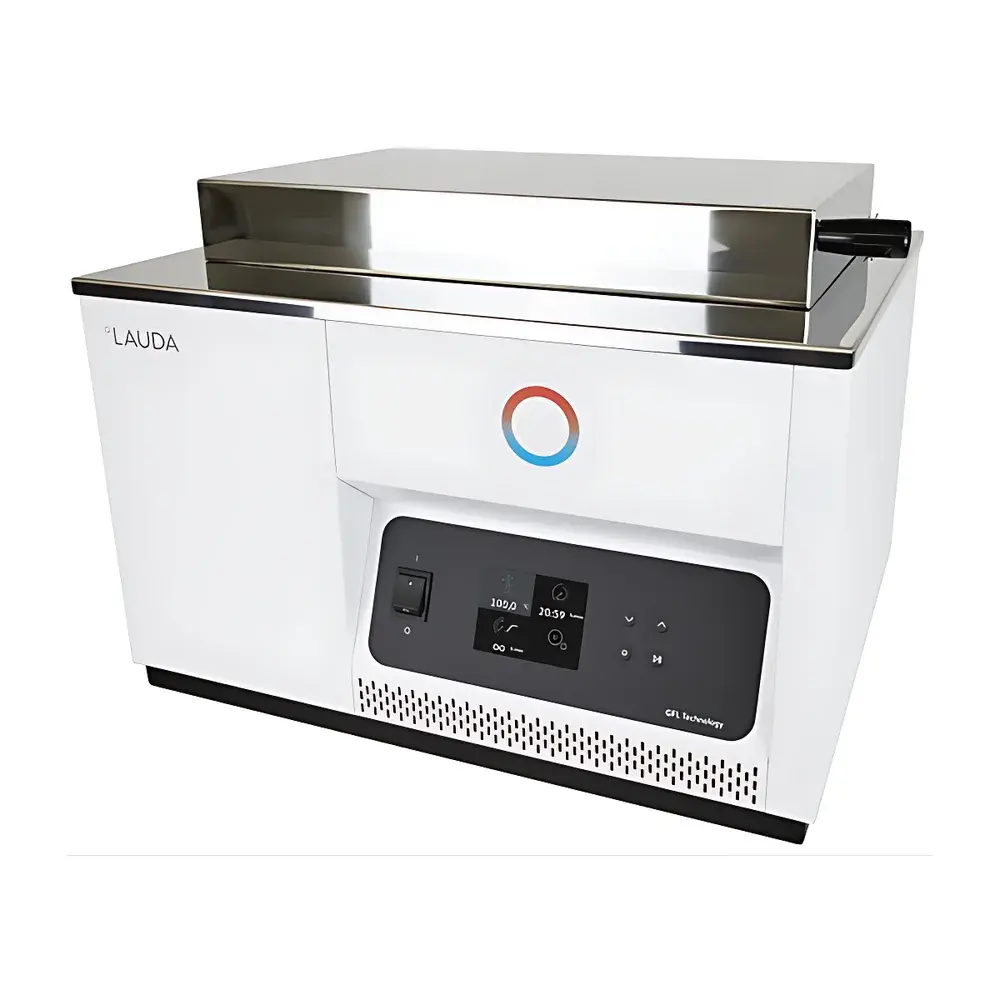
LAUDA Hydro H 22 General-Purpose Circulating Water Bath, 25–100 °C with ±0.1 °C Stability
| Brand | LAUDA |
|---|---|
| Origin | Germany |
| Model | H 22 |
| Temperature Range | 25–100 °C |
| Temperature Stability | ±0.1 °C |
| Bath Volume | 20.3 L |
| Heating Power | 1.5 kW |
| Dimensions (W×D×H) | 500×440×345 mm |
| Bath Opening (W×L) | 400×245 mm |
| Usable Depth | 180 mm |
| Weight | 16 kg |
| Power Supply | 230 V, 50/60 Hz |
| Display | 3.5″ TFT touchscreen |
| Safety Features | Dry-run protection, overtemperature cutoff, audible/visual alarm |
| Insulated Lid | Dual-layer stainless-steel, concave inner surface for condensate return |
Overview
The LAUDA Hydro H 22 is a precision-engineered, general-purpose circulating water bath designed for reliable thermal control in life science, clinical diagnostics, and quality control laboratories. Operating within a stable temperature range of 25–100 °C, it employs direct-bottom heating beneath the perforated stainless-steel support plate to establish uniform thermal distribution across the entire bath volume—eliminating localized hot spots and minimizing axial and radial temperature gradients. Its thermally optimized architecture achieves ±0.1 °C temperature stability (measured at sensor location under steady-state conditions per DIN 12879), verified through internal calibration routines traceable to national standards. The unit complies with IEC 61010-1 for laboratory equipment safety and incorporates redundant thermal monitoring: independent high-limit sensors trigger automatic heater shutdown if the setpoint exceeds tolerance or if fluid level falls below operational minimum, ensuring uninterrupted compliance with GLP and ISO/IEC 17025 environmental control requirements.
Key Features
- 3.5-inch high-contrast TFT touchscreen interface with intuitive menu navigation and real-time display of setpoint, actual temperature, timer status, and system alerts
- Dual-layer insulated stainless-steel lid with engineered concave inner geometry—designed to redirect condensate back into the bath, preventing droplet contamination of samples and minimizing evaporative heat loss
- Integrated drain valve positioned at the lowest point of the bath chamber for rapid, complete fluid exchange without disassembly
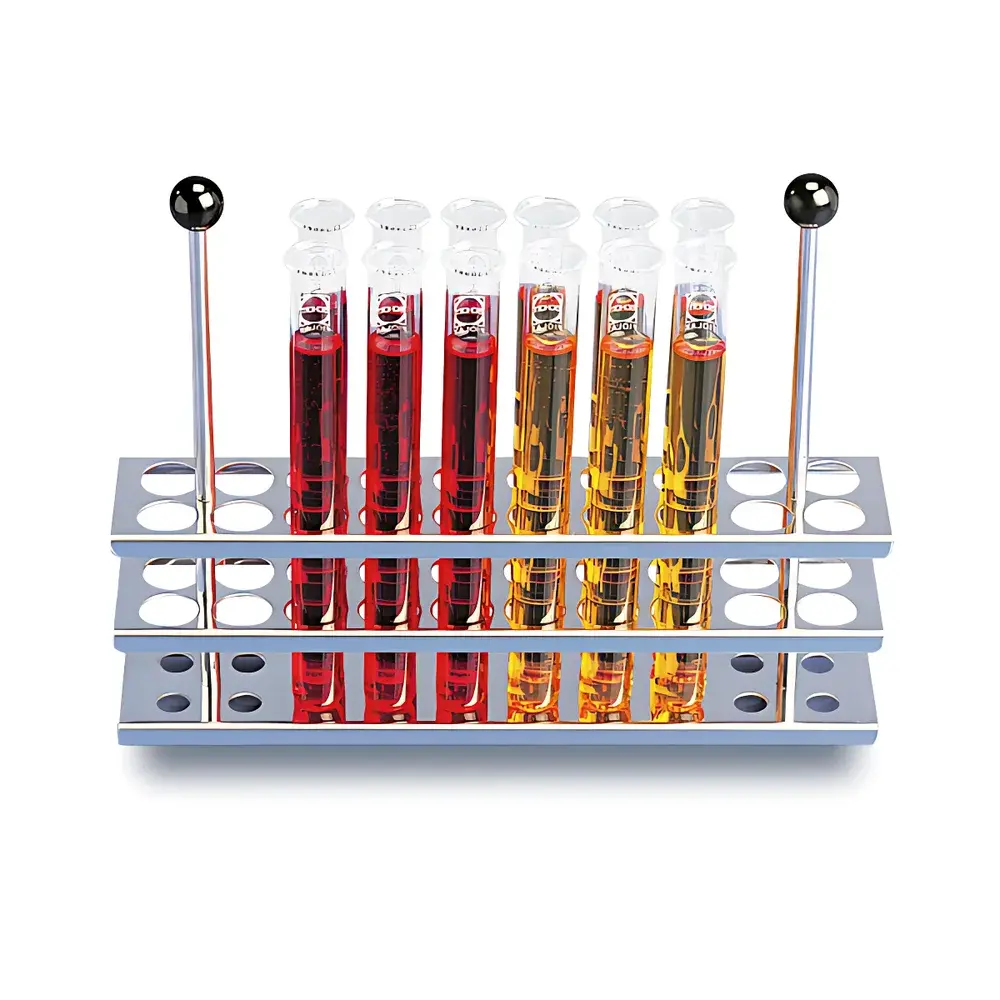
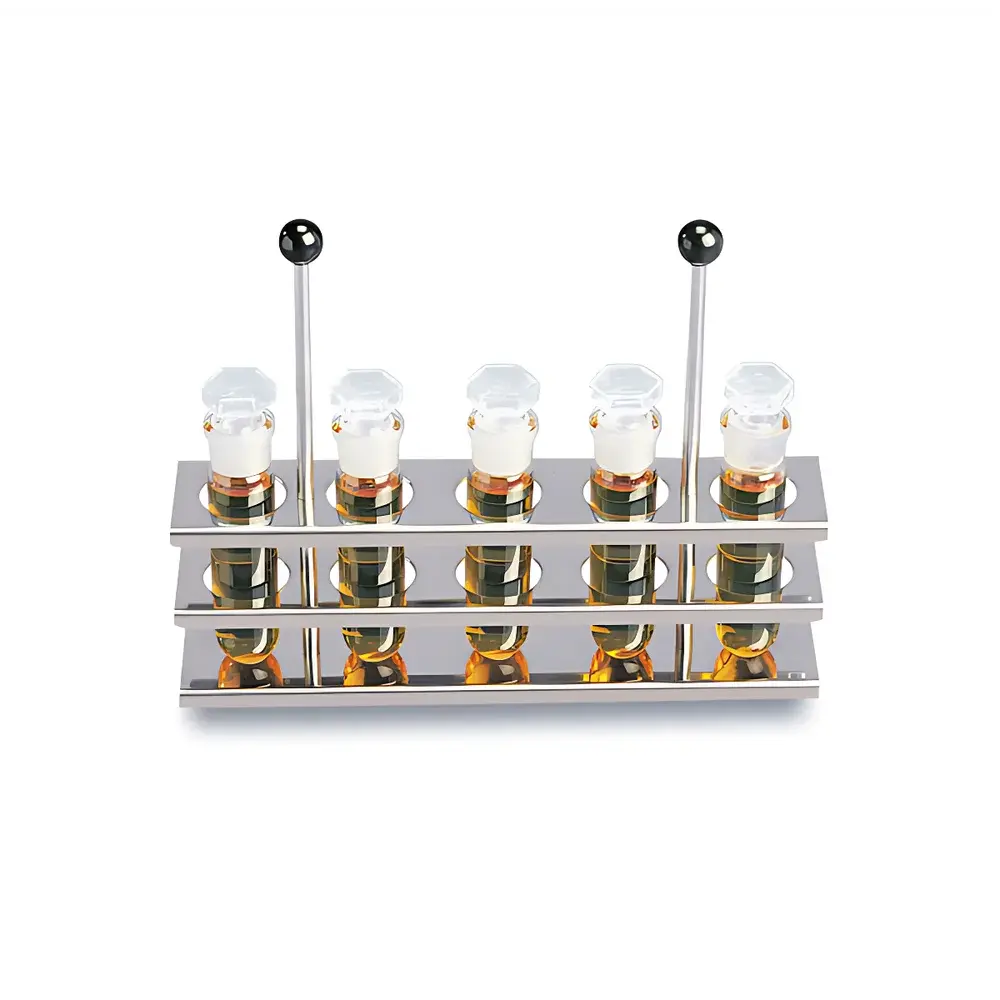
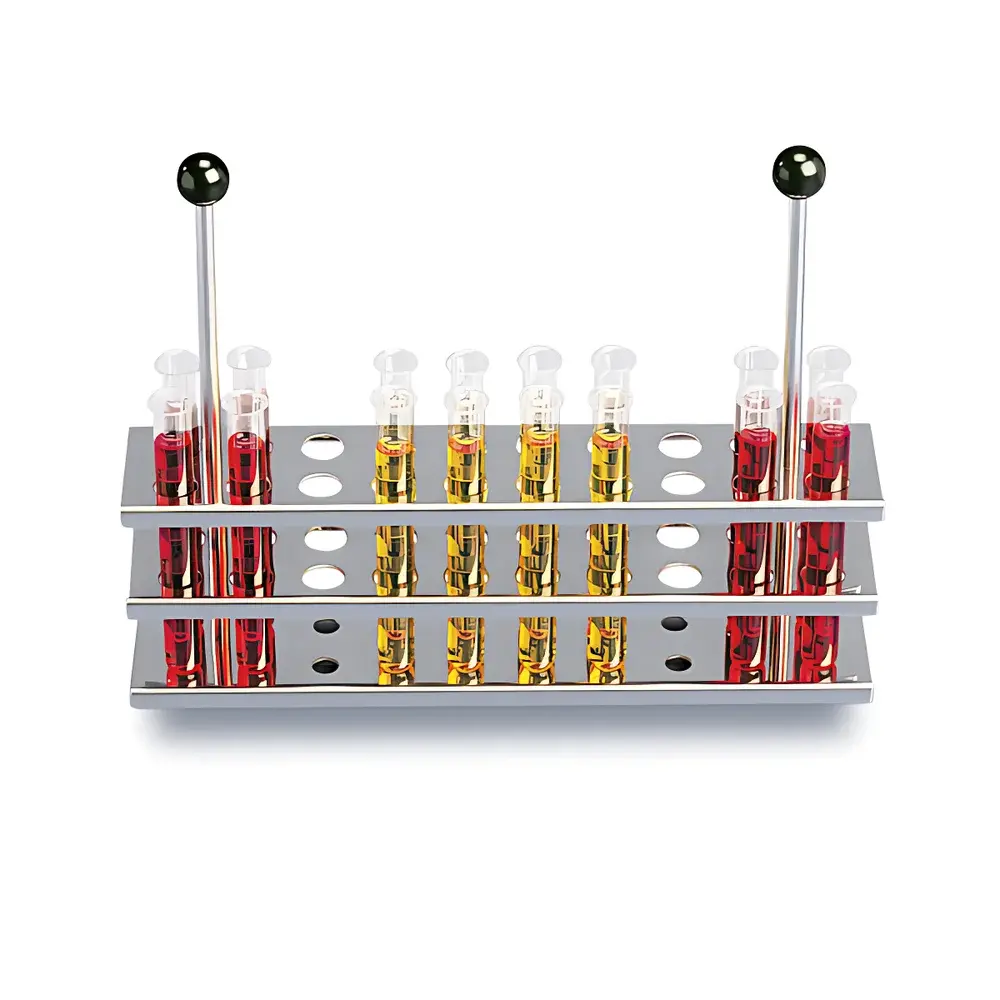
- Perforated stainless-steel support tray (included) enabling consistent sample immersion while permitting unrestricted circulation beneath vessels
- Three programmable timer modes: delay start, hold duration after setpoint attainment, and total runtime—configurable in minutes or hours for unattended overnight protocols
- Robust construction: seamless welded 316 stainless-steel bath interior; electrogalvanized, powder-coated steel housing resistant to chemical splashes and humidity-induced corrosion
- Comprehensive safety suite: dry-run detection, dual-stage overtemperature cutoff, and simultaneous audible (85 dB) and visual (LED strobe) alarm activation on fault condition
Sample Compatibility & Compliance
The Hydro H 22 accommodates standard laboratory vessels—including Erlenmeyer flasks (up to 2 L), centrifuge tubes, cuvettes, and enzymatic assay plates—within its 400 × 245 mm opening and 180 mm usable depth. Its non-circulating configuration (standard) ensures minimal mechanical disturbance ideal for cell culture warming, enzyme reactivation, or serum thawing. Optional circulation kits (sold separately) enable forced convection for applications requiring enhanced homogeneity. The unit meets essential regulatory expectations for controlled environment equipment: it supports audit-ready documentation via optional RS232/USB data logging (with timestamped temperature records), aligns with FDA 21 CFR Part 11 principles when paired with compliant software, and satisfies ISO 13485 clause 7.5.2 for thermal process validation in medical device manufacturing support labs.
Software & Data Management
While the H 22 operates as a standalone instrument, its embedded microcontroller supports ASCII-based serial communication (RS232) for integration into centralized lab monitoring systems. Logged temperature data—including setpoint, measured value, alarm events, and timer states—is exportable as CSV files via USB host interface. When used with LAUDA’s optional PC software (HydroControl Suite), users can generate IQ/OQ documentation templates, configure multi-step thermal profiles, and archive records with electronic signatures meeting ALCOA+ data integrity criteria. All firmware updates are delivered via signed binary packages with SHA-256 verification to maintain cryptographic integrity throughout the device lifecycle.
Applications
- Pre-warming of culture media and reagents prior to aseptic handling in microbiology and cell biology workflows
- Controlled thawing of cryopreserved biological samples (e.g., PBMCs, primary hepatocytes) at defined ramp rates to preserve viability
- Temperature equilibration of standards and reference materials in analytical chemistry QC procedures
- Incubation support for ELISA, PCR master mix preparation, and immunoassay plate conditioning
- Calibration verification of thermometers and RTDs against NIST-traceable references using fixed-point baths
- Stability testing of pharmaceutical formulations under accelerated aging conditions per ICH Q1A(R2)
FAQ
What is the maximum recommended operating temperature for continuous use?
The Hydro H 22 is rated for sustained operation up to 100 °C; however, prolonged use above 95 °C may accelerate evaporation and require more frequent level monitoring.
Does the unit include a calibration certificate?
Factory calibration is performed per DIN EN ISO/IEC 17025; an optional UKAS-accredited calibration certificate (including uncertainty budget) is available upon request at time of order.
Can the bath be used with aqueous glycol solutions?
Yes—the 316 stainless-steel wetted parts are compatible with ≤30 % v/v aqueous ethylene or propylene glycol mixtures for sub-ambient extension when paired with a chiller (not included).
Is remote monitoring supported out of the box?
Basic serial communication is enabled by default; Ethernet or Wi-Fi connectivity requires the optional LAUDA Connect Module (H-ECM), which adds SNMP, Modbus TCP, and HTTP API interfaces.
How often should the bath fluid be replaced?
Deionized water should be refreshed every 2–4 weeks depending on usage frequency and ambient humidity; biocide additives are not recommended due to potential interference with sensitive biological assays.



