
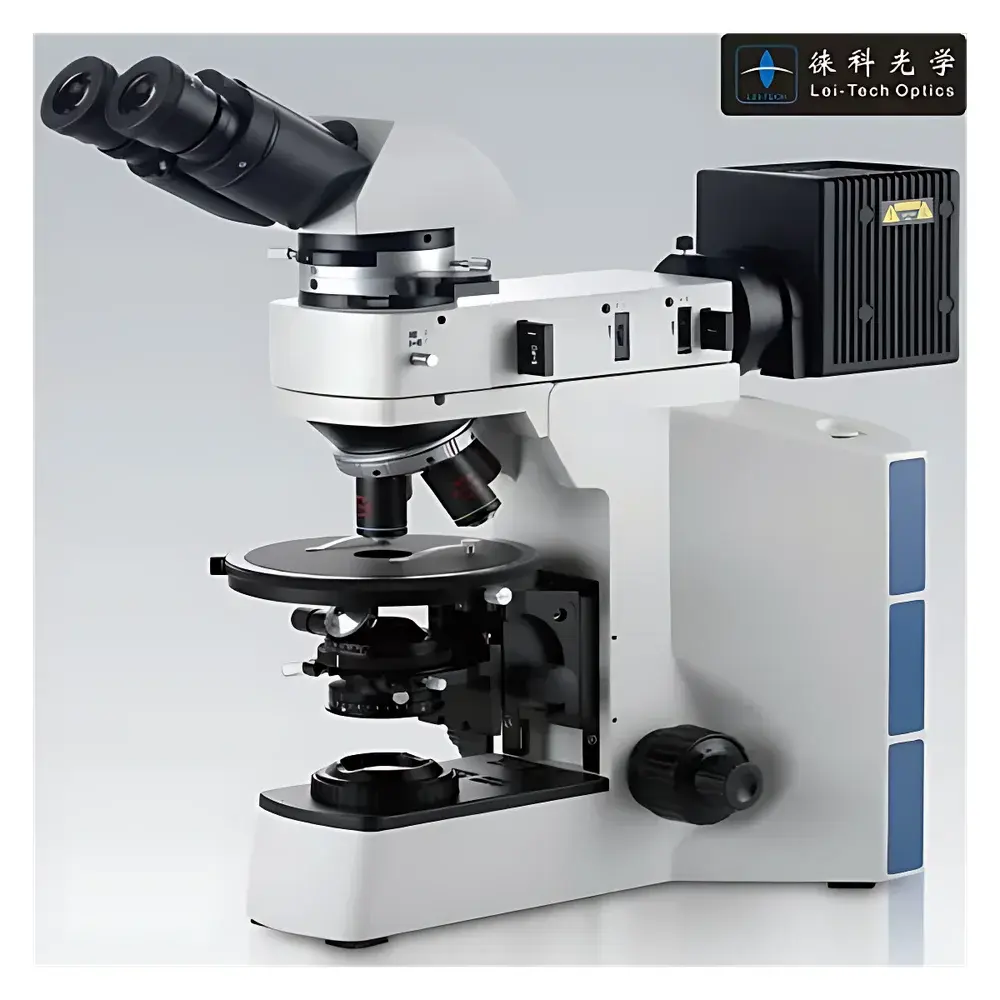
LEI-TECH LK53P-LRT600 Research-Grade Upright Polarizing Microscope with Integrated Cryo-Heating Stage
| Brand | LEI-TECH |
|---|---|
| Origin | Tianjin, China |
| Manufacturer Type | Direct Manufacturer |
| Model | LK53P-LRT600 |
| Optical System | Infinity-Corrected Universal Imaging System (UISC) |
| Total Magnification | 50×–500× (with 5×, 10×, 20×, 50× objectives) |
| Eyepieces | Widefield PL10×/22 mm (with micrometer scale) |
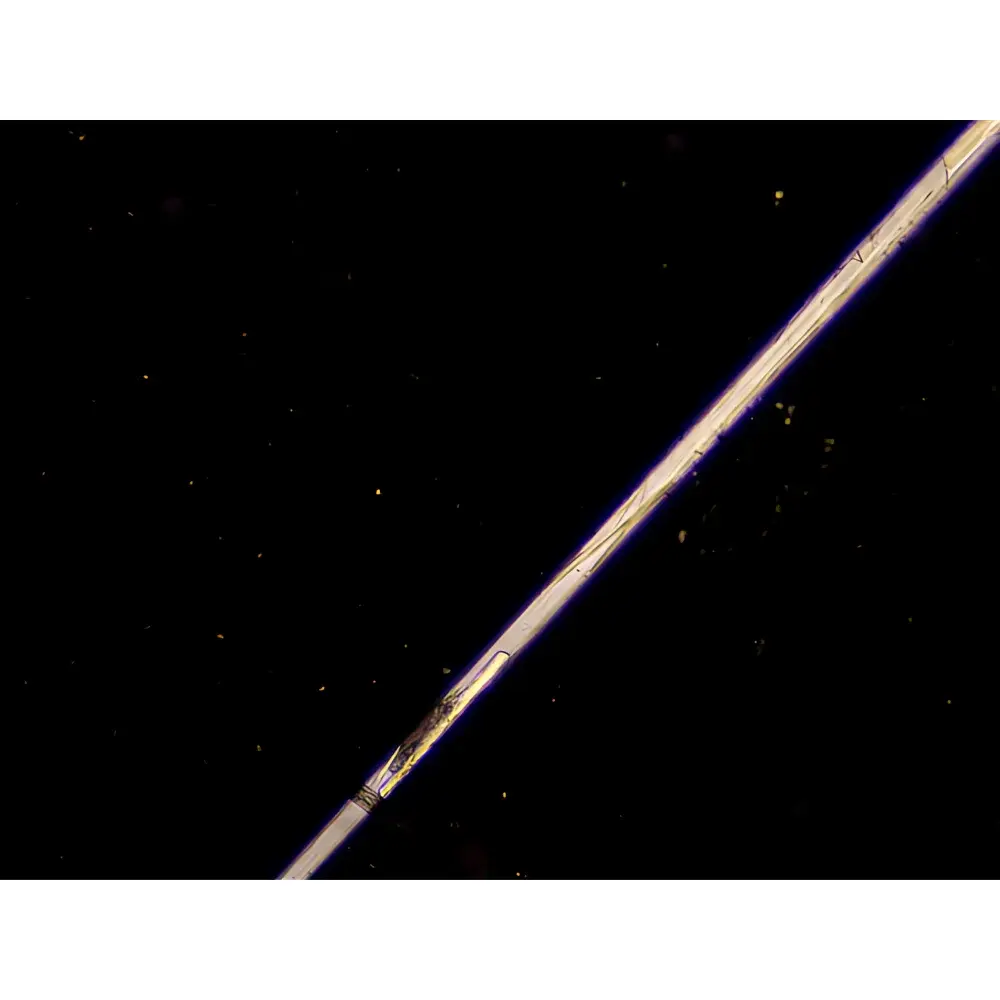
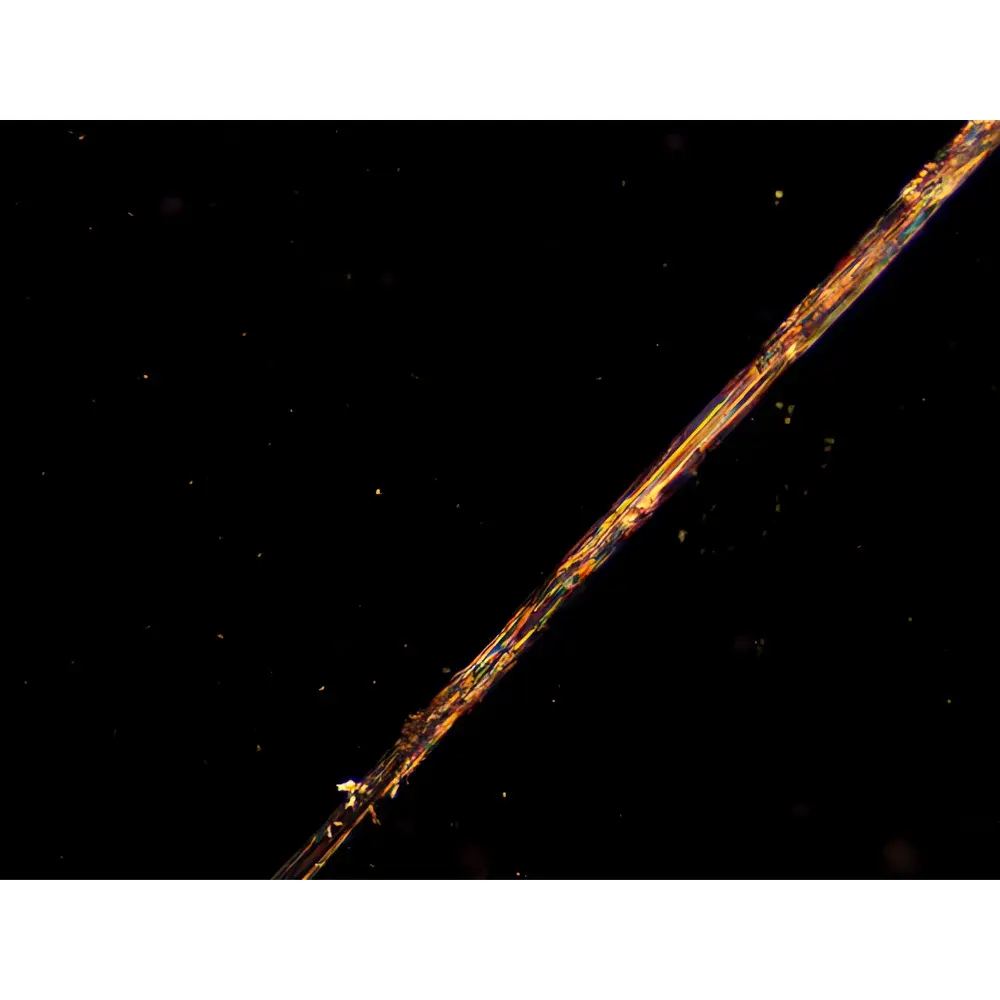
| Observation Modes | Brightfield, Polarized Light |
| Illumination | Dual-path (transmitted Köhler + reflected halogen, 12 V/100 W, pre-centered) |
| Condenser | Achromatic swing-out, NA 1.2, with rotatable polarizer (0°/90°/180°/270° positions) |
| Analyzer | Rotatable 360°, graduation 2°, accuracy ±6′, lockable |
| Compensators | λ plate (551 nm), λ/4 plate (147.3 nm), quartz wedge (I–IV order) |
| Stage | Precision XY mechanical stage (±6 mm each axis), 360° rotatable metal platform with graphite coating |
| Focus Mechanism | Coaxial coarse/fine focus, tension-adjustable, upper limit stop |
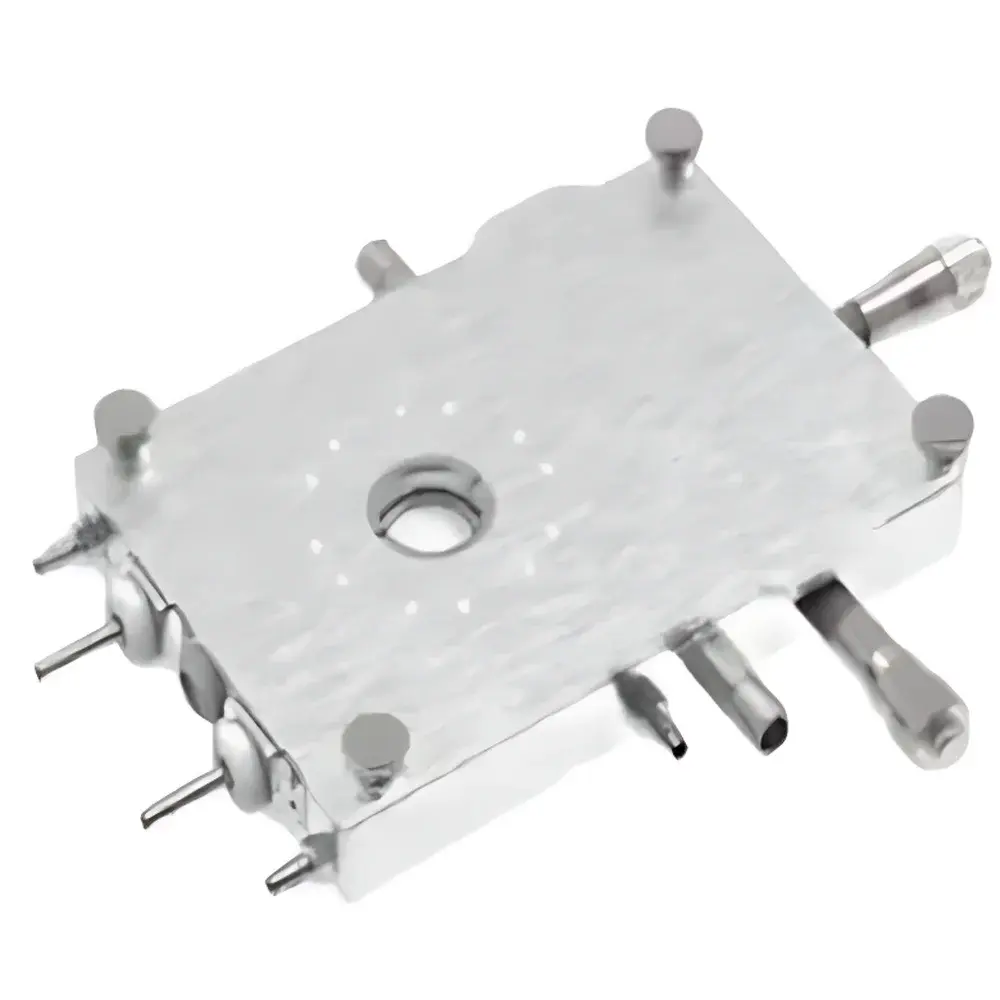
| Temperature Control Stage | Integrated cryo-heating stage (–196 °C to +600 °C), sample area Ø16 mm, optical aperture Ø2 mm, heating rate up to 50 °C/min, cooling rate down to –25 °C/min, temperature resolution 0.1 °C, control stability ±0.1 °C |
| Minimum Working Distance | 4.5 mm (objective), 11 mm (condenser) |
| Imaging System | 20 MP CMOS sensor (5440 × 3648), liquid-nitrogen-cooled for low-noise acquisition |
| Software Functions | Real-time Extended Focus Imaging (EFI), Multi-Image Alignment (MIA), quantitative birefringence measurement, grain orientation mapping, phase transition tracking |
Overview
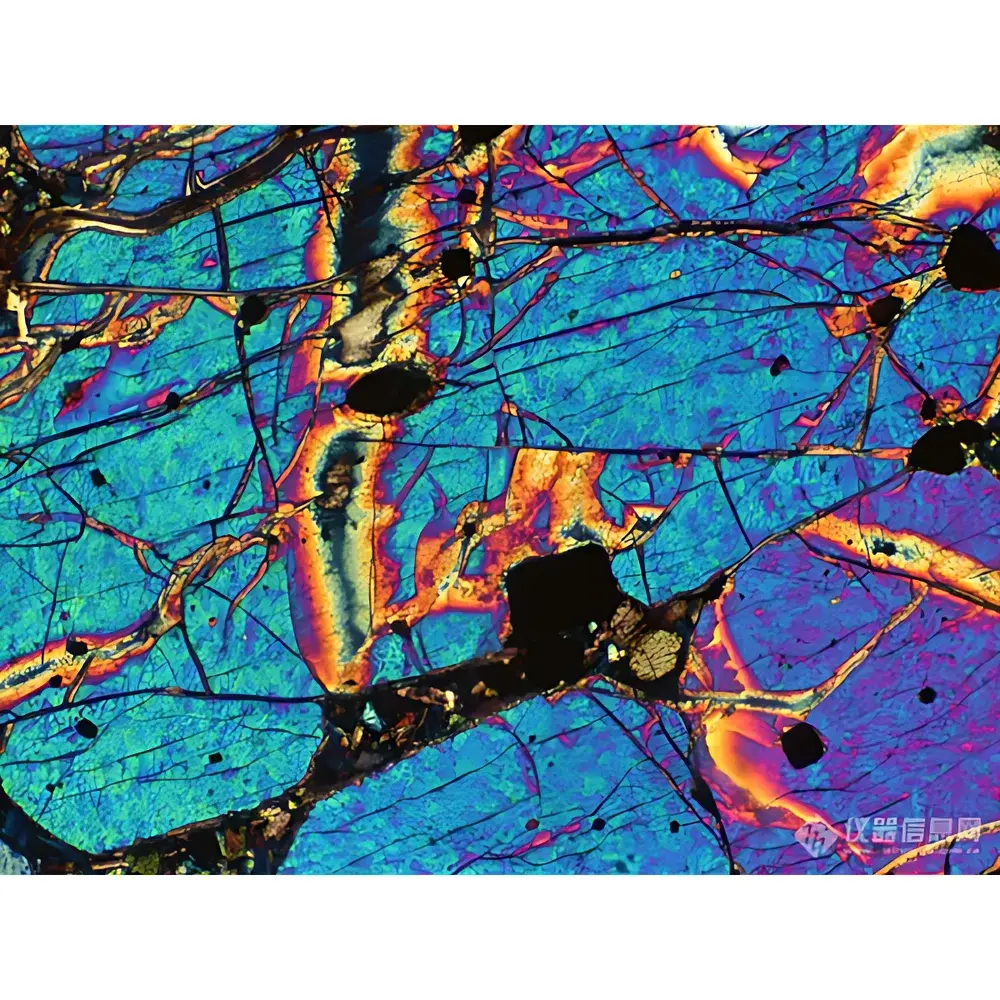
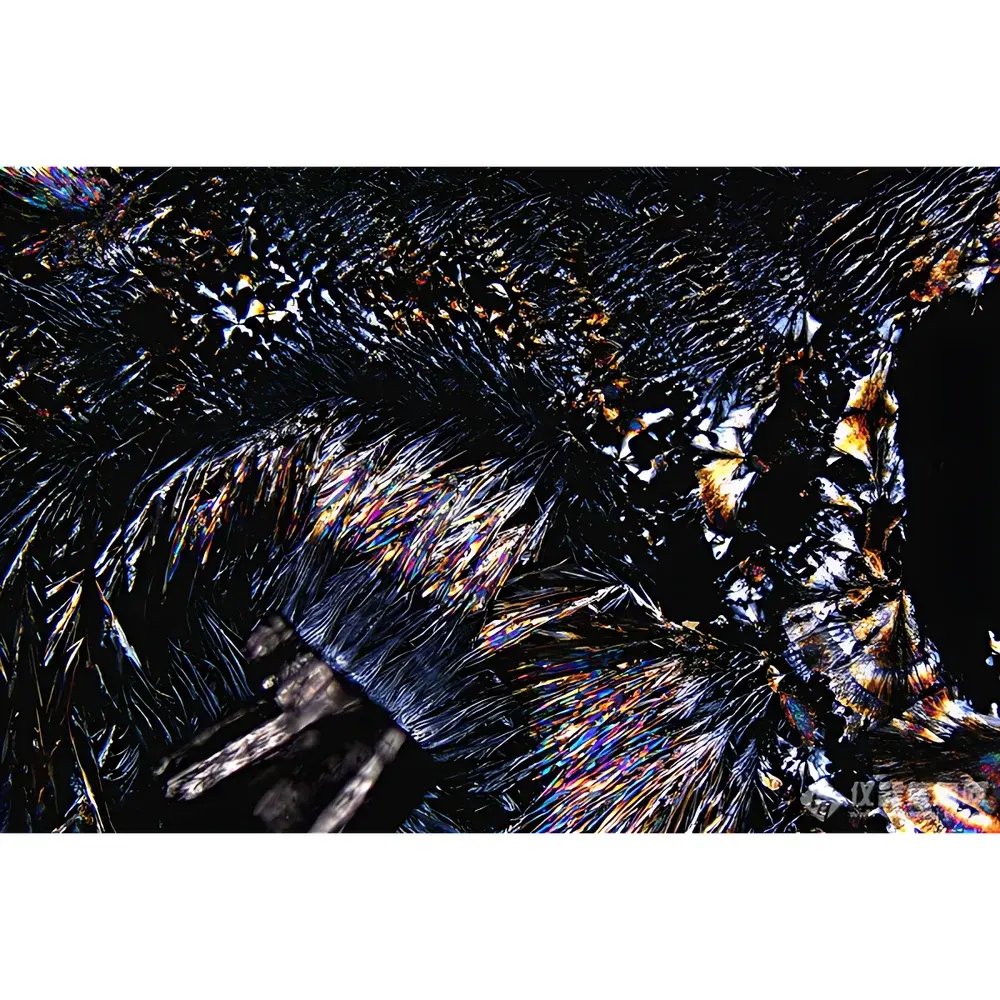
The LEI-TECH LK53P-LRT600 is a research-grade upright polarizing microscope engineered for high-fidelity birefringence analysis across extreme thermal conditions. It integrates an advanced infinity-corrected optical architecture (UISC) with a fully synchronized cryo-heating stage capable of continuous operation from liquid nitrogen temperatures (–196 °C) to 600 °C. Unlike conventional polarized light microscopes limited to ambient or modest thermal ranges, the LK53P-LRT600 employs a thermally decoupled optical train and vacuum-compatible stage design to maintain optical alignment and polarization fidelity during rapid thermal transients. Its core measurement principle relies on quantitative interference contrast in anisotropic materials—leveraging precise retardation calibration via built-in λ and λ/4 compensators, calibrated analyzer rotation (±6′ angular accuracy), and real-time birefringence quantification. This system is purpose-built for dynamic studies of solid-state phase transitions, fluid inclusion behavior in geological specimens, thermal expansion anisotropy in functional ceramics, and stress-induced birefringence in polymer composites.
Key Features
- Infinity-corrected universal imaging system (UISC) with dual-path illumination: transmitted Köhler illumination (12 V/100 W halogen, pre-centered) and reflected epi-illumination with adjustable field and aperture diaphragms
- High-precision polarizing optics: rotatable analyzer (360°, 2° graduations, ±6′ repeatability), four-position rotatable polarizer in condenser, and interchangeable compensators (first-order red λ plate, λ/4 plate, and I–IV order quartz wedge)
- Integrated cryo-heating stage with ±0.1 °C temperature resolution and ±0.1 °C thermal stability; compatible with standard microscope slides and custom sample holders; optical aperture diameter 2 mm
- Mechanical XY stage with ±6 mm travel range, 360° rotatable graphite-coated platform, and fine positioning verniers
- 20 MP liquid-nitrogen-cooled CMOS imaging system with native 5440 × 3648 resolution, enabling low-noise acquisition at extended exposure durations required for low-light birefringence imaging
- Real-time computational imaging capabilities: Extended Focus Imaging (EFI) for depth-resolved birefringence stacks and Multi-Image Alignment (MIA) for seamless wide-field mosaic reconstruction
Sample Compatibility & Compliance
The LK53P-LRT600 accommodates standard 24 × 50 mm and 26 × 76 mm glass slides, as well as custom metallurgical mounts and encapsulated fluid inclusion samples. Its stage geometry supports both transmission-mode mineral thin sections and reflection-mode high-temperature metallographic specimens (e.g., in-situ austenite–martensite transformation studies). The system complies with ISO 10934-1 (microscopy — terminology for polarized light microscopy) and ASTM D4124 (standard test method for birefringence of polymeric films). All optical components meet RoHS Directive 2011/65/EU and REACH Annex XVII requirements. The temperature stage conforms to IEC 61000-4-2 (ESD immunity) and IEC 61000-4-3 (radiated RF immunity), ensuring stable operation in shared laboratory environments. Data acquisition workflows support audit-trail generation per GLP and GMP guidelines when used with validated software configurations.
Software & Data Management
The bundled LEI-Vision Pro software provides a modular, scriptable environment for polarization metrology. Core modules include Birefringence Quantification (BQ), Thermal Phase Mapping (TPM), and Orientation Distribution Function (ODF) calculation. All image metadata—including temperature timestamp, analyzer angle, compensator selection, and objective ID—are embedded in TIFF headers compliant with OME-TIFF v0.4 standards. Export formats include CSV (for retardation vs. temperature curves), HDF5 (for multi-dimensional time-lapse birefringence stacks), and PDF reports with embedded calibration certificates. Software supports 21 CFR Part 11-compliant user authentication, electronic signatures, and immutable audit logs when deployed on domain-joined Windows systems with group policy enforcement.
Applications
- Geosciences: In-situ observation of fluid inclusion homogenization, melt crystallization sequences, and strain-induced twin formation in quartz and feldspar under controlled P–T conditions
- Materials Science: Real-time monitoring of ferroelectric domain switching in BaTiO₃, nematic-to-isotropic transitions in liquid crystals, and thermal hysteresis in shape-memory alloys
- Pharmaceuticals: Polymorph identification and phase stability assessment of active pharmaceutical ingredients (APIs) during heating/cooling cycles, aligned with USP and ICH Q5A guidelines
- Polymers & Composites: Quantitative mapping of residual stress distribution in injection-molded parts and fiber orientation in carbon-reinforced thermoplastics
- Electronics: Thermal degradation analysis of dielectric layers in multilayer ceramic capacitors (MLCCs) and interfacial delamination kinetics in wafer-level packaging
FAQ
What temperature uniformity can be achieved across the Ø16 mm sample area?
At steady state, radial temperature deviation is ≤ ±0.3 °C within the central Ø10 mm region, verified by calibrated platinum resistance thermometer (PRT) mapping per ASTM E220.
Is the system compatible with third-party spectroscopic accessories (e.g., Raman or PL coupling)?
Yes—the optical path includes standardized C-mount and SM1-threaded ports; the 2 mm aperture and 4.5 mm minimum objective working distance accommodate most commercial fiber-optic spectrometer couplers.
Can the software export data in formats suitable for MATLAB or Python post-processing?
All raw image stacks and measurement tables are exportable as HDF5 or NumPy-compatible binary arrays, with full metadata preserved in JSON sidecar files.
What maintenance intervals are recommended for the cryo-heating stage?
Annual recalibration of the integrated PRT sensor and vacuum integrity check of the stage housing are advised; no routine lubrication or optical realignment is required under normal usage.
Does the microscope support automated acquisition protocols for temperature-ramped experiments?
Yes—LEI-Vision Pro includes a programmable thermal ramp scheduler that synchronizes stage temperature setpoints, image capture triggers, analyzer rotation, and compensator insertion in user-defined sequences.






