
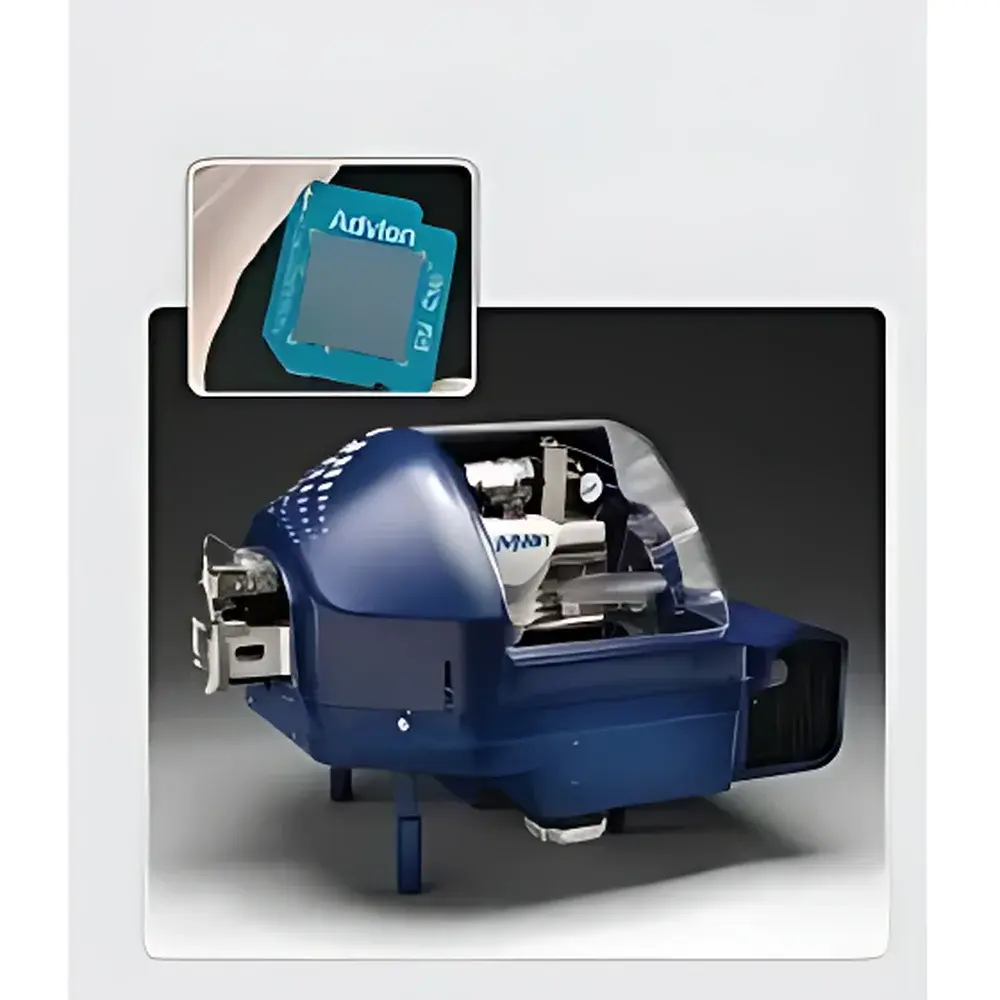
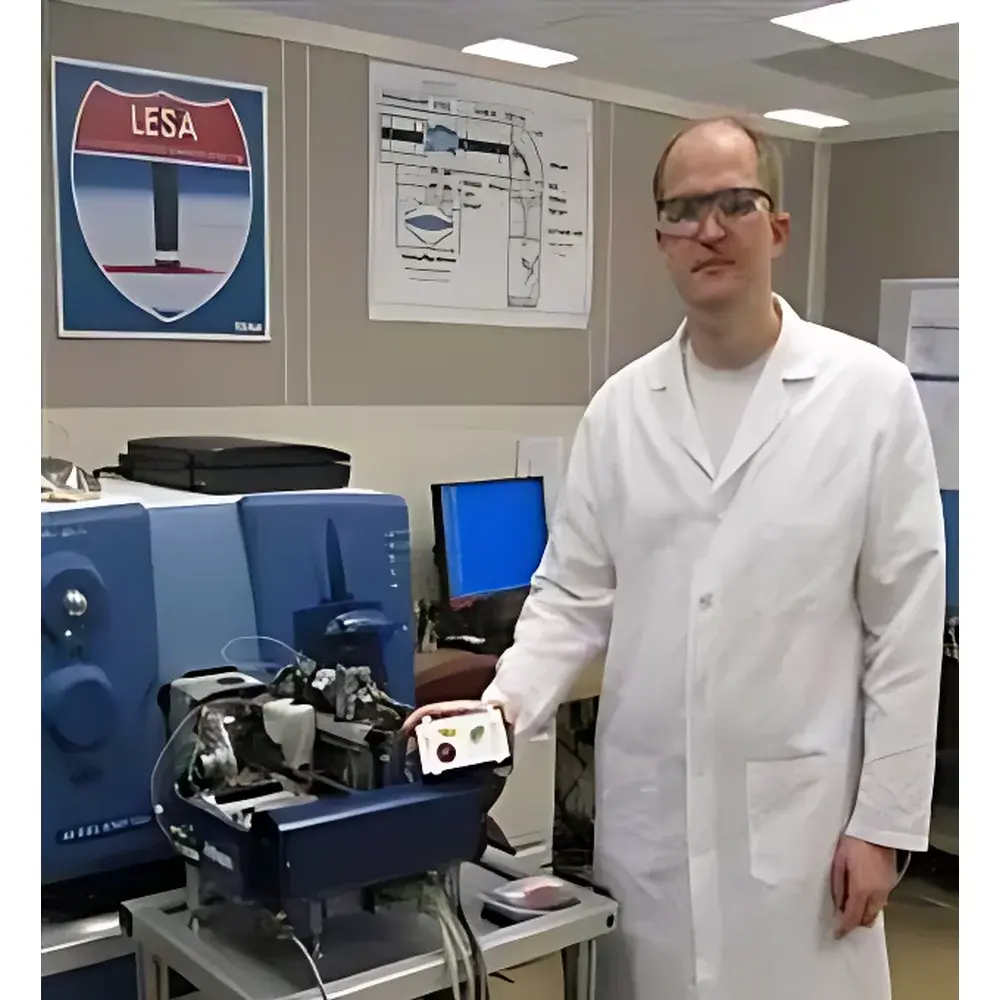
LESA Liquid Extraction Surface Analysis Mass Spectrometry System
| Brand | Advion |
|---|---|
| Origin | USA |
| Model | TriVersa NanoMate® |
| Instrument Type | Chip-Based Nanoelectrospray Ion Source |
| Mass Range | 100 Da – 100 kDa |
| Sensitivity | Dependent on Coupled Mass Spectrometer |
| Resolution | Dependent on Coupled Mass Spectrometer |
| Accurate Mass Capability | Dependent on Coupled Mass Spectrometer |
| Compliance | ASTM E2915, ISO/IEC 17025 (when operated in GLP/GMP environments), FDA 21 CFR Part 11–ready software architecture |
Overview
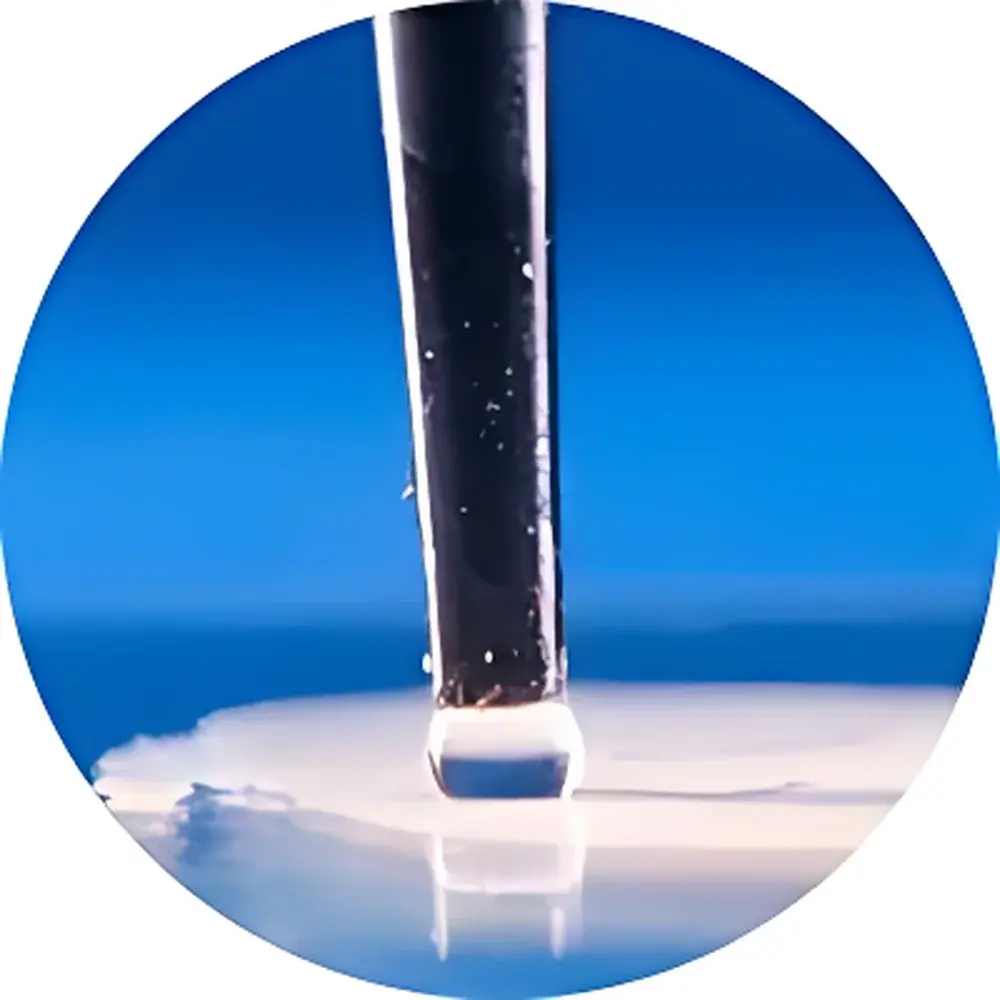
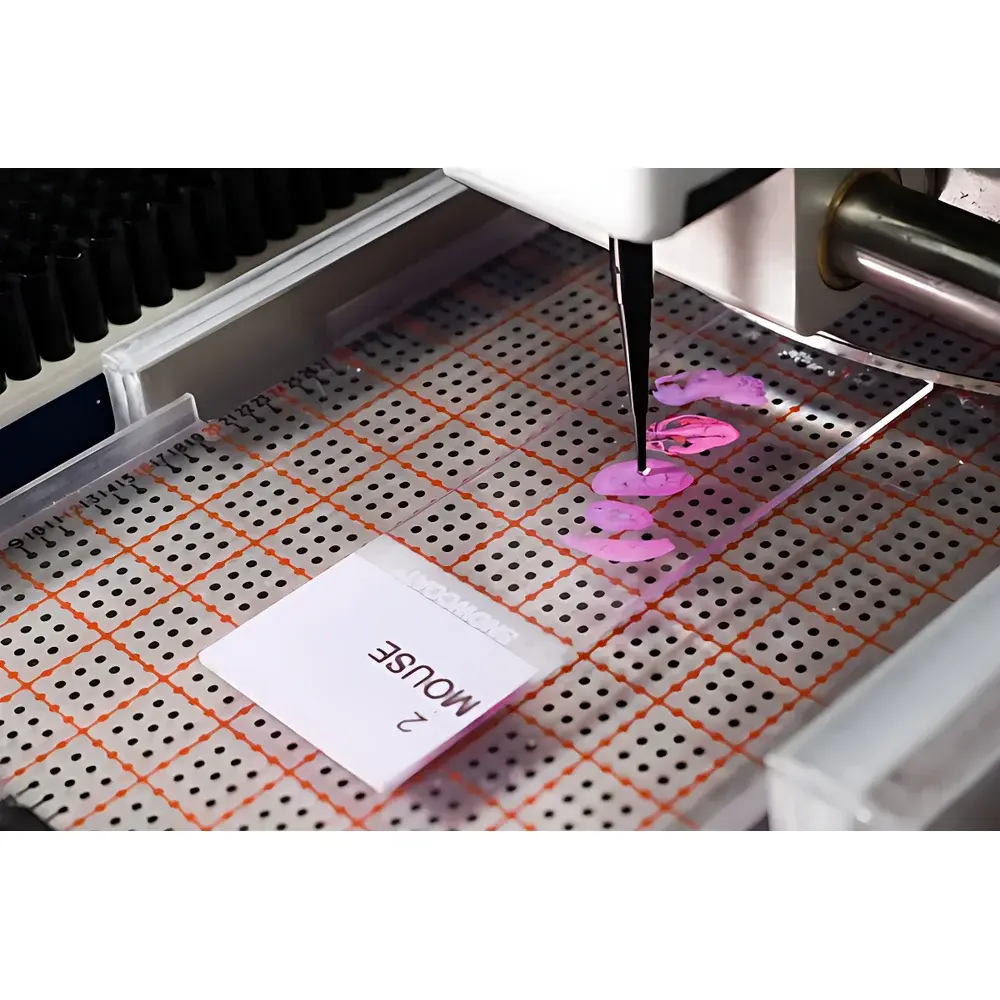
The LESA Liquid Extraction Surface Analysis Mass Spectrometry System integrates Advion’s proprietary TriVersa NanoMate® (TVNM) — a chip-based nanoelectrospray ionization (nanoESI) platform — with Liquid Extraction Surface Analysis (LESA) technology originally developed at Oak Ridge National Laboratory (ORNL). This system enables direct, ambient, and spatially resolved molecular analysis of solid-phase or semi-solid biological samples without conventional sample preparation. Unlike traditional LC-MS workflows, the LESA-MS platform performs localized solvent microextraction directly from surfaces — including tissue sections, dried blood spots, TLC plates, MALDI targets, and pharmaceutical dosage forms — followed by on-chip nanoESI ionization and real-time MS/MS detection. The core measurement principle relies on controlled droplet delivery (typically 0.2–2 µL), precise digital positioning (±5 µm accuracy), and reproducible chip-based electrospray, delivering high-fidelity spectral data for qualitative and quantitative profiling across proteomics, lipidomics, metabolomics, and spatial omics applications.
Key Features
- Five integrated operational modes: Chip-based Infusion, Online LC-MS (oLC-MS), Fraction Collection, LESA, and LESA Plus (LESA + online chromatographic separation)
- 400-nozzle monolithic silicon chip with photolithographically defined emitters ensures batch-to-batch reproducibility and long-term spray stability
- Automated, programmable XYZ robotic stage with optical surface mapping for sub-10 µm spatial registration
- Real-time clog detection and automatic nozzle switching within 3 seconds — enabling unattended operation over >72 hours
- Low dead-volume oLC-MS interface (<50 nL) minimizes peak dispersion and preserves chromatographic resolution
- LESA Plus mode supports inline nanocolumn or microcolumn separation post-extraction, enhancing specificity for complex matrix analysis
- Fully compatible with high-resolution mass spectrometers (Orbitrap, Q-TOF, FT-ICR) and tandem MS platforms (triple quadrupole, QTRAP)
Sample Compatibility & Compliance
The LESA NanoMate system accepts a broad range of native or minimally processed samples: frozen or FFPE tissue sections, bacterial colonies, plant cuticles, pharmaceutical tablets, forensic swabs, and ambient desorption substrates. It supports both hydrophobic (e.g., reversed-phase TLC, tissue membranes) and hydrophilic surfaces (e.g., paper-based DBS, normal-phase silica, MALDI plates). All operational protocols adhere to analytical validation frameworks aligned with ICH M10, USP , and ISO/IEC 17025 requirements. When deployed with audit-trail-enabled software, the system meets FDA 21 CFR Part 11 criteria for electronic records and signatures in regulated environments such as clinical biomarker discovery and pharmaceutical QC labs.
Software & Data Management
Advion’s NanoMate Control Software provides intuitive method scripting for multi-step workflows, including automated LESA grid acquisition, dynamic fraction collection triggers, and synchronized oLC gradient programming. Raw data export conforms to open standards (mzML, mzXML), ensuring interoperability with third-party processing tools (Skyline, MaxQuant, LipidSearch, Compound Discoverer). Built-in metadata tagging supports GLP-compliant experiment tracking, including operator ID, instrument calibration logs, solvent lot numbers, and positional coordinates per extraction site. Data integrity is enforced via cryptographic hash generation and time-stamped audit trails — fully traceable during regulatory inspections.
Applications
- Spatially resolved lipidomics and metabolomics in brain, liver, and tumor tissue sections
- Direct analysis of antibody-drug conjugates (ADCs) and post-translational modifications (PTMs) from gel bands or PVDF membranes
- High-throughput screening of drug candidates using dried blood spot (DBS) cards
- Re-analysis of archived MALDI plates for retrospective compound identification
- Surface contamination mapping in pharmaceutical manufacturing environments
- Metabolite distribution profiling in plant leaves and root tissues under stress conditions
- Microbial surface metabolite characterization without culture expansion
FAQ
Is the TriVersa NanoMate compatible with my existing mass spectrometer?
Yes — the system interfaces seamlessly with all major high-resolution and tandem mass spectrometers via standard ESI source ports. No hardware modification is required.
What is the typical sample throughput for LESA imaging experiments?
A full 1 cm × 1 cm tissue section at 100 µm spatial resolution requires ~2–4 hours, depending on dwell time and MS acquisition settings. Automated overnight runs are routine.
Can LESA be used for quantitative analysis?
Yes — when combined with stable isotope-labeled internal standards added prior to extraction or co-spotted on adjacent regions, LESA enables semi-quantitative and absolute quantitation with RSDs <15% across technical replicates.
Does the system require specialized training for operation?
Basic operation can be mastered in one day; advanced method development and imaging optimization typically require 2–3 days of hands-on training, available through Advion-certified application scientists.
How is system performance verified and maintained?
Daily QC includes tuning with angiotensin II and reserpine, followed by automated signal intensity and mass accuracy checks. Annual PM includes chip alignment verification, robotic stage calibration, and vacuum integrity testing per ISO 13485 guidelines.




