
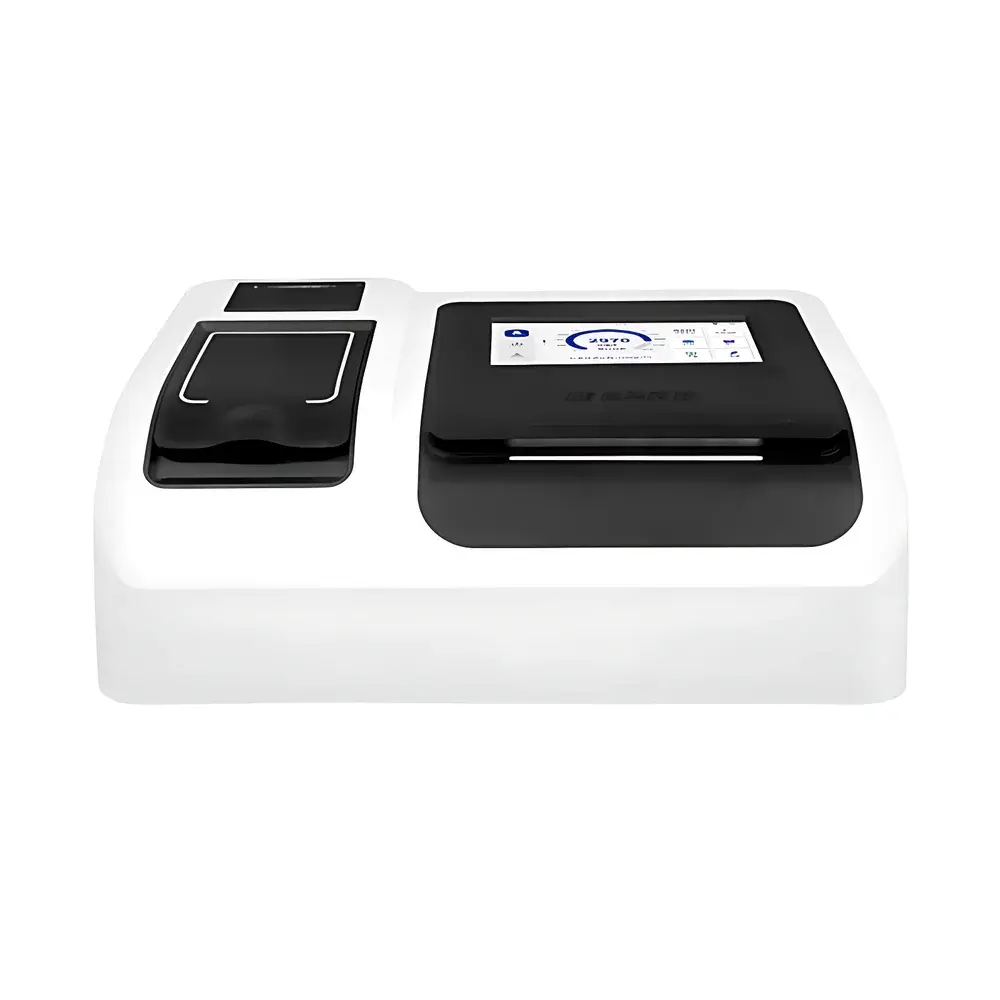
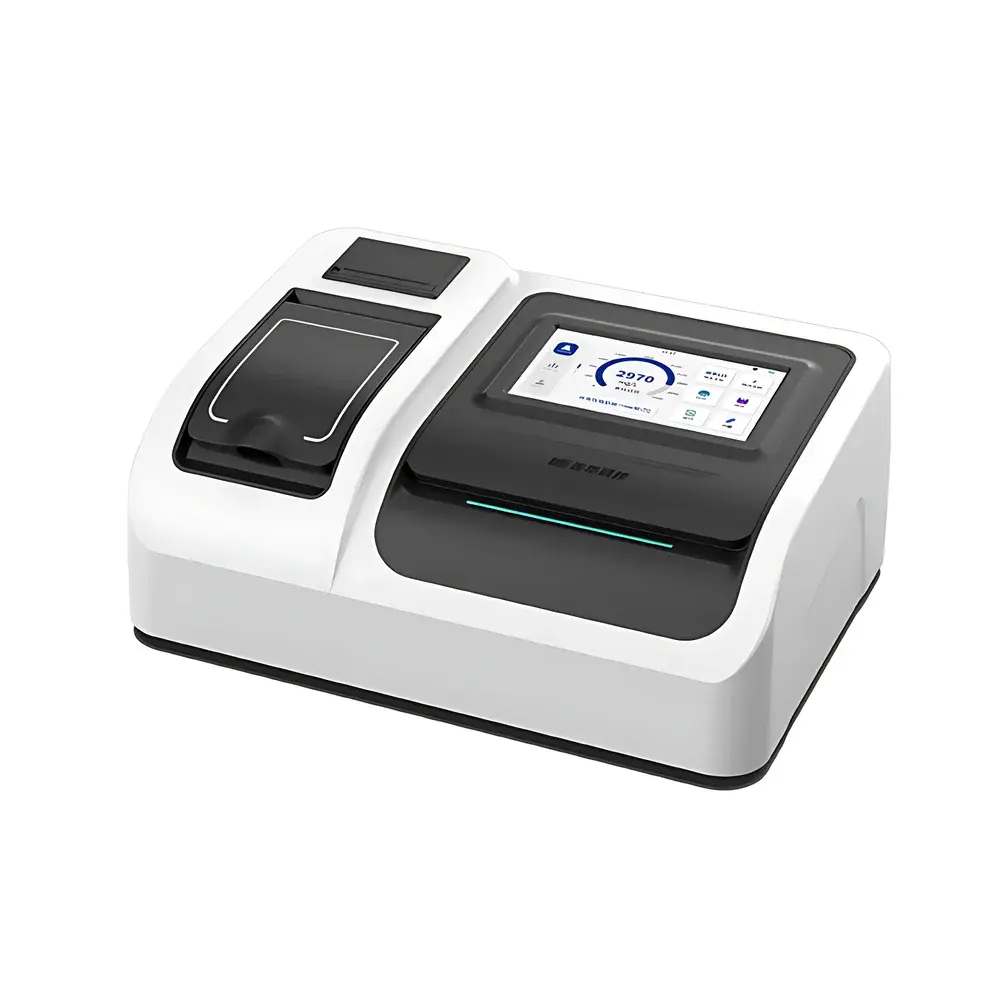
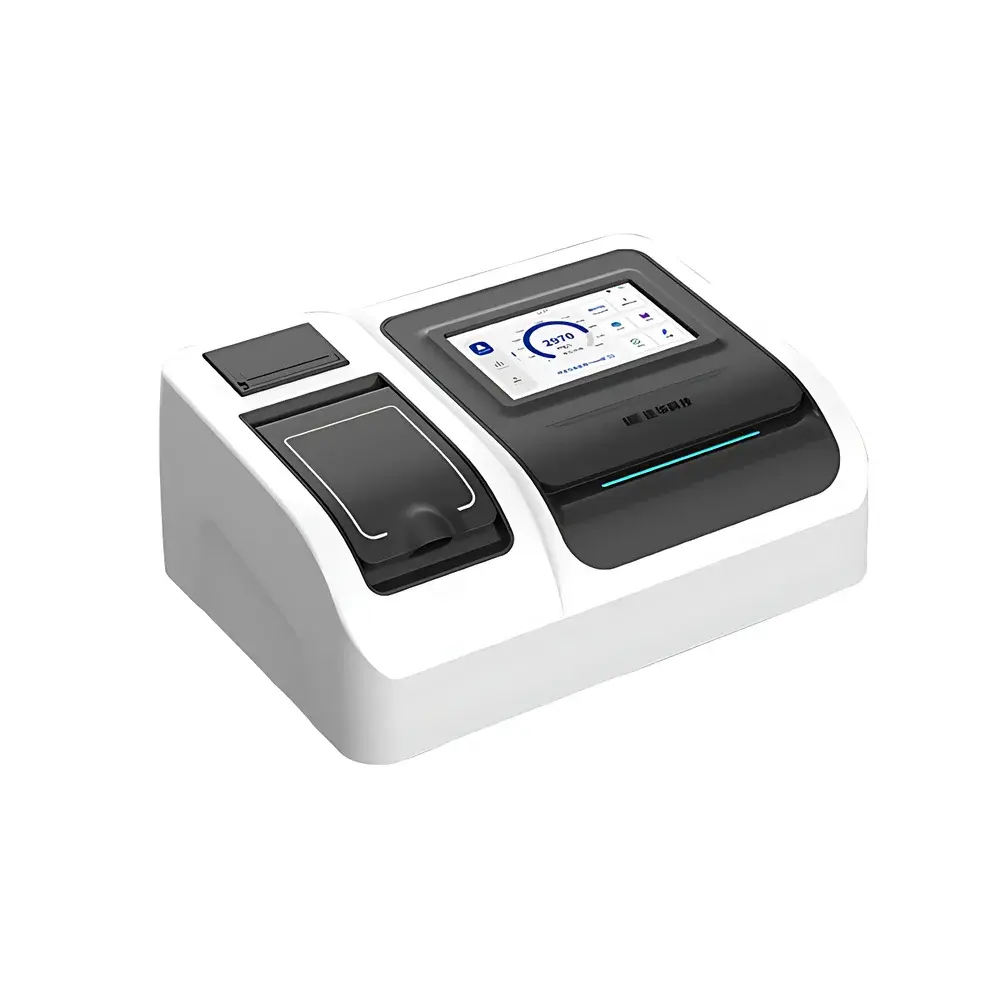
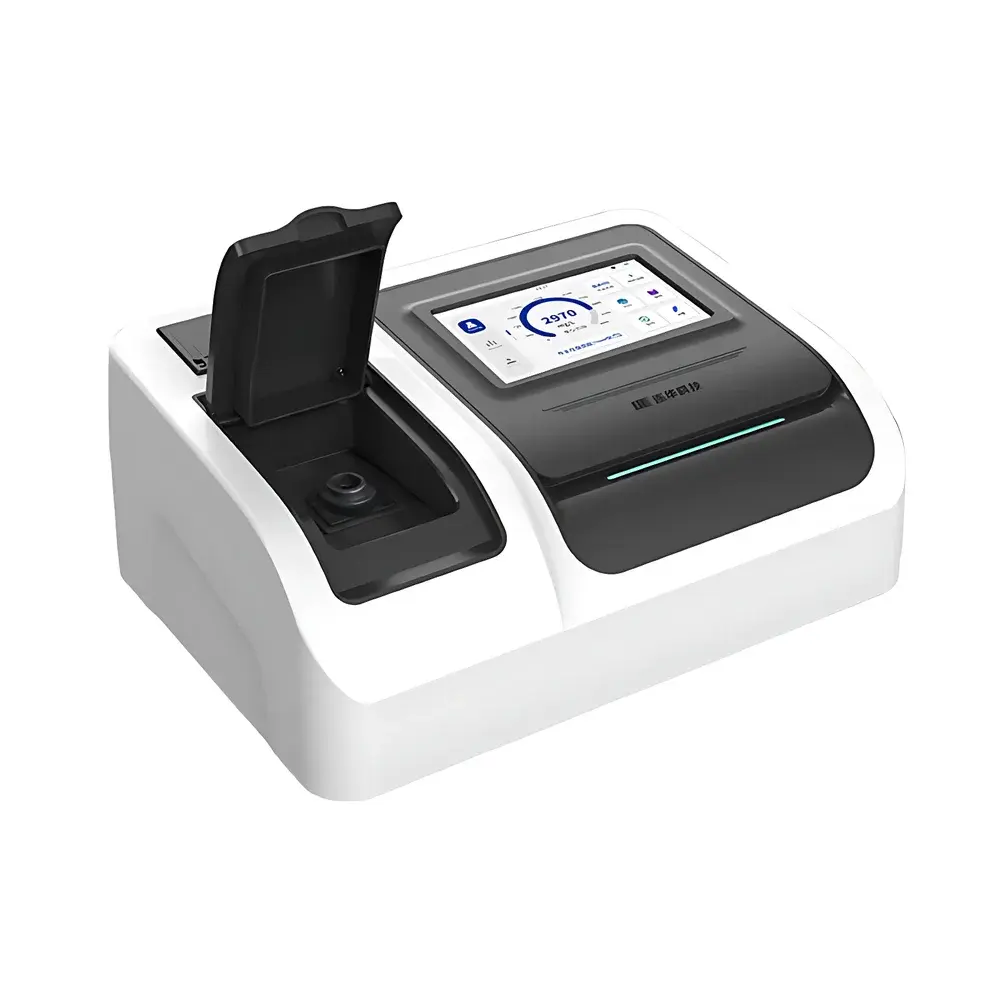
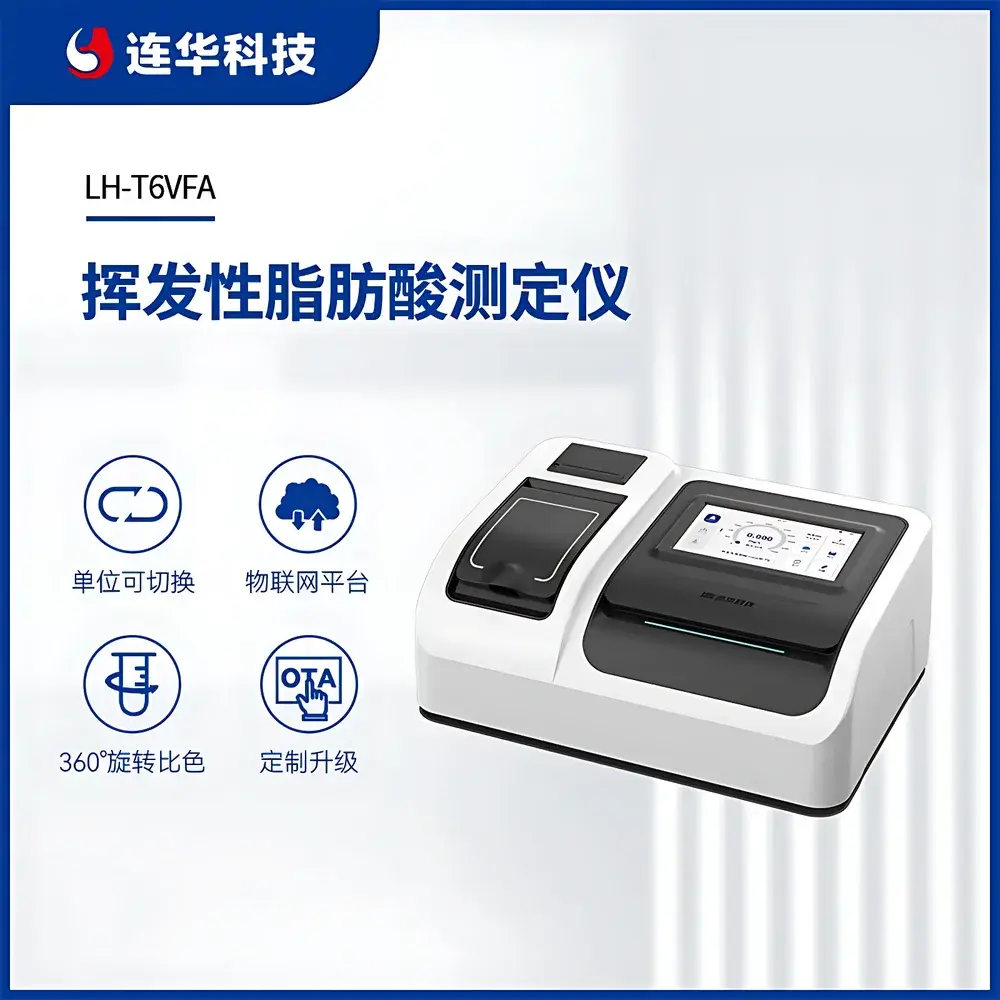
Lianhua LH-T6VFA Volatile Fatty Acids (VFA) Analyzer – Qingmiao Series
| Brand | Lianhua |
|---|---|
| Origin | Beijing, China |
| Manufacturer Type | Original Equipment Manufacturer (OEM) |
| Product Category | Domestic |
| Model | LH-T6VFA |
| Instrument Type | Benchtop VFA Analyzer for Laboratory Use |
| Measurement Principle | Esterification-Based Spectrophotometry |
Overview
The Lianhua LH-T6VFA Volatile Fatty Acids (VFA) Analyzer is a dedicated benchtop instrument engineered for rapid, reliable quantification of volatile fatty acids—including acetic, propionic, butyric, and valeric acids—in aqueous environmental and wastewater matrices. Unlike conventional distillation-based methods (e.g., EPA Method 415.3 or ISO 11348), the LH-T6VFA implements a validated esterification-spectrophotometric assay: VFAs are derivatized under controlled thermal conditions with acidic ethylene glycol to form alkyl esters; subsequent reaction with hydroxylamine yields hydroxamic acids, which—under ferric ion catalysis—form stable, chromogenic ferric hydroxamate complexes exhibiting characteristic absorbance at 500–520 nm. This chemistry eliminates time-intensive steam distillation, enabling full sample-to-result turnaround in ≤20 minutes with demonstrated linearity across 0.5–200 mg/L (as acetic acid) and inter-day precision (RSD) <3.2% (n = 12, 50 mg/L standard). Designed for routine compliance monitoring in municipal wastewater treatment plants, anaerobic digestion labs, and environmental testing facilities, the analyzer meets core functional requirements for GLP-aligned operation and supports traceability per ISO/IEC 17025:2017 clause 7.7.
Key Features
- Distillation-free analysis: Eliminates manual distillation setup, reducing operator exposure to hot acidic vapors and minimizing procedural variability.
- High-precision optical detection: 360° rotational cuvette holder ensures consistent light-path alignment and mitigates meniscus-induced photometric error—improving measurement repeatability by up to 10× versus fixed-position systems.
- Multi-unit reporting: Automatic conversion between mass concentration (mg/L) and molar concentration (mmol/L), configurable per user-defined acid equivalency (e.g., as CH₃COOH or total VFA).
- Calibration flexibility: Preloaded with 10 factory-validated calibration curves; users may edit, save, and recall custom curves via intuitive touchscreen interface.
- Dynamic UI with real-time diagnostics: Dashboard-style display includes auto-ranging analog gauges, out-of-range alerts, and step-by-step protocol guidance—reducing training time for new operators.
- Embedded LHOS operating system: Android-based firmware optimized for laboratory instrumentation—featuring deterministic I/O response, secure boot, and OTA-upgradable architecture.
Sample Compatibility & Compliance
The LH-T6VFA accepts clarified liquid samples including raw influent, anaerobic digester supernatant, activated sludge filtrates, and treated effluent (pH 4–9, turbidity <50 NTU). Sample pretreatment requires only centrifugation (3,000 × g, 5 min) or membrane filtration (0.45 µm PVDF); no pH adjustment or chemical preservatives are needed. The method complies with foundational principles of ISO 15683 (water quality — determination of volatile fatty acids) and aligns with QA/QC expectations outlined in US EPA SW-846 Method 9060A (organic acids by derivatization/spectrophotometry). Data integrity is reinforced through electronic audit trails, user-level access control (admin/operator modes), and optional 21 CFR Part 11–compliant signature logging when integrated with certified LIMS platforms.
Software & Data Management
Instrument data—including absorbance values, calculated concentrations, calibration metadata, and timestamped QC checks—are stored locally in encrypted SQLite databases. Built-in Wi-Fi/Ethernet enables seamless export to CSV, PDF, or XML formats. Through optional IoT gateway modules, measurement records can be transmitted directly to enterprise SQL databases or Lianhua Cloud—a secure, ISO 27001–certified SaaS platform supporting role-based dashboards, trend analytics, and automated regulatory report generation (e.g., monthly VFA profiles per NPDES permit conditions). Firmware updates are delivered via over-the-air (OTA) push or USB drive, preserving configuration integrity during version transitions.
Applications
- Real-time monitoring of VFA accumulation in anaerobic digesters to prevent acidification and optimize biogas yield.
- Routine QA screening of influent wastewater to assess biodegradability and predict biological treatment efficiency.
- Research-grade quantification of VFA dynamics in microbial electrolysis cells (MECs) and fermentation bioreactors.
- Compliance verification for discharge permits requiring VFA limits (e.g., EU Urban Wastewater Treatment Directive Annex I, Table 2).
- Educational use in environmental engineering laboratories for teaching advanced spectrophotometric assay development and validation.
FAQ
What sample volume is required for one analysis?
2.0 mL of filtered or centrifuged sample is sufficient per test cycle.
Can the instrument measure individual VFAs (e.g., acetate vs. propionate) separately?
No—the LH-T6VFA reports total volatile fatty acids as a collective parameter based on acetic acid equivalence; speciation requires GC-FID or HPLC-UV analysis.
Is method validation documentation available?
Yes—Lianhua provides a comprehensive validation package including LOD/LOQ determination, spike recovery data (85–112%), matrix interference studies, and inter-laboratory reproducibility reports compliant with ISO Guide 35 and CLSI EP17-A2.
Does the system support integration with third-party LIMS?
Yes—via HL7 v2.x or ASTM E1384-compliant RESTful API endpoints; custom middleware development support is available upon request.
What maintenance is required for long-term operational stability?
Quarterly optical path cleaning, annual photometer verification using NIST-traceable neutral density filters, and biannual replacement of reagent kits (catalog #LH-VFA-KIT-01) are recommended per manufacturer’s service schedule.







