
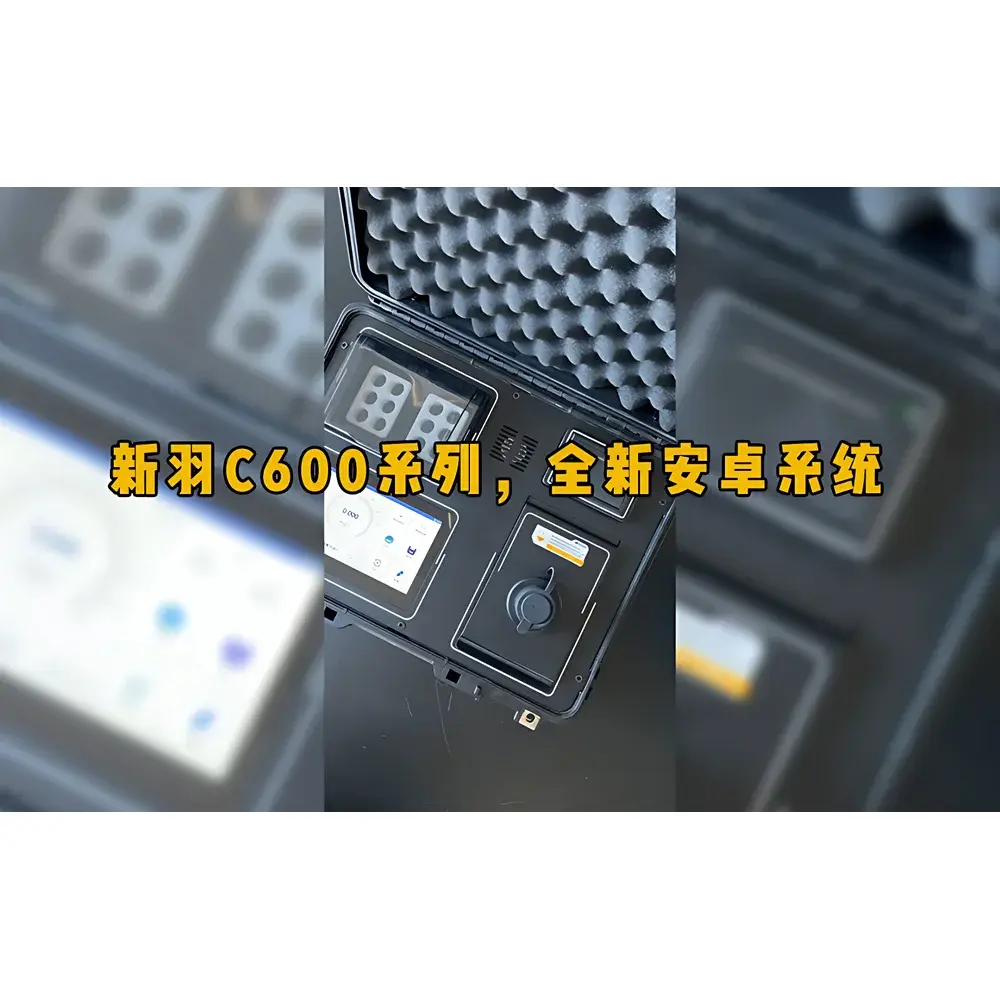
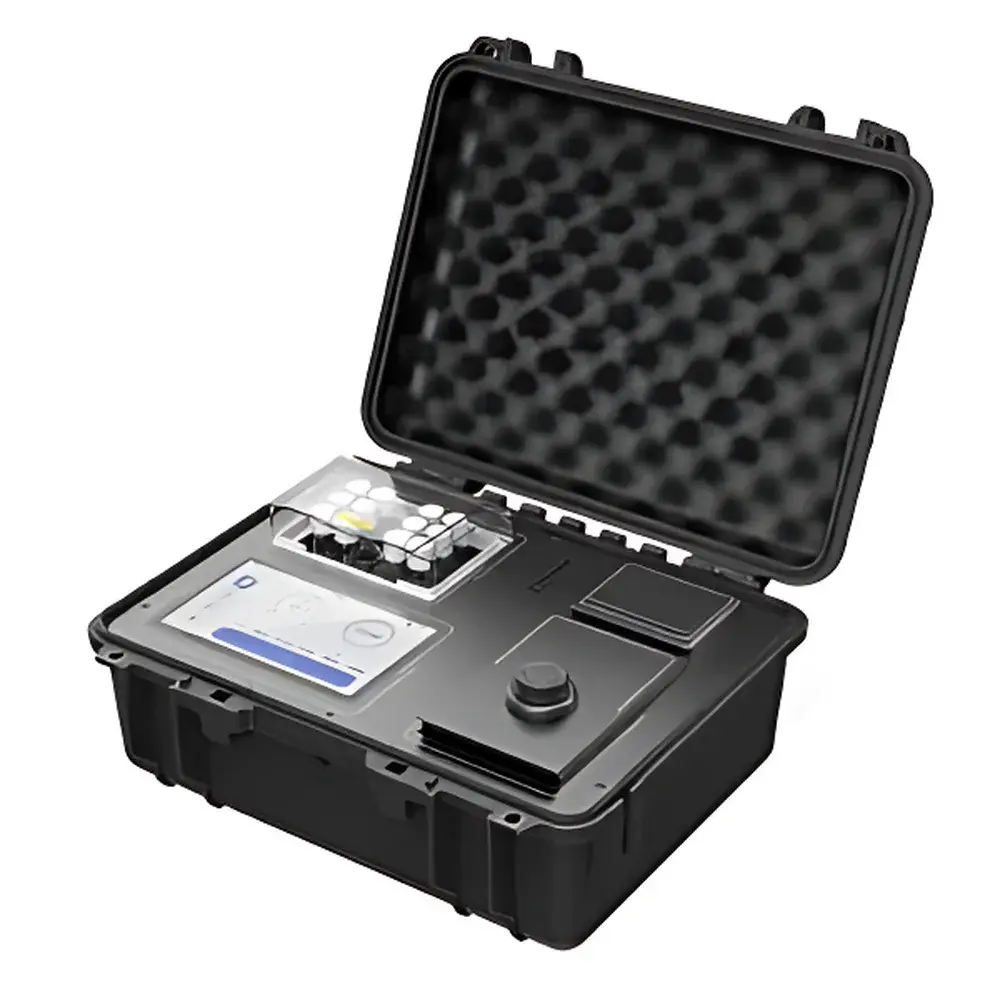
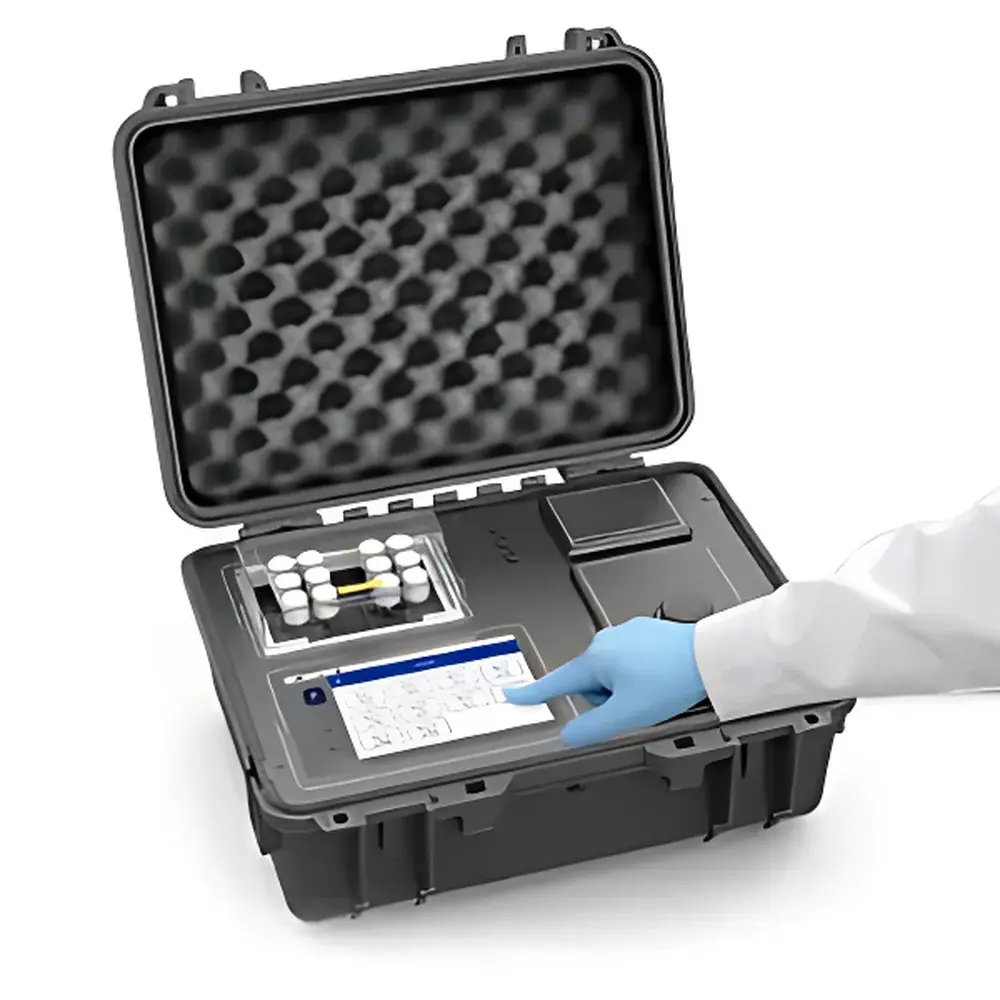
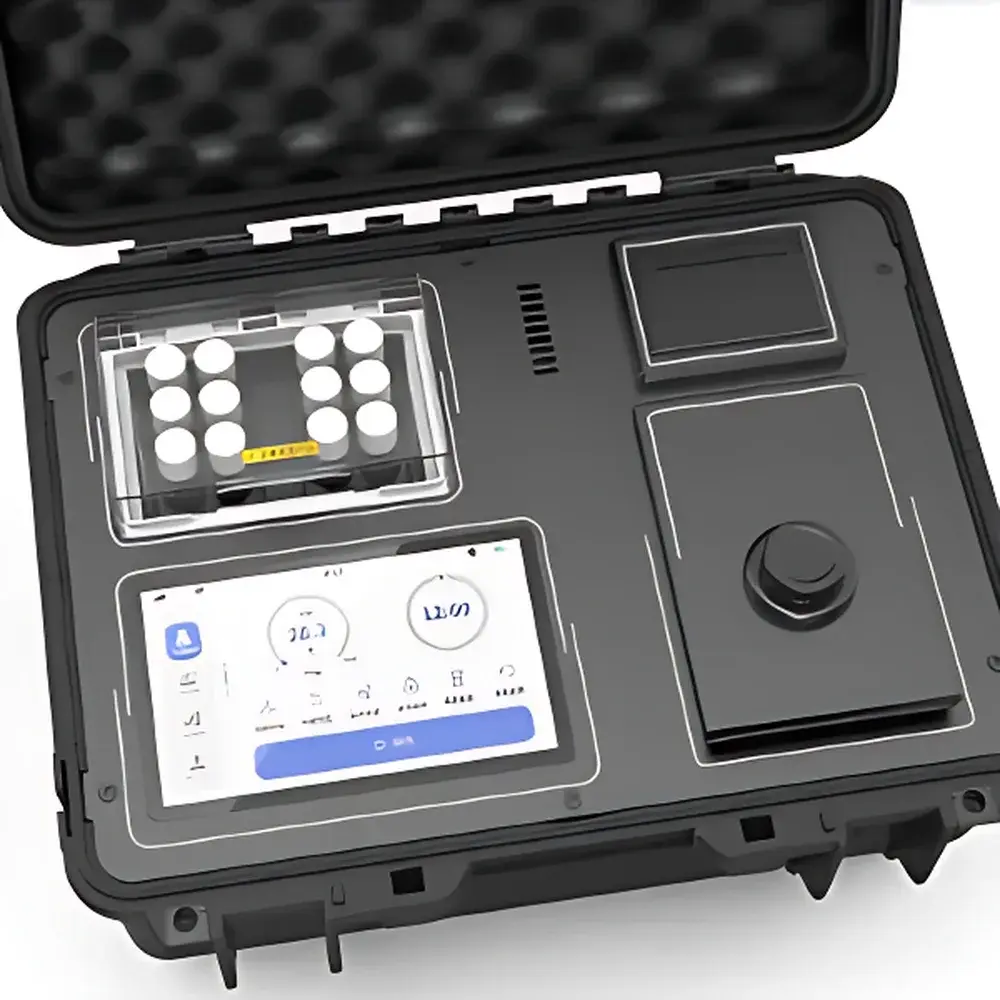
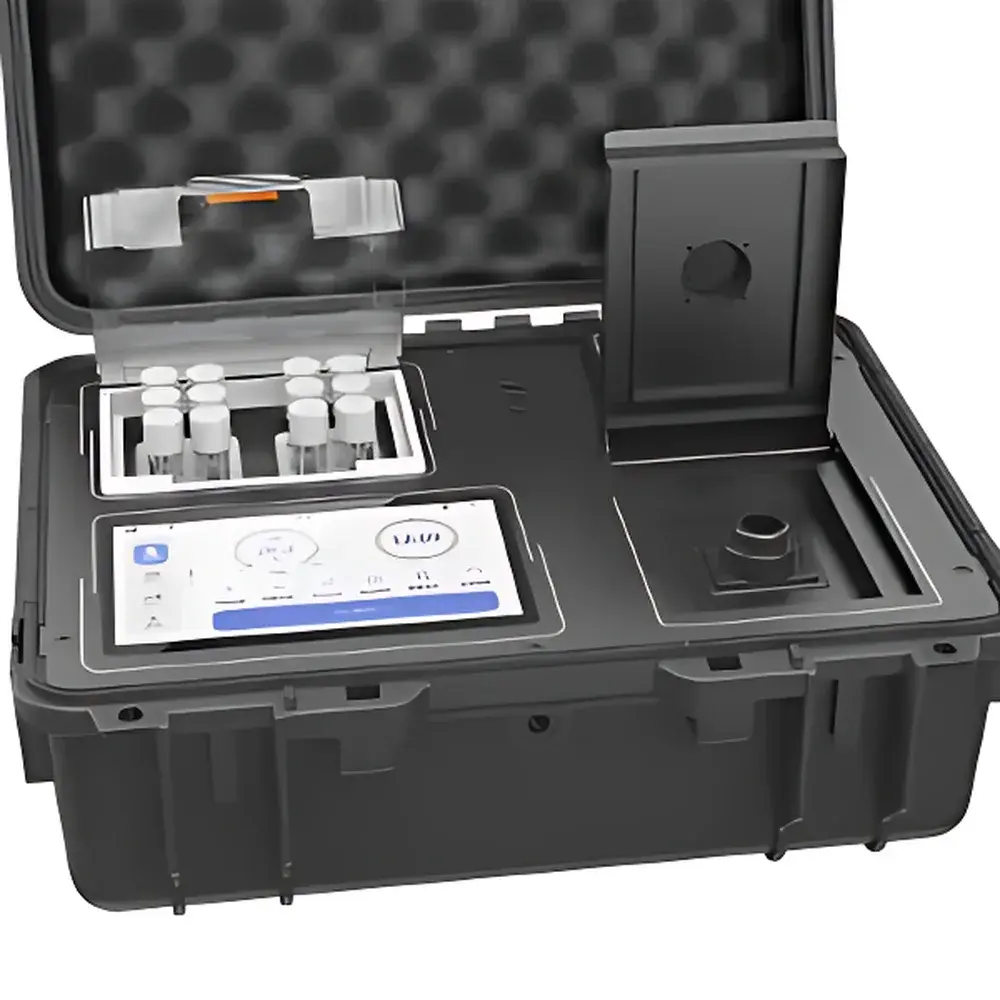
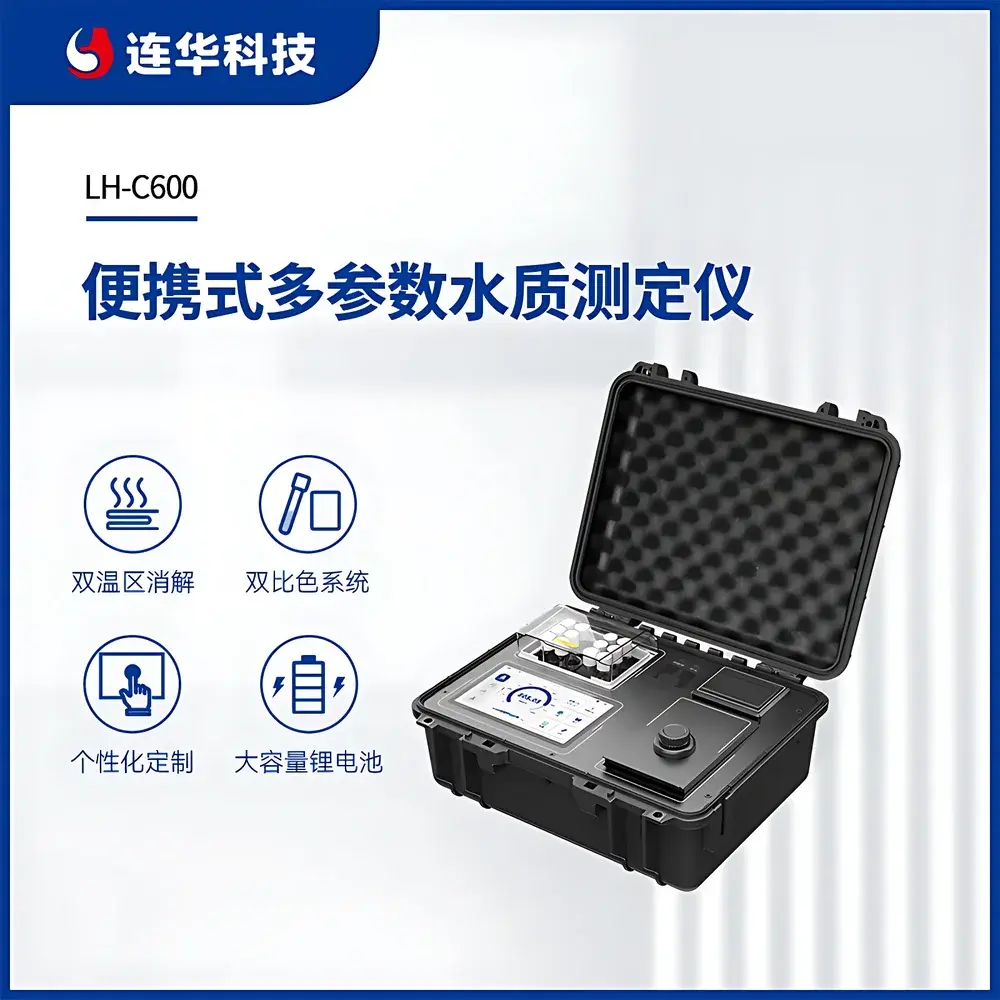
LoHua LH-C600 New Feather Series Portable Multi-Parameter Water Quality Analyzer
| Brand | LoHua |
|---|---|
| Origin | Beijing, China |
| Manufacturer Type | Direct Manufacturer |
| Product Origin | Domestic (China) |
| Model | LH-C600 |
| Instrument Type | Portable / Handheld Water Quality Analyzer |
| Detection Parameters | COD, Ammonia Nitrogen, Total Phosphorus, Total Nitrogen, Turbidity, Color, Suspended Solids, Heavy Metals, Organic & Inorganic Contaminants |
| Compliance Standards | HJ/T 399–2007 (COD), HJ 535–2009 (Ammonia Nitrogen), GB 11893–1989 (Total Phosphorus) |
| Operating System | LHOS (Android-based) |
| Light Sources | 8 LED sources (visible spectrum, fixed wavelengths) |
| Digestion Unit | Integrated dual-zone 12-position heater (6+6), supporting 16 mm / 25 mm tubes and 10 mm / 30 mm cuvettes |
| Power Supply | Rechargeable lithium battery (≥8 h continuous operation off-grid) |
| Connectivity | 4G, Wi-Fi, GNSS (BeiDou, GPS, GLONASS, Galileo) |
| Calibration | User-definable multi-point/single-point curve calibration with auto-log and recall |
| Customization | 20 user-defined test methods |
Overview
The LoHua LH-C600 New Feather Series is a field-deployable, multi-parameter water quality analyzer engineered for regulatory-grade environmental monitoring in non-laboratory settings. It operates on the principle of spectrophotometric analysis—leveraging fixed-wavelength visible-light LED sources (8 discrete channels) to quantify analyte concentrations via absorbance measurement following standardized colorimetric or digestion-colorimetric reactions. Designed specifically for compliance with Chinese national environmental standards—including HJ/T 399–2007 (COD), HJ 535–2009 (ammonia nitrogen), and GB 11893–1989 (total phosphorus)—the instrument delivers direct concentration readouts without manual calculation. Its integrated digestion module enables complete sample pretreatment (e.g., persulfate oxidation for total nitrogen, molybdenum blue reaction for total phosphorus) within the same unit, eliminating inter-device transfer errors and ensuring procedural integrity under variable ambient conditions.
Key Features
- Integrated dual-zone digestion system: 12-position heating block (6+6 independent temperature zones) supports simultaneous digestion of multiple sample types at optimized temperatures (e.g., 165 °C for COD, 120 °C for total phosphorus), reducing cross-contamination risk and improving throughput.
- Rotational tube-cuvette optical alignment: 360° motorized rotation during tube-based measurements minimizes path-length variance and cell-wall interference, enhancing repeatability (RSD ≤3% for COD at 100 mg/L).
- LHOS operating system: Android-based firmware with embedded GNSS geotagging, real-time data timestamping, and offline-capable method storage—enabling auditable field workflows even without network connectivity.
- Calibration traceability framework: All curve calibrations (single-point or multi-point) are automatically timestamped, logged with operator ID (if enabled), and stored with metadata (reagent lot, digestion time, ambient temperature), supporting GLP-aligned documentation requirements.
- Modular optical architecture: Interchangeable 16 mm / 25 mm tube holders and 10 mm / 30 mm cuvette seats allow seamless transition between high-sensitivity low-volume assays and turbidity/color measurements requiring larger path lengths.
- Field-hardened power management: Internal Li-ion battery (≥12,000 mAh) sustains ≥8 hours of continuous operation—including digestion cycles, spectral acquisition, and data transmission—without external power, validated per IEC 60068-2-64 shock/vibration testing.
Sample Compatibility & Compliance
The LH-C600 accommodates raw surface water, wastewater effluent, drinking water pre-filtrates, and groundwater samples across pH 2–12 and turbidity up to 1000 NTU (with optional dilution protocols). Its digestion and detection protocols align with nationally accredited methodologies: COD quantification follows closed-reflux dichromate oxidation (HJ/T 399–2007); ammonia nitrogen employs the salicylate-hypochlorite method (HJ 535–2009); total phosphorus utilizes ammonium molybdate spectrophotometry after alkaline persulfate digestion (GB 11893–1989). The instrument has undergone verification by the National Institute of Metrology (NIM) of China and carries a certified metrological verification report (No. NM-2023-LH600-0892), confirming linearity (r² ≥0.999), repeatability, and inter-instrument consistency per JJF 1001–2011 General Requirements for Metrological Terminology.
Software & Data Management
LHOS provides native support for CSV export, Bluetooth/Wi-Fi/4G data upload to LoHua Cloud or local LIMS via HTTPS REST API. Audit trails include full calibration history, method version logs, and GNSS-tagged measurement coordinates—fully compliant with ISO/IEC 17025:2017 Clause 7.7 (result reporting) and compatible with FDA 21 CFR Part 11–ready environments when deployed with enterprise identity management. Raw absorbance spectra (340–850 nm, 1 nm resolution) and processed concentration values are stored with SHA-256 checksums to prevent tampering. Firmware updates are cryptographically signed and delivered over TLS 1.2+.
Applications
The LH-C600 serves municipal environmental monitoring stations conducting routine river/lake surveys; third-party testing laboratories performing on-site wastewater compliance checks; emergency response teams assessing post-disaster water safety; and research institutions validating decentralized treatment systems. Its portability and dual-digestion capability make it particularly suited for longitudinal field studies where temporal resolution (e.g., diurnal nutrient flux tracking) and spatial coverage (e.g., watershed-scale sampling grids) demand instrument mobility without sacrificing analytical rigor.
FAQ
Does the LH-C600 support ASTM or ISO standard methods?
It implements Chinese national standards (HJ and GB series) as primary reference methods. While not pre-certified for ASTM D1252 (COD) or ISO 15681-1 (phosphorus), its optical performance and digestion kinetics are functionally equivalent; method equivalence validation reports are available upon request.
Can custom calibration curves be exported and shared between instruments?
Yes—curves are saved in .lhc format and can be transferred via USB or cloud sync. Each curve includes reagent batch IDs, digestion parameters, and wavelength assignments to ensure reproducibility across units.
Is the instrument suitable for marine or high-salinity samples?
Salinity up to 35 ppt does not interfere with COD, ammonia nitrogen, or total phosphorus assays when using recommended matrix-matched calibration standards; chloride interference in COD testing is mitigated by mercury-free Ag⁺-based masking agents included in LoHua’s COD-HR reagent kits.
What maintenance is required for the LED light sources?
No routine replacement is needed—the 8-channel LED array is rated for >50,000 hours of operation. Intensity drift is monitored daily during startup self-test; automatic compensation occurs if deviation exceeds ±1.5% of baseline.
How is data integrity ensured during offline field use?
All measurements are written to encrypted internal NAND flash with journaling. Upon reconnection, timestamps, GNSS coordinates, and operator IDs are synchronized with the central server without overwriting original local records.







