
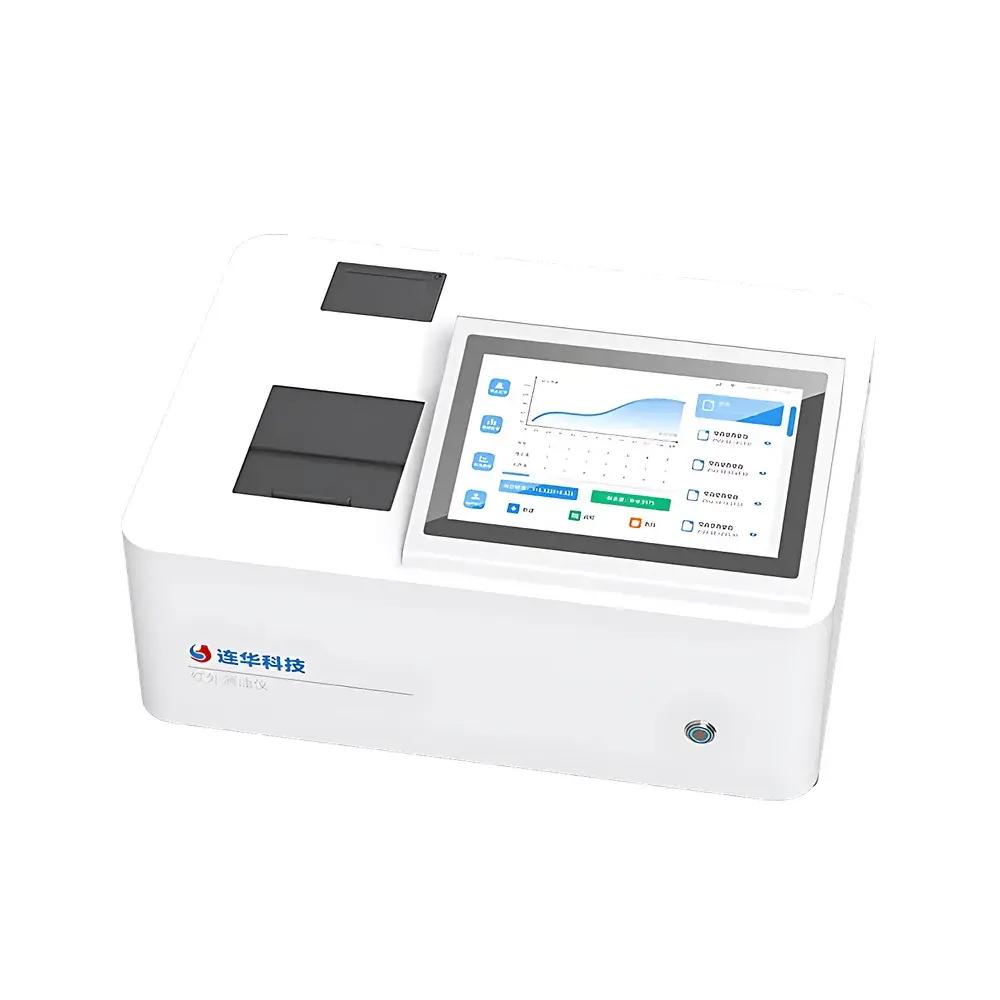
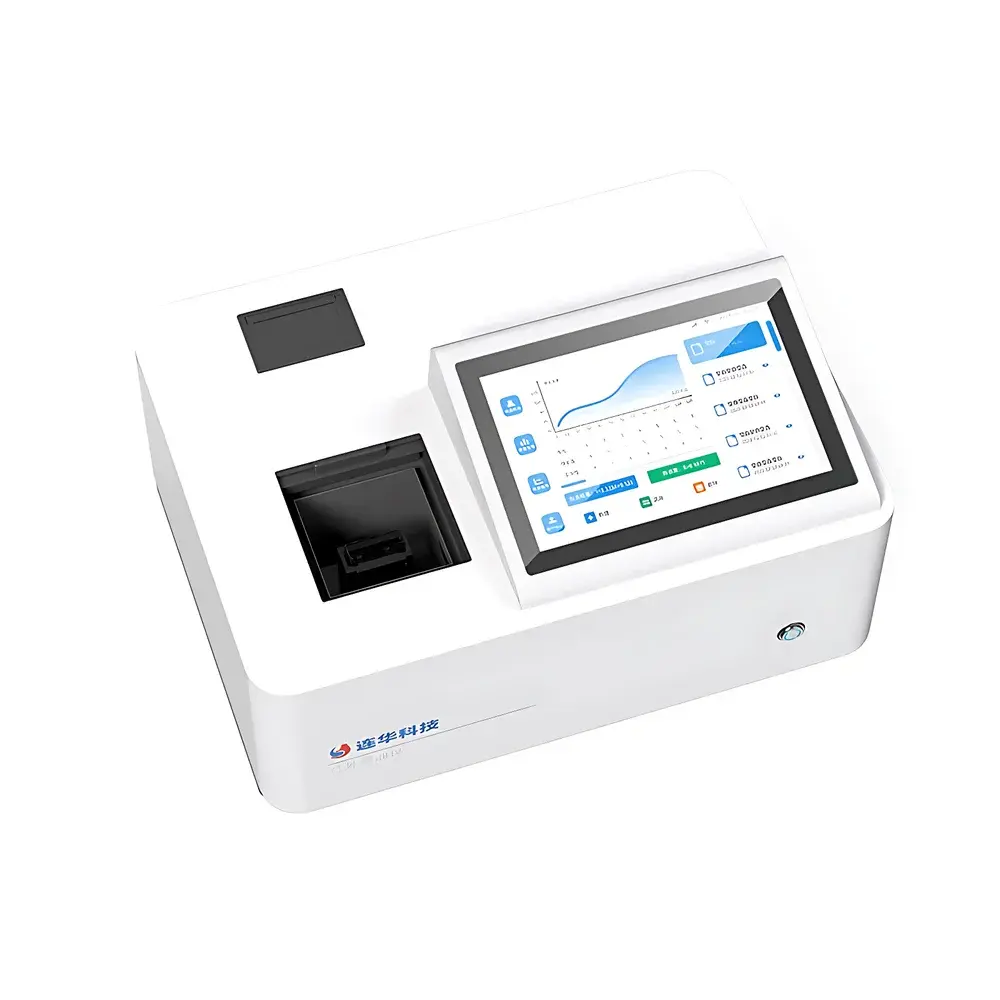
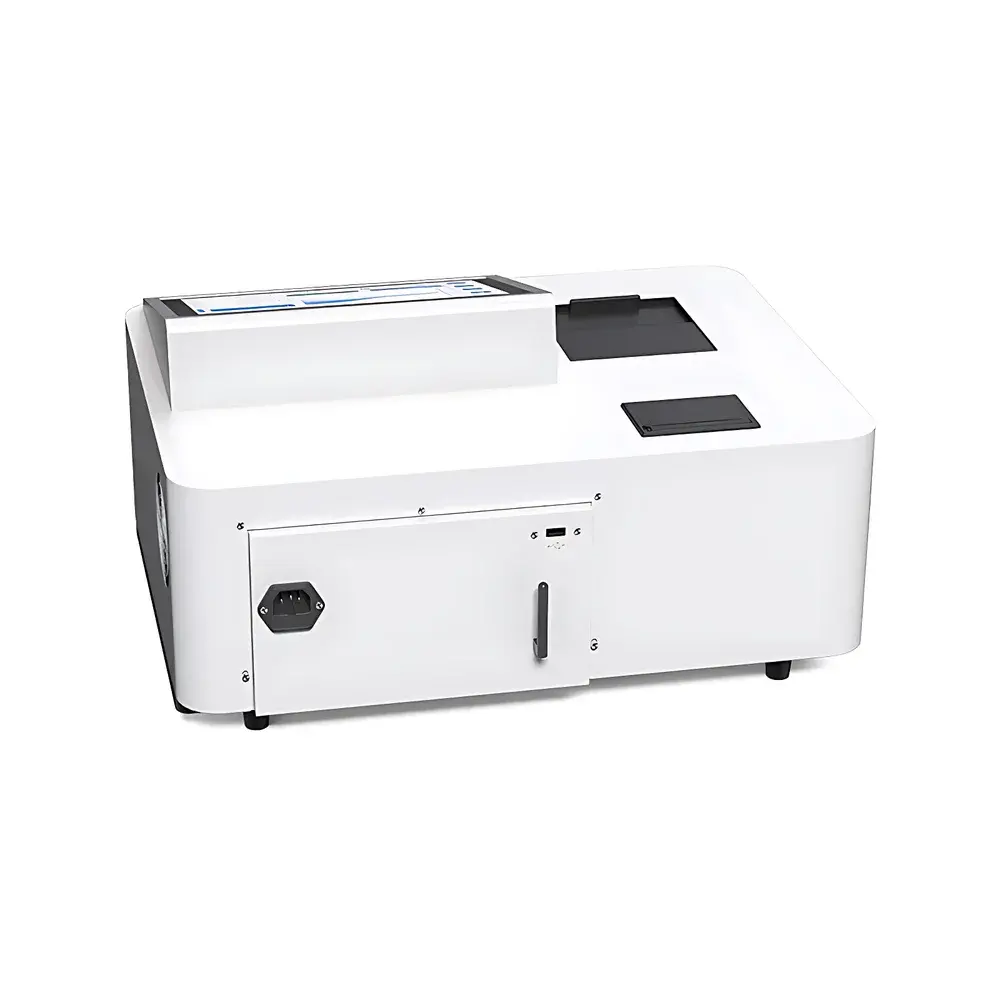
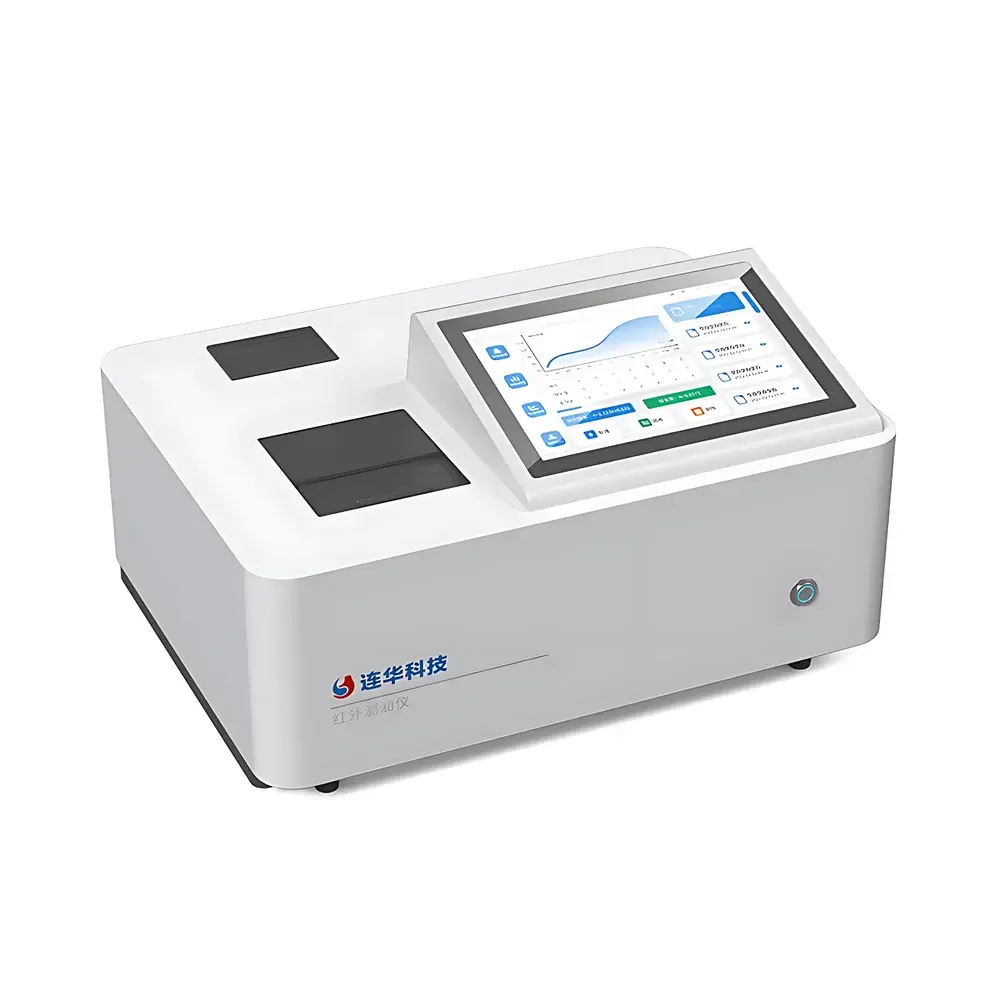
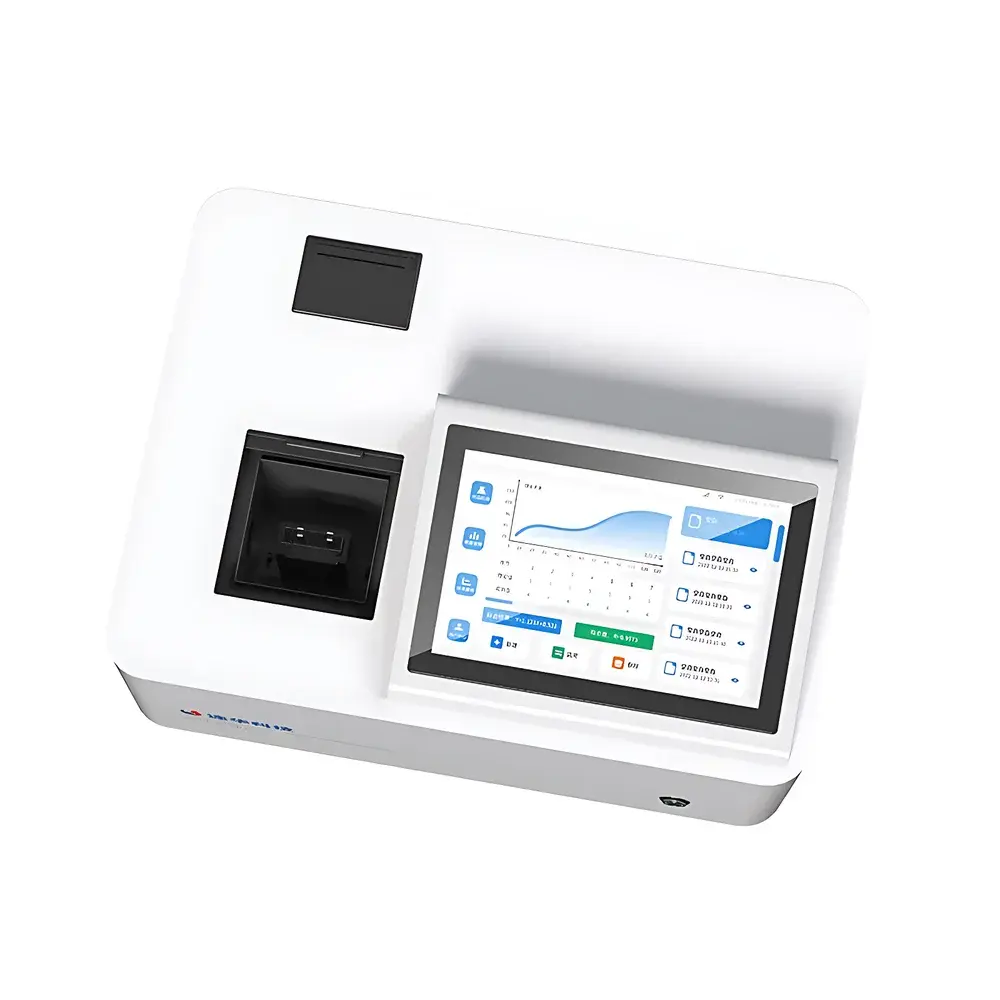
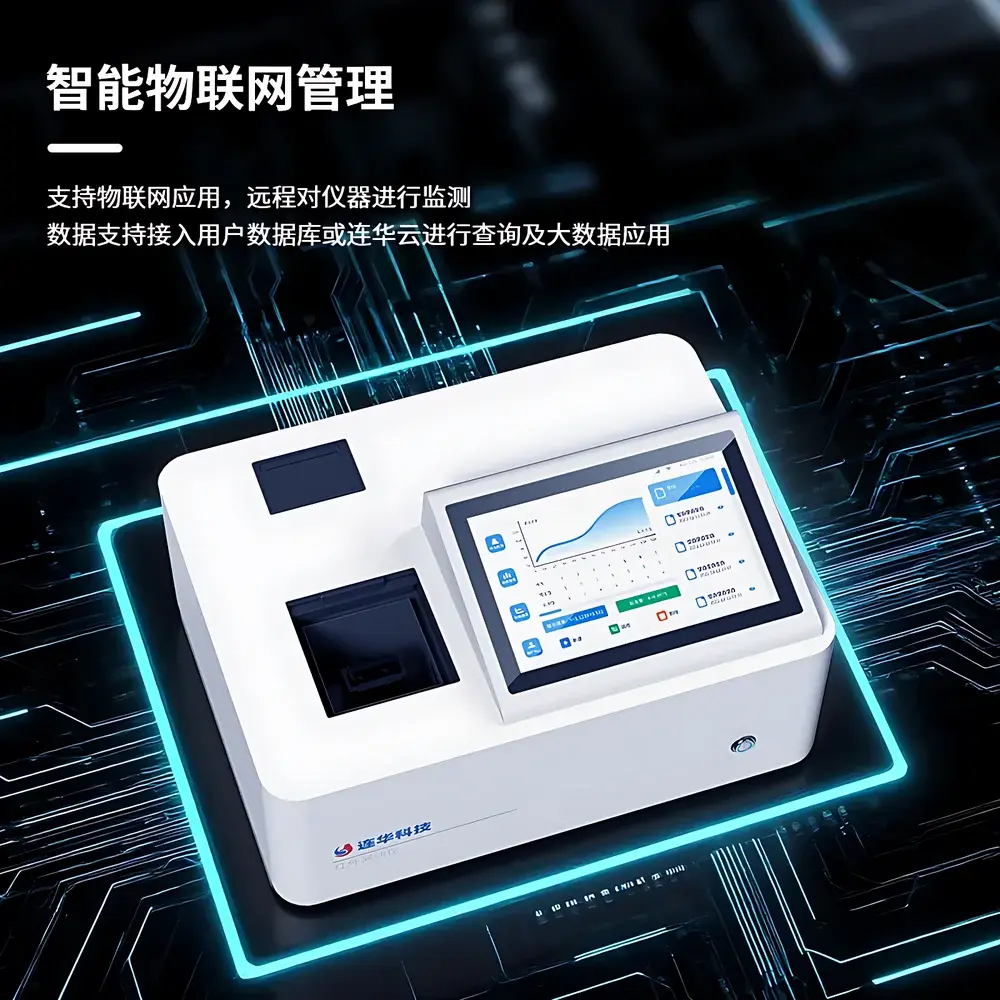
LoHua LH-S400 Multi-Parameter Laboratory Water Quality Analyzer
| Brand | LoHua |
|---|---|
| Origin | Beijing, China |
| Manufacturer | LoHua Technology Co., Ltd. |
| Instrument Type | Benchtop Laboratory Water Quality Analyzer |
| Detection Principle | Spectrophotometry |
| Primary Application | Oil-in-Water Quantification |
| Compliance Context | Designed for routine compliance testing per ISO 7027, EPA Method 1664 (modified), and GB/T 16488–1996 |
Overview
The LoHua LH-S400 is a benchtop multi-parameter water quality analyzer engineered for precise, repeatable quantification of oil and grease in aqueous matrices using standardized spectrophotometric methodology. It operates on the principle of absorbance measurement at defined wavelengths (typically 430 nm or 460 nm, configurable per method requirements) following solvent extraction—most commonly with n-hexane or CCl₄—of non-polar hydrocarbons from water samples. The instrument integrates a stabilized tungsten-halogen light source, precision optical path optics (10 mm fixed-path cuvette geometry), and a low-drift photodiode detector to ensure high photometric stability (<0.002 AU/h drift) and inter-laboratory reproducibility. Unlike portable or field-deployable units, the LH-S400 is optimized for controlled laboratory environments where regulatory traceability, method validation, and long-term calibration integrity are critical—making it suitable for GLP-compliant environmental testing labs, municipal wastewater treatment QA/QC departments, and contract analytical laboratories serving industrial clients.
Key Features
- Benchtop architecture with integrated sample compartment, optical module, and embedded microprocessor control—no external PC required for basic operation
- Pre-programmed method library supporting common oil-in-water protocols including modified EPA 1664, ISO 9377-2, and Chinese national standard GB/T 16488–1996
- Automatic zero-point calibration and reference blank subtraction to minimize matrix interference from turbidity or colored dissolved organic matter (CDOM)
- Linear dynamic range of 0.01–100 mg/L oil equivalent (n-hexane extractable), validated with certified reference materials traceable to NIST SRM 2781
- Robust cuvette holder accommodating standard 10 mm square quartz or glass cuvettes; optional 50 mm pathlength extension available for low-concentration applications
- Internal data storage for ≥1,000 test records with timestamp, operator ID, calibration status, and raw absorbance values
Sample Compatibility & Compliance
The LH-S400 accepts liquid samples within pH 2–12 and suspended solids content ≤100 mg/L (pre-filtration recommended for higher loads). It supports direct analysis of clarified effluents, surface water, groundwater, cooling tower blowdown, and process streams from petroleum refining, food processing, and electroplating operations. Sample preparation follows ASTM D3731-22 guidelines for solvent extraction and phase separation. Instrument performance meets ISO/IEC 17025:2017 requirements for analytical equipment verification, and its firmware architecture supports audit-trail generation for 21 CFR Part 11–aligned environments when paired with LoHua’s optional LHS-DataLink software suite. All optical components comply with IEC 61000-4 electromagnetic immunity standards for laboratory-grade instrumentation.
Software & Data Management
The LH-S400 includes a built-in LCD interface with intuitive menu navigation and real-time display of absorbance, concentration, and calibration curve R² values. For advanced reporting and data governance, the optional LHS-DataLink software (Windows 10/11 compatible) enables secure USB or Ethernet transfer of encrypted datasets, customizable report templates (PDF/CSV/XLSX), and electronic signature workflows compliant with FDA 21 CFR Part 11 Annex 11 principles. Software logs include full revision history, user access controls, and immutable audit trails covering calibration events, method changes, and result exports—supporting internal audits and third-party accreditation assessments under CNAS or UKAS frameworks.
Applications
- Municipal wastewater treatment plants: Monitoring influent oil load, effluent discharge compliance (e.g., NPDES permit limits), and grease trap performance
- Regulatory agencies: Field-sample verification and inter-laboratory comparison studies under national water quality monitoring programs
- Pharmaceutical manufacturing: Testing of clean-in-place (CIP) rinse waters and HVAC condensate for hydrocarbon contamination
- Fermentation and brewing facilities: Quantifying residual vegetable oils or lubricants in process water loops
- Petroleum refineries and petrochemical sites: Analyzing stormwater runoff, tank bottom sludge leachates, and produced water prior to reinjection or discharge
- Pulp & paper mills: Assessing oil carryover from debarking or press section lubricants into whitewater systems
FAQ
Does the LH-S400 require annual factory recalibration?
No—users perform routine verification using NIST-traceable calibration standards; factory recalibration is recommended only after physical impact, optical misalignment, or failure of internal diagnostic checks.
Can the instrument measure emulsified oil without solvent extraction?
No—the LH-S400 is designed exclusively for extractable oil per standardized spectrophotometric methods; unextractable or surfactant-stabilized emulsions require complementary techniques such as GC-FID or TOC-based estimation.
Is method validation documentation provided with the system?
Yes—LoHua supplies a comprehensive Instrument Qualification Package (IQ/OQ/PQ) template aligned with ISO/IEC 17025 and USP , including linearity, LOD/LOQ, repeatability, and robustness test protocols.
What maintenance intervals are specified for optical components?
The tungsten-halogen lamp has a rated lifetime of 2,000 hours; the cuvette compartment and optical window should be cleaned weekly with lint-free wipes and spectroscopic-grade methanol to prevent residue buildup.
Does the LH-S400 support multi-wavelength scanning for spectral deconvolution?
No—it operates at fixed wavelengths optimized for oil quantification; full-spectrum scanning requires a dedicated UV-Vis spectrophotometer.
Related Products







