
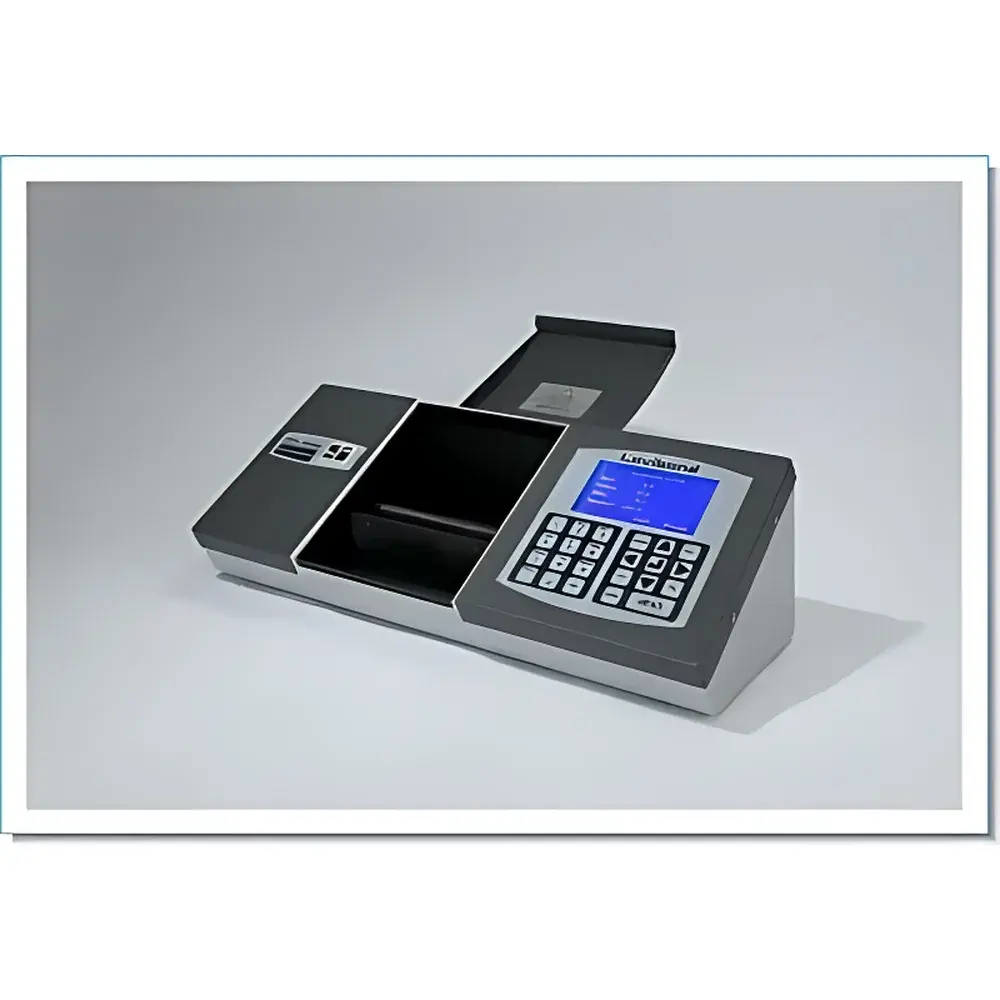
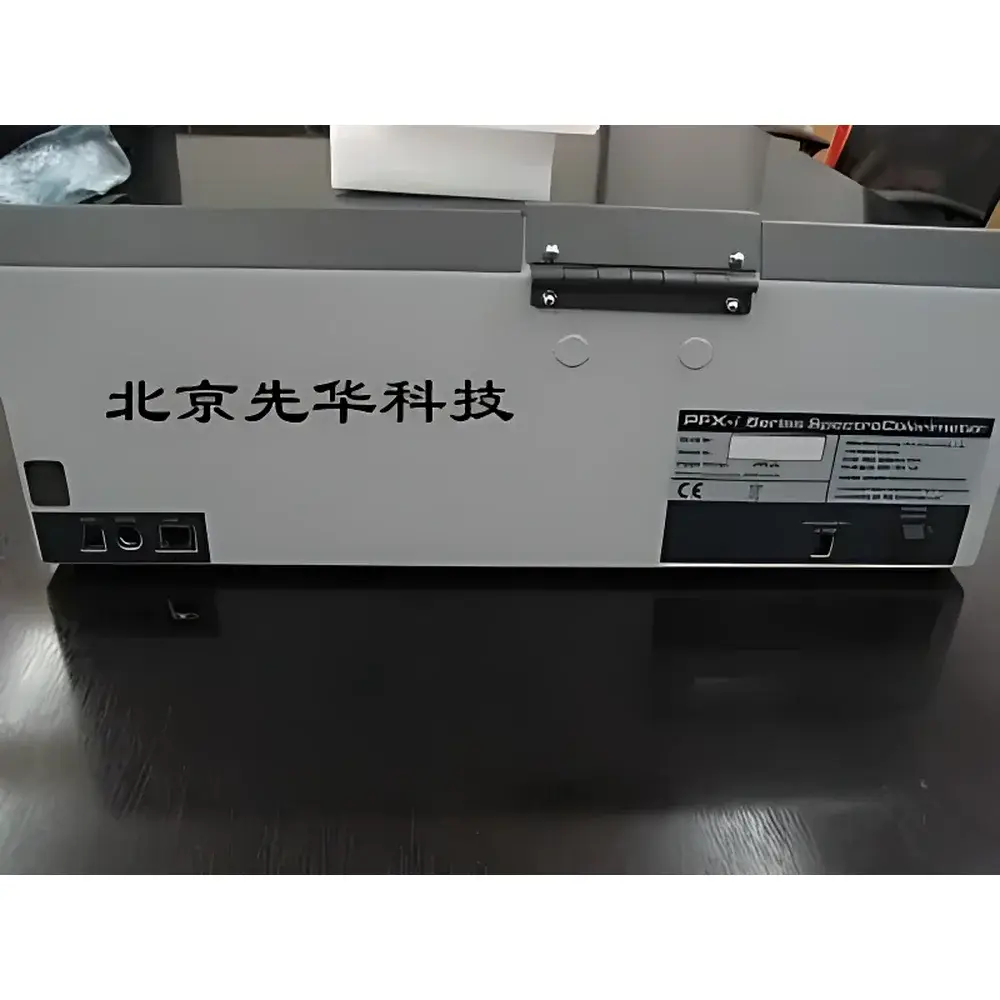
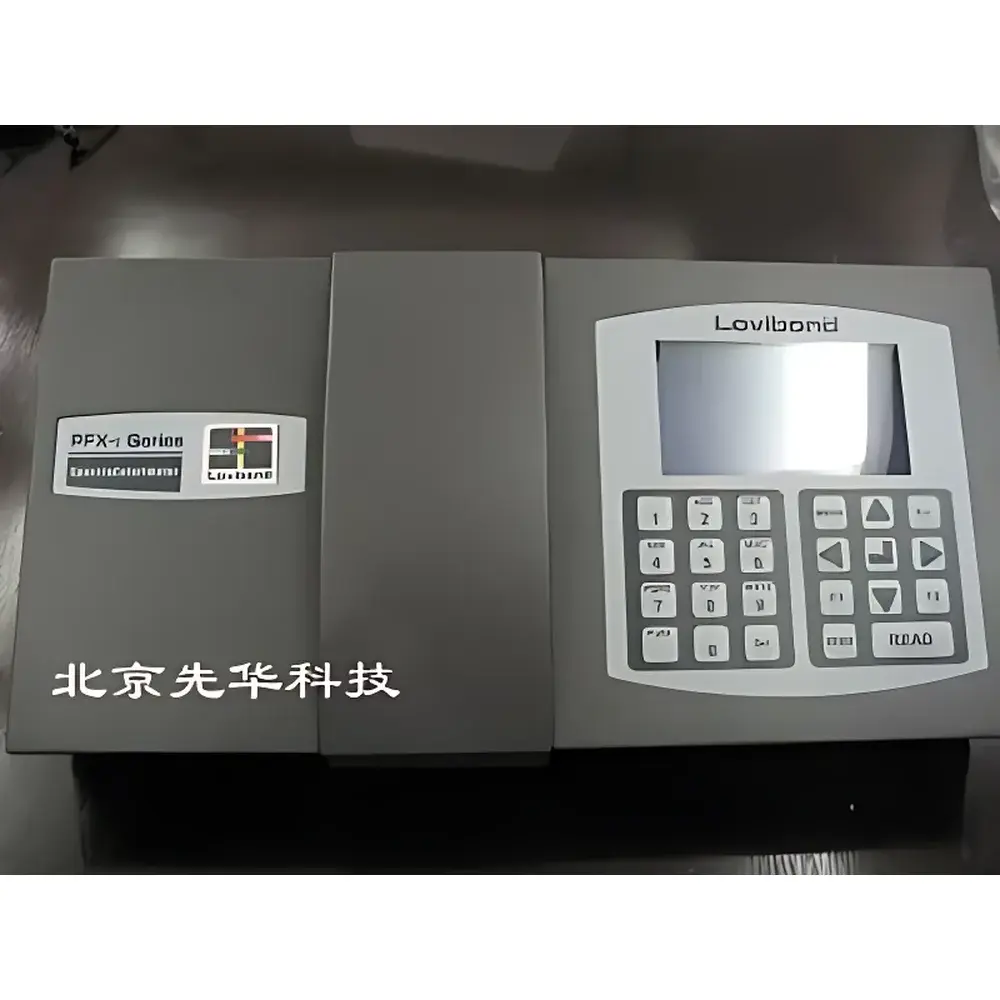
Lovibond PFXi195 Automated Colorimeter
| Brand | Lovibond (Tintometer) |
|---|---|
| Origin | United Kingdom |
| Model | PFXi195 |
| Spectral Range | 420–710 nm |
| Spectral Bandwidth | 10 nm |
| Repeatability | ±0.0004 in CIE x,y chromaticity coordinates |
| Measurement Time | <30 s |
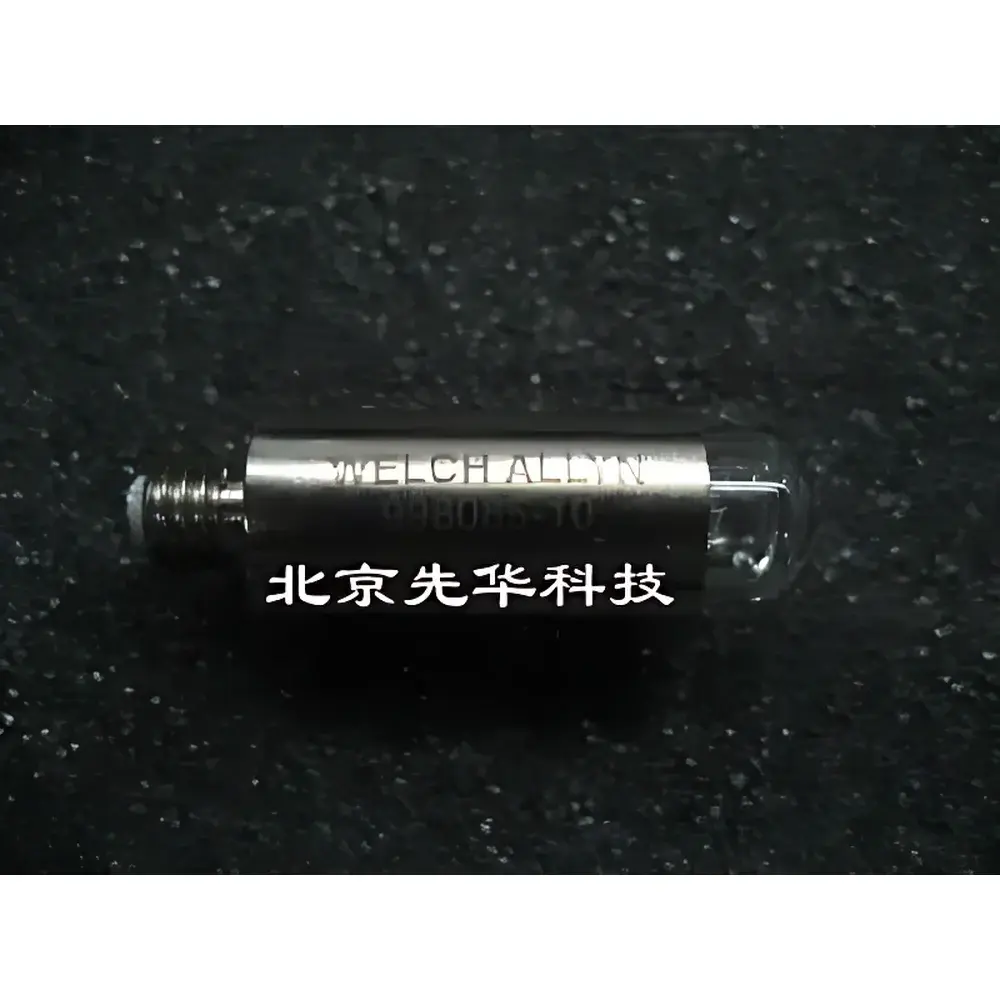
| Light Source | 5 V, 10 W tungsten-halogen lamp |
| Illuminants | CIE A, B, C, D65 |
| Observer Angles | 2° and 10° |
| Path Length Range | 0.1–50 mm |
| Data Interfaces | USB, LAN, RS232 |
| Data Storage Capacity | 100,000 measurements |
| Display | 240 × 128 backlit LCD |
| Keypad | 23 tactile membrane keys with audible feedback |
| Languages | English, Chinese, French, German, Italian, Portuguese |
| Housing Material | Steel with textured epoxy coating |
| Dimensions (W×D×H) | 435 × 195 × 170 mm |
| Weight | 6.8 kg |
| Compliance | CE, RoHS, WEEE |
| Built-in Color Scales | Pt-Co/Hazen/APHA, Gardner, Iodine, Saybolt, ASTM Color, FAC, EBC, ASBC, ICUMSA, Pfund, ADMI, EP, USP, CIE L*C*h, Hunter Lab, spectral reflectance/data |
Overview
The Lovibond PFXi195 Automated Colorimeter is a high-precision, benchtop spectrophotometric color measurement instrument engineered for reproducible quantitative color analysis across diverse liquid matrices. Based on fixed-wavelength photometry using nine precision interference filters, the PFXi195 delivers traceable, standardized color evaluation in compliance with internationally recognized methodologies—including ASTM, ISO, EN, and pharmacopoeial standards (USP , EP 2.2.2). Its optical architecture employs a stabilized tungsten-halogen light source and dual CIE standard observer angles (2° and 10°), enabling accurate tristimulus value calculation and chromaticity coordinate determination (x,y) under multiple illuminants (A, B, C, D65). Designed for routine QC/QA laboratories in chemical, petrochemical, food & beverage, pharmaceutical, and environmental sectors, the PFXi195 eliminates subjectivity inherent in visual assessment while maintaining operational simplicity and robustness in demanding industrial environments.
Key Features
- Nine high-stability interference filters covering 420–710 nm with 10 nm bandwidth—ensuring spectral fidelity and long-term calibration stability
- Automated baseline correction via one-touch zeroing—minimizing operator-induced drift and improving inter-day reproducibility
- Modular configuration options (PFXi195/1 through PFXi195/9)—preloaded with application-specific color scales including Pt-Co/Hazen/APHA, Gardner, Saybolt, ASTM D1500, EBC, ASBC, ICUMSA, Pfund, ADMI, EP/USP, and CIE-based systems (L*C*h, Hunter Lab)
- Steel housing with textured epoxy coating—providing exceptional resistance to chemical splashes, abrasion, and mechanical impact in production or lab settings
- Adjustable sample cell path length (0.1–50 mm)—accommodating highly concentrated or dilute samples without manual dilution or reconfiguration
- Integrated deviation reporting—quantifying ΔE, ΔL*, Δa*, Δb*, and chromaticity shift relative to reference standards for process control and batch release decisions
Sample Compatibility & Compliance
The PFXi195 supports transparent and translucent liquids across a broad viscosity and absorbance range—from low-viscosity aqueous solutions (e.g., pharmaceutical eluents, purified water) to viscous oils (lubricants, edible fats), dark syrups (molasses, caramel), and hydrocarbon fuels. Its optical design accommodates cuvettes of varying path lengths and geometries, including round and rectangular cells. All configurations comply with CE marking requirements and adhere to RoHS and WEEE directives. The instrument supports audit-ready operation under GLP and GMP frameworks: measurement metadata (timestamp, operator ID, method ID, calibration status, environmental conditions) is embedded in each stored record. Firmware and color scale updates are deployable remotely via LAN, ensuring continuous alignment with evolving regulatory definitions (e.g., revised EP monographs or ASTM revisions).
Software & Data Management
Data acquisition, reporting, and archival are managed via the optional Lovibond® ColorSoft™ software suite—compatible with Windows OS and supporting FDA 21 CFR Part 11-compliant user authentication, electronic signatures, and full audit trail generation. Up to 100,000 measurements are retained onboard with timestamp, method identifier, sample ID, and deviation metrics. Export formats include CSV, PDF, and XML for integration into LIMS or ERP systems. Network connectivity (LAN/USB/RS232) enables centralized instrument monitoring, remote diagnostics, and synchronized firmware/color-scale updates across multi-site deployments—critical for global quality systems requiring harmonized color specifications.
Applications
- Chemical manufacturing: Monitoring color stability of solvents, surfactants, and organic intermediates per ASTM D1209 and ISO 6271
- Petroleum refining: Saybolt and ASTM D1500 color grading of diesel, kerosene, and lubricating oils
- Brewing & malting: EBC and ASBC color quantification of wort, beer, and malt extracts
- Pharmaceuticals: USP and EP 2.2.2-compliant color assessment of injectables, oral solutions, and excipient batches
- Foods & sweeteners: ICUMSA and Pfund scale evaluation of sugar syrups, honey, and fruit concentrates
- Water treatment: ADMI and Pt-Co/Hazen/APHA compliance testing for effluent discharge and potable water clarity
FAQ
What color standards are pre-installed in the PFXi195/5 model?
The PFXi195/5 includes European Pharmacopoeia (EP), United States Pharmacopeia (USP), Pt-Co/Hazen/APHA, and full CIE spectral data output—optimized for aqueous pharmaceutical solutions and sterile preparations.
Can the instrument measure opaque or turbid samples?
No—the PFXi195 is designed for transparent or semi-transparent liquids only. Turbid or particulate-laden samples require prior filtration or centrifugation to meet optical path integrity requirements.
Is calibration traceable to NIST or other national standards?
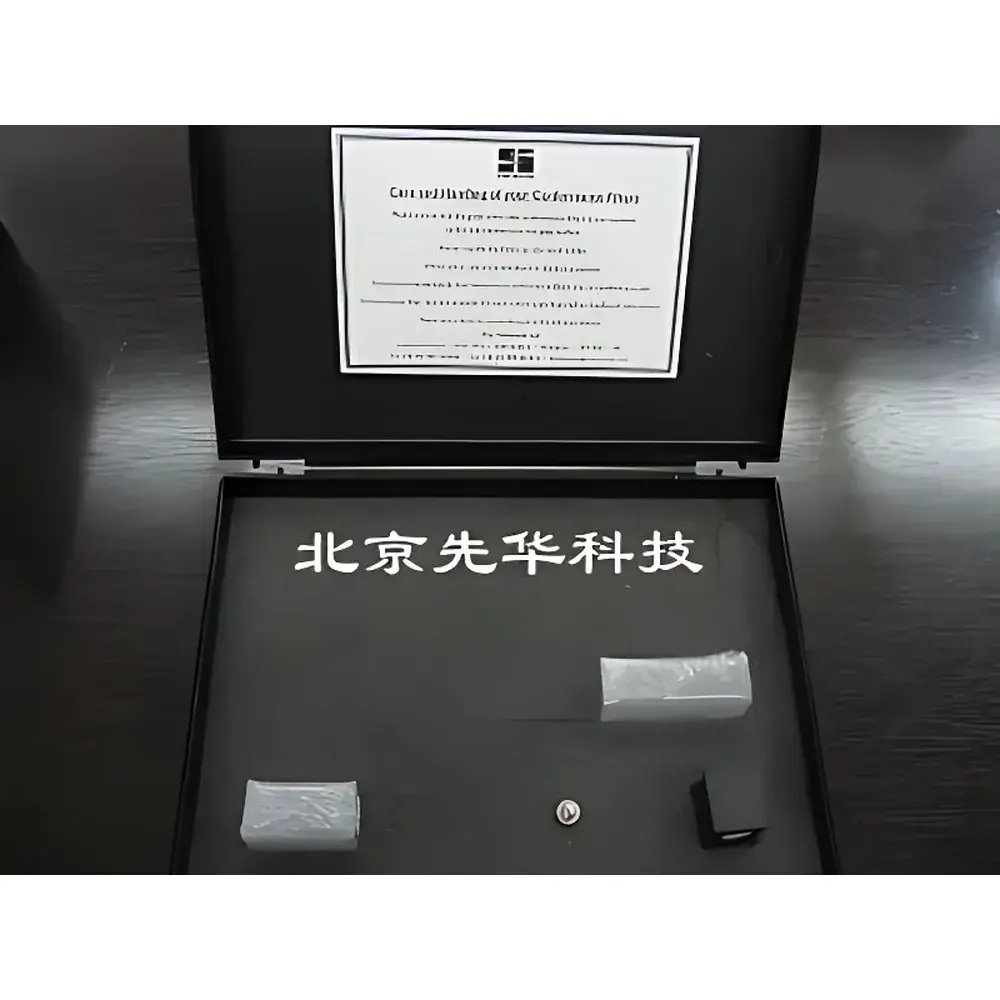
Yes—Lovibond provides factory-calibrated reference standards traceable to NPL (UK) and NIST (USA); users may perform verification using certified liquid or solid color standards compliant with ISO 483.
How frequently must the instrument be recalibrated?
Baseline zeroing is performed before each measurement session; full calibration verification with reference standards is recommended daily in regulated environments or per internal SOPs aligned with ISO/IEC 17025.
Does the PFXi195 support custom color scale definition?
Custom scales cannot be programmed directly on the device, but ColorSoft™ allows users to define and export proprietary indices based on measured CIE values for internal reporting and trending.





