
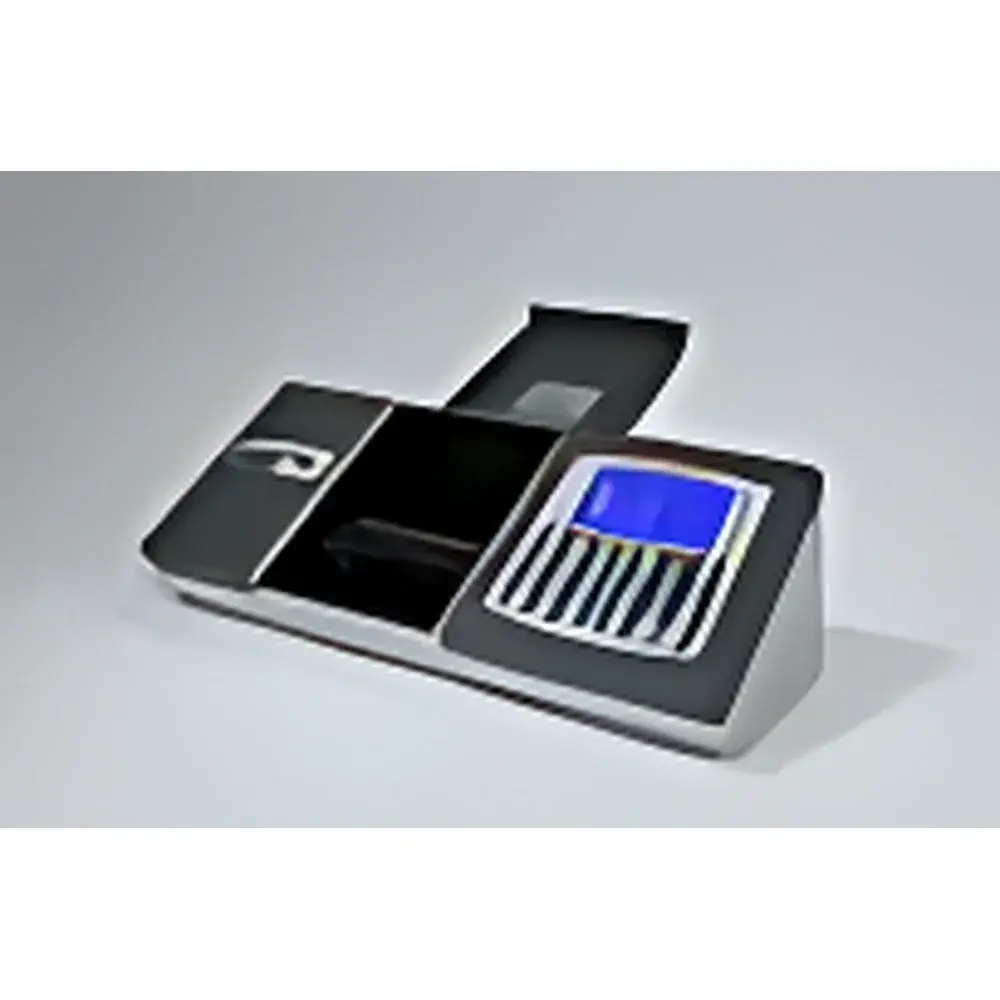
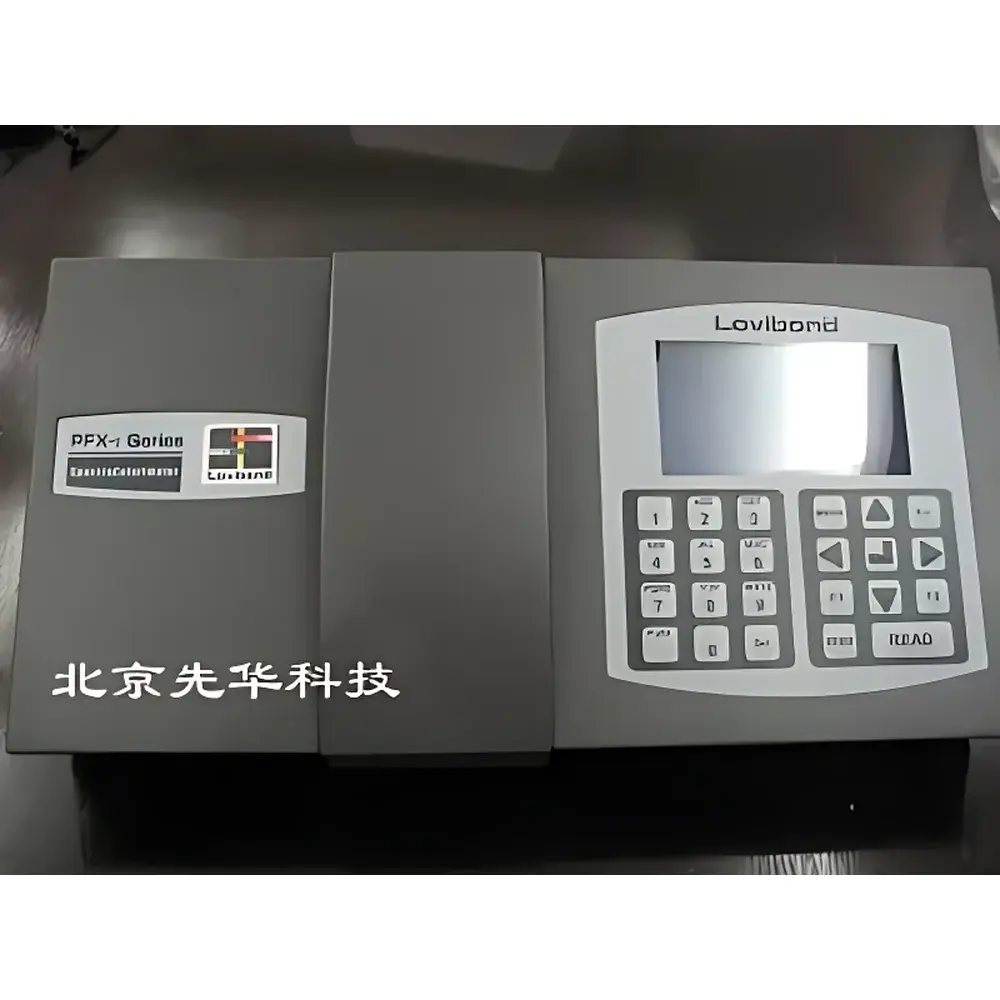
Lovibond PFXi995 Automated Colorimeter
| Brand | Lovibond (Tintometer) |
|---|---|
| Origin | United Kingdom |
| Model | PFXi995 |
| Spectral Range | 420–710 nm |
| Spectral Bandwidth | 10 nm |
| Repeatability | ±0.0002 in CIE x,y coordinates |
| Measurement Time | <30 s |
| Optical Path Length | 0.1–153 mm |
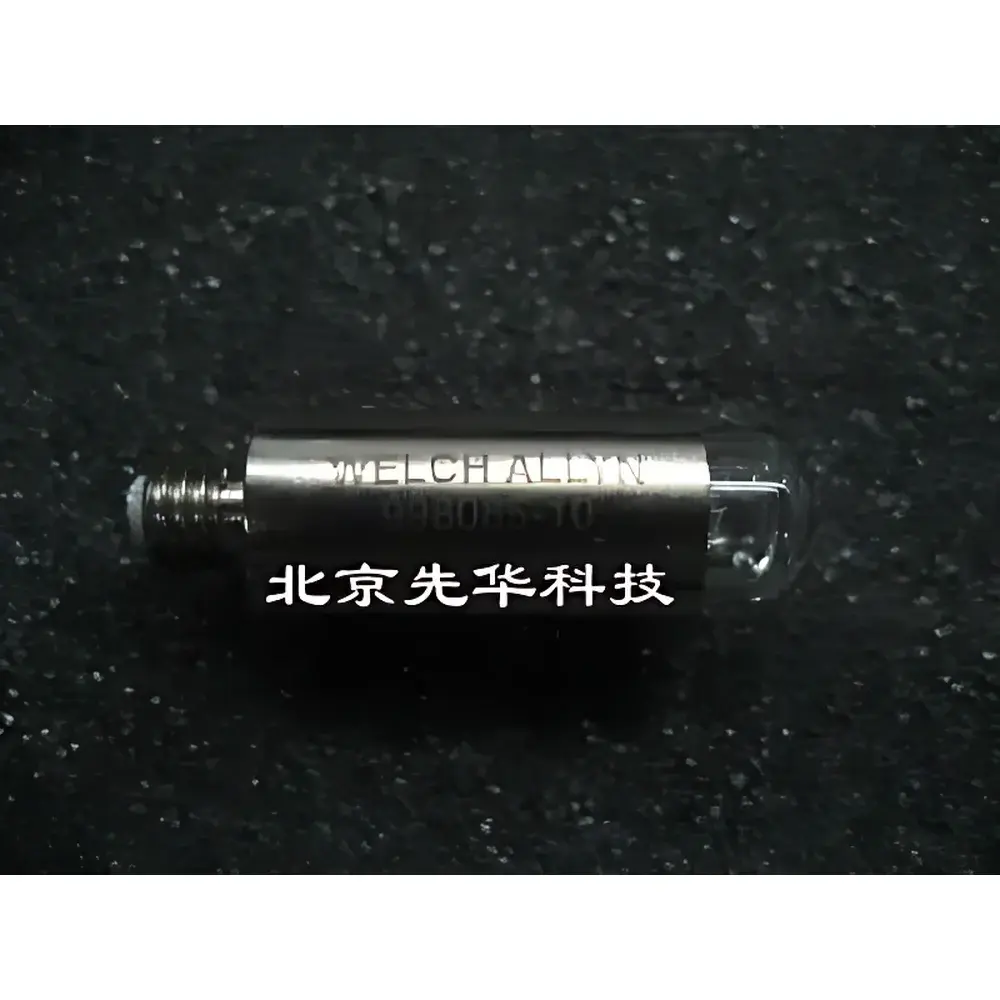
| Light Source | 5 V, 10 W tungsten-halogen lamp |
| CIE Illuminants | A, B, C, D65 |
| Observer Angles | 2°, 10° |
| Data Storage Capacity | 100,000 measurements |
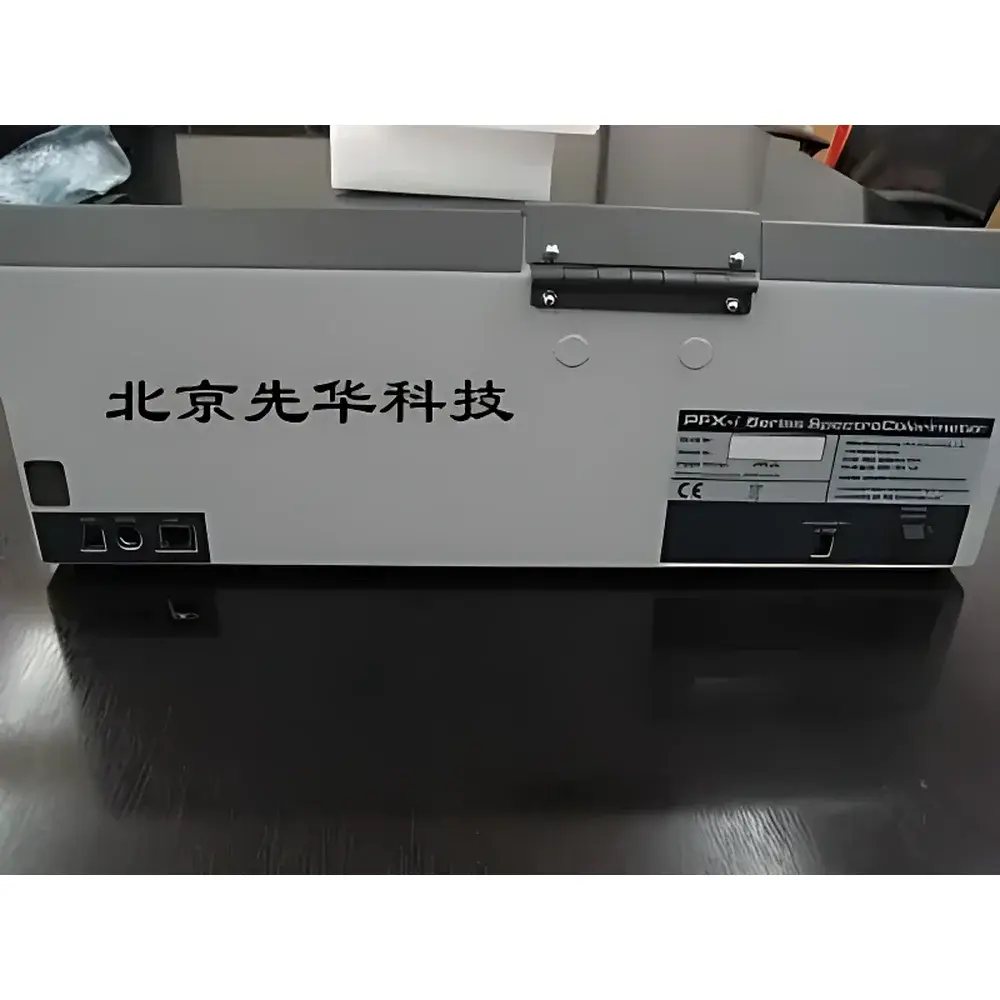
| Interface | USB, LAN, RS232 |
| Display | 240 × 128 backlit LCD |
| Keypad | 23 tactile polyester membrane keys with audible feedback |
| Optional Heater | Up to 95 °C |
| Operating Voltage | 90–240 VAC (external power supply) |
| Enclosure | Steel housing with textured epoxy coating |
| Dimensions & Weight | 515 × 195 × 170 mm / 7.7 kg |
| Compliance | CE, RoHS, WEEE |
| Built-in Color Scales | Lovibond RYBN, AOCS, Gardner, Pt-Co/Hazen/APHA, FAC, Chlorophyll A/B, β-Carotene, Iodine, Hess-Weis, Klett (Blue filter KS-42), Kreis, CIE XYZ/L*a*b*, spectral reflectance data |
Overview
The Lovibond® PFXi995 Automated Colorimeter is a precision optical measurement instrument engineered for high-reproducibility color assessment of liquid and semi-solid industrial materials under standardized illumination and observer conditions. Based on fixed-wavelength photometry using 16 precision interference filters, the PFXi995 delivers traceable, spectrally resolved color data across the visible spectrum (420–710 nm, 10 nm bandwidth). Unlike full-spectrum spectrophotometers, its optimized filter-based architecture ensures exceptional long-term stability, minimal drift, and robust performance in demanding laboratory and continuous production environments—including 24/7 operation in quality control labs and refinery-side testing stations. The instrument conforms to internationally recognized colorimetric principles defined in CIE Publication No. 15 and supports dual-standard observer functions (2° and 10°), enabling compliance with ASTM D1500, ISO 2761, AOCS Cd 13b-97, IP 15, and USP where applicable. Its modular design accommodates optional temperature-controlled sample handling—critical for accurate measurement of waxy, viscous, or thermally sensitive samples such as molten fats, paraffins, and polymer melts.
Key Features
- 16 high-stability interference filters calibrated to NIST-traceable reference standards, ensuring metrological integrity across all color scales
- Automated baseline correction via single-button calibration routine—no external reference required for daily verification
- Integrated GLP-compliant data logging: timestamps, operator ID, sample ID, path length, illuminant, and observer angle are embedded in every stored record
- Dual connectivity architecture: native Ethernet (LAN) and USB 2.0 support remote firmware updates, centralized configuration management, and real-time instrument monitoring via RCMSi™ (Remote Calibration and Maintenance System)
- Chemically resistant steel enclosure with textured epoxy finish—rated for exposure to hydrocarbons, organic solvents, and mild caustics per ISO 9223 corrosion class C3
- Full multilingual interface (English, Chinese, French, German, Italian, Portuguese, Russian, Spanish, Japanese) with context-sensitive on-screen prompts and audible keypress feedback
- Expandable functionality: optional integrated Peltier-heated cell holder (PFXi995+Heated variant) enables precise thermal conditioning from ambient to 95 °C with ±0.5 °C stability
Sample Compatibility & Compliance
The PFXi995 accommodates a wide range of sample formats—including glass cells (0.1–153 mm path lengths), disposable cuvettes, and specialized immersion probes—making it suitable for transparent to moderately turbid liquids, molten waxes, edible oils, petrochemical distillates, and aqueous chemical reagents. Its optical design meets the geometric and photometric requirements of ISO/CIE standard observers and supports validation against certified reference materials (CRMs) traceable to NPL or BAM. Instrument software enforces audit-ready data integrity: all calibrations, user logins, method changes, and measurement events are time-stamped and non-erasable within internal memory. When configured with RCMSi™ and compliant data export protocols, the system satisfies FDA 21 CFR Part 11 requirements for electronic records and signatures in regulated pharmaceutical and food-grade manufacturing environments.
Software & Data Management
Data acquisition and reporting are managed through Lovibond’s proprietary ColorSoft™ software suite (optional), which provides secure database integration, statistical process control (SPC) charting, customizable report templates (PDF/CSV/XLSX), and automated pass/fail threshold evaluation against internal specifications or regulatory limits (e.g., APHA ≤ 10 for purified water per USP ). All instrument-generated metadata—including CIE L*a*b*, xyY, and full spectral reflectance curves—is retained in raw format for retrospective analysis. Networked deployment allows centralized administration across multi-site facilities, with role-based access control (RBAC) and encrypted data transmission over TLS 1.2. Firmware updates and color scale revisions are delivered remotely via authenticated HTTP(S) channels, eliminating manual intervention and reducing downtime.
Applications
- Petroleum refining: ASTM D1500 color grading of lubricating oils, diesel, kerosene, and jet fuels
- Fat & oil processing: AOCS Cd 13b-97 (Gardner) and Lovibond RYBN assessments of crude and refined vegetable oils, fish oils, and hydrogenated fats
- Chemical manufacturing: Pt-Co/Hazen/APHA compliance testing of solvents, acids, and synthetic intermediates
- Food & feed industry: Quantification of natural pigments (chlorophylls, carotenoids) and oxidation indices in edible oils and dairy derivatives
- Pharmaceutical excipients: Visual appearance qualification per ICH Q5E guidelines using CIE-based tolerancing
- Paint & coatings R&D: Batch-to-batch consistency monitoring of resin solutions and pigment dispersions
FAQ
Does the PFXi995 comply with ISO/IEC 17025 requirements for accredited testing laboratories?
Yes—the instrument’s documented calibration hierarchy, traceable filter certification, and built-in verification routines support method validation per ISO/IEC 17025:2017 Clause 7.7. Full uncertainty budgets can be generated using Lovibond’s certified reference standards and calibration reports.
Can measurement data be exported directly to LIMS or ERP systems?
Yes—via configurable ASCII/CSV output over RS232 or TCP/IP, with field-mapping support for common LIMS identifiers (e.g., sample ID, batch number, analyst code). Optional ODBC drivers enable direct SQL database ingestion.
Is third-party software validation support available for GxP environments?
Lovibond provides IQ/OQ documentation packages and participates in joint URS development with qualified vendors. Installation Qualification (IQ) and Operational Qualification (OQ) protocols are supplied upon request for regulated users.
What maintenance intervals are recommended for long-term accuracy?
Annual verification against Lovibond-certified CRMs is advised. Filter stability is verified during factory recalibration; no user-serviceable optics require replacement under normal operating conditions.
How does the PFXi995 handle samples with high viscosity or particulate content?
For viscous or heterogeneous samples, use of heated cell holders (PFXi995+Heated) and pre-filtration (0.45 µm syringe filters) is recommended. The instrument’s large-aperture optical path minimizes scattering artifacts, though transmittance below 10% may require dilution or shorter path lengths per ASTM D1209 guidance.





