
MBS.SRL Fitlylab-L01 Automated Microbial Colony Counter and Rapid Detection System
| Brand | MBS.SRL |
|---|---|
| Country of Origin | Italy |
| Manufacturer Type | Authorized Distributor |
| Origin Category | Imported |
| Model | Fitlylab-L01 |
| Instrument Type | Fully Automated Microbial Detection & Enumeration System |
| Detection Principle | Multi-modal optical monitoring of redox-mediated chromogenic response in sealed VL detection vials |
| Throughput | 8 independent parallel detection channels |
| Detection Speed | 2–10× faster than conventional culture-based methods |
| Sensitivity | ≥1 CFU per test |
| Specificity | ≥99.999% |
| Compliance | ISO 16140:2003 (validation of alternative microbiological methods), ISO/IEC 17025:2005 (general requirements for competence of testing and calibration laboratories) |
| Sample Forms | Liquid, solid, surface swab, semi-solid (paste/gel), aerosol-derived (via impinger or filtration) |
Overview
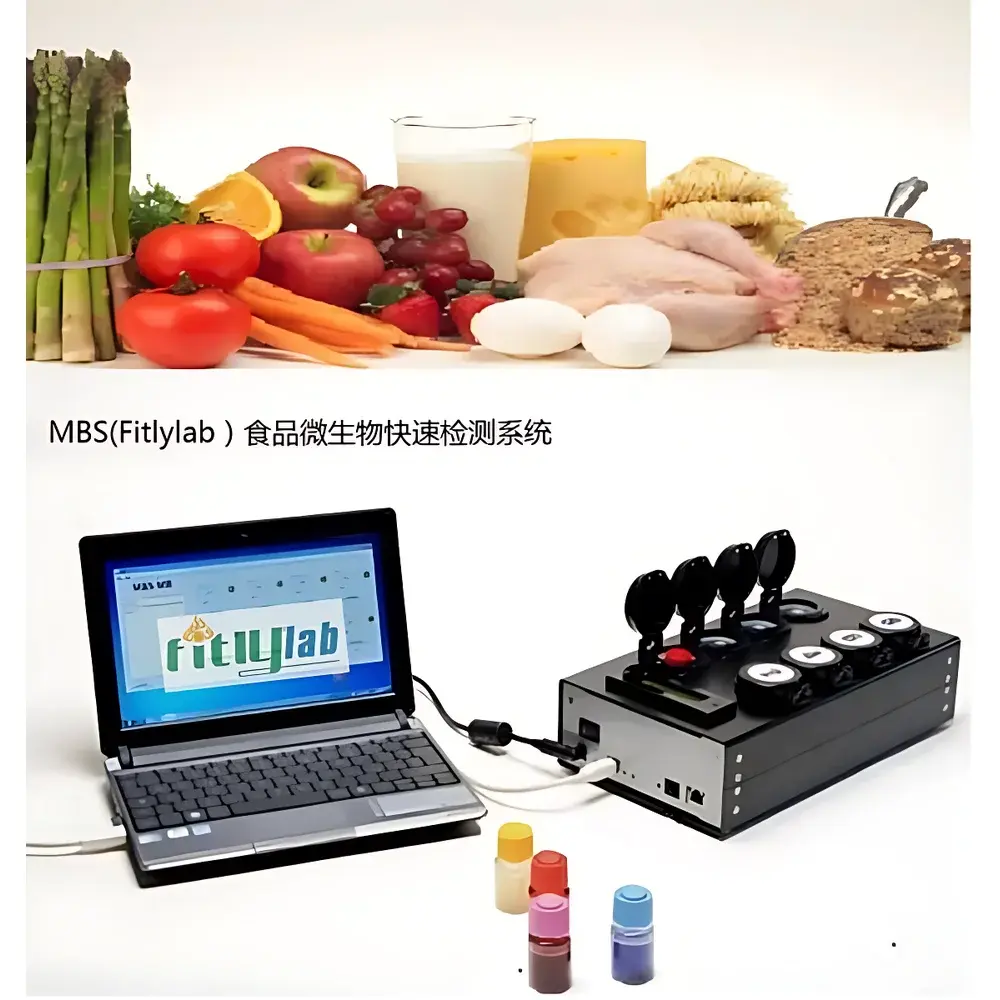
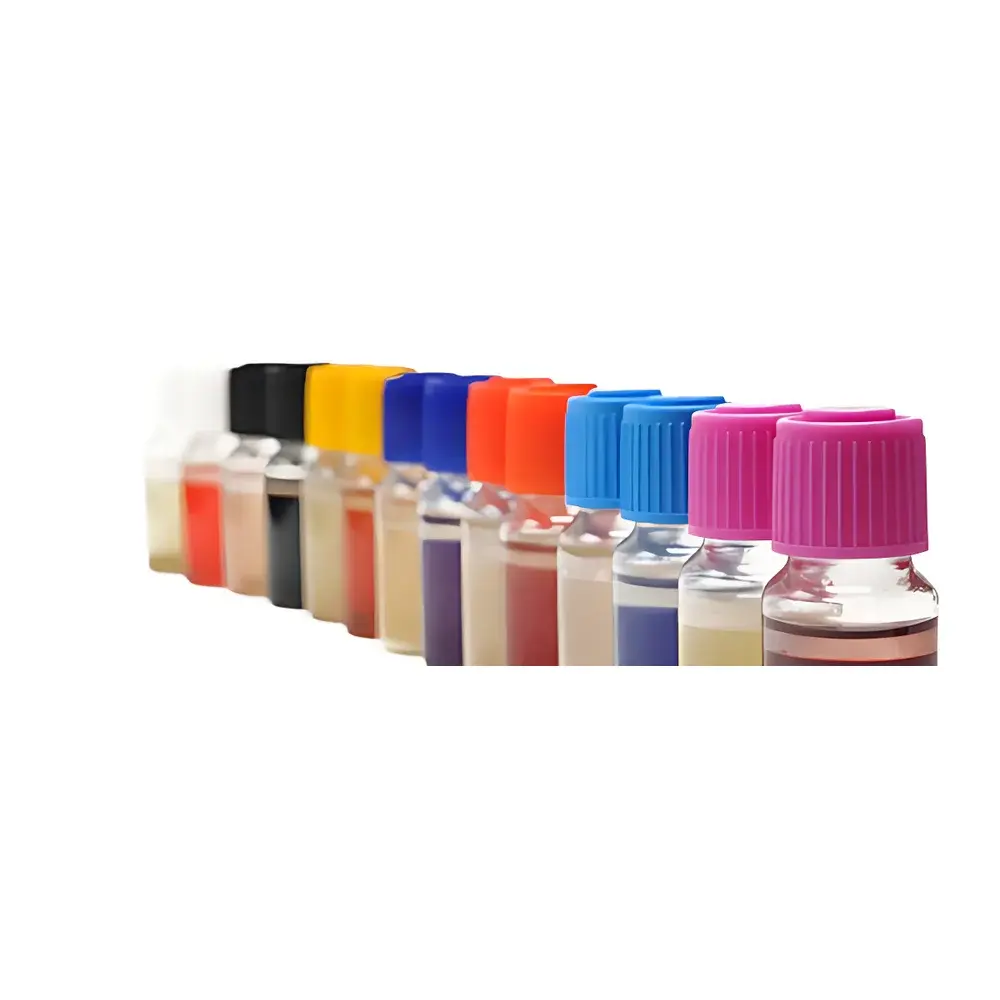
The MBS.SRL Fitlylab-L01 Automated Microbial Colony Counter and Rapid Detection System is a fully integrated, benchtop microbial enumeration platform engineered for precision, reproducibility, and operational simplicity in non-specialized environments. Unlike conventional colony counting instruments that rely solely on image-based analysis of agar plates, the Fitlylab-L01 implements a patented multi-modal detection strategy grounded in real-time optical monitoring of microbial metabolic activity. Its core measurement principle centers on quantitative tracking of chromogenic redox reactions within proprietary VL detection vials—sealed, single-use reaction chambers containing tailored nutrient formulations, selective inhibitors, and redox-sensitive dyes. As target microorganisms metabolize substrates (e.g., β-glucuronidase for E. coli, β-glucosidase for Listeria, or species-specific antigens/DNA probes), electron flux through the respiratory chain alters the oxidation state of the dye, inducing measurable shifts in absorbance across three discrete wavelengths (450 nm blue, 530 nm green, 630 nm red). The MBS-MR host instrument captures time-resolved differential intensity curves for each channel and identifies inflection points corresponding to threshold metabolic activity—enabling direct quantification of viable cells without plating, incubation, or manual interpretation.
Key Features
- 8 independent, thermally regulated detection wells—each programmable for distinct temperature profiles (25–45 °C) and assay durations to accommodate diverse microorganisms (e.g., psychrotrophs, mesophiles, thermotolerant strains)
- Tri-wavelength photometric sensing (450/530/630 nm) eliminates interference from turbidity, particulates, or sample coloration—critical for raw food homogenates, wastewater filtrates, or swab eluates
- Integrated detection kinetics algorithm correlates time-to-threshold with colony-forming units (CFU) using validated calibration curves traceable to NIST-traceable reference standards
- VL detection vials are self-contained, sterile, and pre-lyophilized—requiring only sample addition (1 g solid, 1 mL liquid, or swab immersion); no media preparation, autoclaving, or laminar flow hood required
- Vial-integrated sterilization step post-assay enables safe disposal as non-hazardous lab waste per ISO 15190:2020 guidelines
- Automated report generation in PDF format with full audit trail—including operator ID, timestamp, environmental conditions, raw optical data, and pass/fail flags against user-defined acceptance criteria
- FDA 21 CFR Part 11–compliant software architecture with role-based access control, electronic signatures, and immutable data logging
Sample Compatibility & Compliance
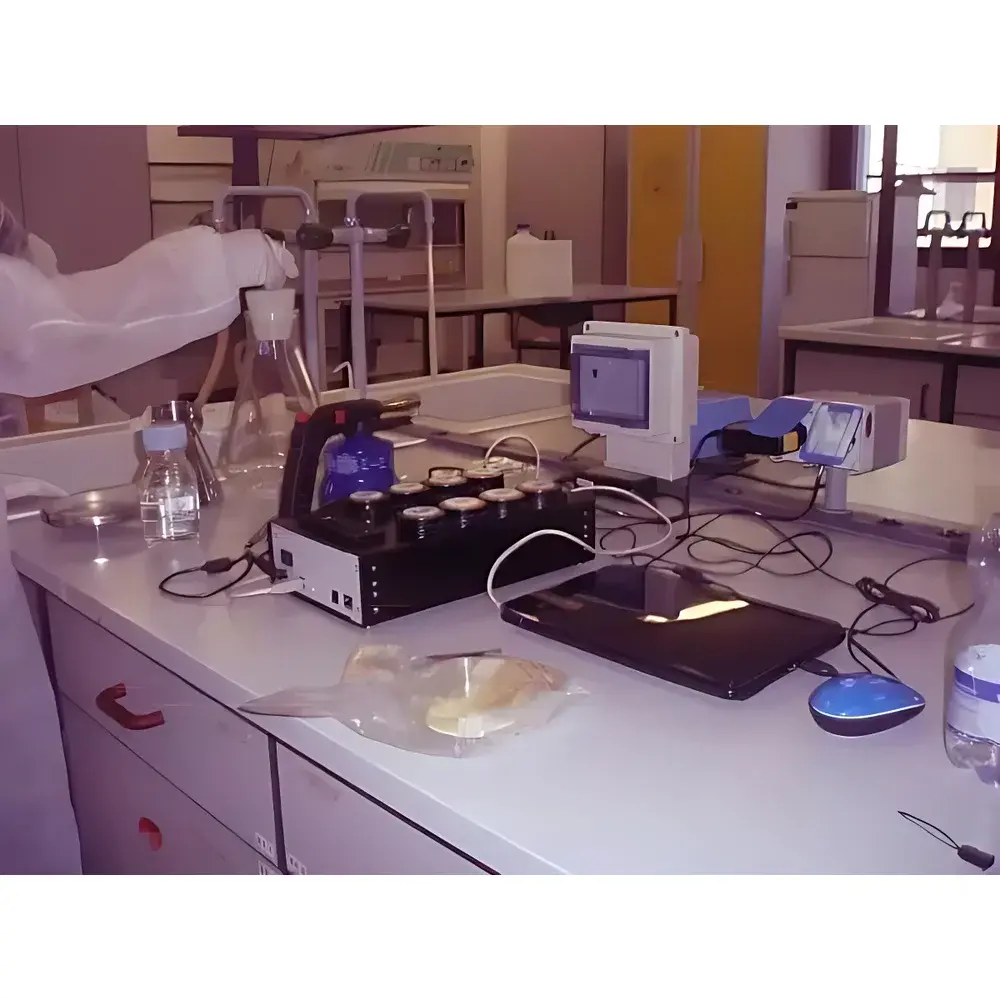
The Fitlylab-L01 supports direct analysis of untreated samples across food safety, environmental hygiene, and clinical screening workflows. Validated matrices include potable and wastewater, dairy products, meat homogenates, ready-to-eat meals, surface swabs (stainless steel, plastic, ceramic), air filter membranes (after impaction or filtration), cosmetics, and pharmaceutical excipients. Each assay protocol adheres to harmonized validation frameworks: ISO 16140:2003 for equivalence assessment against reference methods (e.g., ISO 4833-1:2013 for aerobic colony count; ISO 16649-2:2001 for E. coli); ISO/IEC 17025:2005 for laboratory competence management; and EN ISO 11290-1:2017 for Listeria monocytogenes. Internal validation reports from the National Light Industry Food Quality Supervision and Inspection Center (Nanjing Station) confirm linearity (R² ≥ 0.992), repeatability (CV ≤ 8.3%), and robustness across matrix effects.
Software & Data Management
The Fitlylab Control Suite (v5.x, localized Chinese interface with optional English toggle) runs on Windows-based notebooks bundled with the system. It provides GLP-compliant workflow management: method selection, parameter configuration, real-time kinetic visualization, automatic result calculation, and customizable reporting templates aligned with HACCP, BRCGS, and SQF requirements. All raw spectral data, metadata, and audit logs are stored in an encrypted SQLite database with automatic daily backup to network drives. Export options include CSV (for LIMS integration), XML (for ELN ingestion), and PDF with digital signature. Software updates are delivered remotely at no cost for the lifetime of the instrument under active support agreement.
Applications
- Food industry: Routine monitoring of aerobic plate count (APC), coliforms, E. coli, Salmonella, Listeria, Staphylococcus aureus, Pseudomonas aeruginosa, and yeasts/molds in production lines, raw materials, and environmental swabs
- Water utilities: Enumeration of heterotrophic plate count (HPC), total coliforms, and fecal indicators in distribution systems per EPA Method 1603 and ISO 9308-1
- Healthcare & pharmaceuticals: Bioburden testing of non-sterile products, cleanroom surface verification, and disinfectant efficacy studies per USP & Ph. Eur. chapters
- Regulatory agencies: Field-deployable verification during import inspections, outbreak investigations, and compliance audits by national food safety authorities
- Academic & contract labs: High-throughput screening for antimicrobial resistance profiling, probiotic viability assays, and spoilage organism kinetics
FAQ
Does the Fitlylab-L01 require calibration with certified reference standards?
Yes—initial calibration is performed using MBS-certified reference suspensions traceable to DSMZ cultures. Subsequent verification is conducted daily using control vials included in each kit batch.
Can the system differentiate between viable and non-viable cells?
Yes—the assay detects active respiratory metabolism; dead cells or residual DNA do not generate signal unless accompanied by live, metabolically active populations.
Is validation documentation available for regulatory submissions?
Yes—MBS.SRL provides full validation packages including AOAC RI Performance Tested Methods® summaries, ISO 16140 study reports, and internal ISO/IEC 17025 accreditation records upon request.
What maintenance is required for the MBS-MR host unit?
Annual optical alignment verification and LED source output calibration are recommended. No consumables other than VL vials are required.
How is data integrity ensured during power interruption?
The system features uninterruptible power supply (UPS)-ready architecture with auto-resume functionality and persistent memory that retains all assay states and timestamps.
Related Products



