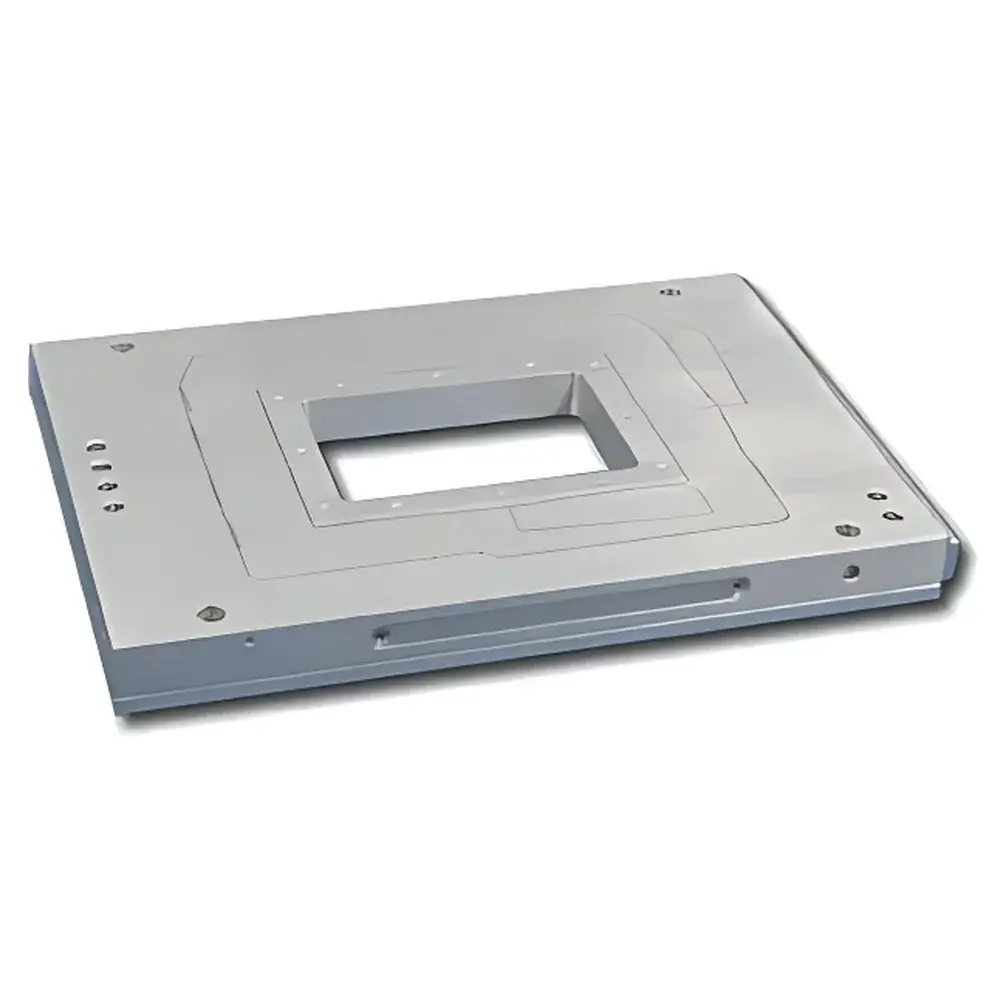
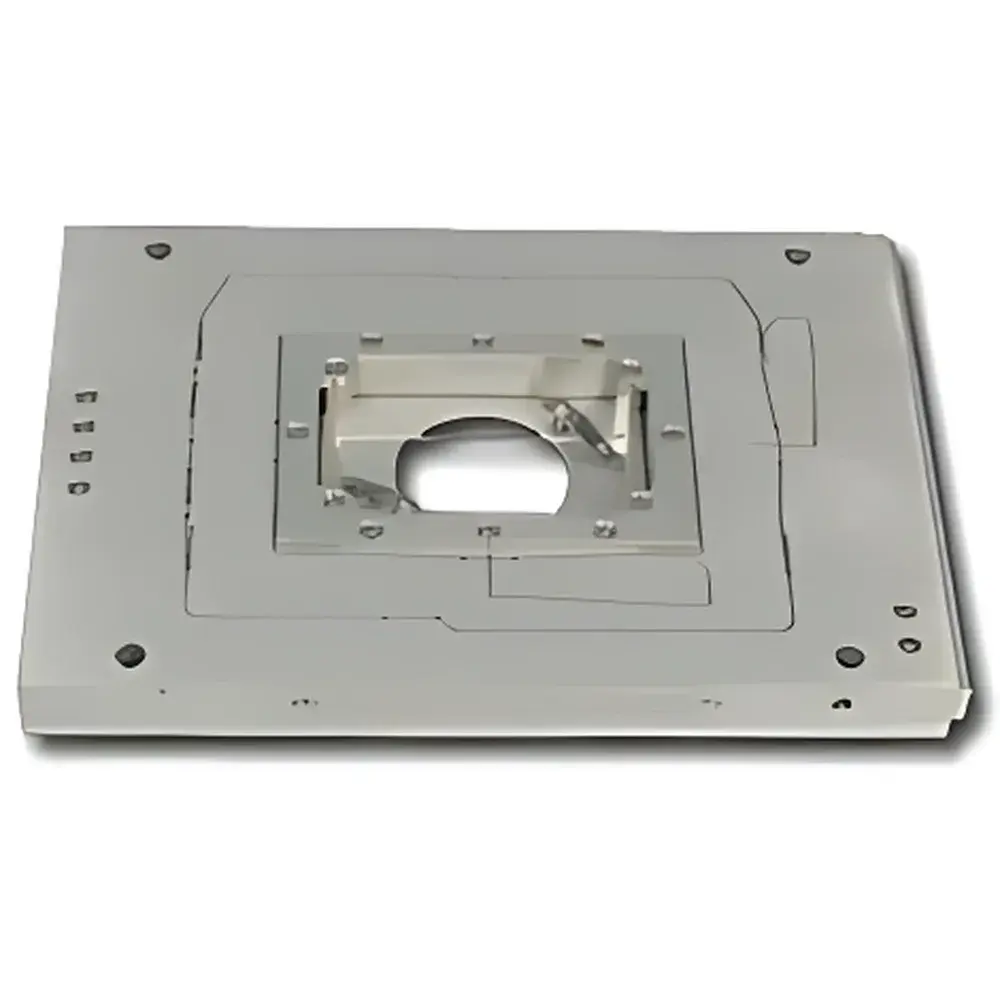
MCL Think Nano Nano-LPS Series Ultra-Low-Profile 3-Axis Piezoelectric Nanopositioning Stage

| Brand | MCL Think Nano |
|---|---|
| Origin | USA |
| Model | Nano-LPS Series |
| Motion Range (XYZ) | 100/200/300 µm |
| Resolution | 0.2/0.4/0.6 nm |
| Resonant Frequency (X/Y/Z) | 400/350/300 Hz (±20%) |
| Stiffness | 1.0 N/µm |
| Angular Deviation (Roll/Pitch/Yaw) | ≤1/≤1/≤3 µrad |
| Max Load (Horizontal/Vertical) | 0.5 kg / 0.2 kg |
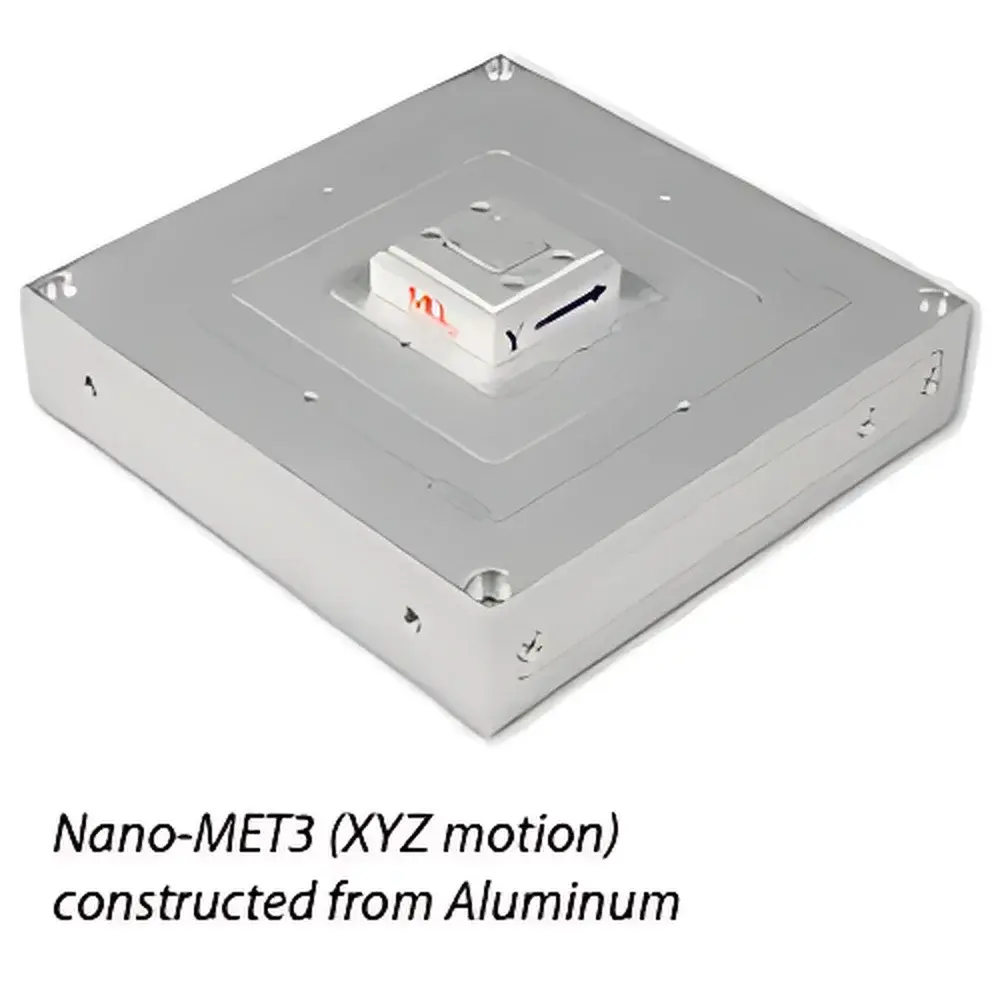
| Body Material | Aluminum (all), Invar or Titanium (100/200 µm models only) |
| Control | Closed-loop with PicoQ® position sensors |
Ask about pricing, availability and specifications.
Overview
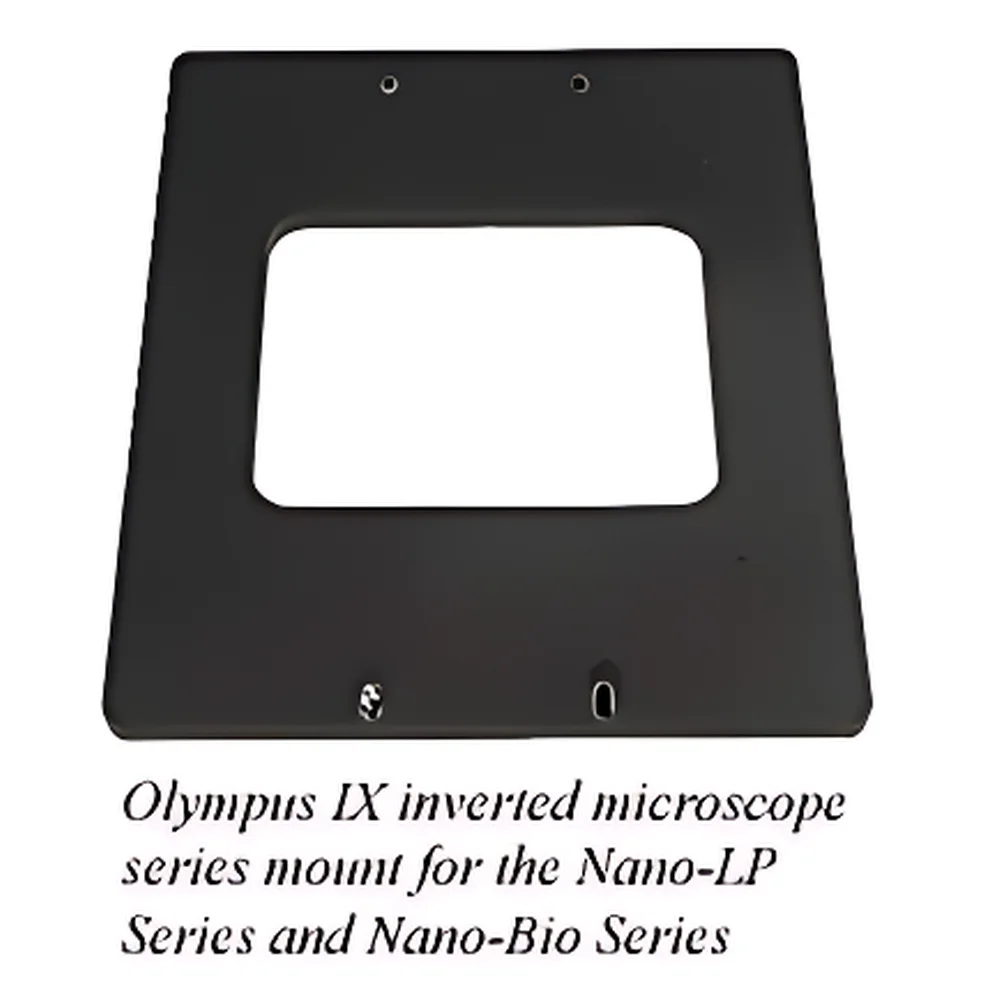
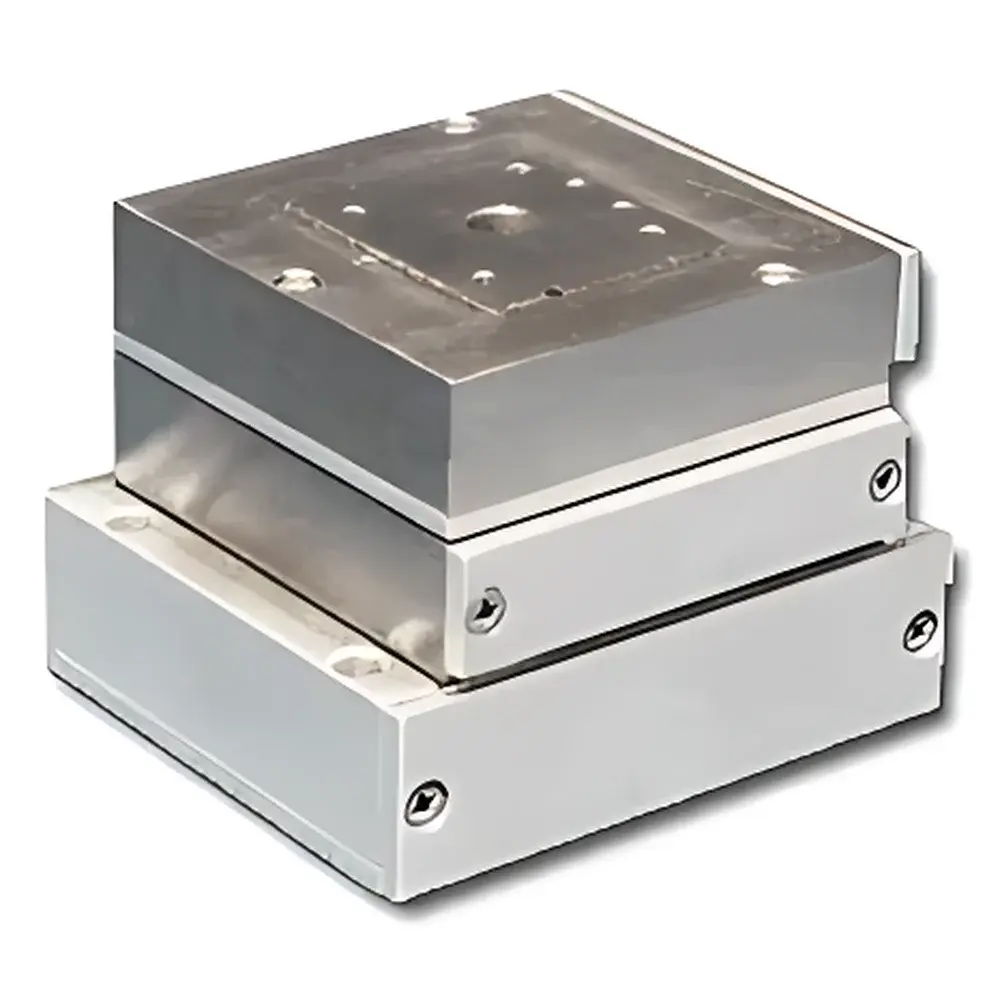
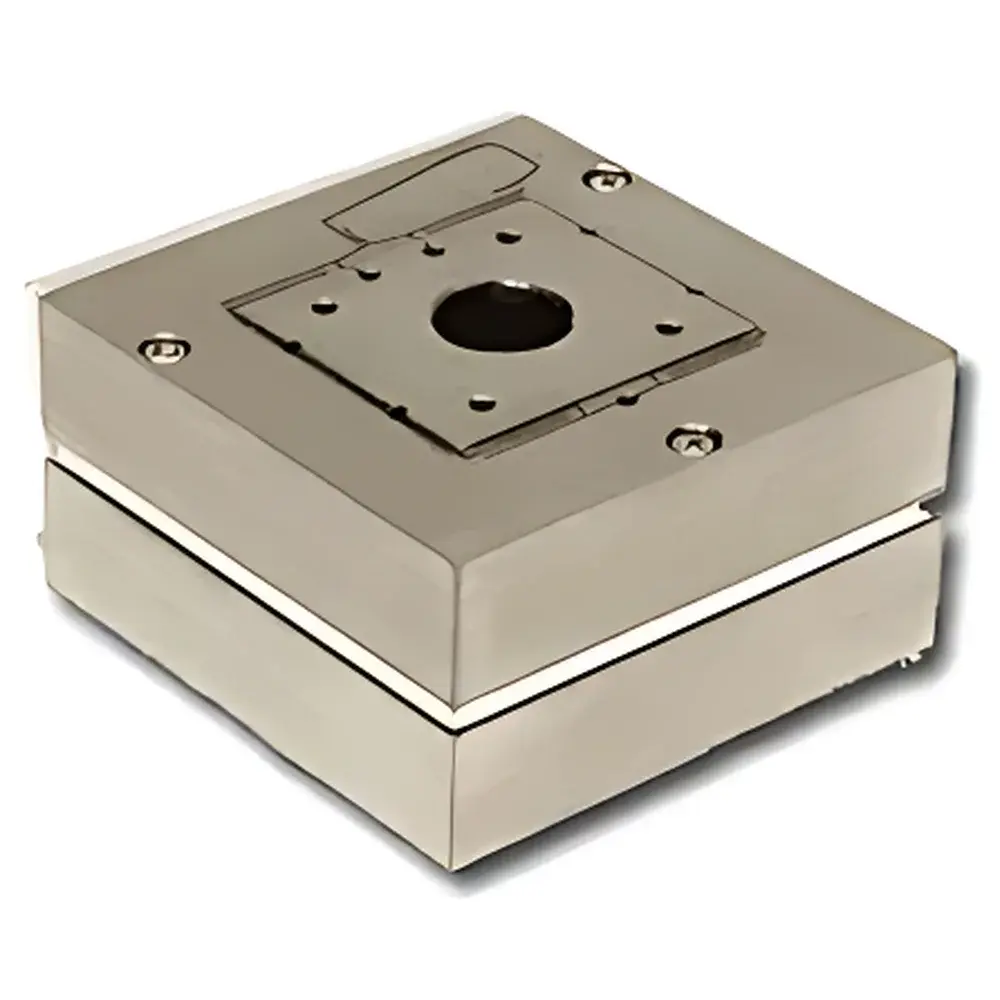
The MCL Think Nano Nano-LPS Series is an ultra-low-profile, three-axis piezoelectric nanopositioning stage engineered for high-precision optical microscopy and single-molecule biophysics applications. Utilizing direct-drive capacitive feedback and proprietary PicoQ® position sensing technology, the Nano-LPS delivers sub-nanometer resolution and exceptional trajectory fidelity across all three orthogonal axes (X, Y, Z). Its mechanical architecture is optimized for minimal vertical footprint—critical for integration beneath objective lenses in inverted microscope configurations—while maintaining high stiffness (1.0 N/µm) and low angular crosstalk (roll/pitch ≤1 µrad, yaw ≤3 µrad). Unlike stepper- or voice-coil-based stages, the Nano-LPS employs monolithic flexure-guided piezoceramic actuators, eliminating friction, hysteresis, and backlash to ensure repeatable, drift-free motion essential for time-lapse super-resolution imaging, optical trapping, and fluorescence correlation spectroscopy.
Key Features
- Ultra-low profile design: Enables seamless retrofitting into standard inverted microscopes without optical path obstruction
- Large central aperture (Ø75 mm): Accommodates full-size 3-inch (75 mm) microscope slides and custom sample carriers
- Closed-loop operation with integrated PicoQ® capacitive sensors: Provides real-time position verification with <0.05% linearity error over full travel range
- Three discrete travel options: Nano-LPS100 (100 × 100 × 100 µm), Nano-LPS200 (200 × 200 × 200 µm), and Nano-LPS300 (300 × 300 × 300 µm)
- Sub-nanometer resolution: 0.2 nm (LPS100), 0.4 nm (LPS200), 0.6 nm (LPS300) — traceable to NIST-traceable calibration standards
- High dynamic performance: Resonant frequencies up to 400 Hz (X/Y axis, LPS100), enabling rapid raster scanning and active stabilization
- Material options: Standard aluminum construction; optional Invar or titanium bodies available for LPS100/LPS200 models to minimize thermal drift in temperature-sensitive environments
Sample Compatibility & Compliance
The Nano-LPS Series is designed for compatibility with live-cell and delicate biological specimens. Its large aperture and low mass support standard glass-bottom dishes, chambered coverslips, and microfluidic flow cells without mechanical interference. The stage meets mechanical safety requirements per ISO 14121-1 for laboratory equipment and complies with electromagnetic compatibility (EMC) standards IEC 61326-1 Class A. When operated with the Nano-Drive® controller, data logging and position commands adhere to audit-trail requirements under GLP and GMP frameworks. While not FDA-cleared as a medical device, its closed-loop repeatability (<±1 nm over 10⁴ cycles) supports method validation per USP and ISO/IEC 17025 for metrological traceability in research-grade instrumentation.
Software & Data Management
The Nano-LPS integrates natively with MCL’s Nano-Drive® control platform, supporting LabVIEW™, MATLAB®, Python (via PyMCL API), and C/C++ SDKs. All firmware versions include timestamped position logging with microsecond resolution, configurable trigger I/O for synchronization with cameras (e.g., sCMOS, EMCCD) and laser sources, and programmable waveform generation (sine, triangle, arbitrary) for active vibration cancellation or structured illumination. Data export formats include HDF5, CSV, and TDMS—ensuring compatibility with downstream analysis pipelines used in ImageJ/Fiji, Imaris, and custom Python-based single-particle tracking software. The Nano-Drive® GUI provides real-time Bode plot visualization of open/closed-loop response, facilitating system-level tuning for application-specific bandwidth optimization.
Applications
- Super-resolution microscopy (STORM, PALM, STED): Precise Z-correction and multi-plane acquisition with nanometer-level z-step accuracy
- Optical tweezers and holographic optical trapping: Sub-millisecond positional update rates enable real-time force feedback and trap repositioning
- Single-molecule FRET and fluorescence lifetime imaging (FLIM): Stable XY positioning minimizes photobleaching artifacts during long-duration acquisitions
- Confocal and multiphoton alignment: High stiffness ensures minimal deflection under objective lens loading during coarse/fine focusing sequences
- Automated slide scanning and tile-based acquisition: Seamless integration with motorized filter wheels and shutters via TTL-triggered sequencing
- Nanoscale material characterization: Compatible with AFM co-localization setups where simultaneous optical and mechanical probing is required
FAQ
What is the difference between the Nano-LPS and Nano-LP series?
The Nano-LPS features a larger central aperture (75 mm vs. 50 mm) and enhanced load capacity in vertical orientation, making it optimized for slide-based biological imaging. The Nano-LP prioritizes higher resonant frequency and lower mass for ultrafast scanning applications.
Can the Nano-LPS be used in vacuum or cleanroom environments?
Standard models are rated for ambient lab conditions only. Vacuum-compatible variants (with outgassing-certified materials and feedthrough connectors) are available upon engineering consultation.
Is third-party software integration supported?
Yes—full driver support is provided for Micro-Manager, MetaMorph, and Nikon NIS-Elements via standardized COM/DCOM and NI-VISA interfaces.
How is thermal drift compensated during extended acquisitions?
While the aluminum body exhibits ~2.3 ppm/°C expansion, optional Invar or titanium bodies reduce this to <0.5 ppm/°C. Active drift correction is achievable using the Nano-Drive®’s external reference input for interferometric or encoder-based feedback.
What maintenance is required for long-term stability?
No routine maintenance is required. The monolithic flexure design eliminates lubricants and wear surfaces. Annual recalibration using MCL’s certified reference interferometer is recommended for metrology-critical applications.