
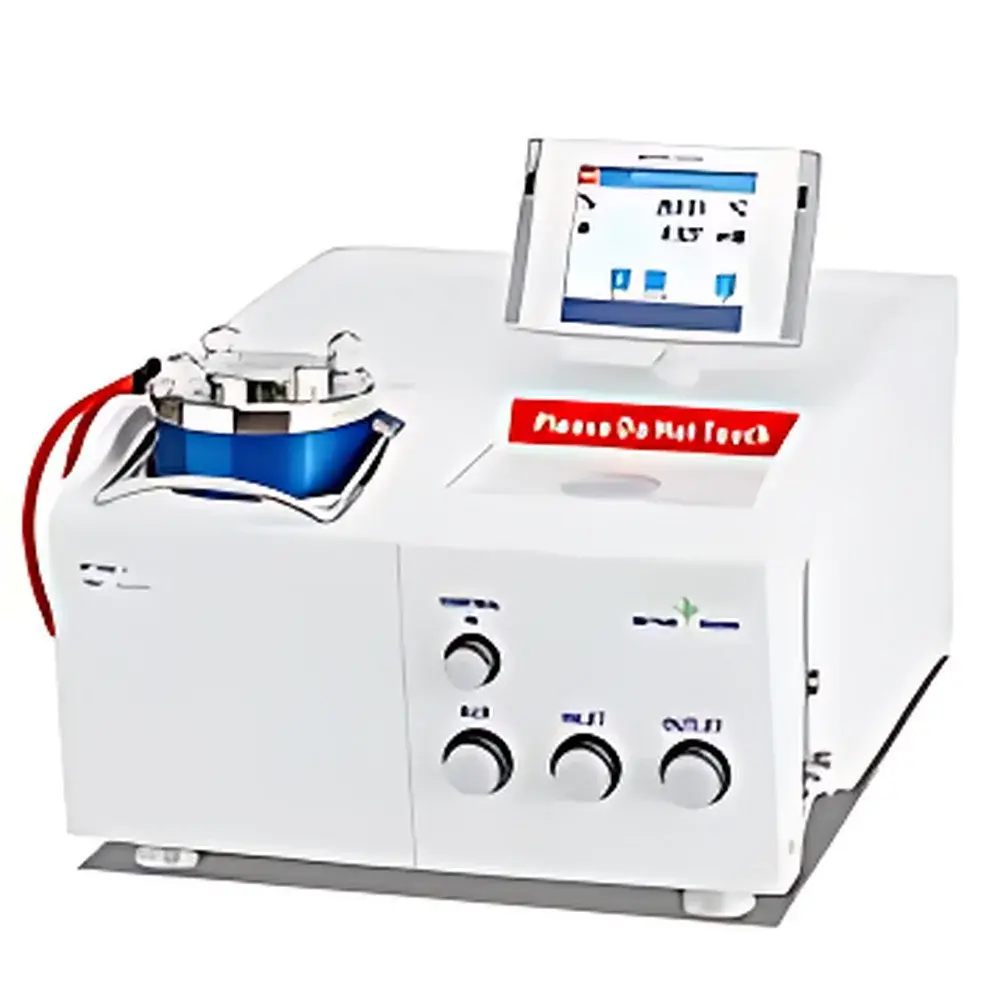
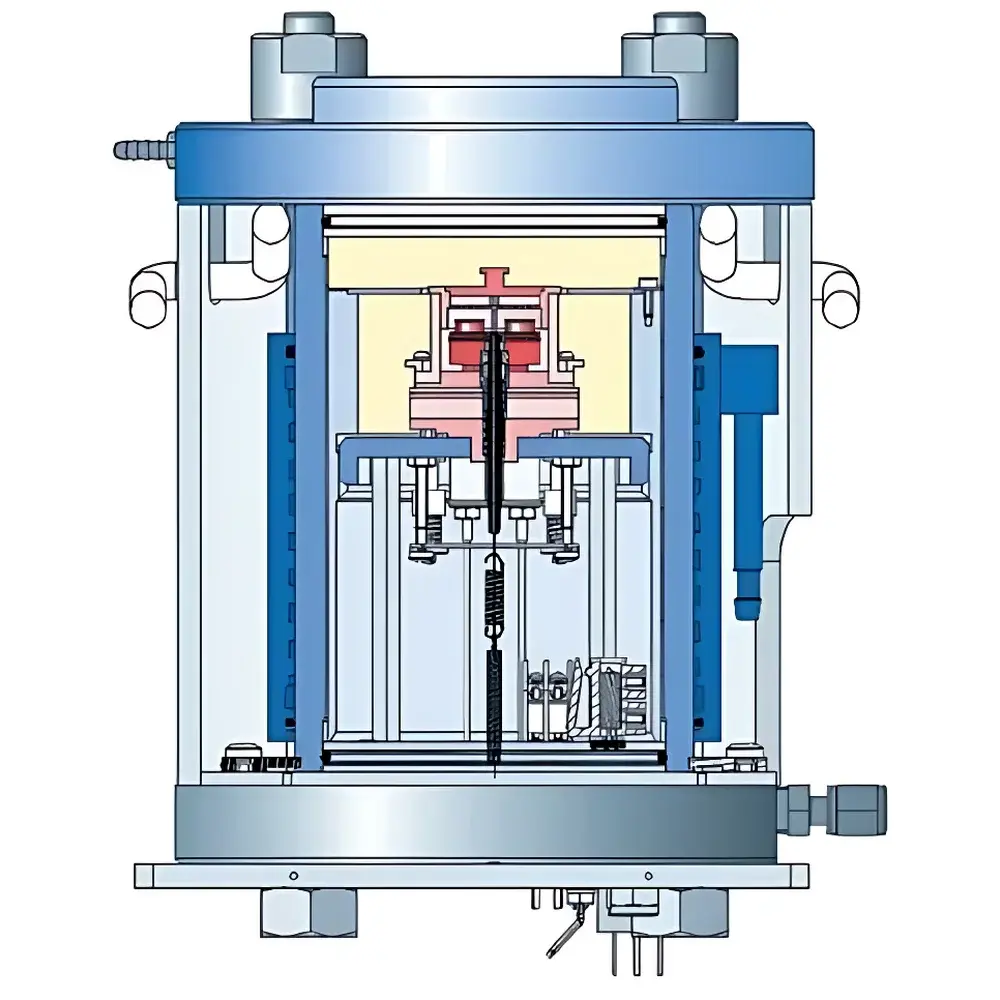
METTLER TOLEDO HP DSC1 High-Pressure Differential Scanning Calorimeter
| Brand | METTLER TOLEDO |
|---|---|
| Origin | Switzerland |
| Model | HP DSC1 |
| Temperature Range | 22–500 °C (optional to 700 °C) |
| Heating/Cooling Rate | 0.1–50 °C/min |
| Pressure Range | 0–10 MPa |
| Heat Flow Sensitivity | 0.04 µW (FRS5 sensor) / 0.01 µW (HSS8 sensor) |
| Sensor Type | FRS5 (56 thermocouple pairs, star configuration) / HSS8 (120 thermocouple pairs, triple-layer configuration) |
Overview
The METTLER TOLEDO HP DSC1 is a high-performance high-pressure differential scanning calorimeter engineered for precise thermal characterization of materials under controlled pressure environments—from full vacuum up to 10 MPa. It extends conventional DSC capabilities by integrating the proven DSC1 furnace architecture into a robust, water-cooled pressure vessel, enabling true isobaric and isothermal measurements during dynamic thermal events. The system operates on the heat-flux DSC principle: differential heat flow between sample and reference is measured via high-resolution thermopile sensors while both crucibles experience identical temperature programming. Critical to high-pressure stability, the furnace features low thermal inertia and optimized insulation to eliminate radial and axial temperature gradients—ensuring baseline flatness, reproducibility, and quantitative accuracy across the full operating pressure range. This architecture supports fundamental thermodynamic investigations—including phase transitions, reaction enthalpies, glass transitions, crystallization kinetics, and adsorption/desorption energetics—under industrially relevant process conditions.
Key Features
- Integrated high-pressure cell with dual mechanical safety systems: rupture disc and reinforced sealing geometry compliant with PED 2014/68/EU and ASME BPVC Section VIII Div. 1 design standards
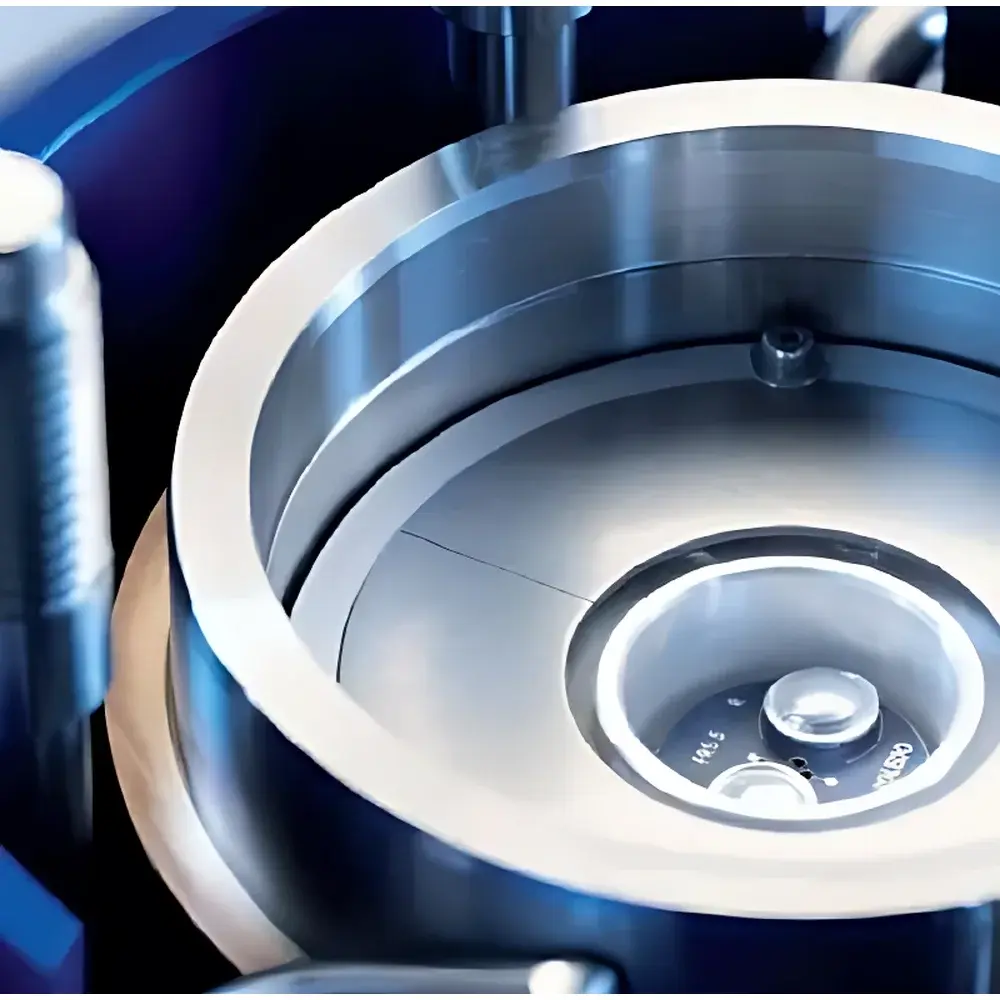
- Two interchangeable high-sensitivity sensors: FRS5 (56 thermocouple pairs in star arrangement) for routine high-precision work; HSS8 (120 thermocouple pairs in three-tier configuration) delivering sub-10 nW noise floor and superior resolution for overlapping or weak thermal events
- Active water-cooled pressure vessel maintaining thermal stability during rapid heating/cooling cycles (0.1–50 °C/min) under sustained pressure load
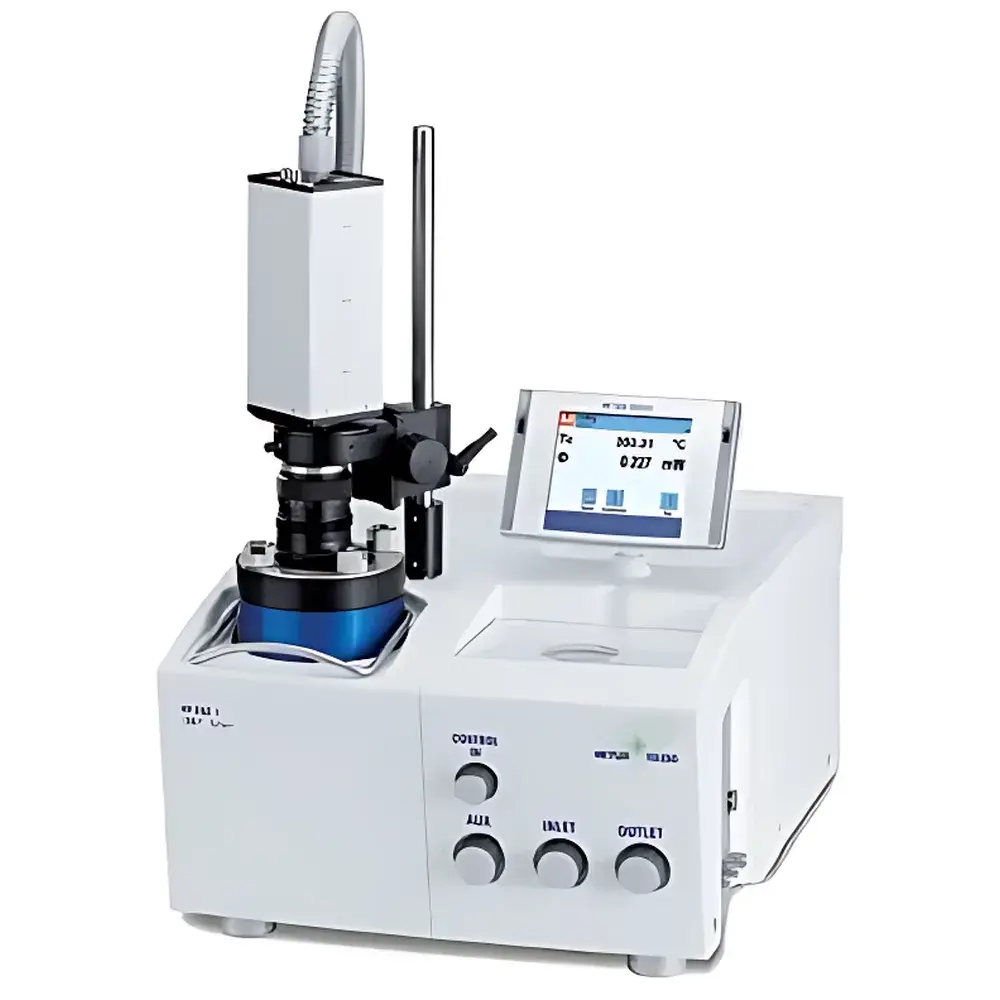
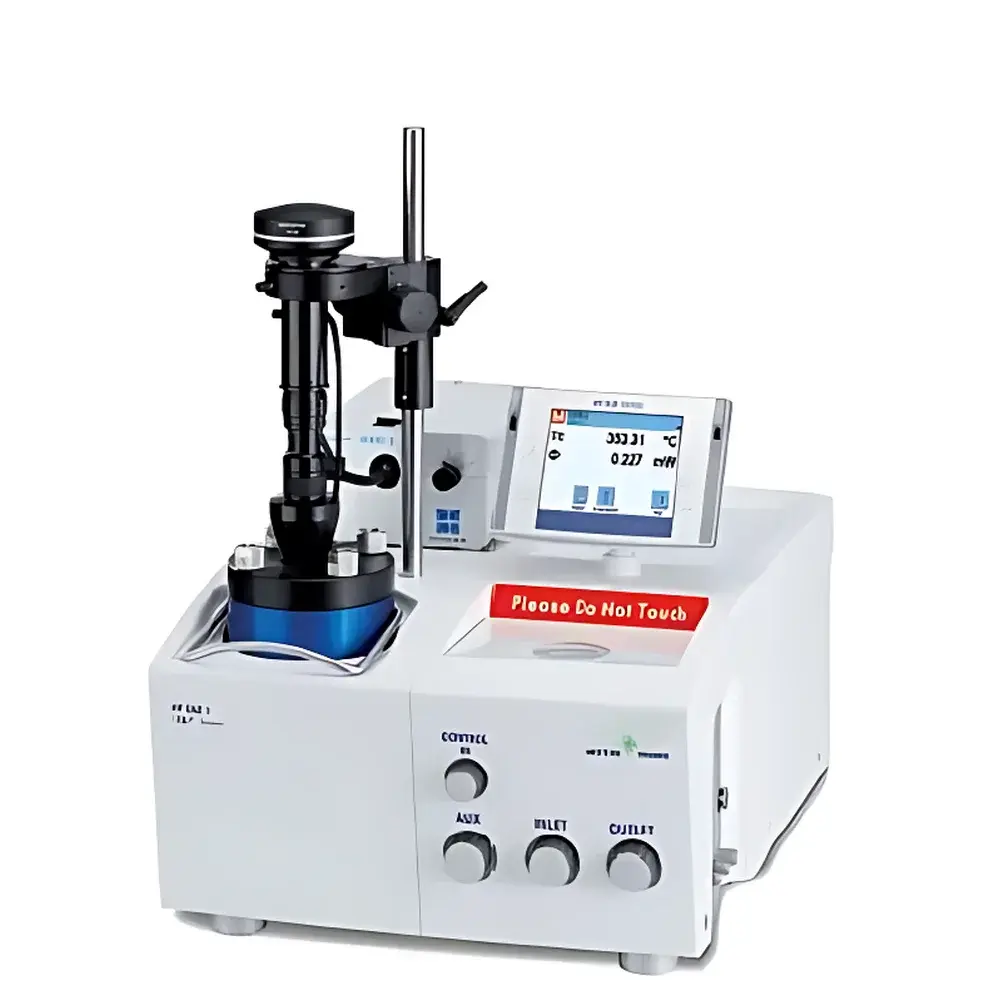
- Modular coupling capability: seamless integration with optional chemiluminescence detection module (HP DSC–CL) for real-time oxidation monitoring, or with optical microscopy stage (HP DSC–Microscope) enabling simultaneous thermal and morphological analysis—a unique configuration in commercial high-pressure DSC platforms
- Full compatibility with static and dynamic gas atmospheres—including O2, H2, CO2, N2, and reactive/toxic gases—via external mass flow and pressure controllers (e.g., Bronkhorst EL-FLOW Select)
Sample Compatibility & Compliance
The HP DSC1 accommodates standard DSC crucibles (aluminum, gold-plated aluminum, stainless steel, and high-pressure resistant alloys) with volume capacities up to 30 µL. It supports heterogeneous samples—including powders, films, gels, catalysts, pharmaceutical formulations, and polymer composites—without requiring encapsulation for most pressure regimes. All hardware and software comply with ISO 11357 series (Plastics — Differential Scanning Calorimetry), ASTM E794 (Melting and Crystallization Temperatures), and USP (Thermal Analysis). Data acquisition and instrument control meet ALCOA+ principles and support 21 CFR Part 11-compliant audit trails when deployed in regulated environments (e.g., pharmaceutical QC/QA laboratories operating under GMP).
Software & Data Management
Controlled via METTLER TOLEDO’s STARe Evaluation Software, the HP DSC1 provides fully integrated method development, real-time pressure–temperature–heat flow synchronization, and automated baseline correction. The software enables multi-step pressure ramps synchronized with thermal programs (e.g., pressurize → hold → heat → depressurize), peak deconvolution using advanced Gaussian fitting algorithms, and quantitative kinetic modeling (e.g., Ozawa–Flynn–Wall, Kissinger). Raw data are stored in vendor-neutral .q42 format with embedded metadata (pressure setpoint, gas composition, sensor ID, calibration history). Export options include CSV, ASCII, and universal .tdms for third-party analysis tools such as MATLAB, OriginLab, or Python-based SciPy workflows.
Applications
- Characterization of polymer processing behavior under elevated pressure—e.g., melt viscosity effects on crystallization onset in polyolefins or crosslinking kinetics in epoxy resins
- Stability assessment of active pharmaceutical ingredients (APIs) and amorphous solid dispersions under humidified or oxidative atmospheres at elevated pressure
- Adsorption thermodynamics of CO2, CH4, or H2 in metal–organic frameworks (MOFs) and activated carbons
- Reaction calorimetry of catalytic hydrogenation or oxidation processes under realistic reactor conditions
- Food science applications including lipid polymorphism, starch gelatinization under pressurized steam, and protein denaturation in functional beverages
FAQ
What pressure calibration protocols are supported?
The HP DSC1 uses traceable quartz Bourdon tube transducers calibrated per ISO/IEC 17025-accredited procedures. Optional NIST-traceable dead-weight tester validation is available for GxP environments.
Can the system operate under inert gas purge without pressure build-up?
Yes—vacuum-to-atmospheric operation is fully supported with continuous purge flow; pressure control is only engaged when actively ramping or holding above ambient.
Is the HSS8 sensor compatible with all pressure ranges?
Yes—the HSS8 is qualified for full 0–10 MPa operation; its triple-layer thermopile design maintains signal integrity and thermal symmetry independent of vessel wall deformation.
How is thermal lag corrected during fast heating under pressure?
STARe software applies dynamic lag compensation using furnace-specific transfer function models derived from step-response characterization at multiple pressures and heating rates.
Does the system support automated sample changers?
Not natively—the HP DSC1 is designed for manual, high-integrity sample loading due to pressure vessel access constraints; however, custom robotic interface solutions have been implemented in select industrial R&D facilities upon request.
Related Products



