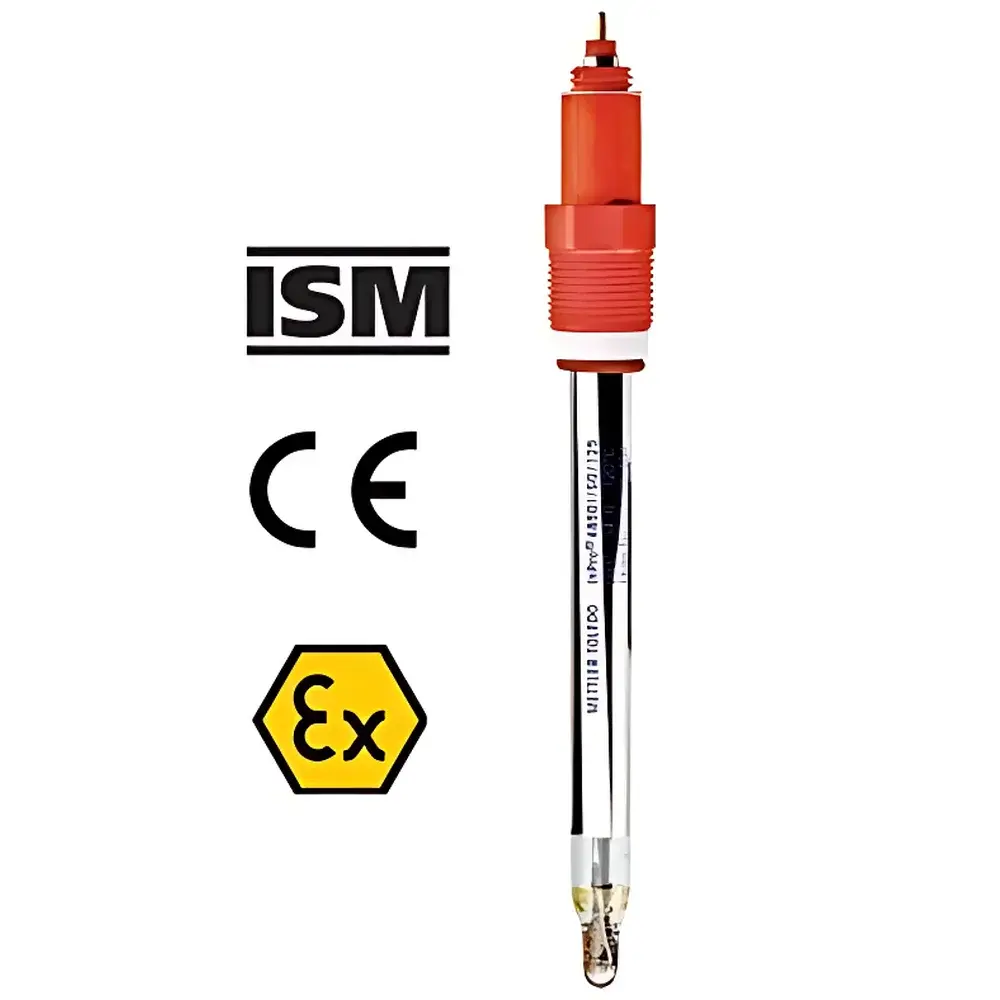
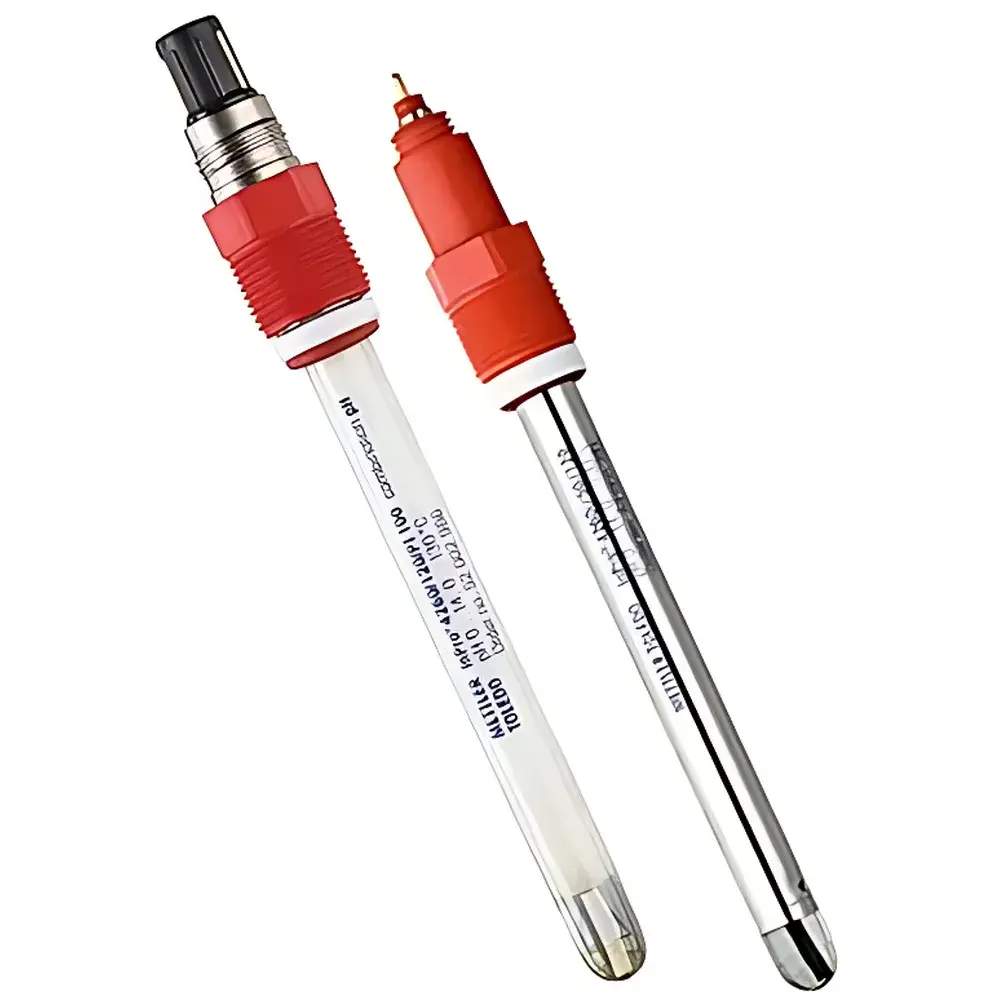
METTLER TOLEDO InPro 3250/3350 Series Online pH and ORP Analyzer
| Brand | METTLER TOLEDO |
|---|---|
| Origin | Switzerland |
| Manufacturer Type | Authorized Distributor |
| Origin Category | Imported |
| Model | InPro 3250/3350 Series |
| Pricing | Available Upon Request |
Overview
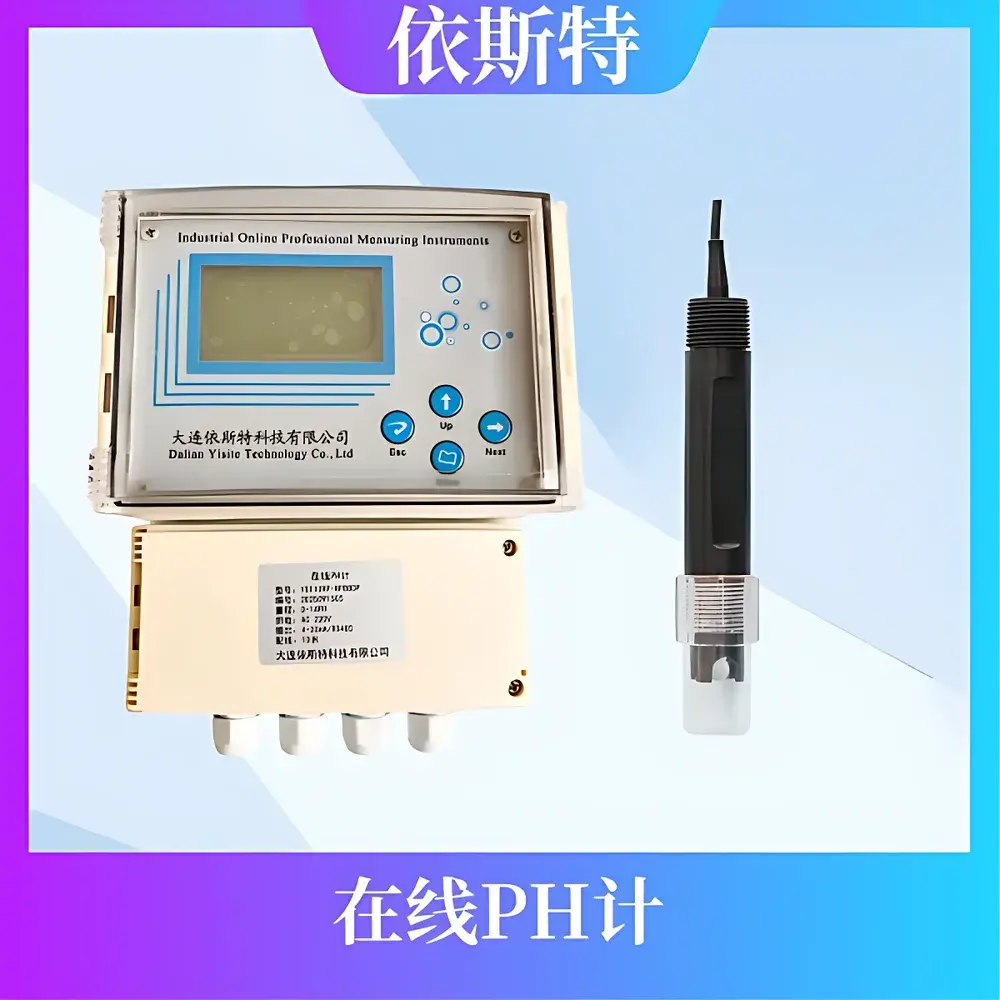
The METTLER TOLEDO InPro 3250 and InPro 3350 Series are industrial-grade online pH and ORP analyzers engineered for continuous, high-reliability measurement in demanding process environments. Built upon the legacy of Ingold—the pioneer of the modern pH composite electrode since 1948—these analyzers integrate advanced electrochemical sensing with intelligent diagnostics to deliver stable, traceable, and maintenance-aware operation. The core measurement principle relies on potentiometric detection using a glass pH sensing membrane and a stable reference system (Ag/AgCl or KCl-based), coupled with a redox-active element for ORP (oxidation-reduction potential) determination. Designed for permanent installation in pipelines, bioreactors, mixing tanks, effluent channels, and ultra-pure water loops, the InPro 3250/3350 series supports real-time monitoring under extreme conditions—including sterilization-in-place (SIP), clean-in-place (CIP), high-pressure steam exposure (up to 140 °C), and aggressive chemical media such as HF, strong oxidizers, and organic solvents.
Key Features
- ISM (Intelligent Sensor Management) technology embedded directly in the sensor electronics—enables real-time tracking of glass membrane impedance, reference junction resistance, response time drift, and total operational hours.
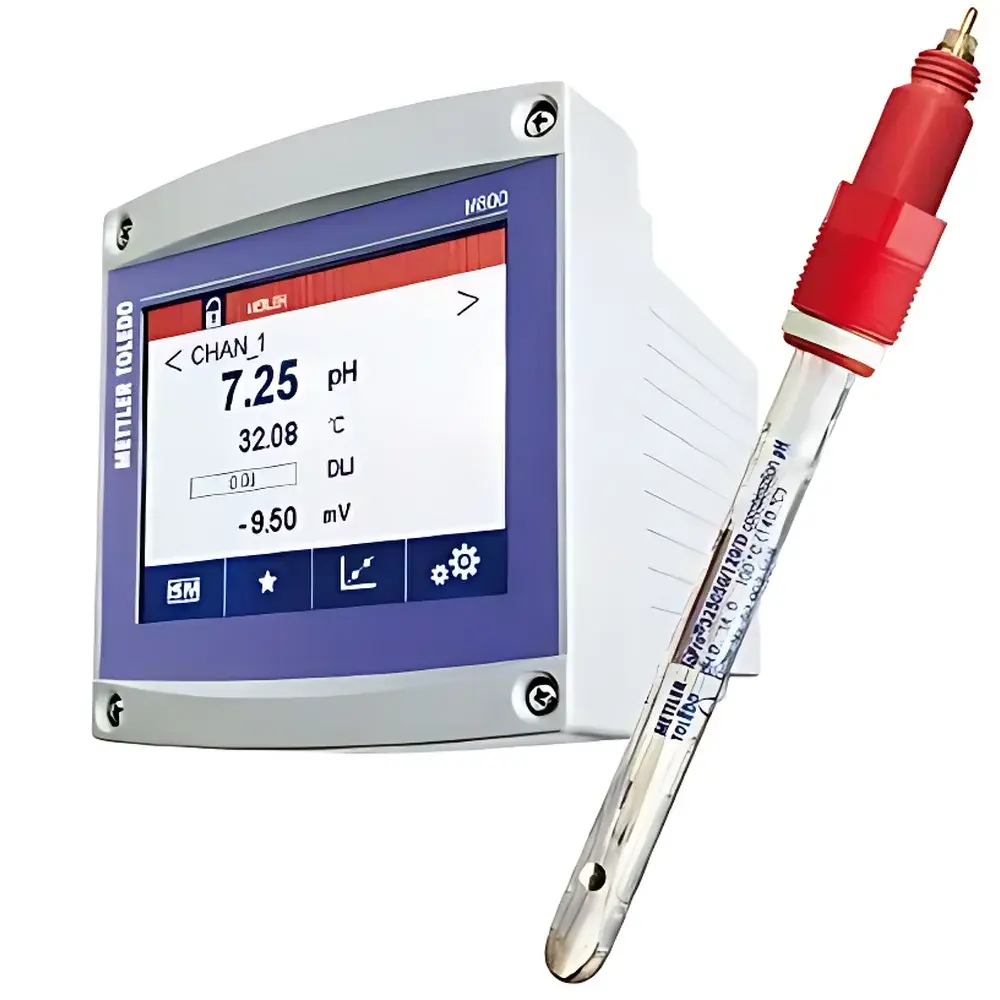
- Auto-diagnostic alerts displayed directly on compatible METTLER TOLEDO transmitters (e.g., M400, M800, or GPro 500)—indicating optimal calibration intervals, required maintenance actions, and end-of-life predictions.
- Modular electrode architecture with interchangeable sensing elements—supports rapid field replacement without process shutdown.
- Multiple diaphragm options (ceramic, PTFE, open junction, sleeve-type) and electrolyte formulations (polymer gel, liquid-filled, low-chloride, HF-resistant) tailored for specific process chemistries.
- Robust mechanical design compliant with IP68/NEMA 4X ratings; pressure-rated up to 10 bar (145 psi) at 100 °C; autoclavable and SIP-compatible per ISO 13485 and ASME BPE standards.
- Integrated temperature compensation via Pt1000 or NTC thermistor—ensuring accurate pH correction across wide thermal ranges (−5 to 140 °C).
Sample Compatibility & Compliance
The InPro 3250/3350 platform accommodates diverse sample matrices without compromising accuracy or longevity. Electrode variants include HF-resistant glass membranes for hydrofluoric acid applications; high-temperature polymer-bodied sensors for biopharmaceutical fermenters; non-glass solid-state ORP electrodes for food & beverage lines; and low-conductivity optimized sensors for ultrapure water (UPW) systems meeting ASTM D1125 and USP . All sensors comply with IEC 61298-2 for process measurement instrumentation, and transmitter integration supports FDA 21 CFR Part 11-compliant audit trails when deployed with METTLER TOLEDO’s LabX or iC software suites. Full documentation packages—including material declarations (RoHS, REACH), calibration certificates (NIST-traceable), and validation support files—are provided for GMP/GLP-regulated facilities.
Software & Data Management
When paired with METTLER TOLEDO’s M800 Multi-parameter Transmitter or GPro 500 gas/pH/ORP controller, the InPro 3250/3350 enables seamless integration into distributed control systems (DCS) and SCADA platforms via HART, PROFIBUS PA, FOUNDATION Fieldbus, or Modbus TCP protocols. Configuration, calibration history, diagnostic logs, and predictive maintenance schedules are accessible through the web-based iSense software or cloud-enabled METTLER TOLEDO Process Analytics Portal. All calibration events—including buffer recognition, slope calculation, asymmetry potential, and ISM-derived health metrics—are timestamped, user-identified, and stored with full electronic signature capability for regulatory compliance.
Applications
- Biopharmaceutical manufacturing: Real-time pH and ORP monitoring during upstream fermentation, downstream purification, and final formulation—validated for SIP/CIP cycles and USP analytical instrument qualification.
- Chemical process industries: Corrosion-resistant sensing in caustic soda production, chlorine generation, nitric acid synthesis, and petrochemical refining.
- Water and wastewater treatment: Continuous monitoring of influent/effluent pH, disinfection efficiency (via ORP), and neutralization control in municipal and industrial plants.
- Food & beverage processing: Non-glass electrode variants certified for direct contact with edible products per FDA 21 CFR 177.2600 and EU Regulation (EC) No. 1935/2004.
- Power generation: High-purity water cycle monitoring in boiler feedwater and condensate systems per EPRI guidelines and ASTM D4582.
FAQ
What is ISM technology, and how does it improve process reliability?
ISM embeds microelectronics within the pH sensor housing to continuously monitor electrochemical parameters—including glass impedance, reference resistance, and response kinetics—and translate them into actionable maintenance guidance visible on the transmitter display.
Can these analyzers be used in sterile bioreactor applications?
Yes. The InPro 3350 series features autoclavable, SIP-rated models with integrated temperature sensors and diaphragm designs validated for repeated 121–135 °C steam cycles per ISO 13485 and ASME BPE-2022 Annex A.
Do METTLER TOLEDO online pH electrodes require regular recalibration?
Calibration frequency depends on process stability and ISM health indicators—but typical intervals range from 24 hours in aggressive media to 7–14 days in controlled UPW systems. ISM alerts notify operators before performance degradation exceeds defined thresholds.
Is third-party validation support available for regulated industries?
Yes. METTLER TOLEDO provides IQ/OQ documentation templates, URS alignment services, and on-site qualification support aligned with GAMP 5, Annex 11, and FDA Process Validation Guidance.
How is electrode lifetime determined in practice?
ISM calculates remaining service life based on cumulative thermal stress, electrical loading, and impedance trends—not just calendar time—enabling condition-based replacement and minimizing unplanned downtime.