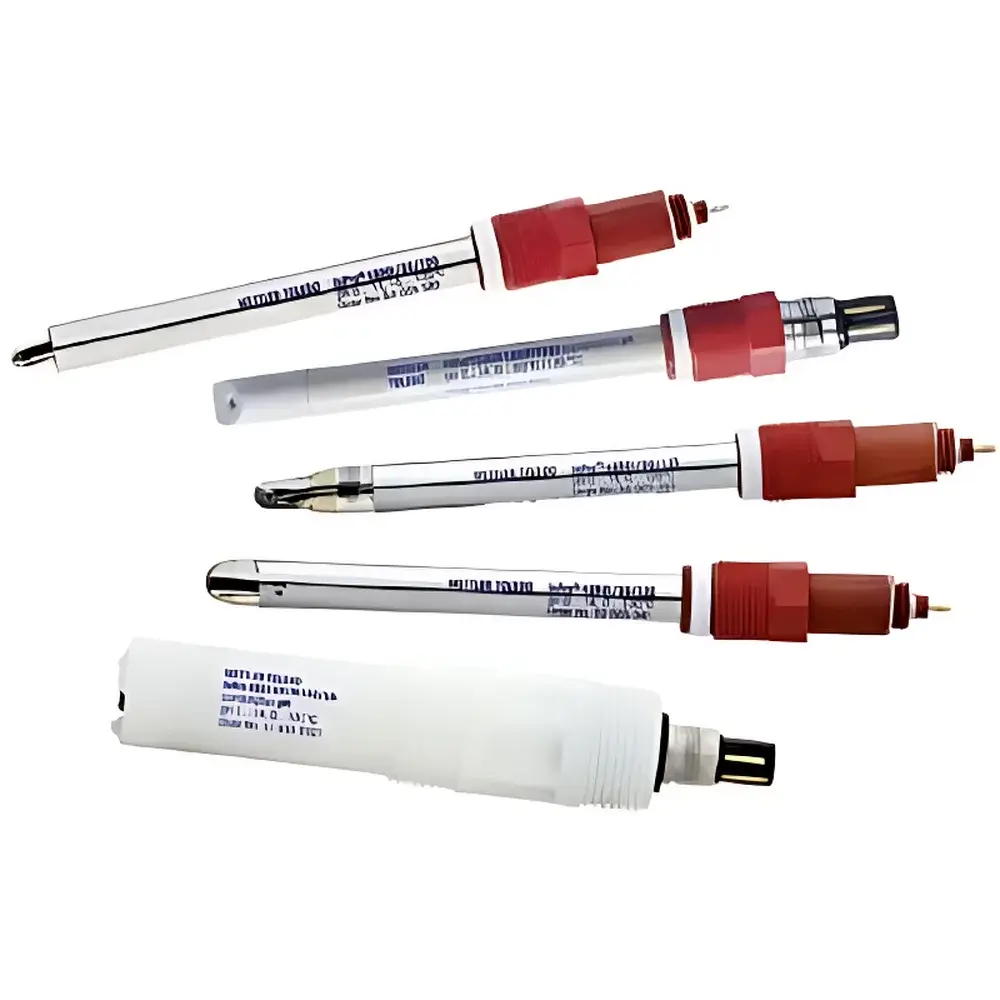
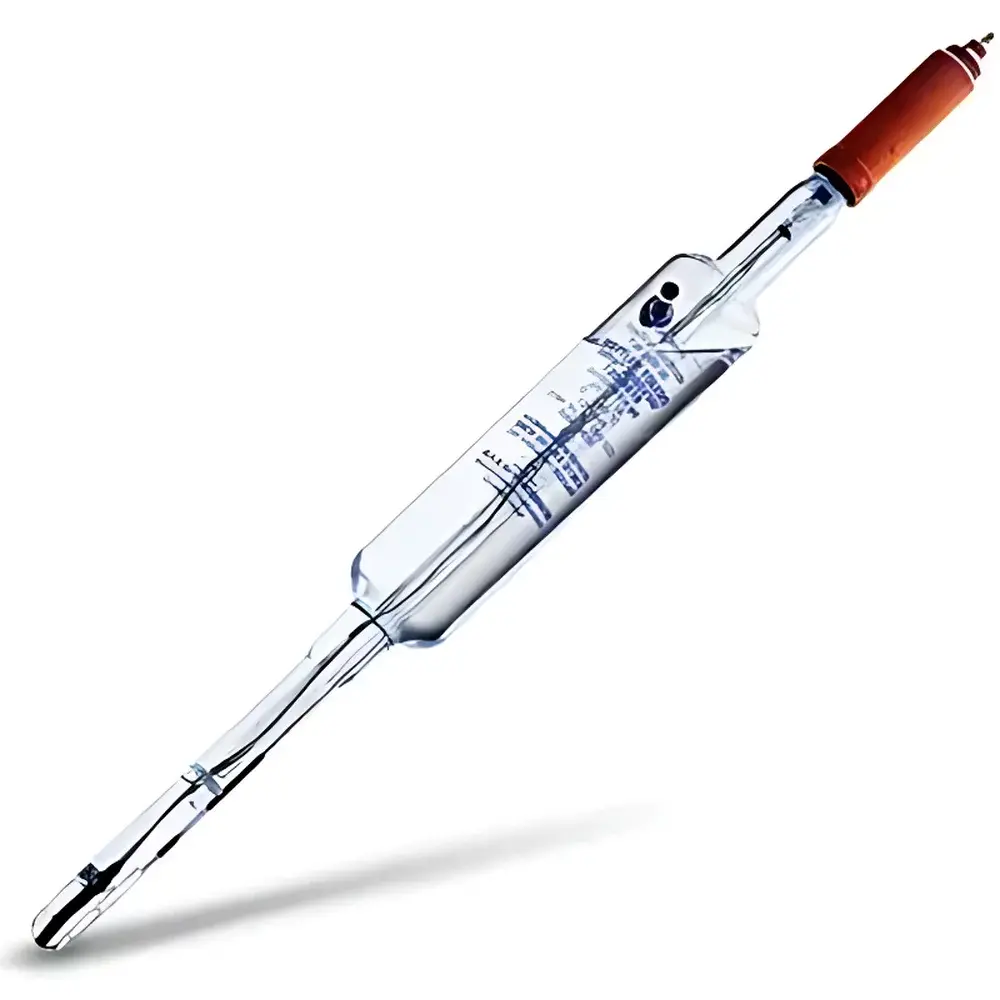
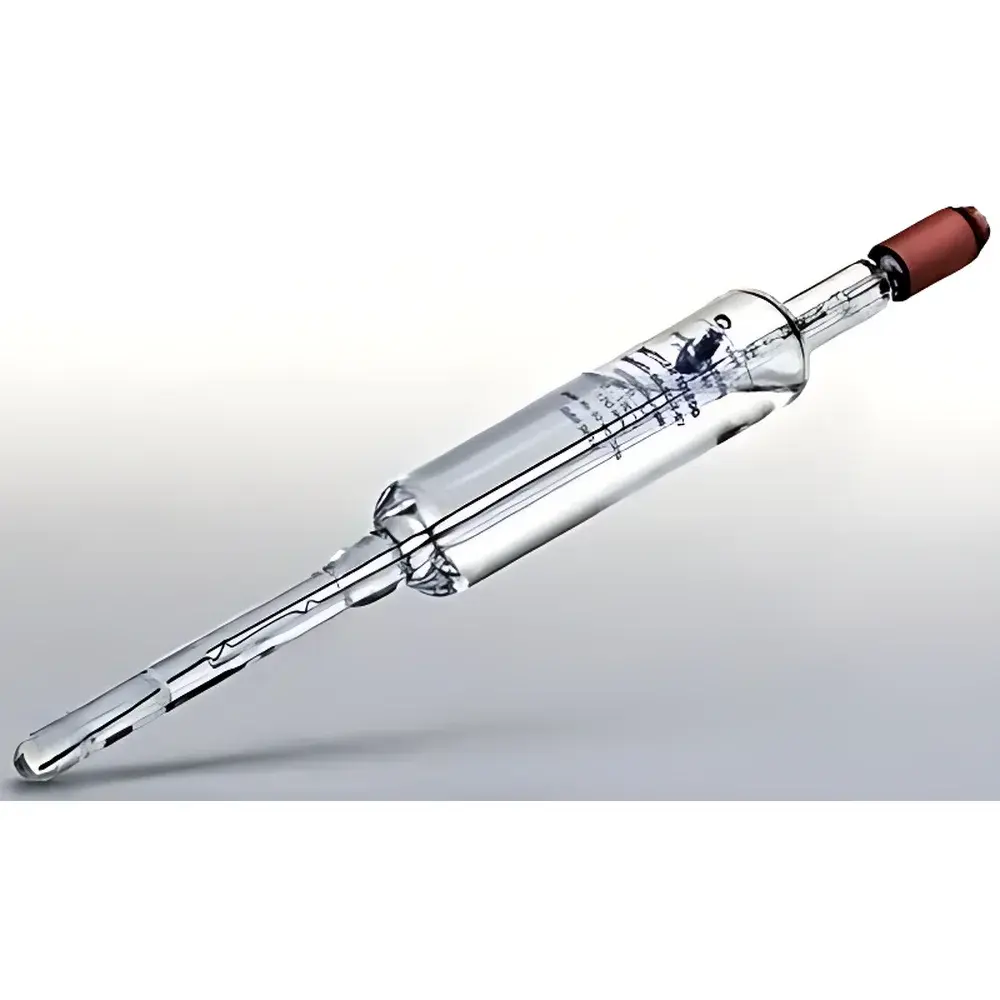
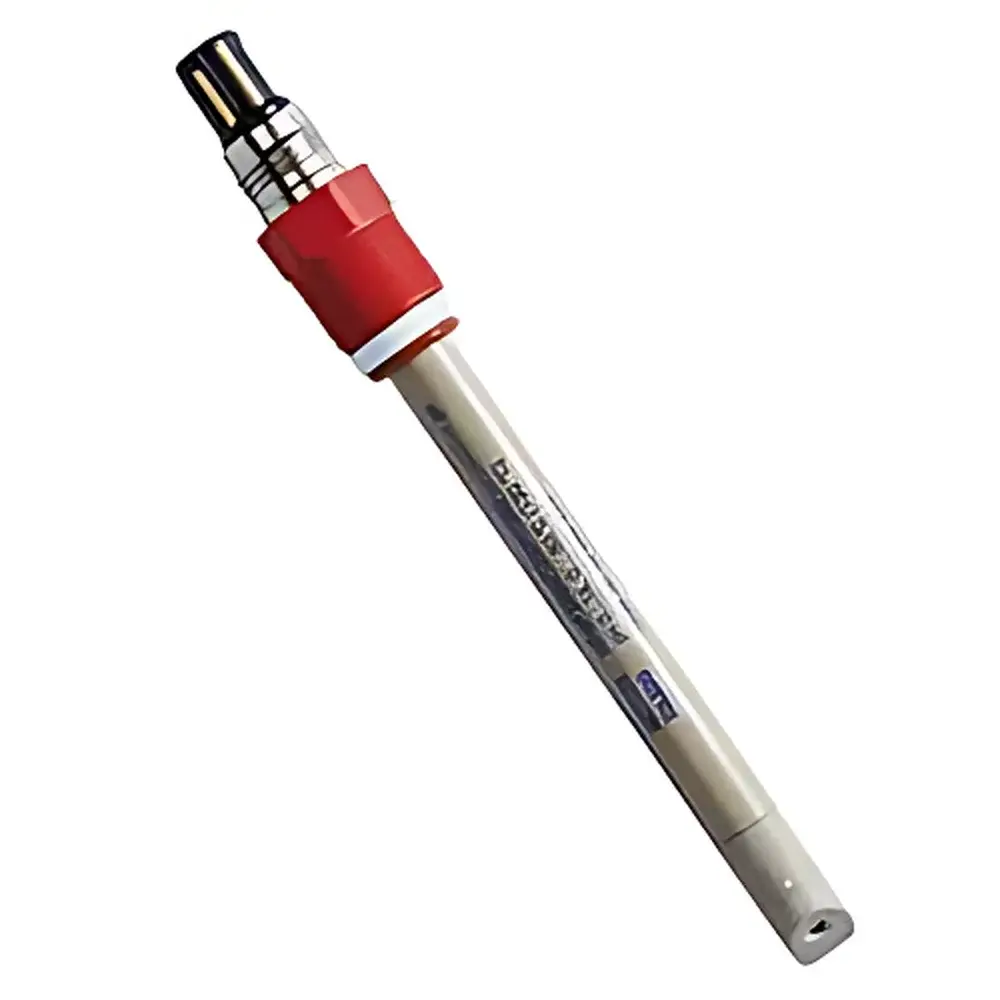
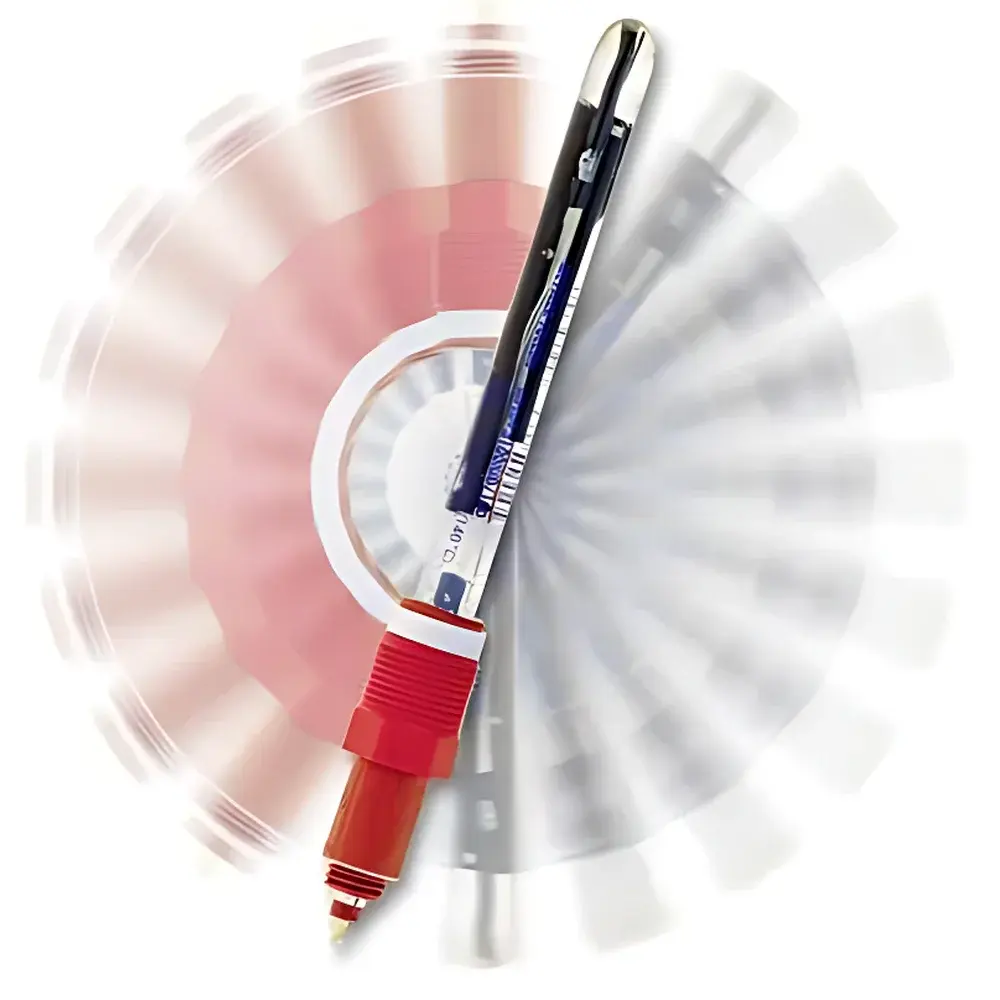
METTLER TOLEDO InPro Series Online pH/ORP Sensors
| Brand | METTLER TOLEDO |
|---|---|
| Origin | Switzerland |
| Model Range | InPro 2000, InPro 2002, InPro 3×00, InPro 4×00, InPro 5×00, InPro 7×00 |
| Electrode Architecture | Combination pH/ORP sensor with integrated reference system |
| Intelligent Sensor Management (ISM) | Real-time electrode health monitoring including glass membrane impedance, reference junction resistance, response time, and service life estimation |
| Temperature Compensation | Integrated Pt1000 or Pt100 RTD |
| Process Connection | Standardized ¾" NPT, DIN 19213, or sanitary Tri-Clamp fittings |
| Pressure Rating | Up to 10 bar (varies by model) |
| Temperature Range | –10 °C to +130 °C (model-dependent) |
| Certifications | ATEX/IECEx Zone 1, FM Class I Div 1, SIL2 compliant per IEC 61508, FDA 21 CFR Part 11 ready (when paired with compatible transmitter) |
Overview
The METTLER TOLEDO InPro Series represents a benchmark in industrial online pH and ORP measurement, engineered for continuous, high-reliability operation in demanding process environments. Rooted in the foundational invention of the modern pH composite electrode by Dr. Fritz Ingold in 1948, the InPro platform integrates over seven decades of electrochemical sensor design expertise with proprietary Intelligent Sensor Management (ISM) technology. Each InPro sensor operates on the principle of potentiometric measurement: the glass membrane develops a potential proportional to hydrogen ion activity (pH), while the noble metal sensing element (e.g., platinum or gold) measures redox potential relative to a stable internal reference. The sensor’s robust construction—featuring chemically resistant glass formulations (e.g., low-resistance, HF-resistant, or high-temperature glass), optimized liquid or polymer electrolyte systems, and sealed double-junction reference architectures—ensures long-term stability, minimal drift, and resistance to poisoning in complex matrices such as biopharmaceutical broths, aggressive chemical streams, ultrapure water, and wastewater effluents.
Key Features
- ISM-enabled predictive diagnostics: Real-time monitoring of glass membrane impedance, reference junction resistance, asymmetry potential, and response time—displayed directly on compatible transmitters (e.g., M300, M400, or GPro 500) to support condition-based maintenance.
- Modular electrode architecture: Interchangeable sensing elements, electrolyte types (liquid, gel, solid polymer), and body materials (PEEK, Ryton®, Hastelloy® C-22) allow precise adaptation to process chemistry, temperature, pressure, and sterilization requirements.
- Wide operational envelope: Certified for use from –10 °C to +130 °C and up to 10 bar pressure; validated for repeated SIP (steam-in-place) cycles at 121 °C or CIP (clean-in-place) with caustic or acidic solutions.
- Multi-point mounting flexibility: Compatible with immersion, flow-through, retractable, sanitary clamp, and inverted installation configurations—enabling integration into bioreactors, pipelines, clarifiers, RO skids, and neutralization tanks.
- Electrolyte management options: Refillable liquid-electrolyte variants (e.g., InPro 2000 series) for maximum accuracy in low-conductivity media; maintenance-free gel- or polymer-electrolyte models (e.g., InPro 3250, InPro 4250) for reduced operator intervention.
Sample Compatibility & Compliance
InPro sensors are validated across diverse industrial applications requiring regulatory adherence and metrological traceability. They meet ISO 17025-compliant calibration protocols when used with certified buffer standards (NIST-traceable, DIN 19266). For pharmaceutical manufacturing, models such as the InPro 4250i and InPro 7250 are designed to comply with USP , , and Annex 1 requirements for sterile process monitoring. All ISM-capable variants support full audit trail generation—including calibration history, maintenance logs, and sensor lifetime metrics—satisfying FDA 21 CFR Part 11 data integrity expectations when deployed with METTLER TOLEDO’s GMP-compliant transmitter firmware. CE, UKCA, and PED 2014/68/EU marking applies across the series; hazardous area variants carry ATEX II 1G Ex ia IIC T4 Ga and IECEx certification.
Software & Data Management
ISM functionality is fully leveraged through METTLER TOLEDO’s iSense software suite and native integration with industry-standard DCS/SCADA platforms via HART, PROFIBUS PA, FOUNDATION Fieldbus, or Modbus TCP. iSense enables remote configuration, trend analysis of electrode degradation parameters, automated calibration scheduling, and export of CSV- or PDF-formatted compliance reports. Transmitter firmware supports configurable alarm thresholds for impedance deviation (>500 MΩ), slow response (>30 s to 90% step change), or asymmetry shift (>±30 mV), triggering actionable maintenance workflows. All data timestamps are synchronized to NTP servers, ensuring GLP/GMP audit readiness.
Applications
- Biopharmaceutical: Real-time pH control during mammalian cell culture, fermentation, and downstream purification—especially where SIP/CIP compatibility and low-protein-fouling surfaces are critical.
- Chemical processing: Monitoring acid-base neutralization, chlorine dosing, and corrosion inhibitor effectiveness in high-ionic-strength, oxidizing, or HF-containing streams.
- Power generation: Ultrapure water (UPW) pH monitoring in condensate polishers and boiler feedwater systems per ASTM D1129 and EPRI guidelines.
- Food & beverage: Batch pH verification in dairy, brewing, and juice production under sanitary conditions meeting 3-A SSI standards.
- Environmental: Continuous effluent monitoring in municipal wastewater treatment plants complying with EPA Method 150.1 and ISO 10523.
FAQ
How does ISM improve process uptime?
ISM continuously evaluates electrochemical health metrics, enabling predictive maintenance instead of reactive replacement—reducing unplanned outages by up to 40% in validated bioprocess deployments.
Can InPro sensors be calibrated in-situ without removal?
Yes—when paired with METTLER TOLEDO’s AutoCal or CalFree modules, automatic two-point calibration or drift-compensated single-point verification is supported without manual disassembly.
What distinguishes liquid-, gel-, and polymer-electrolyte InPro models?
Liquid-electrolyte sensors (e.g., InPro 2002) offer highest accuracy in low-conductivity water but require periodic refilling; gel- and polymer-electrolyte variants (e.g., InPro 3250, InPro 4250) eliminate leakage risk and extend service intervals in viscous or particulate-laden media.
Are InPro sensors suitable for hydrogen fluoride (HF) applications?
Yes—the InPro 7×00 series features HF-resistant glass membranes and PEEK/PFA housings, validated for continuous operation in HF concentrations up to 10% at temperatures ≤50 °C.
How is temperature compensation implemented?
All InPro sensors integrate Pt1000 or Pt100 RTDs conforming to IEC 60751 Class B, enabling automatic, linearized temperature compensation within the transmitter firmware per NIST SRM 186 pH-temperature relationships.