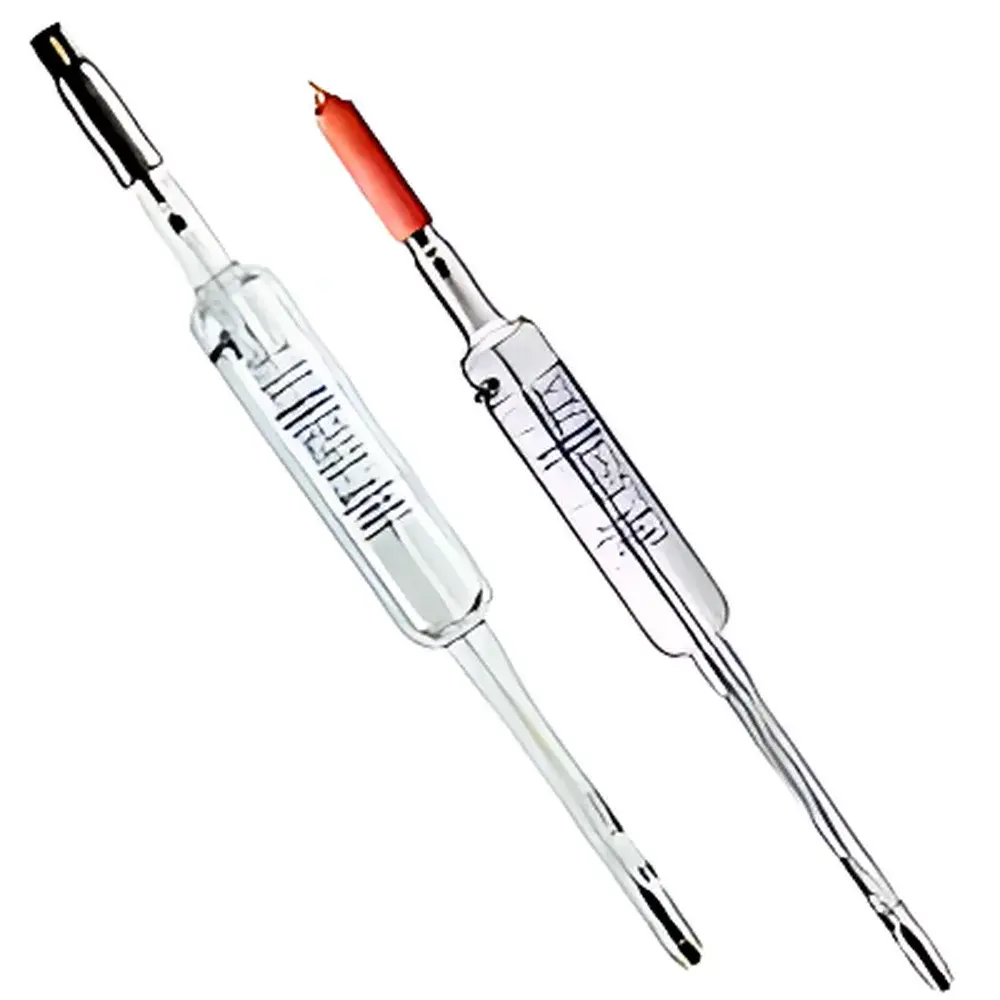
METTLER TOLEDO InPro2000 / InPro2000i Online pH Electrode with Integrated Temperature Sensor and ISM Technology
| Brand | METTLER TOLEDO |
|---|---|
| Origin | Switzerland |
| Model | InPro2000 / InPro2000i |
| pH Range | 0–14 |
| Temperature Range | 0–140 °C (32–284 °F) |
| Max. Pressure Rating | 6 bar (87 psi) |
| Junction | Ceramic |
| Reference System | Ag/AgCl with Silver Ion Trap |
| Sterilizable | Yes |
| ATEX Certification | Ex II 1/2G EEx ia IIc T6/T5/T4/T3, SNCH 00 ATEX 3130X FM Certified for Class I, II, III |
Overview
The METTLER TOLEDO InPro2000 and InPro2000i are high-performance, refillable liquid-electrolyte pH electrodes engineered for continuous, reliable online pH measurement in demanding industrial process environments. Based on the well-established potentiometric principle—measuring the voltage difference between a pH-sensitive glass membrane and a stable reference electrode—the InPro2000 series delivers robust performance across aggressive chemical media, high-temperature sterilization cycles, and pressurized reactor or pipeline conditions. Its design incorporates a built-in Pt1000 temperature sensor compliant with IEC 60751, enabling automatic temperature compensation (ATC) without external probes. The electrode utilizes a ceramic junction for consistent electrolyte outflow and low electrical resistance, ensuring stable reference potential and minimal drift over extended operation. Designed specifically for integration into hygienic, pharmaceutical, biotech, food & beverage, and fine chemical manufacturing systems, the InPro2000 meets stringent requirements for process validation, repeatability, and long-term stability under cyclic thermal and mechanical stress.
Key Features
- Refillable liquid electrolyte system with pressure-assisted filling—ensures continuous electrolyte flow, minimizes clogging, and extends service life even in viscous, particulate-laden, or low-conductivity process streams.
- Integrated Pt1000 temperature sensor (IEC 60751 Class B) enables real-time, high-accuracy temperature compensation directly at the measurement point—eliminating errors from ambient or remote probe placement.
- ISM (Intelligent Sensor Management®) digital interface via VP connector provides plug-and-play installation, automatic sensor recognition, and full traceability of calibration history, maintenance logs, and operational diagnostics—including remaining lifetime estimation, asymmetry potential, and slope deviation alerts.
- Ceramic junction offers balanced electrolyte diffusion rate and mechanical resilience—optimized for applications requiring high reproducibility and resistance to fouling or crystallization.
- Full sterilizability via SIP (Steam-in-Place) up to 140 °C and compatibility with CIP (Clean-in-Place) protocols—validated for use in GMP-compliant bioreactors and aseptic processing lines.
- ATEX-certified variants (InPro2000i) meet Zone 0/1 hazardous area requirements per EN IEC 60079-0, -11, and -26, with intrinsic safety approval for gas groups IIc and temperature classes T3–T6.
Sample Compatibility & Compliance
The InPro2000 is suitable for aqueous and mildly organic process streams, including fermentation broths, buffer solutions, cleaning agents (e.g., NaOH, HNO₃), and product intermediates across pH 0–14. It is not recommended for strong non-aqueous solvents, hydrofluoric acid, or highly sulfide-rich media without protective sleeves. The electrode complies with ISO 15270 (pH measurement in bioprocessing), USP and (sterile compounding and bioburden control), and supports FDA 21 CFR Part 11 compliance when paired with METTLER TOLEDO’s SevenMulti™ or EasyDirect™ process transmitters featuring audit trail and electronic signature functionality. All wetted parts conform to USP Class VI and FDA 21 CFR 177.2600 for food-contact materials.
Software & Data Management
When connected to METTLER TOLEDO’s iSense™ or LabX® process software suite, the InPro2000 enables centralized configuration, automated calibration scheduling, and secure data archiving with time-stamped event logging. ISM-generated diagnostic metadata—including calibration date, number of calibrations performed, accumulated exposure time, and predictive failure indicators—is embedded in each measurement record. This facilitates GLP/GMP-aligned documentation, reduces manual verification steps during regulatory audits, and supports trend analysis for preventive maintenance planning. Data export formats include CSV, PDF, and XML, compatible with LIMS and MES platforms via OPC UA or Modbus TCP interfaces.
Applications
- Real-time pH monitoring in stainless-steel bioreactors during upstream processing (cell culture, microbial fermentation)
- Continuous control of neutralization reactions in API synthesis and fine chemical batch reactors
- In-line pH verification during CIP/SIP validation cycles in pharmaceutical water systems (PW, WFI)
- pH supervision in dairy pasteurization lines, beer fermentation tanks, and juice concentration processes
- Regulatory-compliant environmental effluent monitoring in chemical manufacturing wastewater treatment
FAQ
What is the difference between InPro2000 and InPro2000i?
The InPro2000i includes additional intrinsic safety certification (ATEX/IECEx) for installation in hazardous areas classified as Zone 0 or Zone 1, whereas the standard InPro2000 is rated for general-purpose industrial use.
Can the InPro2000 be autoclaved?
No—it is designed for SIP (steam-in-place) up to 140 °C at ≤6 bar, but not for dry-heat autoclaving or repeated exposure above 140 °C.
Is the electrolyte refillable in situ without removing the electrode from the process?
Yes—via the top-mounted refill port and pressure-assisted filling system, allowing maintenance during operation with minimal process interruption.
Does ISM require special transmitter hardware?
Yes—ISM functionality requires a compatible digital transmitter such as the METTLER TOLEDO M800, M900, or SevenExcellence™ with ISM-enabled firmware and VP interface support.
How often should calibration be performed in continuous operation?
Calibration frequency depends on process stability and regulatory requirements; typical intervals range from daily (critical GMP applications) to weekly (robust chemical processes), guided by ISM diagnostic trends and alarm thresholds.