
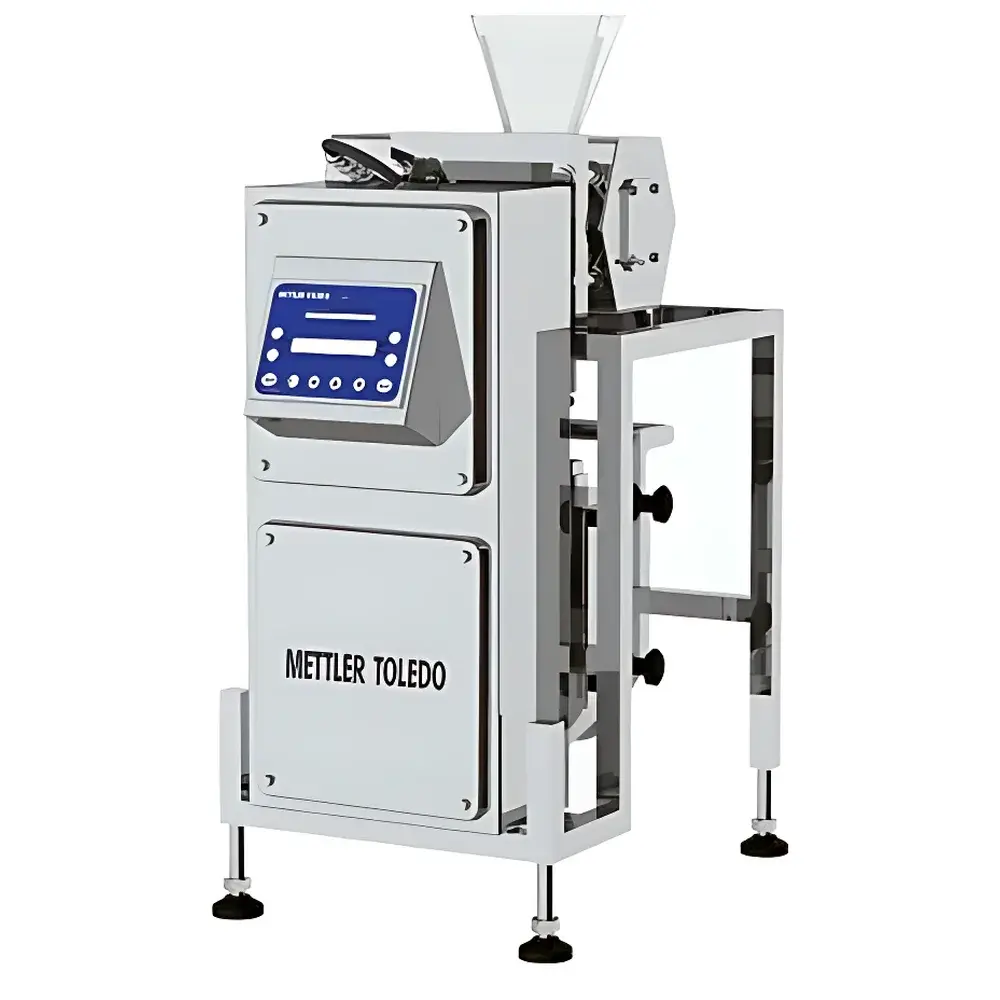
METTLER TOLEDO R/T/L/Series Industrial Metal Detection Systems
| Brand | METTLER TOLEDO |
|---|---|
| Origin | United Kingdom |
| Manufacturer Type | Authorized Distributor |
| Product Origin | Imported |
| Model Series | R/T/L/Series |
| Pricing | Available Upon Request |
Overview
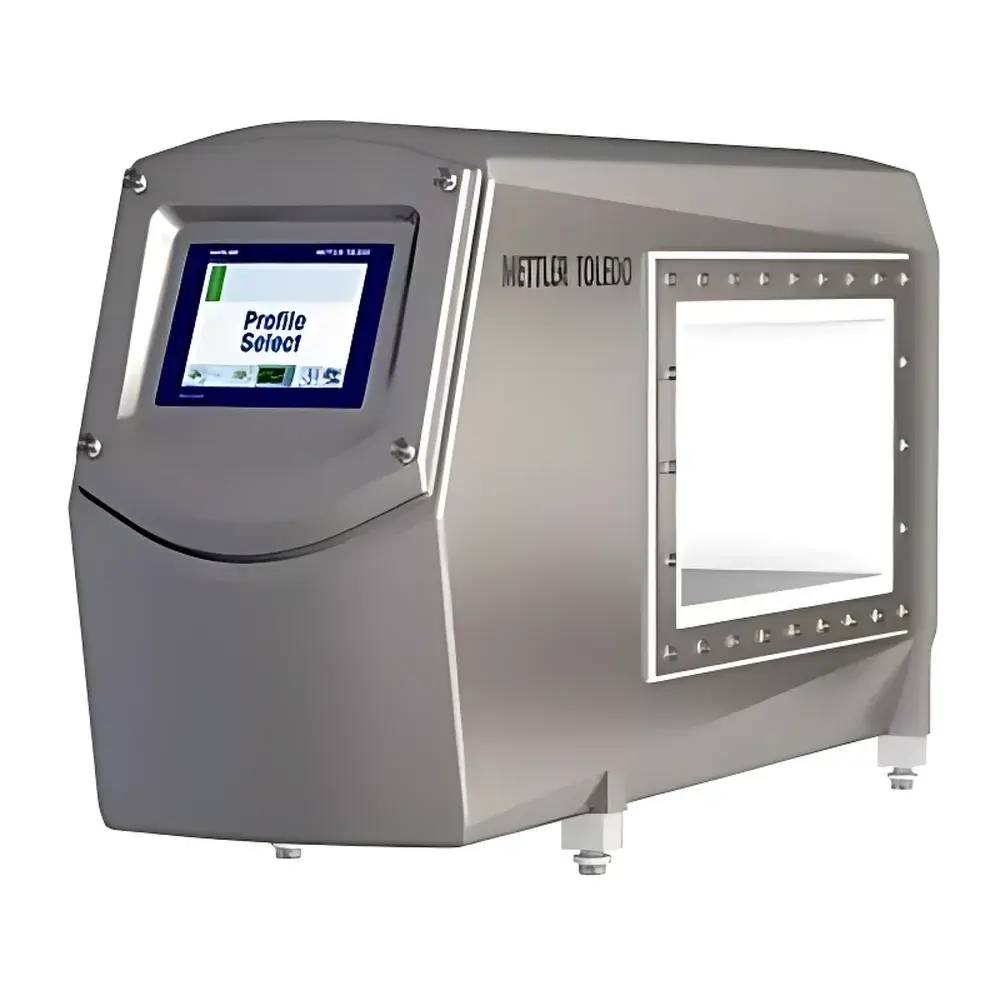
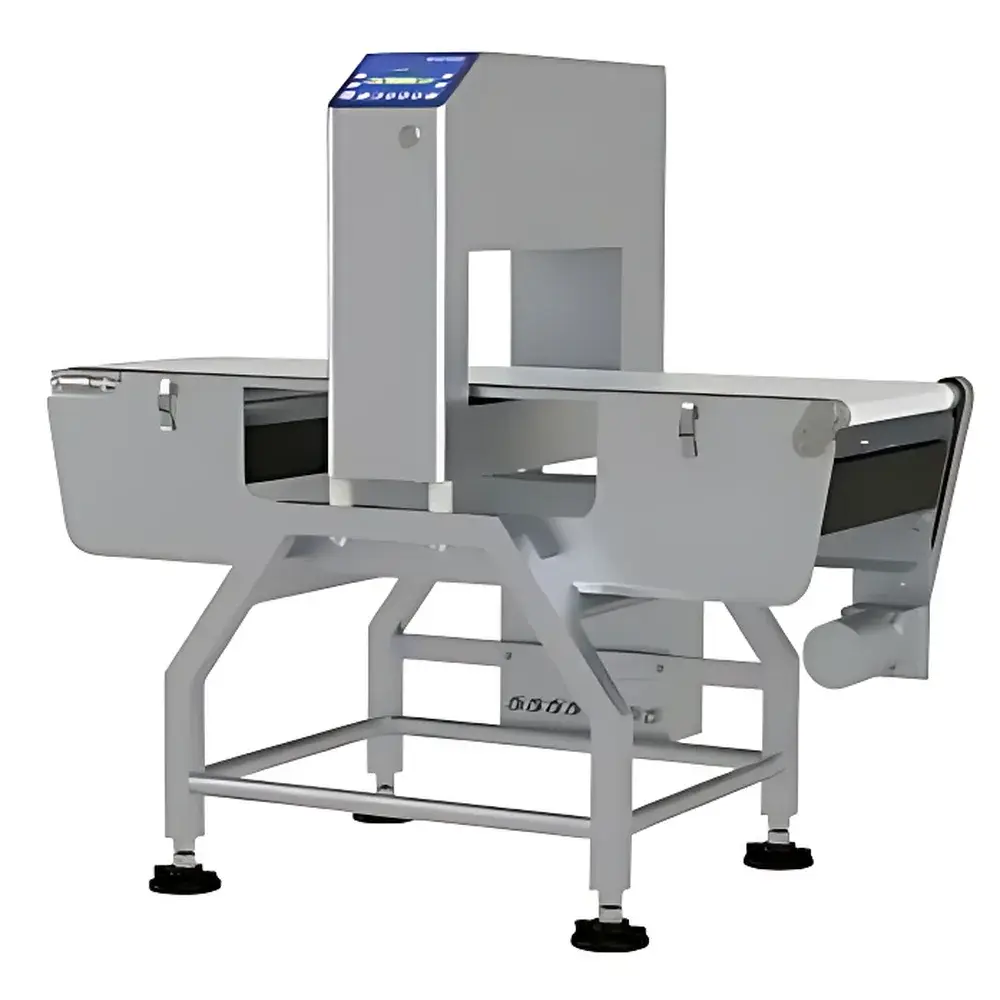
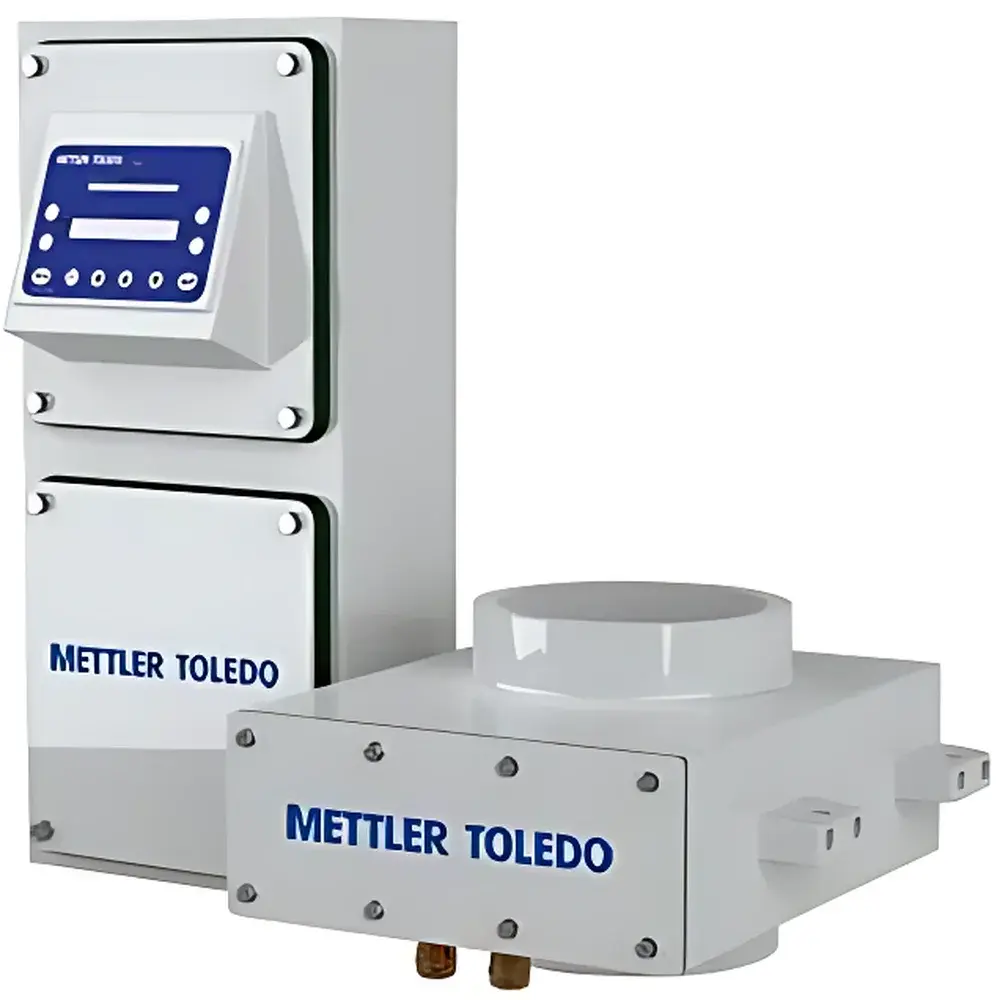
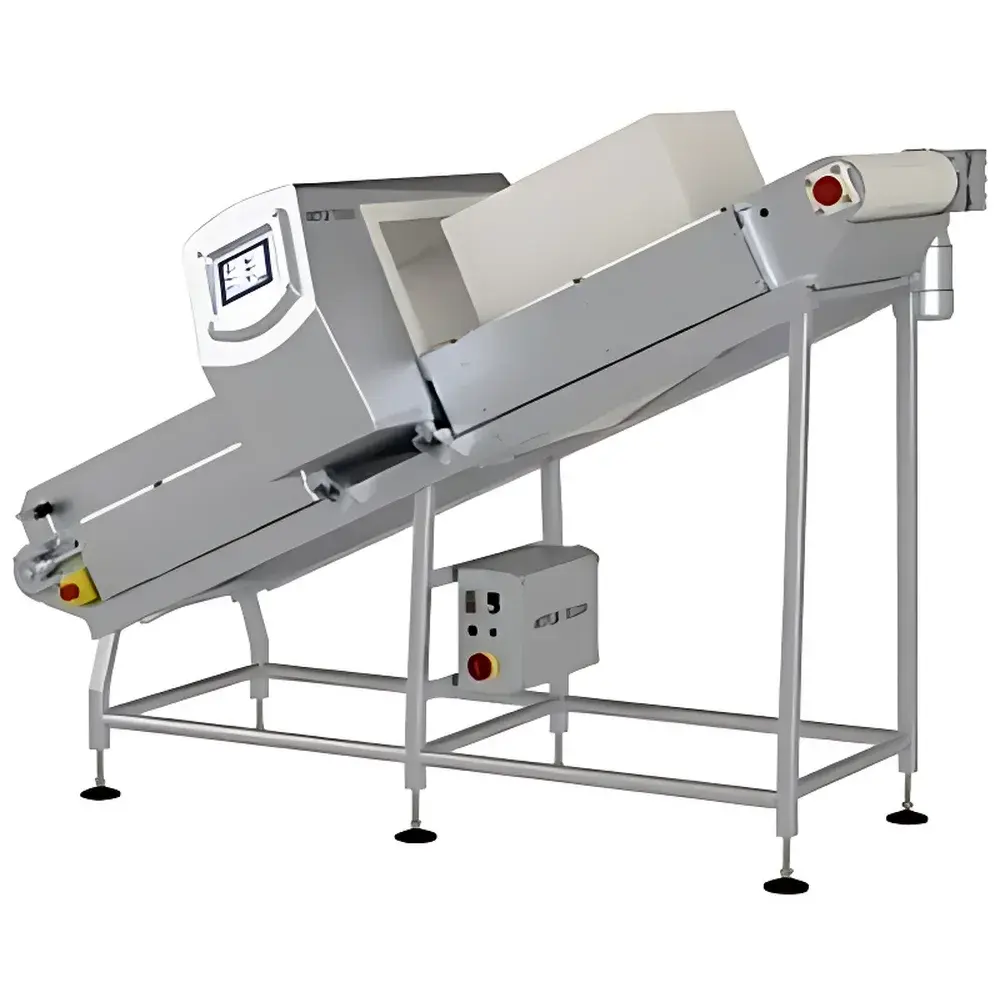
METTLER TOLEDO R/T/L Series industrial metal detection systems are engineered for high-reliability, in-line contaminant detection in regulated manufacturing environments. Based on balanced coil electromagnetic induction technology, these systems detect ferrous, non-ferrous, and non-magnetic stainless steel contaminants—including 304 and 316 grades—with consistent sensitivity across diverse product matrices. Designed specifically for food, pharmaceutical, and personal care production lines, each platform (R-Series conveyor-based, T-Series vertical-drop, L-Series pipeline, and Pharma-specific GF/Tablex2 configurations) adheres to the fundamental principles of physical property discrimination: differential eddy current response, phase-shift analysis, and signal-to-noise ratio optimization under real-world operating conditions. Unlike generic security-grade detectors, these systems integrate product-effect compensation algorithms to suppress interference from conductive or mineral-rich products (e.g., salted snacks, wet meats, or aqueous pharmaceutical suspensions), enabling stable baseline operation without manual recalibration during continuous runs.
Key Features
- Multi-platform architecture: R-Series (conveyor-integrated), T-Series (vertical free-fall), L-Series (sanitary pipeline), and Pharma-dedicated GF/Tablex2 (mirror-polished 316L stainless steel, ≤0.8 µm Ra surface finish)
- Signature and Profile software suites with FDA 21 CFR Part 11-compliant audit trails, electronic signatures, and configurable user access levels
- Real-time sensitivity monitoring with auto-compensation for temperature drift, belt wear, and ambient EMI
- IP65/NEMA 4X-rated housings; all-pharmaceutical models compliant with ASME BPE-2021 and EHEDG Doc. 8 hygienic design standards
- Integrated rejection mechanisms: pneumatic pusher arms (R/T), air blast diverters (L), and sanitary flip-gate rejectors (Pharma GF)
- Modular electronics architecture supporting seamless integration into MES/SCADA via EtherNet/IP, Modbus TCP, and OPC UA protocols
Sample Compatibility & Compliance
The R/T/L Series accommodates heterogeneous sample forms without mechanical modification: solid tablets and capsules (Pharma GF), granular powders and flakes (T-Series gravity-fed), viscous pastes and slurries (L-Series sanitary tri-clamp pipelines), and pre-packaged retail goods (R-Series conveyor widths from 150 mm to 1200 mm). All systems meet ISO 22000:2018, IFS Food v7, BRCGS Issue 9, and HACCP prerequisite program requirements. Pharmaceutical configurations are validated per USP , EP 2.9.19, and ASTM F2725–18 for particulate detection in sterile and non-sterile dosage forms. Electrical safety complies with IEC 61000-6-2/6-4 (EMC) and UL 61010-1. Hygienic designs conform to 3-A Sanitary Standards #74-01 and FDA Guidance for Industry: Control of Nitrosamine Impurities in Human Drugs (2021).
Software & Data Management
Profile software (standard on ASN9000/ASN6000 and T/L-Series) provides full traceability: time-stamped event logs, batch-level sensitivity reports, and automated calibration verification records. Each detection event is tagged with product ID, line speed, zone-specific sensitivity setting, and operator login—enabling root-cause analysis during internal audits. Data export supports CSV, PDF, and SQL formats; optional cloud synchronization enables remote diagnostics via METTLER TOLEDO’s ServiceLink platform. All firmware updates undergo GAMP 5-compliant validation, and software change control follows ISO 13485:2016 Annex A.2 requirements for medical device quality management systems.
Applications
- Food processing: Detection of work-hardened stainless steel fragments in baked goods, meat patties, dairy powders, and frozen ready meals
- Pharmaceutical manufacturing: In-line inspection of compressed tablets, gelatin capsules, and API-containing dry powder blends prior to blister packaging
- Personal care: Verification of metallic contamination in liquid soaps, shampoos, and toothpaste formulations conveyed through sanitary piping
- Chemical intermediates: Monitoring of catalyst residues or grinding media fragments in fine chemical synthesis streams
- Recycled polymer streams: Screening of ferrous tramp metal before extrusion or pelletizing stages
FAQ
What regulatory standards do METTLER TOLEDO metal detectors support for pharmaceutical use?
They comply with FDA 21 CFR Part 11, EU Annex 11, USP , EP 2.9.19, and GMP Annex 15 for qualification documentation and data integrity.
Can the system detect non-metallic contaminants such as glass or stone?
No—these systems operate exclusively on electromagnetic induction principles and are not designed for non-conductive or low-permittivity contaminants. X-ray or optical sorting systems are required for such materials.
How often does the system require calibration verification?
Daily operational checks using certified test samples (per ISO 22000 Clause 8.4.3) are mandatory; full performance qualification (PQ) must be conducted at least annually or after major maintenance.
Is the L-Series suitable for high-viscosity products like tomato paste or chocolate?
Yes—the L-Series pipeline detectors feature adjustable flow-rate compensation and laminar-flow optimized sensor geometry to maintain detection stability at viscosities up to 25,000 cP.
Does the R-Series support integration with existing PLC-controlled packaging lines?
Yes—native EtherNet/IP and Modbus TCP interfaces enable direct communication with Allen-Bradley, Siemens, and Mitsubishi PLCs without gateway hardware.



