
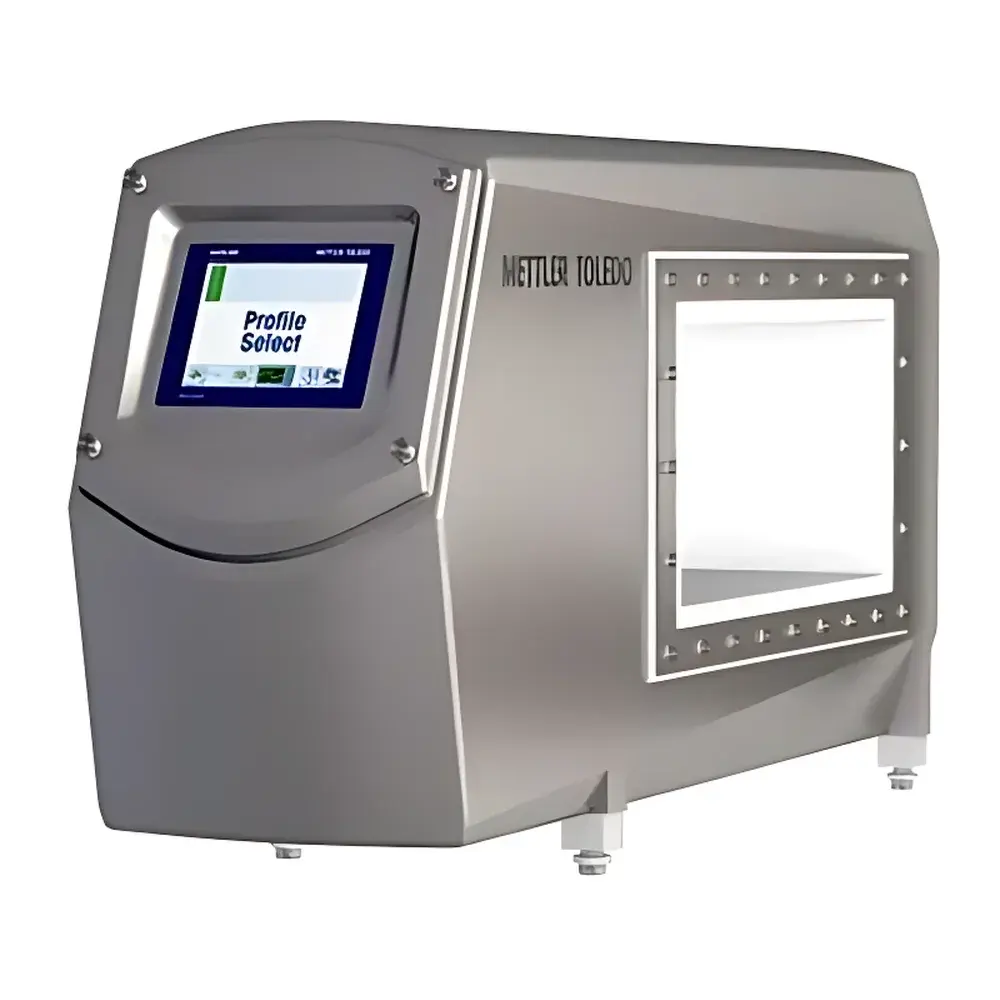
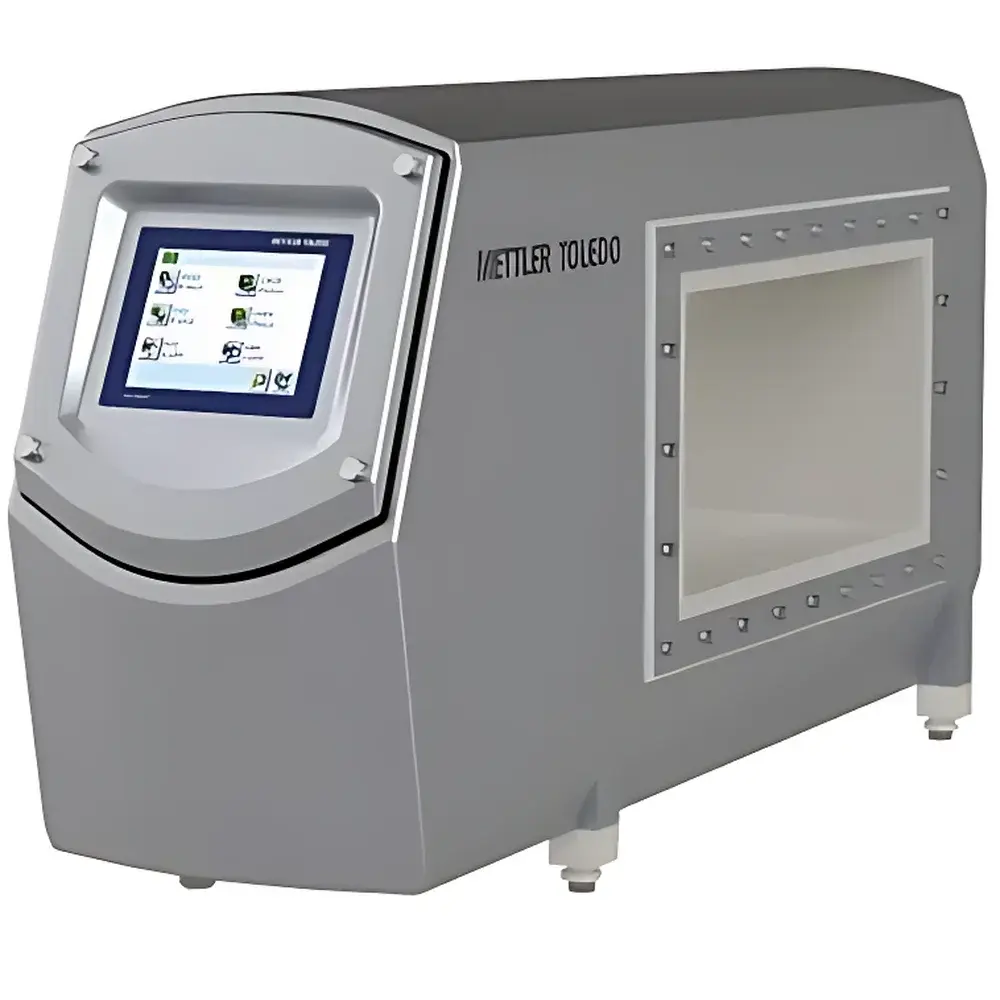
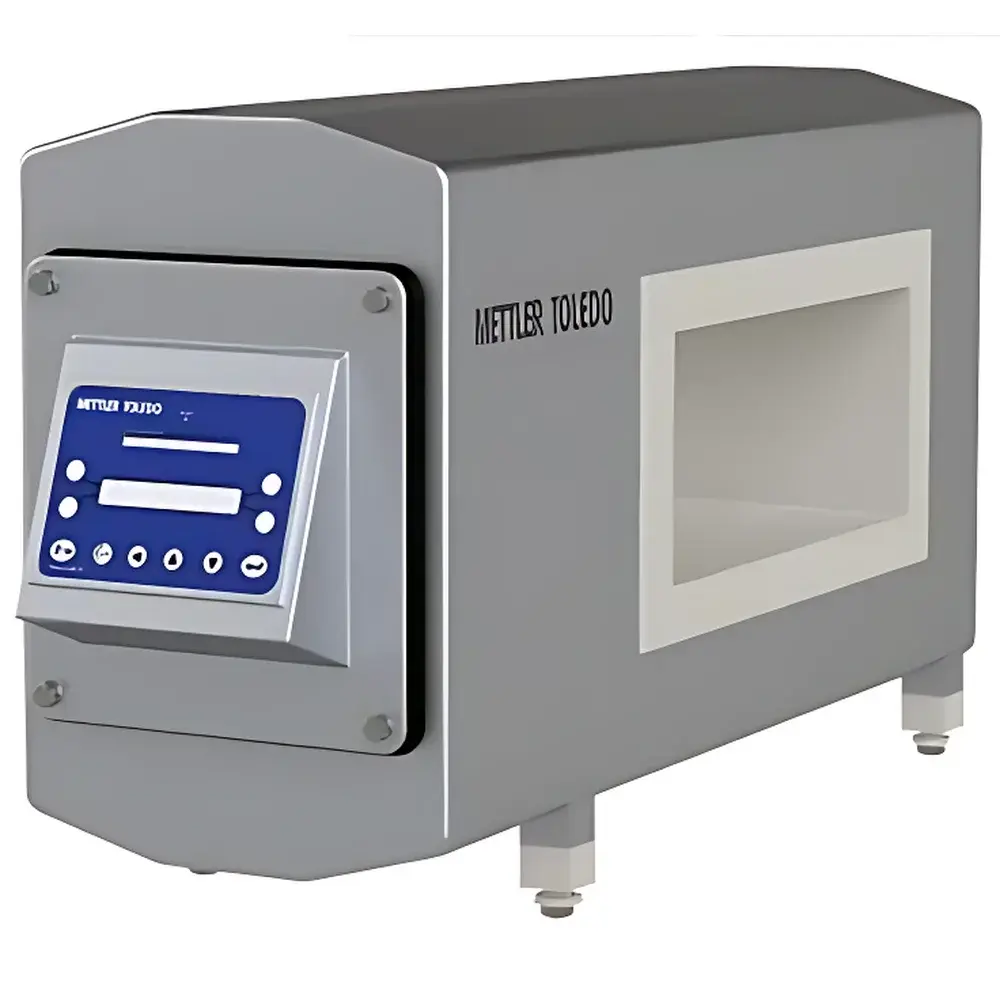
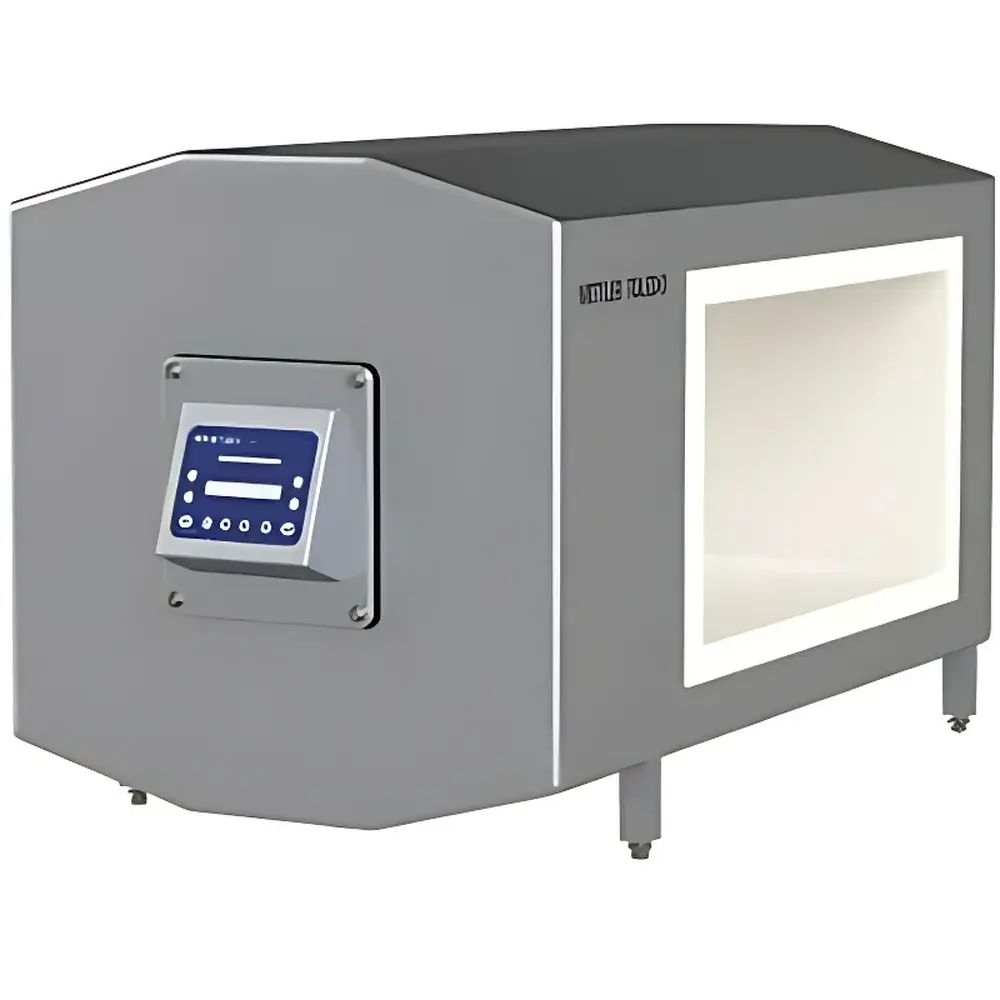
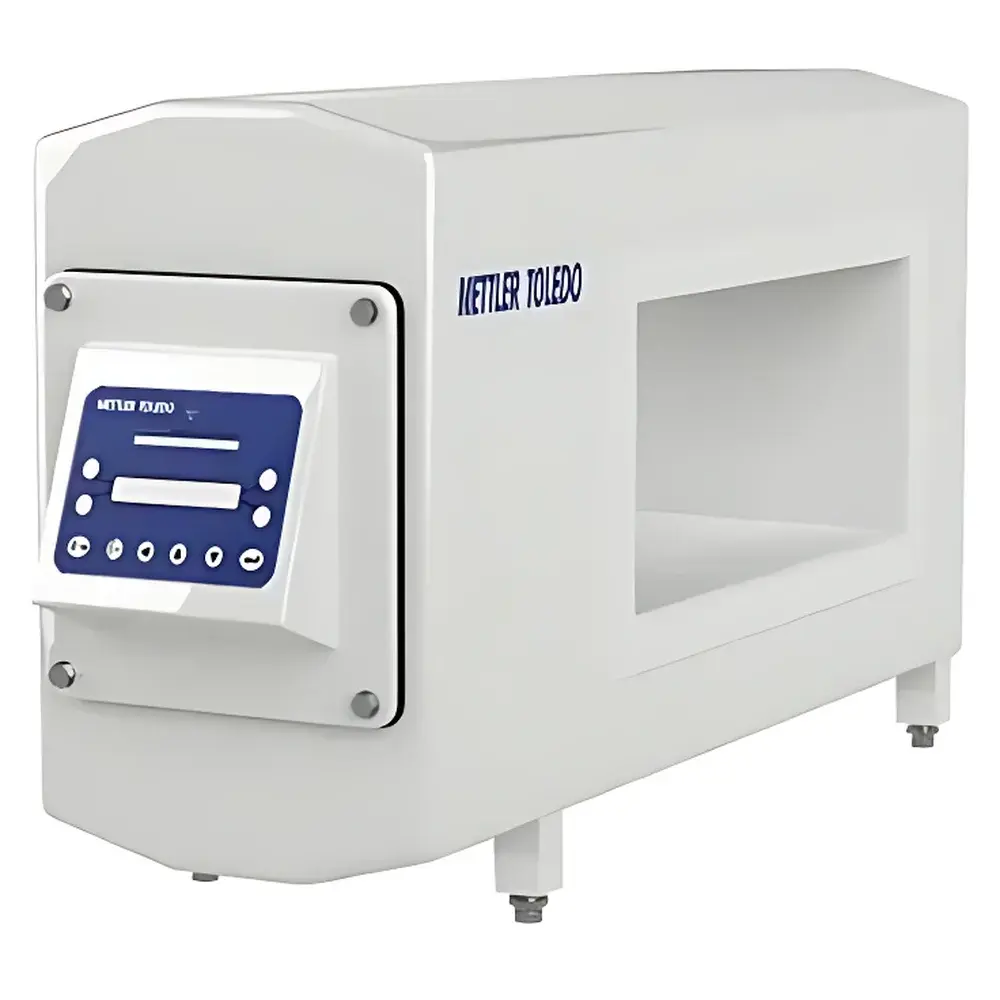
METTLER TOLEDO R-Series Signature Metal Detector
| Brand | METTLER TOLEDO |
|---|---|
| Origin | Shanghai, China |
| Model | R-Series Signature |
| Compliance | HACCP, FDA 21 CFR Part 11 (with optional audit trail), ISO 22000, BRCGS Food Safety Issue 9, IFS Food v7, USP <1043> (for pharmaceutical applications) |
| Detection Capability | Ferrous, non-ferrous, and stainless steel contaminants (including 304/316 austenitic grades) in packaged, bulk, powder, and viscous product streams |
| Integration | Compatible with conveyor belts, gravity-fed chutes, pipe-based flow systems, and automated reject mechanisms |
| Regulatory Support | Factory-calibrated per ASTM F1359–22 |
Overview
The METTLER TOLEDO R-Series Signature Metal Detector is an industrial-grade, high-sensitivity electromagnetic induction system engineered for continuous, non-invasive detection of metallic contaminants in food, pharmaceutical, chemical, and consumer goods manufacturing environments. Operating on the principle of balanced coil induction—where a high-frequency alternating magnetic field induces eddy currents in conductive foreign bodies—the detector measures minute disturbances in the field’s amplitude and phase to identify ferrous, non-ferrous, and critically, low-conductivity austenitic stainless steel (e.g., 304, 316) particles as small as 0.8 mm in diameter under optimal conditions. Unlike optical or X-ray methods, this technology requires no ionizing radiation, imposes no throughput limitations due to density variation, and delivers consistent sensitivity across dry, wet, frozen, or metallized packaging—including aluminum-laminated films common in snack and confectionery products. The R-Series is designed for permanent integration into production lines, supporting real-time pass/fail decision logic and seamless interface with PLCs and MES platforms.
Key Features
- Multi-frequency digital signal processing (DSP) architecture enabling adaptive rejection of product effect interference—especially critical for conductive or salty products such as cheese, meat, or brined vegetables
- Modular detection head design compatible with multiple mechanical configurations: belt-conveyor, gravity-drop, pipeline, and vertical-form-fill-seal (VFFS) installations
- IP65-rated stainless-steel housing with hygienic, clean-in-place (CIP)-compatible surfaces compliant with EHEDG Doc. Type A guidelines
- Self-diagnostics and automatic gain stabilization ensure long-term measurement stability without manual recalibration during shift changes
- Optional integrated reject systems—including pneumatic air-blast, pusher arms, and diverter gates—with programmable timing synchronized to line speed and product pitch
- Embedded Ethernet/IP and Modbus TCP protocols for direct integration into Industry 4.0 architectures and SCADA supervision
Sample Compatibility & Compliance
The R-Series Signature supports heterogeneous material streams across regulated industries. In food processing, it validates compliance with preventive controls mandated by FDA FSMA Rule 21 CFR Part 117 and HACCP Principle 5 (verification). For pharmaceutical applications, it meets USP requirements for metal particulate detection in solid oral dosage forms and aligns with Annex 1 (2022) expectations for contamination control in sterile and non-sterile manufacturing. All units undergo factory verification per ASTM F1359–22 (“Standard Practice for Performance Testing of Metal Detectors Used in the Food Industry”) and ship with NIST-traceable calibration certificates. Optional IQ/OQ documentation packages support GMP validation under EU Annex 15 and FDA guidance for computerized system validation.
Software & Data Management
The embedded R-Series Control Software provides role-based access control (operator, technician, administrator), configurable alarm thresholds, and time-stamped event logging—including detection events, reject actuations, calibration attempts, and sensor health metrics. Audit trails comply with FDA 21 CFR Part 11 requirements when configured with electronic signatures and secure user authentication. Historical data export (CSV/Excel) enables statistical process monitoring (SPC) integration, while OPC UA connectivity permits centralized dashboarding via MES or cloud-based quality analytics platforms. Firmware updates are delivered via secure HTTPS and validated through SHA-256 signature verification.
Applications
- Food Manufacturing: Detection of metal fragments in baked goods, dairy powders, ready meals, pet food, and confectionery—regardless of packaging format (flow-wrap, pouches, trays)
- Pharmaceutical Production: Inline screening of tablets, capsules, granules, and lyophilized powders on high-speed tablet presses or capsule fillers
- Chemical & Cosmetic Processing: Monitoring of bulk raw materials (e.g., talc, silica, surfactants) and finished creams, gels, and lotions in pipe-based transfer systems
- Textile & Toy Assembly: Final inspection of garments, soft toys, and hygiene products for broken needles, staples, or cutting tool debris
- Recycled Material Streams: Pre-sort validation for plastic flake, paper pulp, or rubber granulate prior to extrusion or molding
FAQ
What stainless steel grades can the R-Series detect—and at what minimum sizes?
The R-Series Signature detects 304 and 316 stainless steel down to Ø0.8 mm in ideal conditions (e.g., center-positioned, non-shielded, low-product-effect matrix); actual minimum detectable size depends on product conductivity, temperature, packaging thickness, and orientation.
Does the system require regular recalibration?
No routine recalibration is required. The unit performs automatic gain compensation and self-diagnostics every 24 hours; however, periodic verification using certified test samples (per ASTM F1359) is recommended before each production shift.
Can it be integrated with existing PLCs and ERP systems?
Yes—native support for EtherNet/IP, Modbus TCP, and PROFINET ensures plug-and-play interoperability with major automation platforms including Siemens SIMATIC, Rockwell ControlLogix, and Schneider EcoStruxure.
Is validation documentation provided for pharmaceutical use?
Yes—optional IQ/OQ/PQ protocol templates, traceability matrices, and URS alignment reports are available upon request to support GMP-compliant deployment in FDA- and EMA-regulated facilities.
How does the system handle high-moisture or salty products?
Advanced multi-frequency DSP dynamically suppresses product effect signals, maintaining stable baseline performance even in high-conductivity matrices such as brine solutions, tomato paste, or frozen seafood.



