METTLER TOLEDO XPR Series Analytical Balance
| Brand | METTLER TOLEDO |
|---|---|
| Origin | Switzerland (manufactured globally per model) |
| Model | XPR Series Analytical Balance |
| Max Capacity / Readability | XPR205: 220 g / 0.01 mg |
| XPR105DR | 31 g / 0.01 mg & 120 g / 0.1 mg |
| XPR205DR | 81 g / 0.01 mg & 220 g / 0.1 mg |
| XPR204 | 220 g / 0.1 mg |
| XPR504 | 520 g / 0.1 mg |
| XPR504DR | 101 g / 0.1 mg & 520 g / 1 mg |
| Calibration | proFACT automatic internal calibration with dual-mass system |
| Compliance | USP <41>, <1251>, ISO/IEC 17025, GxP (GLP/GMP), FDA 21 CFR Part 11 ready (with appropriate software configuration) |
Overview
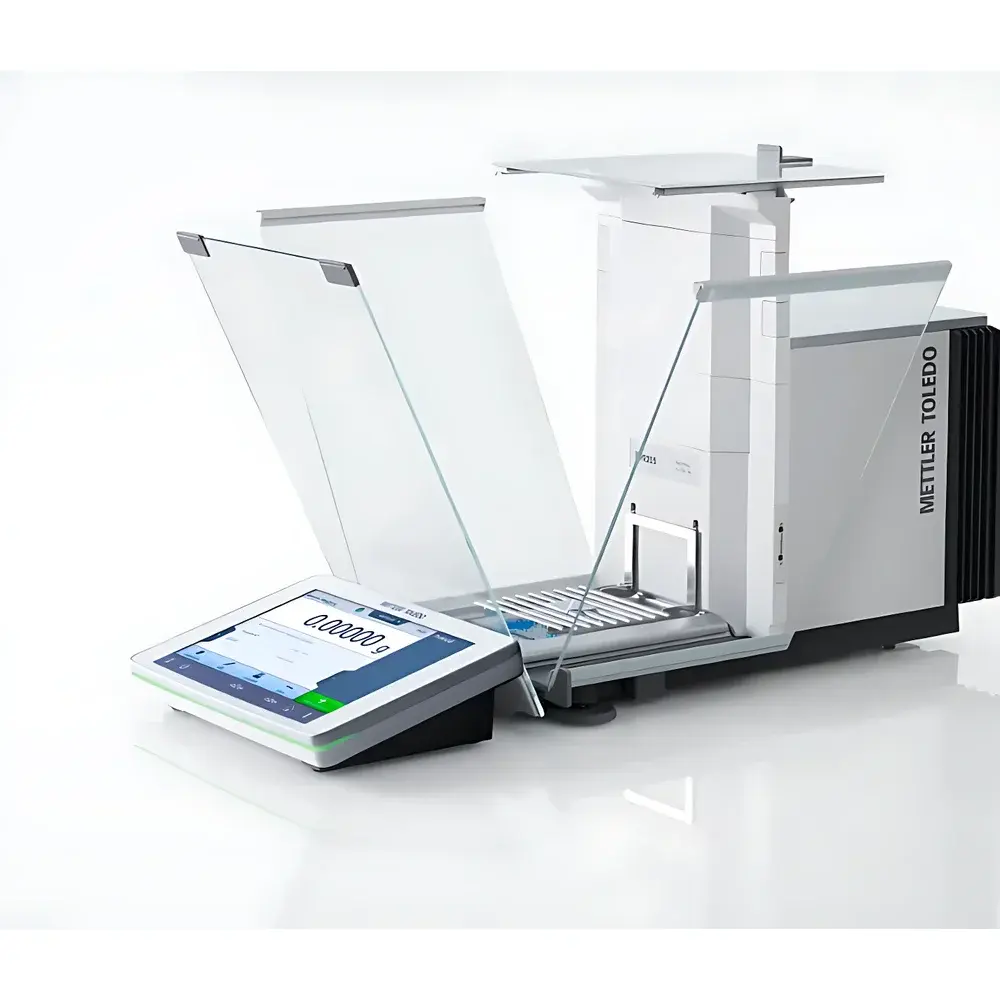
The METTLER TOLEDO XPR Series Analytical Balance is an engineered solution for high-precision mass measurement in regulated laboratory environments. Built upon electromagnetic force compensation (EMFC) technology, the XPR balances deliver exceptional repeatability, linearity, and long-term stability—critical requirements for quantitative analysis in pharmaceutical development, quality control, reference standard preparation, and method validation. Each model integrates a high-resolution, rear-mounted monolithic sensor architecture that minimizes mechanical hysteresis and thermal drift. Designed to meet the stringent metrological demands of USP Chapter (Balances) and (Weighing on an Analytical Balance), the XPR platform supports risk-based weighing strategies through traceable, auditable workflows aligned with ICH Q5, Q7, and Annex 11 principles.
Key Features
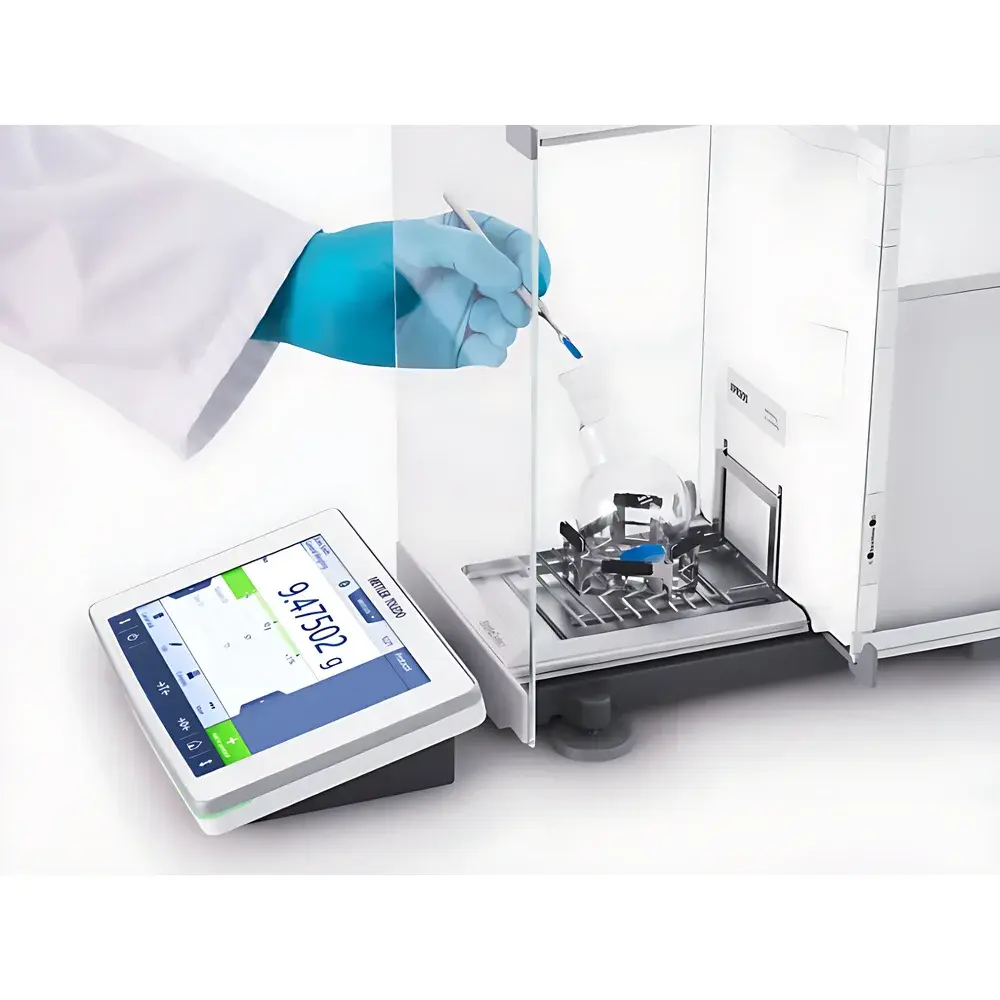
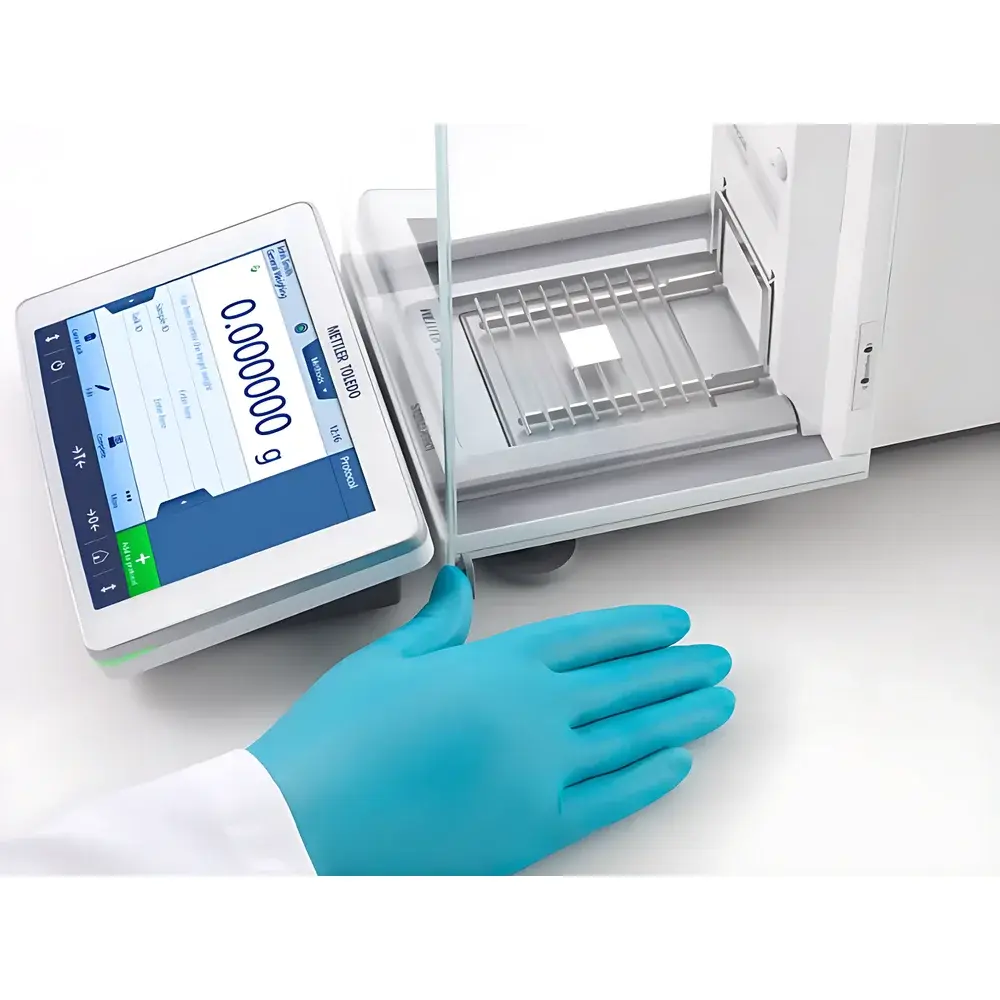
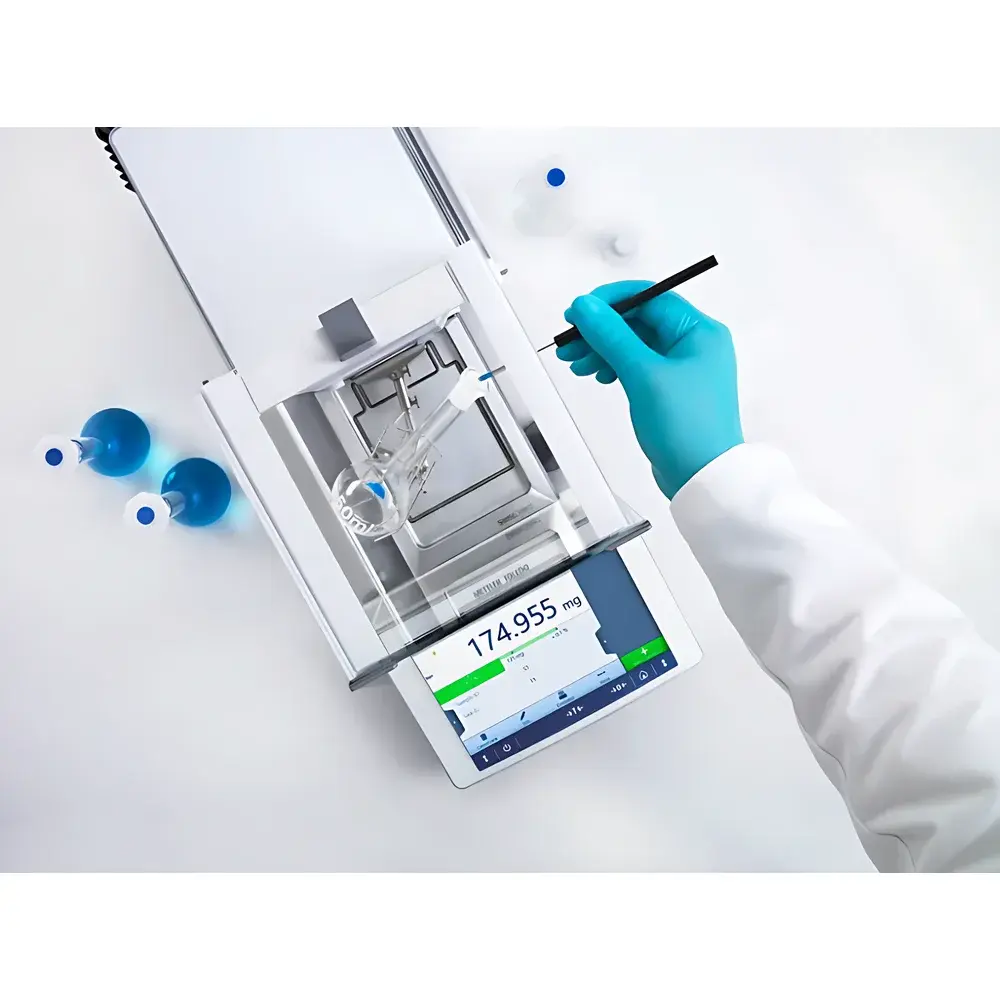
- SmartScreen TFT Color Touch Display: A 5.7-inch capacitive touchscreen with intuitive, icon-driven navigation and multilingual support—including English, German, French, Spanish, and Chinese—enabling rapid method execution and operator training consistency.
- SmartSens Infrared Sensor System: Enables hands-free operation of door actuation, tare, print, and unit switching—reducing contamination risk and improving ergonomics in aseptic or glove-box environments.
- SmartGrid Perforated Weighing Pan: Optimized airflow dynamics and minimized air turbulence accelerate stabilization time by up to 30% compared to solid pans, particularly critical for low-mass samples (<10 mg) and hygroscopic materials.
- LevelControl Active Leveling Assistant: Integrated inclinometer continuously monitors instrument orientation; visual and audible alerts prompt immediate re-leveling before measurement—ensuring compliance with ISO 17025 clause 6.4.1.
- proFACT Dual-Trigger Automatic Calibration: Combines temperature-based and time-based recalibration using two internal reference masses. Compensates for both zero-point drift and span deviation across the full weighing range without manual intervention.
- MinWeigh Regulatory Function: Configurable minimum weight threshold based on user-defined uncertainty criteria (e.g., ±0.1% tolerance). When activated by METTLER TOLEDO service engineers, it enforces real-time compliance checks during sample placement and prevents data recording below validated limits.
- BalanceCheck Guided External Verification: Periodic prompts instruct users to perform external calibration with certified weights—documenting verification date, weight ID, deviation, and pass/fail status directly into the audit trail.
- Chemical-Resistant Screen Shield: Removable polycarbonate overlay protects the display from solvent splashes, acid vapors, and particulate abrasion—extending operational lifespan in QC labs handling aggressive reagents.
Sample Compatibility & Compliance
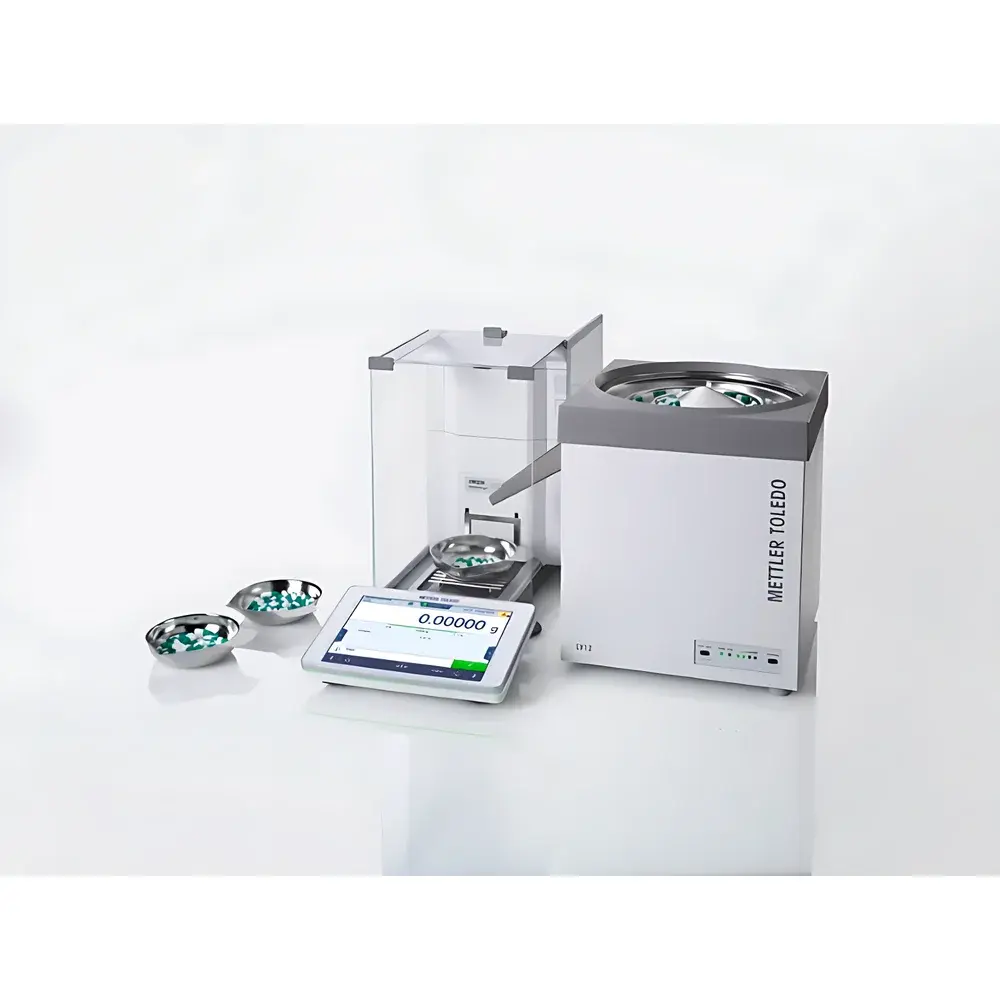
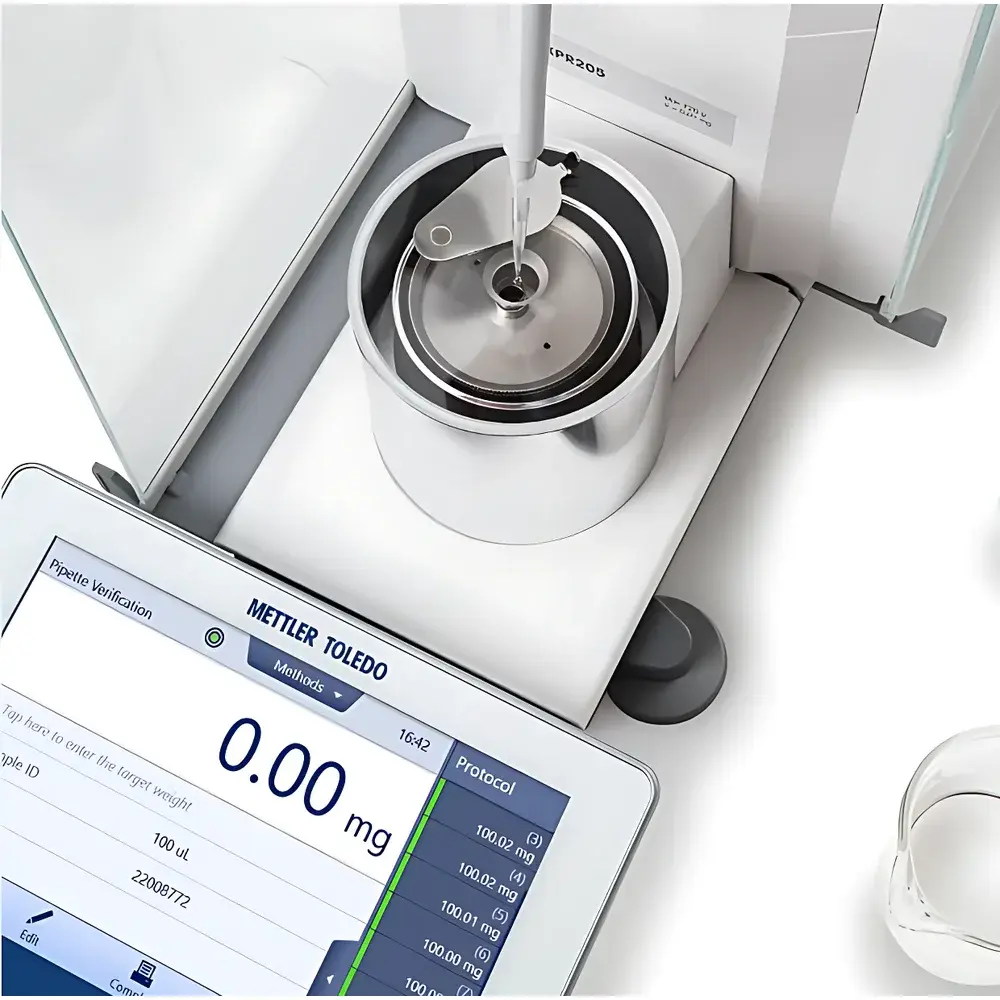
The XPR Series accommodates diverse sample types—from microgram-scale active pharmaceutical ingredients (APIs) to gram-range excipients—while maintaining traceability under GxP frameworks. All models support dynamic weighing modes (e.g., formulation, statistics, density, pipette calibration) and are compatible with METTLER TOLEDO’s LabX™ software for full electronic record integrity. The hardware design conforms to IP54 ingress protection, and internal diagnostics comply with ISO 9001:2015 and ISO/IEC 17025:2017 calibration management clauses. For FDA-regulated facilities, optional LabX configurations provide full 21 CFR Part 11 compliance—including electronic signatures, role-based access control, and immutable audit trails.
Software & Data Management
LabX™ software serves as the central data governance hub for XPR instruments, enabling method-driven workflows, automated report generation (PDF/CSV/XML), and seamless integration with LIMS, ERP, and ELN systems via ODBC or RESTful APIs. Raw weighing data—including timestamp, operator ID, environmental conditions (optional sensor input), and uncertainty calculations—is stored with cryptographic hashing to ensure data integrity. Audit trail review functions support retrospective assessment per ALCOA+ principles (Attributable, Legible, Contemporaneous, Original, Accurate, Complete, Consistent, Enduring, Available).
Applications
XPR analytical balances are deployed across tier-1 pharmaceutical manufacturers for USP-compliant assay preparation, dissolution testing, and stability-indicating methods. They serve as primary standards in metrology labs accredited to ISO/IEC 17025, support compendial testing in contract research organizations (CROs), and enable precise catalyst dosing in fine chemical synthesis. Academic and government research institutions rely on XPR platforms for gravimetric sorption studies, nanoparticle mass characterization, and calibration of secondary standards in national measurement institutes.
FAQ
What regulatory standards does the XPR Series support out-of-the-box?
USP and , ISO/IEC 17025:2017, GMP Annex 11, and GLP principles. Full 21 CFR Part 11 compliance requires LabX software with configured user roles and electronic signature modules.
Is MinWeigh functionality enabled by default?
No. MinWeigh must be commissioned on-site by a certified METTLER TOLEDO service engineer following documented risk assessment and uncertainty budgeting per USP .
Can the XPR balance interface with legacy lab equipment?
Yes—via RS232, Ethernet, or LocalCAN. Bluetooth and PS/2 interfaces are available as field-installable option cards. Drivers for common printers, barcode scanners, and PLCs are pre-certified.
How often does proFACT initiate calibration?
Calibration triggers automatically when ambient temperature changes by ≥1.5 °C or after user-defined time intervals (e.g., every 2, 4, or 8 hours), ensuring continuous metrological validity without disrupting workflow.
Does SmartGrid affect accuracy for volatile samples?
No—the perforated grid maintains identical EMFC transduction characteristics as solid pans. Its geometry reduces convective interference, thereby improving repeatability for low-mass or static-prone samples.