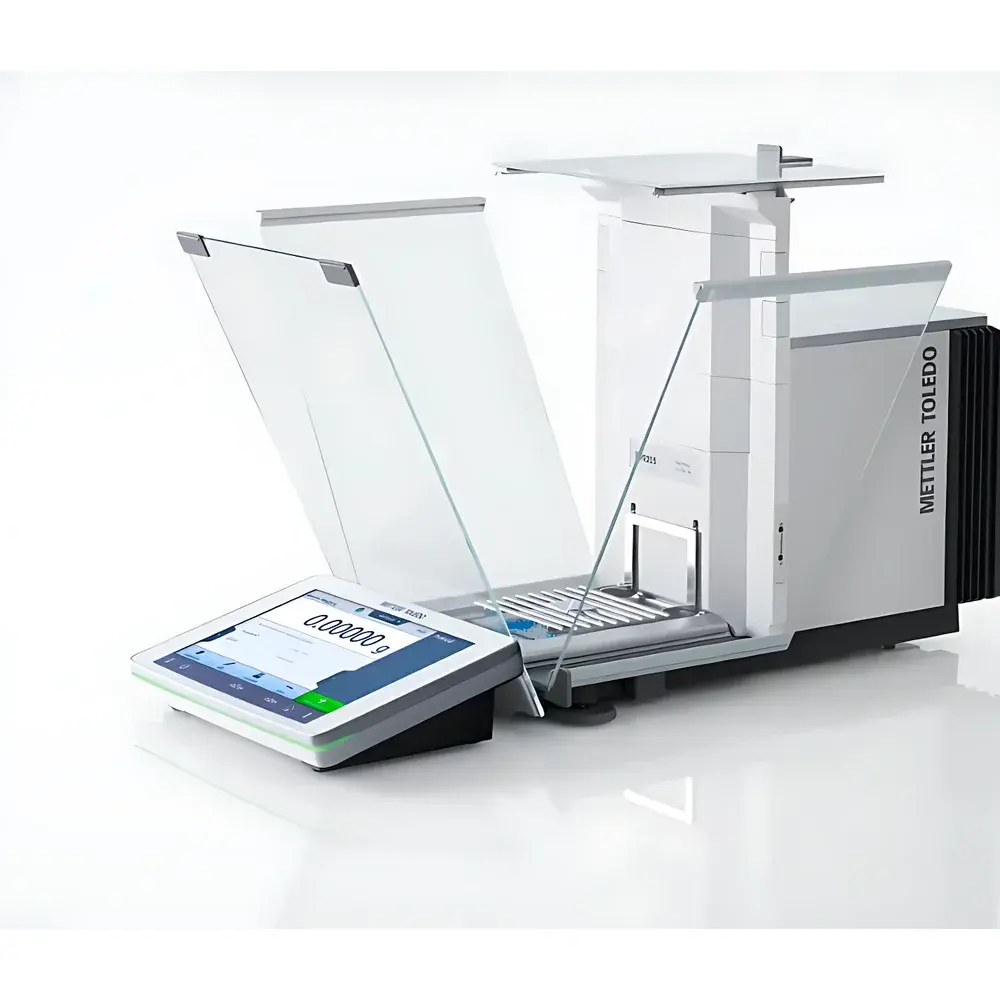
METTLER TOLEDO XPR Series Analytical Balances
| Brand | METTLER TOLEDO |
|---|---|
| Origin | Switzerland |
| Model Range | XPR Series (including XPR2U, XPR6U, XPR2, XPR10, XPR56, XPR36, XPR204S, XPR504S, XPR303SN, XPR603SNDR, XPR4002S, XPR10002S, XPR226DR, XPR105DR, XPR204) |
| Maximum Capacity | 200 g |
| Readability | 0.00001 g (10 µg) |
| Repeatability | ≤ ± 0.01 mg |
| Compliance | USP Chapter <41>, <1251>, GxP, FDA 21 CFR Part 11, ISO/IEC 17025, GLP/GMP |
Overview
The METTLER TOLEDO XPR Series analytical balances represent the benchmark for precision mass measurement in regulated laboratory environments. Engineered for metrological integrity and operational robustness, these balances operate on electromagnetic force compensation (EMFC) principle—where sample weight is counterbalanced by a precisely controlled electromagnetic current, yielding direct digital readouts traceable to SI units via internal calibration standards. Designed primarily for applications demanding compliance with pharmacopeial requirements—including USP (Balance Calibration and Testing), (Weighing on an Analytical Balance), and regulatory frameworks such as GMP, GLP, and FDA 21 CFR Part 11—the XPR platform integrates hardware-level safeguards and software-controlled workflows to ensure data integrity, audit readiness, and measurement reliability across daily use cycles.
Key Features
- High-resolution EMFC sensor architecture with rear-mounted transducer design, minimizing mechanical interference and thermal drift effects.
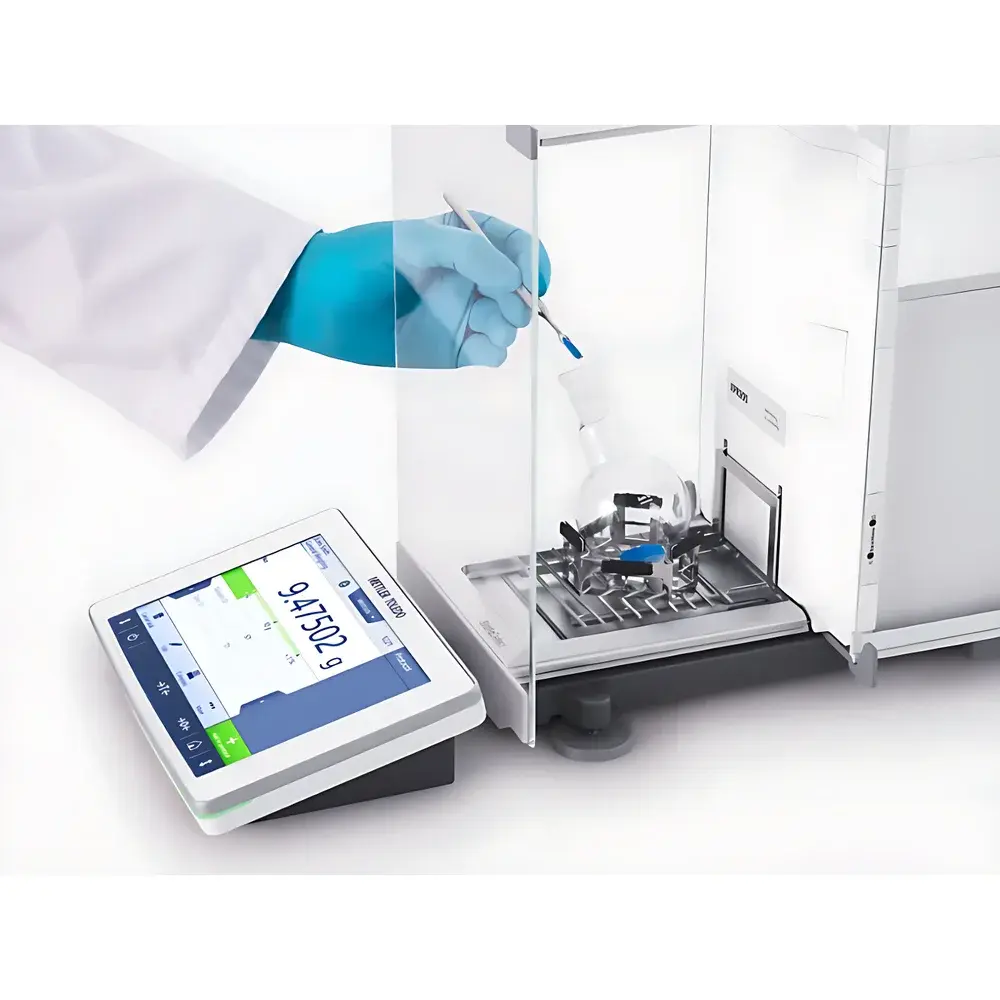
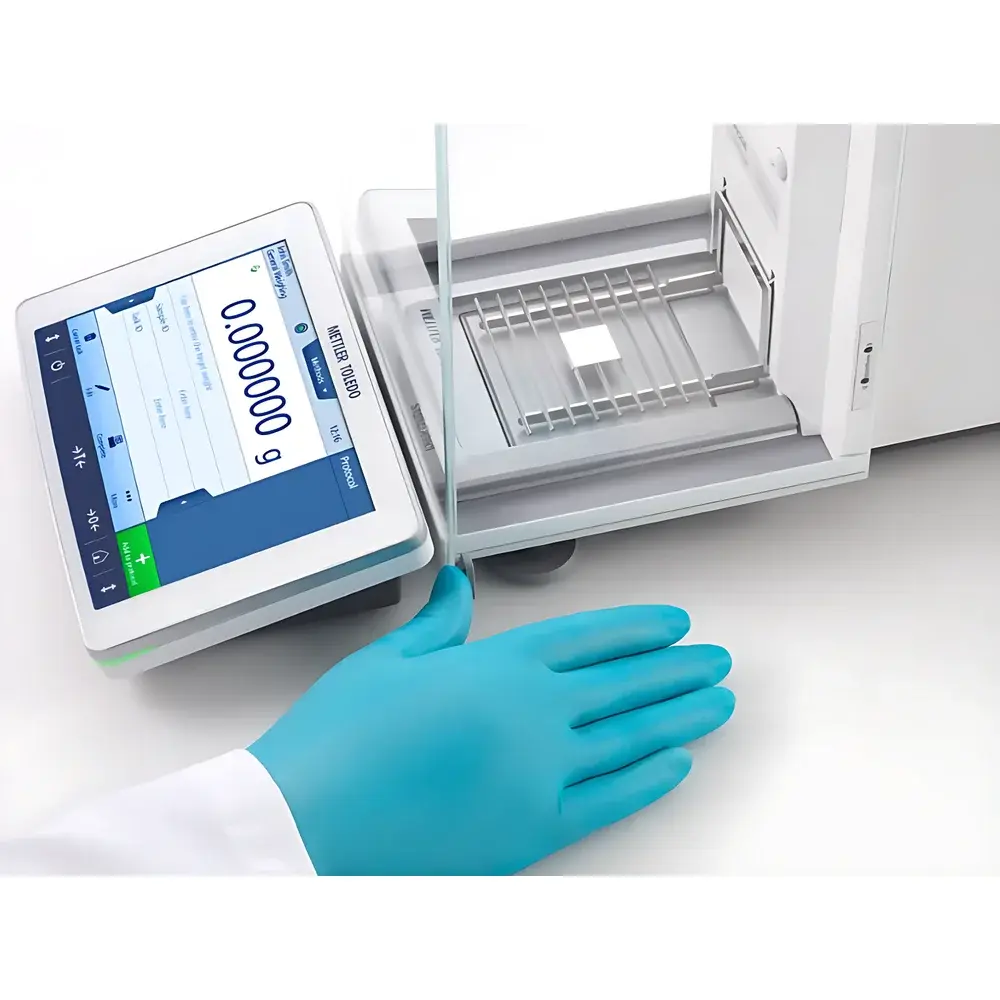
- SmartScreen TFT color touchscreen interface with intuitive icon-based navigation and multilingual support—including English, German, French, Spanish, and Chinese—enabling rapid operator onboarding and error-resistant interaction.
- SmartSens infrared motion detection system (XPR models only): enables hands-free operation of door control, tare, print, and data transfer functions—critical for sterile or high-contamination-risk workflows.
- SmartGrid perforated weighing pan: accelerates stabilization time by up to 30% versus conventional solid pans while maintaining aerodynamic stability under draft-sensitive conditions.
- LevelControl active leveling guidance: continuously monitors tilt angle and alerts users via visual and audible cues when deviation exceeds ±0.5°, ensuring optimal sensor alignment prior to measurement.
- proFACT dual-interval automatic calibration: performs internal weight-based linear and sensitivity correction triggered either by temperature change (>1.5°C) or user-defined time intervals—eliminating manual recalibration during extended shifts.
- MinWeigh function: calculates and enforces minimum sample weight thresholds based on user-defined uncertainty limits (e.g., 0.1% RSD), generating real-time pass/fail feedback aligned with USP criteria.
- BalanceCheck automated external verification prompt: schedules periodic checks using certified weights and logs all verification events with timestamp, operator ID, and result metadata.
- GWP® Excellence integrated risk-assessment engine: evaluates environmental, operational, and maintenance variables to generate dynamic calibration and verification recommendations compliant with ISO/IEC 17025 Clause 6.5.2.
Sample Compatibility & Compliance
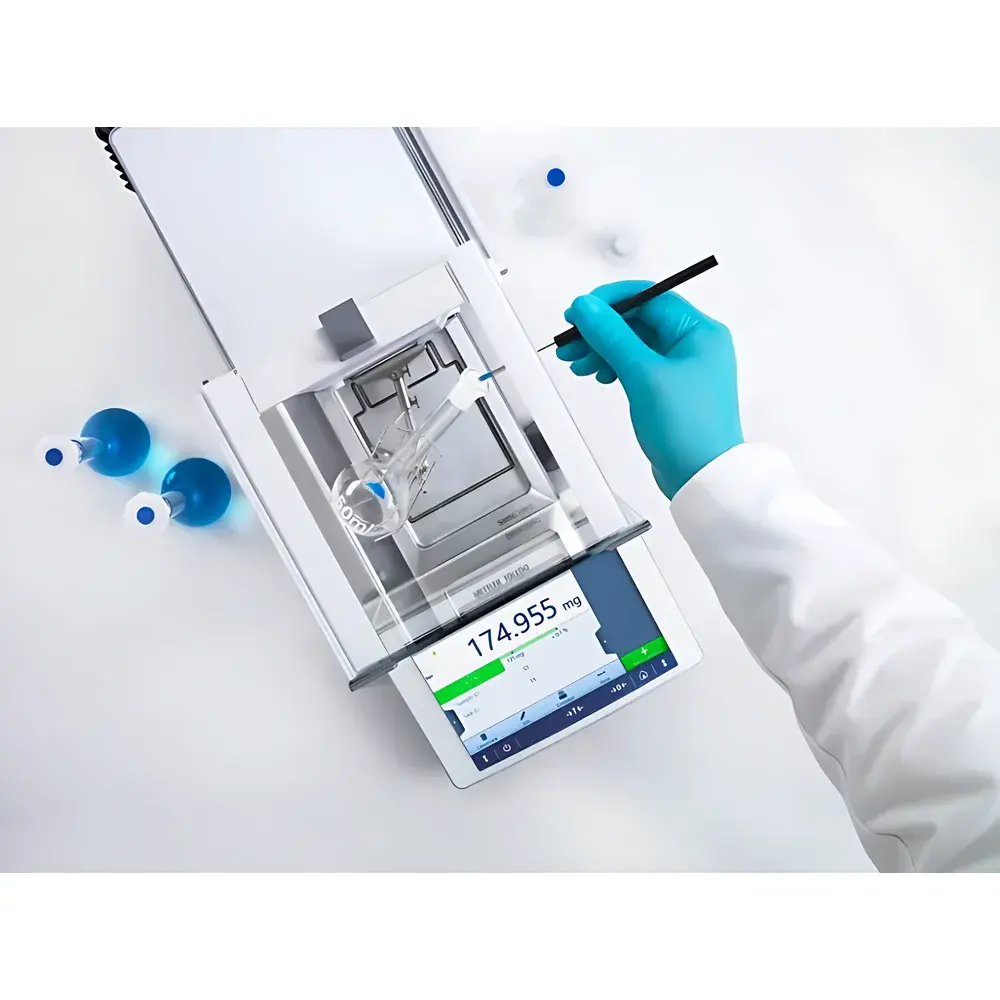
The XPR Series accommodates diverse sample types—including powders, granules, liquids in tared vessels, and volatile compounds—within ISO Class 5–7 cleanroom-compatible enclosures (optional). All models meet IP54 ingress protection rating for dust and splash resistance. Built-in draft shields comply with ASTM E898-22 guidelines for static air displacement control. Full traceability is ensured through embedded electronic signatures, immutable audit trails, and configurable electronic records that satisfy FDA 21 CFR Part 11 requirements for electronic records and signatures. Each balance ships with factory-issued calibration certificate traceable to NIST or PTB standards.
Software & Data Management
XPR balances natively support METTLER TOLEDO’s LabX™ software suite for centralized instrument management, method deployment, and secure data archiving. LabX provides role-based access control, electronic signature workflows, and automated report generation compliant with ALCOA+ principles (Attributable, Legible, Contemporaneous, Original, Accurate + Complete, Consistent, Enduring, Available). Optional Ethernet, Bluetooth, RS232, LocalCAN, and PS/2 interfaces enable seamless integration into LIMS, MES, and ERP systems. All communication protocols adhere to IEEE 802.3 and ISO/IEC 8824-1 standards.
Applications
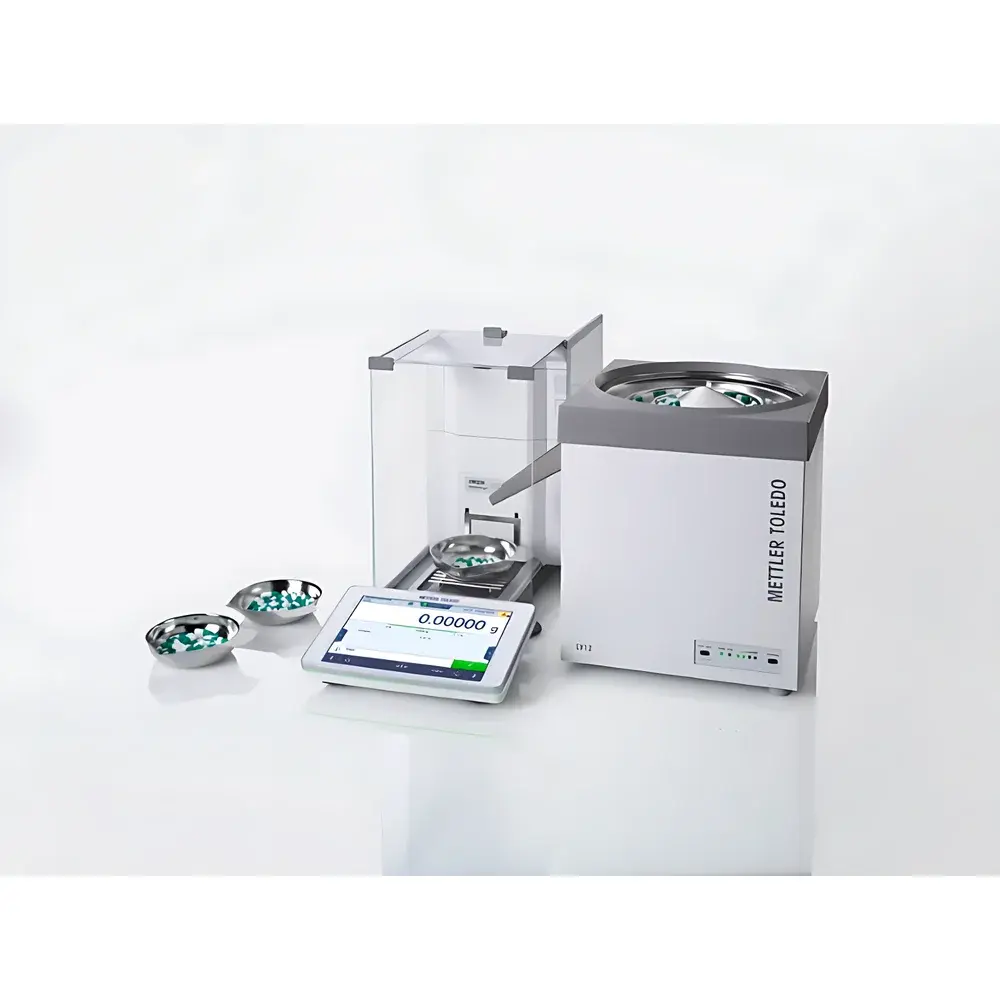
These balances serve critical roles in pharmaceutical quality control laboratories performing assay validation, reference standard preparation, and content uniformity testing per USP monographs. In chemical R&D, they support stoichiometric reagent dispensing, catalyst loading, and reaction yield quantification. Academic and contract research organizations rely on XPR models for gravimetric analysis in materials science, nanomaterial synthesis, and environmental testing where sub-10 µg resolution directly impacts uncertainty budgets. The XPR204 and XPR226DR variants are frequently deployed in elemental analysis labs interfacing with ICP-MS and AAS instrumentation requiring precise sample introduction mass control.
FAQ
What is the difference between proFACT and FACT calibration technologies?
proFACT employs two internal reference weights to perform both linearity and sensitivity correction, whereas FACT uses a single weight for sensitivity-only adjustment.
Is MinWeigh functionality pre-configured at shipment?
No—MinWeigh must be activated and parameterized on-site by a METTLER TOLEDO Field Service Engineer to align with site-specific uncertainty requirements and regulatory expectations.
Can XPR balances operate in ISO Class 5 cleanrooms?
Yes—when equipped with optional laminar flow-compatible draft shields and operated within validated environmental parameters (temperature stability ±1°C, humidity 40–60% RH).
Does LabX support 21 CFR Part 11 compliance out-of-the-box?
Yes—LabX includes pre-validated electronic signature modules, audit trail configuration tools, and password policy enforcement aligned with Part 11 Annex A guidance.
How often should external verification be performed?
Per ISO/IEC 17025:2017 Section 6.5.2, frequency depends on usage intensity, risk assessment, and historical performance—but BalanceCheck recommends baseline verification at startup, after relocation, and at least daily for GMP-critical operations.